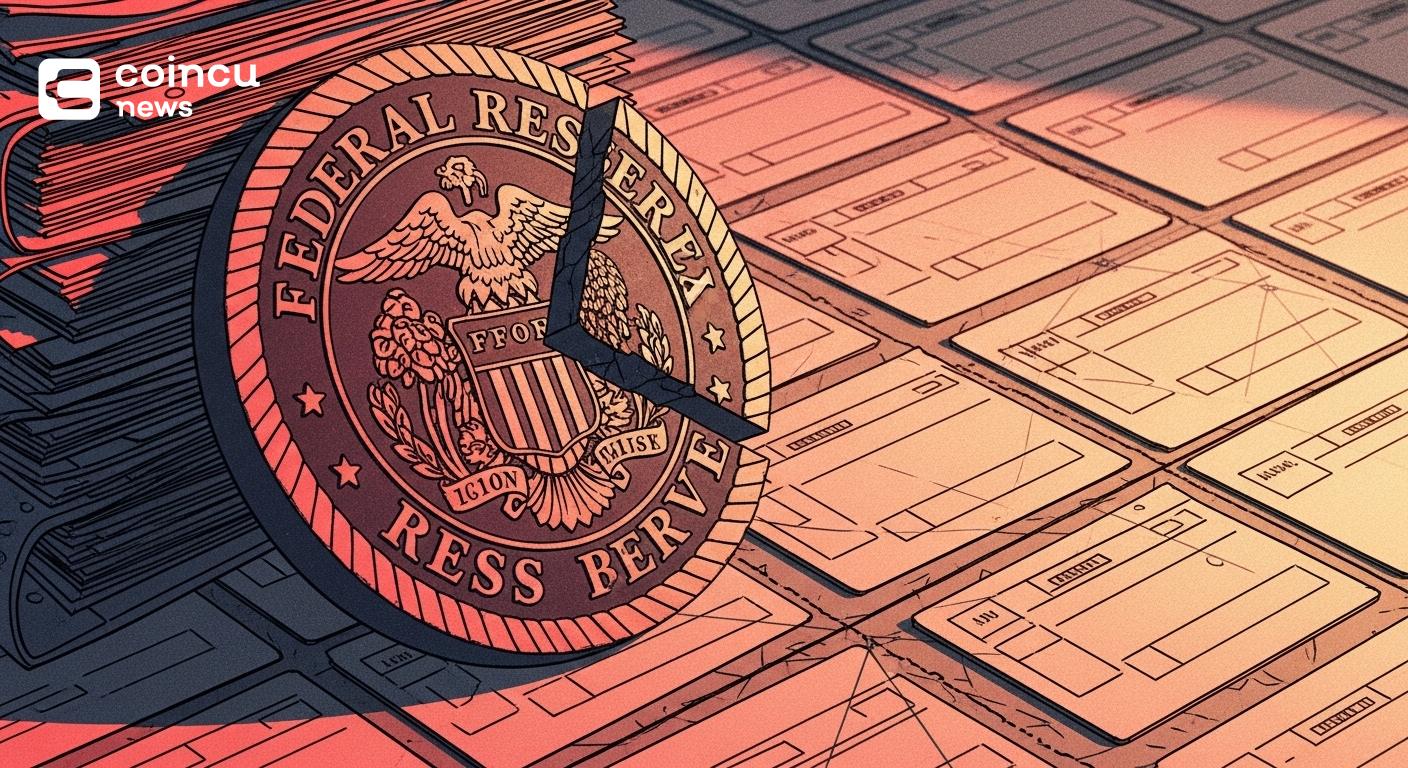
What Waller announced: Federal Reserve AI system-wide shared standards
Christopher Waller announced that the U.S. central bank is adopting AI with system-wide shared standards and a common internal platform, shifting from a fragmented “bank-by-bank” model to a “System-first” approach, according to the federal reserve. The program centers on rigorous governance: clear guardrails, robust model validation, human accountability, and continuous evaluation designed to reinforce, not trade off against, innovation.
By consolidating architecture and rules, the central bank aims to reduce duplication, improve security resilience, and ensure consistent controls across the System. The initiative frames AI as an operational capability that must be auditable, explainable, and aligned to policy and supervisory responsibilities.
Why system-wide shared standards matter for the Federal Reserve
A single set of definitions, controls, and review processes can curb operational risk and promote consistent outcomes in supervision, payments, and internal analytics. Shared standards also enable scalable monitoring, more comparable metrics, and faster risk detection across units.
Foundational capabilities will be critical for success. According to the National Bureau of Economic Research, central banks pursuing AI at scale need upgraded data infrastructure and structured workforce transition plans to capture productivity gains while managing risks.
Stakeholder perspectives emphasize caution alongside ambition. As reported by FedScoop, Jerome Powell has flagged fair‑lending and bias concerns in credit contexts and underscored uncertainty around the timing and breadth of AI’s impact.
In prepared remarks outlining the operating model, Waller summarized the rationale for consolidation and governance focus: “We are moving from a ‘Bank-by-Bank’ approach to a ‘System-first’ model,” said Christopher Waller, a Governor.
Immediate implications for model risk management and operations
Near term, model risk management will standardize around common taxonomies, documentation, validation testing, and ongoing performance monitoring, including human-in-the-loop review. Fair‑lending considerations imply bias testing, explainability analyses, and traceable decision records commensurate with each use case’s materiality.
Operations will adapt to common tooling, data pipelines, and access controls. Workforce enablement, training, model owners’ accountability, and operational runbooks, will likely define adoption speed as much as technology readiness.
At the time of this writing, Palantir Technologies Inc. (PLTR) closed at 135.38 (+1.77%) and traded 135.28 (-0.07%) after hours, based on Nasdaq delayed quote data. This market snapshot is contextual and unrelated to policy decisions.
Regulatory alignment and implications for supervised institutions
Inter-agency harmonization with CFTC and Treasury perspectives
Inter‑agency alignment will shape how AI controls translate across markets and products. Said Kristin Johnson, a Commissioner at the Commodity Futures Trading Commission, harmonized standards, transparency, and accountability are needed to protect market integrity. The goal is consistent definitions and outcomes‑focused oversight that maps to real risks. For capital markets, the World Federation of Exchanges advised the U.S. Treasury to favor outcomes‑based frameworks with precise scoping to avoid sweeping in unintended activities.
Practical implications for supervised banks and market integrity
The central bank’s internal shared standards do not, by themselves, establish new external mandates. They do signal emphasis on controls, documentation, testing discipline, explainability, and bias mitigation, areas supervisors already scrutinize to support safety, soundness, and fair treatment without stifling responsible innovation.
FAQ about Federal Reserve AI
How will the Fed validate and monitor AI models to prevent bias and ensure fair-lending compliance?
Through rigorous validation, continuous monitoring, human accountability, explainability checks, and bias testing proportional to each model’s materiality, with auditable documentation and traceable decisions.
Which AI use cases is the Federal Reserve already piloting or deploying across the System?
Pilots focus on internal functions, including economic analysis support, incident detection, and productivity tooling, deployed on a common platform under shared governance standards.
| DISCLAIMER: The information on this website is provided as general market commentary and does not constitute investment advice. We encourage you to do your own research before investing. |


Other Posts









- Amplify 2024: Ohio’s Premier Blockchain Summit
- Polymarket Announces U.S. Beta Relaunch Amid Market Buzz
- China, US Conclude Trade Talks with Focus on Cooperation
- Crypto Weekly: NYSE Backs OKX, Kraken Gets Fed Access, BTC Sells
- CELO holds as Celo reviews Opera 160M token claim
- DeriW Launches Edge Hour Trading Competition Platform for Derivatives Traders
- Michael Saylor Denies Bitcoin Sell-Off Amid Large BTC Transfer
- Court Upholds Fed’s Rejection of Custodia Bank’s Request
- EU Opens Antitrust Probe Into Deutsche Boerse and Nasdaq Derivatives Dealings
- Kazakhstan Explores Crypto Reserves Backed by National Funds
- JPMorgan Increases Holdings in BlackRock’s Bitcoin ETF
- Nordea Bank Introduces Bitcoin ETP Trading for Nordic Customers
- XRP Spot ETF Launches on Nasdaq Amid Market Fluctuations
- JPMorgan Chase Launches 24/7 Digital Deposit Token for Clients
- Crypto Leaders Address Macro Volatility Amid Market Shifts
- Former CFO Convicted for $35M Fraudulent Crypto Investment
- Peter Schiff Challenges Michael Saylor on MSTR’s Business Model
- Thailand Orders Worldcoin to Delete 1.2 Million Biometric Records
- UK Proposes New DeFi Tax Framework to Ease User Burden
- U.S. Treasury Proposes New Tax Relief Regulations
- Amplify 2024: Ohio’s Premier Blockchain Summit
- Polymarket Announces U.S. Beta Relaunch Amid Market Buzz
- China, US Conclude Trade Talks with Focus on Cooperation
- Crypto Weekly: NYSE Backs OKX, Kraken Gets Fed Access, BTC Sells
- CELO holds as Celo reviews Opera 160M token claim
- DeriW Launches Edge Hour Trading Competition Platform for Derivatives Traders
- Michael Saylor Denies Bitcoin Sell-Off Amid Large BTC Transfer
- Court Upholds Fed’s Rejection of Custodia Bank’s Request
- EU Opens Antitrust Probe Into Deutsche Boerse and Nasdaq Derivatives Dealings
- Kazakhstan Explores Crypto Reserves Backed by National Funds
- JPMorgan Increases Holdings in BlackRock’s Bitcoin ETF
- Nordea Bank Introduces Bitcoin ETP Trading for Nordic Customers
- XRP Spot ETF Launches on Nasdaq Amid Market Fluctuations
- JPMorgan Chase Launches 24/7 Digital Deposit Token for Clients
- Crypto Leaders Address Macro Volatility Amid Market Shifts
- Former CFO Convicted for $35M Fraudulent Crypto Investment
- Peter Schiff Challenges Michael Saylor on MSTR’s Business Model
- Thailand Orders Worldcoin to Delete 1.2 Million Biometric Records
- UK Proposes New DeFi Tax Framework to Ease User Burden
- U.S. Treasury Proposes New Tax Relief Regulations
- Amplify 2024: Ohio’s Premier Blockchain Summit
- Polymarket Announces U.S. Beta Relaunch Amid Market Buzz
- China, US Conclude Trade Talks with Focus on Cooperation
- Crypto Weekly: NYSE Backs OKX, Kraken Gets Fed Access, BTC Sells
- CELO holds as Celo reviews Opera 160M token claim
- DeriW Launches Edge Hour Trading Competition Platform for Derivatives Traders
- Michael Saylor Denies Bitcoin Sell-Off Amid Large BTC Transfer
- Court Upholds Fed’s Rejection of Custodia Bank’s Request
- EU Opens Antitrust Probe Into Deutsche Boerse and Nasdaq Derivatives Dealings
- Kazakhstan Explores Crypto Reserves Backed by National Funds
- JPMorgan Increases Holdings in BlackRock’s Bitcoin ETF
- Nordea Bank Introduces Bitcoin ETP Trading for Nordic Customers
- XRP Spot ETF Launches on Nasdaq Amid Market Fluctuations
- JPMorgan Chase Launches 24/7 Digital Deposit Token for Clients
- Crypto Leaders Address Macro Volatility Amid Market Shifts
- Former CFO Convicted for $35M Fraudulent Crypto Investment
- Peter Schiff Challenges Michael Saylor on MSTR’s Business Model
- Thailand Orders Worldcoin to Delete 1.2 Million Biometric Records
- UK Proposes New DeFi Tax Framework to Ease User Burden
- U.S. Treasury Proposes New Tax Relief Regulations
Latest


Bitcoin Mining After the 2028 Halving: Profit, Power, Infrastructure

Press Release

Polkadot’s $145M Legacy vs. DOGEBALL’s Future: These are the Best Cryptos to Buy Now

Enhanced Secures $1M in Strategic Pre-Seed Funding to Bring Structured Yield to More Assets Onchain