- Ghana’s parliament passed the Virtual Asset Service Providers Act, regulating digital assets.
- Individuals must register with the Bank of Ghana.
- Plans to explore blockchain applications in commerce by 2026.
Parliament in Ghana has passed the “Virtual Asset Service Providers Act,” mandating registration with the Bank of Ghana for those engaged in digital asset businesses, as announced on Monday.
This legislation marks a significant regulatory step, impacting Ghana’s cryptocurrency transactions, which reached $3.00 billion, and integrating blockchain for future economic applications.
Ghana Enacts Major Cryptocurrency Regulations
On Monday, the Ghanaian parliament passed the Virtual Asset Service Providers Act, mandating individuals and businesses to register their digital asset operations.
The Act integrates digital asset activities within a regulated structure, ensuring clarity and accountability.
Parliament has passed the Virtual Asset Service Providers (VASPs) Bill. The Bill establishes a legal framework for regulating virtual assets and Virtual Asset Service Providers. — Johnson Asiama, Governor, Bank of Ghana
Individuals can now legally trade cryptocurrencies, with the Act aiming to manage associated risks effectively. Governor Johnson Asiama emphasized that this framework establishes a licensing foundation for integrating digital assets in a transparent and governed manner.
Community responses showed optimism, with citizens welcoming the potential for regulated crypto trading. However, major industry voices on international platforms have remained silent. Experts in Ghana view this as a significant move towards aligning with global financial developments.
Ghana’s $3 Billion Crypto Market and Future Outlook
Did you know? Ghana handled approximately $3 billion in crypto transactions over a year, indicating robust digital currency engagement even before the Act.
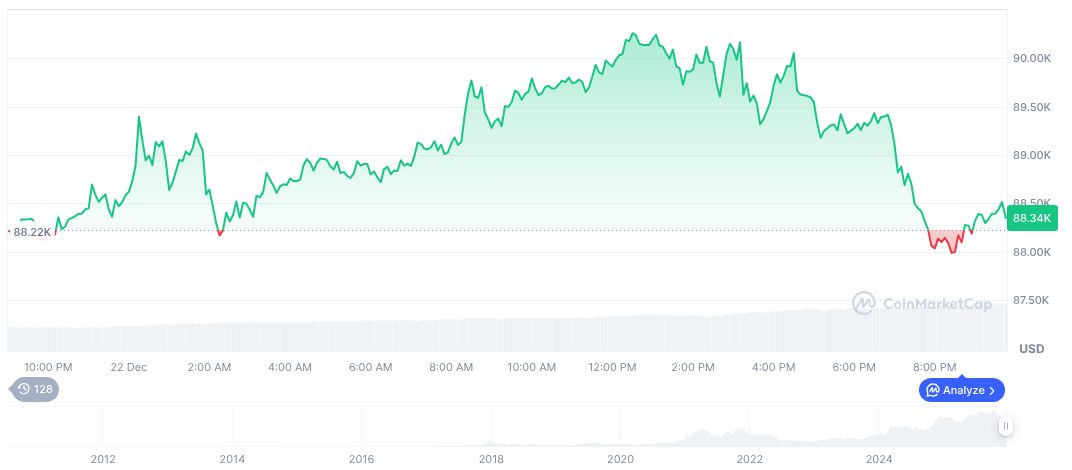
Bitcoin is currently priced at $87,717.86 with a market cap of $1.75 trillion, commanding a 59.01% share. Over the past seven days, Bitcoin has seen a price increase of 1.91%, according to CoinMarketCap, although recent 60-day statistics show a decline of 21.10%.
The Coincu research team suggests that Ghana’s regulatory move could enhance financial stability and consumer protection, potentially increasing blockchain technology’s role in commerce. This regulation aligns with global trends, possibly attracting more investment into the digital assets space.
| DISCLAIMER: The information on this website is provided as general market commentary and does not constitute investment advice. We encourage you to do your own research before investing. |

No tags available.


Other Posts









- Amplify 2024: Ohio’s Premier Blockchain Summit
- Polymarket Announces U.S. Beta Relaunch Amid Market Buzz
- China, US Conclude Trade Talks with Focus on Cooperation
- Michael Saylor Denies Bitcoin Sell-Off Amid Large BTC Transfer
- Court Upholds Fed’s Rejection of Custodia Bank’s Request
- EU Opens Antitrust Probe Into Deutsche Boerse and Nasdaq Derivatives Dealings
- Kazakhstan Explores Crypto Reserves Backed by National Funds
- Nordea Bank Introduces Bitcoin ETP Trading for Nordic Customers
- JPMorgan Increases Holdings in BlackRock’s Bitcoin ETF
- JPMorgan Chase Launches 24/7 Digital Deposit Token for Clients
- Crypto Leaders Address Macro Volatility Amid Market Shifts
- U.S. Treasury Proposes New Tax Relief Regulations
- Former CFO Convicted for $35M Fraudulent Crypto Investment
- Radiant Capital Faces $50M Loss in Major Security Breach
- SEGG Media Unveils $300 Million Crypto Reserve Plan
- XRP Spot ETF Launches on Nasdaq Amid Market Fluctuations
- 21Shares Files S-1 With SEC to Launch Hyperliquid ($HYPE) ETF
- Hong Kong Sentences Influencer for Unlicensed Investment Advice
- Franklin Templeton Signals TradFi and Crypto Integration
- Peter Schiff Challenges Michael Saylor on MSTR’s Business Model
- Amplify 2024: Ohio’s Premier Blockchain Summit
- Polymarket Announces U.S. Beta Relaunch Amid Market Buzz
- China, US Conclude Trade Talks with Focus on Cooperation
- Michael Saylor Denies Bitcoin Sell-Off Amid Large BTC Transfer
- Court Upholds Fed’s Rejection of Custodia Bank’s Request
- EU Opens Antitrust Probe Into Deutsche Boerse and Nasdaq Derivatives Dealings
- Kazakhstan Explores Crypto Reserves Backed by National Funds
- Nordea Bank Introduces Bitcoin ETP Trading for Nordic Customers
- JPMorgan Increases Holdings in BlackRock’s Bitcoin ETF
- JPMorgan Chase Launches 24/7 Digital Deposit Token for Clients
- Crypto Leaders Address Macro Volatility Amid Market Shifts
- U.S. Treasury Proposes New Tax Relief Regulations
- Former CFO Convicted for $35M Fraudulent Crypto Investment
- Radiant Capital Faces $50M Loss in Major Security Breach
- SEGG Media Unveils $300 Million Crypto Reserve Plan
- XRP Spot ETF Launches on Nasdaq Amid Market Fluctuations
- 21Shares Files S-1 With SEC to Launch Hyperliquid ($HYPE) ETF
- Hong Kong Sentences Influencer for Unlicensed Investment Advice
- Franklin Templeton Signals TradFi and Crypto Integration
- Peter Schiff Challenges Michael Saylor on MSTR’s Business Model
- Amplify 2024: Ohio’s Premier Blockchain Summit
- Polymarket Announces U.S. Beta Relaunch Amid Market Buzz
- China, US Conclude Trade Talks with Focus on Cooperation
- Michael Saylor Denies Bitcoin Sell-Off Amid Large BTC Transfer
- Court Upholds Fed’s Rejection of Custodia Bank’s Request
- EU Opens Antitrust Probe Into Deutsche Boerse and Nasdaq Derivatives Dealings
- Kazakhstan Explores Crypto Reserves Backed by National Funds
- Nordea Bank Introduces Bitcoin ETP Trading for Nordic Customers
- JPMorgan Increases Holdings in BlackRock’s Bitcoin ETF
- JPMorgan Chase Launches 24/7 Digital Deposit Token for Clients
- Crypto Leaders Address Macro Volatility Amid Market Shifts
- U.S. Treasury Proposes New Tax Relief Regulations
- Former CFO Convicted for $35M Fraudulent Crypto Investment
- Radiant Capital Faces $50M Loss in Major Security Breach
- SEGG Media Unveils $300 Million Crypto Reserve Plan
- XRP Spot ETF Launches on Nasdaq Amid Market Fluctuations
- 21Shares Files S-1 With SEC to Launch Hyperliquid ($HYPE) ETF
- Hong Kong Sentences Influencer for Unlicensed Investment Advice
- Franklin Templeton Signals TradFi and Crypto Integration
- Peter Schiff Challenges Michael Saylor on MSTR’s Business Model
Latest











Press Release

Transacta Partners with CryptoJets to Support Growing Demand for Crypto Payments in Private Aviation