








- The IMF reports on the threat of stablecoins in emerging markets.
- Stablecoins may undermine monetary control and financial sovereignty.
- The report calls for regulatory measures to address these concerns.
The International Monetary Fund’s recent report warns that stablecoins backed by the US dollar are rapidly spreading in emerging markets, potentially undermining the monetary policies of central banks worldwide.
This development heightens concerns about financial sovereignty and monetary stability, especially in economically vulnerable regions like Africa, the Middle East, and Latin America.
IMF Highlights Dollar Stablecoins’ Threat to Monetary Control
The IMF’s report, titled “Understanding Stablecoins,” presents an analysis of stablecoins’ rapid adoption in emerging markets. It spotlights dollar-denominated stablecoins’ penetration into these economies, posing threats to central banks’ monetary control.
The report describes how easily stablecoins enter markets via mobile phones and internet connections, becoming instruments of currency substitution and affecting domestic currency use. Amid these developments, the IMF strongly recommends countries to enact legal frameworks against stablecoins to uphold their financial independence. Reactions from financial circles emphasize the urgency of these measures as cross-border stablecoin transactions rapidly rise, particularly in regions experiencing high inflation.
“The novelty is that digital dollar-like instruments on blockchains can now penetrate markets faster and more pervasively via smartphones than traditional cash or bank deposits.” – International Monetary Fund
Historical Parallels in Currency Substitution and Stability
Did you know? The trend of currency substitution bears similarity to historical dollarization episodes where vulnerable economies switch from local to stronger foreign currencies, impacting financial stability.
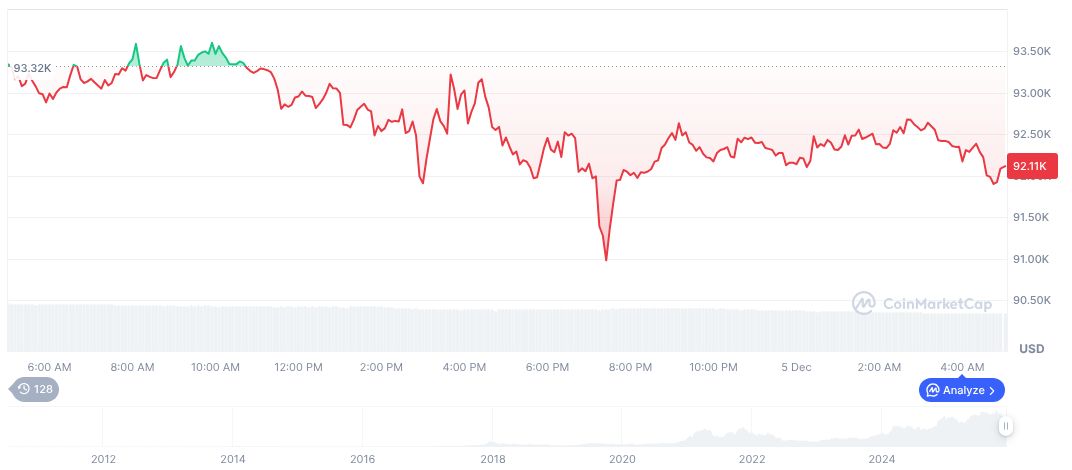
According to CoinMarketCap, Bitcoin (BTC) has a current price of $92,245.55, with a market cap of $1.84 trillion. Market dominance stands at 58.64%, despite a 1.26% drop in 24-hour price and a 20.17% decrease in trading volume reaching $57.80 billion. Over 90 days, Bitcoin has seen a 16.78% decline.
Insights from Coincu research suggest that stablecoin regulatory challenges mirror historical currency control battles. Acknowledging significant crypto market integration, experts warn of potential violations of existing monetary frameworks without proactive regulations and international cooperation.
| DISCLAIMER: The information on this website is provided as general market commentary and does not constitute investment advice. We encourage you to do your own research before investing. |

No tags available.


Other Posts









- Amplify 2024: Ohio’s Premier Blockchain Summit
- Polymarket Announces U.S. Beta Relaunch Amid Market Buzz
- China, US Conclude Trade Talks with Focus on Cooperation
- Crypto Weekly: NYSE Backs OKX, Kraken Gets Fed Access, BTC Sells
- CELO holds as Celo reviews Opera 160M token claim
- DeriW Launches Edge Hour Trading Competition Platform for Derivatives Traders
- Michael Saylor Denies Bitcoin Sell-Off Amid Large BTC Transfer
- Court Upholds Fed’s Rejection of Custodia Bank’s Request
- EU Opens Antitrust Probe Into Deutsche Boerse and Nasdaq Derivatives Dealings
- Kazakhstan Explores Crypto Reserves Backed by National Funds
- JPMorgan Increases Holdings in BlackRock’s Bitcoin ETF
- Nordea Bank Introduces Bitcoin ETP Trading for Nordic Customers
- XRP Spot ETF Launches on Nasdaq Amid Market Fluctuations
- JPMorgan Chase Launches 24/7 Digital Deposit Token for Clients
- Crypto Leaders Address Macro Volatility Amid Market Shifts
- Former CFO Convicted for $35M Fraudulent Crypto Investment
- Peter Schiff Challenges Michael Saylor on MSTR’s Business Model
- Thailand Orders Worldcoin to Delete 1.2 Million Biometric Records
- UK Proposes New DeFi Tax Framework to Ease User Burden
- U.S. Treasury Proposes New Tax Relief Regulations
- Amplify 2024: Ohio’s Premier Blockchain Summit
- Polymarket Announces U.S. Beta Relaunch Amid Market Buzz
- China, US Conclude Trade Talks with Focus on Cooperation
- Crypto Weekly: NYSE Backs OKX, Kraken Gets Fed Access, BTC Sells
- CELO holds as Celo reviews Opera 160M token claim
- DeriW Launches Edge Hour Trading Competition Platform for Derivatives Traders
- Michael Saylor Denies Bitcoin Sell-Off Amid Large BTC Transfer
- Court Upholds Fed’s Rejection of Custodia Bank’s Request
- EU Opens Antitrust Probe Into Deutsche Boerse and Nasdaq Derivatives Dealings
- Kazakhstan Explores Crypto Reserves Backed by National Funds
- JPMorgan Increases Holdings in BlackRock’s Bitcoin ETF
- Nordea Bank Introduces Bitcoin ETP Trading for Nordic Customers
- XRP Spot ETF Launches on Nasdaq Amid Market Fluctuations
- JPMorgan Chase Launches 24/7 Digital Deposit Token for Clients
- Crypto Leaders Address Macro Volatility Amid Market Shifts
- Former CFO Convicted for $35M Fraudulent Crypto Investment
- Peter Schiff Challenges Michael Saylor on MSTR’s Business Model
- Thailand Orders Worldcoin to Delete 1.2 Million Biometric Records
- UK Proposes New DeFi Tax Framework to Ease User Burden
- U.S. Treasury Proposes New Tax Relief Regulations
- Amplify 2024: Ohio’s Premier Blockchain Summit
- Polymarket Announces U.S. Beta Relaunch Amid Market Buzz
- China, US Conclude Trade Talks with Focus on Cooperation
- Crypto Weekly: NYSE Backs OKX, Kraken Gets Fed Access, BTC Sells
- CELO holds as Celo reviews Opera 160M token claim
- DeriW Launches Edge Hour Trading Competition Platform for Derivatives Traders
- Michael Saylor Denies Bitcoin Sell-Off Amid Large BTC Transfer
- Court Upholds Fed’s Rejection of Custodia Bank’s Request
- EU Opens Antitrust Probe Into Deutsche Boerse and Nasdaq Derivatives Dealings
- Kazakhstan Explores Crypto Reserves Backed by National Funds
- JPMorgan Increases Holdings in BlackRock’s Bitcoin ETF
- Nordea Bank Introduces Bitcoin ETP Trading for Nordic Customers
- XRP Spot ETF Launches on Nasdaq Amid Market Fluctuations
- JPMorgan Chase Launches 24/7 Digital Deposit Token for Clients
- Crypto Leaders Address Macro Volatility Amid Market Shifts
- Former CFO Convicted for $35M Fraudulent Crypto Investment
- Peter Schiff Challenges Michael Saylor on MSTR’s Business Model
- Thailand Orders Worldcoin to Delete 1.2 Million Biometric Records
- UK Proposes New DeFi Tax Framework to Ease User Burden
- U.S. Treasury Proposes New Tax Relief Regulations
Latest

U.S. Bitcoin and Ethereum ETF Inflows Draw Focus After April 7 Report










Press Release


MetaWin Gives Back Over $13 Million to Players Through Ongoing Loyalty Rewards Program
