








- Japan implements OECD’s CARF for global tax data sharing.
- Applies to all crypto exchanges starting January 2026.
- Users must declare tax residency or face penalties.
Japan will introduce the OECD’s Crypto Asset Reporting Framework (CARF) by January 1, 2026, affecting local exchanges and crypto users as part of a tax reform initiative.
This framework enhances global tax oversight on crypto transactions, requiring Japanese exchanges like Coincheck to collect user data for compliance, potentially impacting trading behaviors and market dynamics.
Japan Introduces CARF to Revoke Crypto Tax Avoidance
The reform requires Japanese exchanges like Coincheck to collect user tax information, notifying users of the change. Penalties apply for false information or failure to submit details by the deadline.
Community reactions range from support for better tax compliance to caution over its implementation burdens. However, specific statements from leading figures remain notable by their absence. “The available information primarily consists of factual descriptions and details about the regulations without direct statements from leadership or officials.”
Community reactions range from support for better tax compliance to caution over its implementation burdens. However, specific statements from leading figures remain notable by their absence.
Bitcoin Market Update and Global Regulatory Insights
Did you know? The OECD’s CARF, an expansion akin to the Common Reporting Standard introduced in 2016, now brings crypto assets into its scope, reflecting global regulatory adaptations boosting transparency in financial systems.
As of January 6, 2026, Bitcoin’s market stands at a robust $1.87 trillion, according to CoinMarketCap. Trading at $93,727.03, Bitcoin saw a 0.94% uptick in the last 24 hours. Its market dominance is reported at 58.27%, with a trading volume of $44.84 billion.
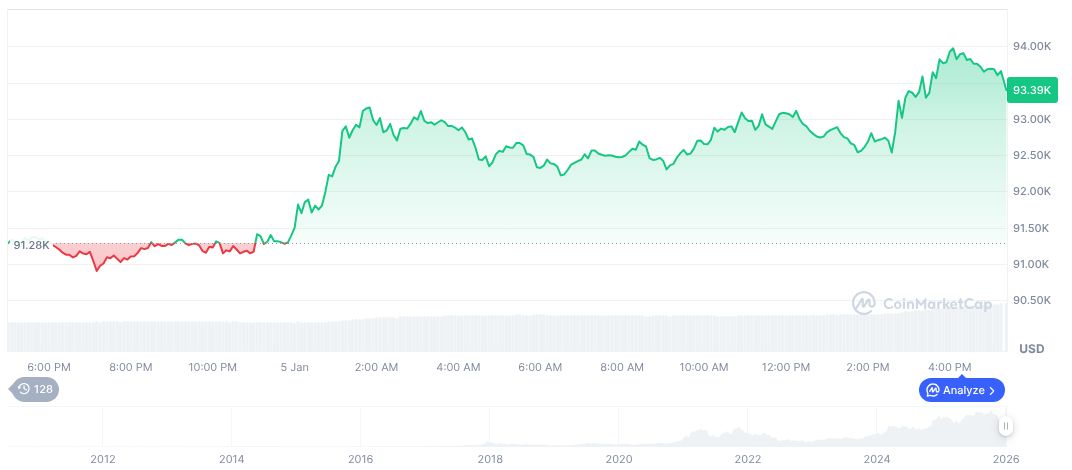
Insights from Coincu suggest Japan’s regulatory move may propel similar globally coordinated efforts, enhancing market transparency. Historical precedents show gradual acceptance and adaptation in regulated frameworks can foster investor confidence and market stability.
| DISCLAIMER: The information on this website is provided as general market commentary and does not constitute investment advice. We encourage you to do your own research before investing. |

No tags available.


Other Posts









- Amplify 2024: Ohio’s Premier Blockchain Summit
- Polymarket Announces U.S. Beta Relaunch Amid Market Buzz
- China, US Conclude Trade Talks with Focus on Cooperation
- Michael Saylor Denies Bitcoin Sell-Off Amid Large BTC Transfer
- Court Upholds Fed’s Rejection of Custodia Bank’s Request
- EU Opens Antitrust Probe Into Deutsche Boerse and Nasdaq Derivatives Dealings
- Kazakhstan Explores Crypto Reserves Backed by National Funds
- Nordea Bank Introduces Bitcoin ETP Trading for Nordic Customers
- JPMorgan Increases Holdings in BlackRock’s Bitcoin ETF
- XRP Spot ETF Launches on Nasdaq Amid Market Fluctuations
- JPMorgan Chase Launches 24/7 Digital Deposit Token for Clients
- Crypto Leaders Address Macro Volatility Amid Market Shifts
- Former CFO Convicted for $35M Fraudulent Crypto Investment
- Peter Schiff Challenges Michael Saylor on MSTR’s Business Model
- U.S. Treasury Proposes New Tax Relief Regulations
- Japan to Reduce Cryptocurrency Tax to 20%
- Amazon seeks to raise about $12 billion through a U.S. bond offering
- Radiant Capital Faces $50M Loss in Major Security Breach
- SEGG Media Unveils $300 Million Crypto Reserve Plan
- 21Shares Files S-1 With SEC to Launch Hyperliquid ($HYPE) ETF
- Amplify 2024: Ohio’s Premier Blockchain Summit
- Polymarket Announces U.S. Beta Relaunch Amid Market Buzz
- China, US Conclude Trade Talks with Focus on Cooperation
- Michael Saylor Denies Bitcoin Sell-Off Amid Large BTC Transfer
- Court Upholds Fed’s Rejection of Custodia Bank’s Request
- EU Opens Antitrust Probe Into Deutsche Boerse and Nasdaq Derivatives Dealings
- Kazakhstan Explores Crypto Reserves Backed by National Funds
- Nordea Bank Introduces Bitcoin ETP Trading for Nordic Customers
- JPMorgan Increases Holdings in BlackRock’s Bitcoin ETF
- XRP Spot ETF Launches on Nasdaq Amid Market Fluctuations
- JPMorgan Chase Launches 24/7 Digital Deposit Token for Clients
- Crypto Leaders Address Macro Volatility Amid Market Shifts
- Former CFO Convicted for $35M Fraudulent Crypto Investment
- Peter Schiff Challenges Michael Saylor on MSTR’s Business Model
- U.S. Treasury Proposes New Tax Relief Regulations
- Japan to Reduce Cryptocurrency Tax to 20%
- Amazon seeks to raise about $12 billion through a U.S. bond offering
- Radiant Capital Faces $50M Loss in Major Security Breach
- SEGG Media Unveils $300 Million Crypto Reserve Plan
- 21Shares Files S-1 With SEC to Launch Hyperliquid ($HYPE) ETF
- Amplify 2024: Ohio’s Premier Blockchain Summit
- Polymarket Announces U.S. Beta Relaunch Amid Market Buzz
- China, US Conclude Trade Talks with Focus on Cooperation
- Michael Saylor Denies Bitcoin Sell-Off Amid Large BTC Transfer
- Court Upholds Fed’s Rejection of Custodia Bank’s Request
- EU Opens Antitrust Probe Into Deutsche Boerse and Nasdaq Derivatives Dealings
- Kazakhstan Explores Crypto Reserves Backed by National Funds
- Nordea Bank Introduces Bitcoin ETP Trading for Nordic Customers
- JPMorgan Increases Holdings in BlackRock’s Bitcoin ETF
- XRP Spot ETF Launches on Nasdaq Amid Market Fluctuations
- JPMorgan Chase Launches 24/7 Digital Deposit Token for Clients
- Crypto Leaders Address Macro Volatility Amid Market Shifts
- Former CFO Convicted for $35M Fraudulent Crypto Investment
- Peter Schiff Challenges Michael Saylor on MSTR’s Business Model
- U.S. Treasury Proposes New Tax Relief Regulations
- Japan to Reduce Cryptocurrency Tax to 20%
- Amazon seeks to raise about $12 billion through a U.S. bond offering
- Radiant Capital Faces $50M Loss in Major Security Breach
- SEGG Media Unveils $300 Million Crypto Reserve Plan
- 21Shares Files S-1 With SEC to Launch Hyperliquid ($HYPE) ETF
Latest











Press Release
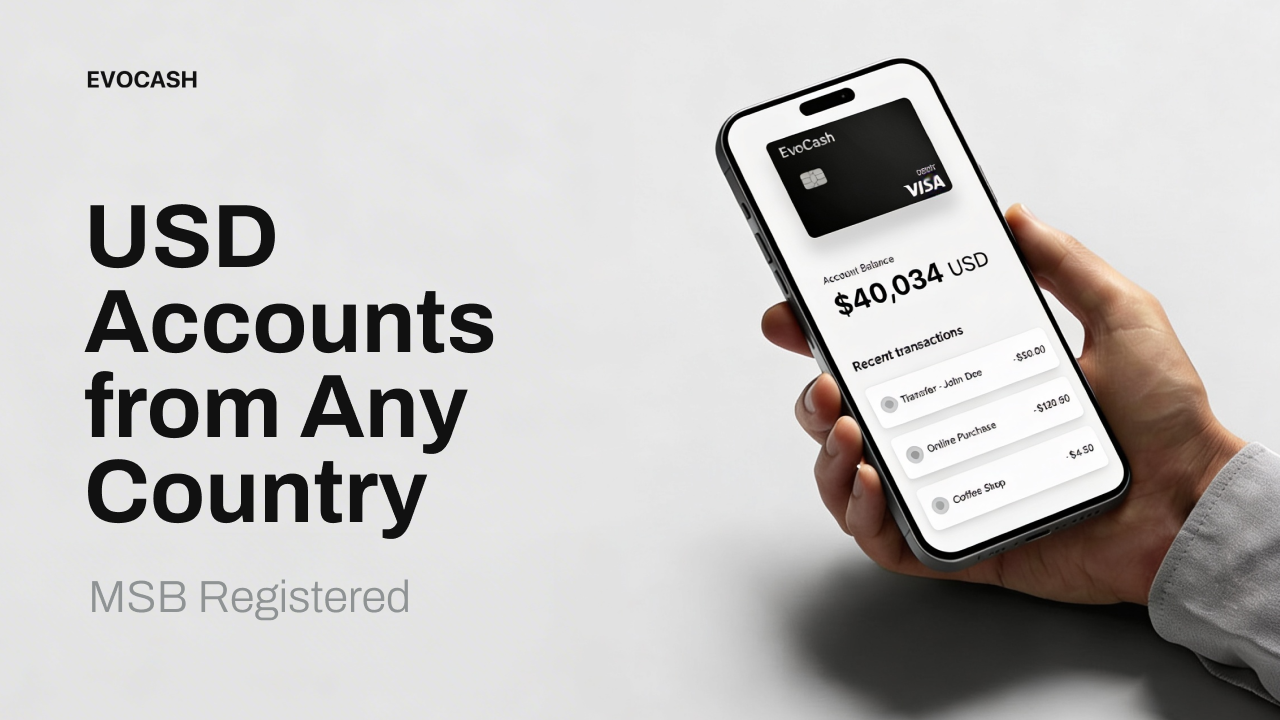
EvoCash Launches USD-Denominated Accounts with Real-Time Crypto-to-Fiat Conversion
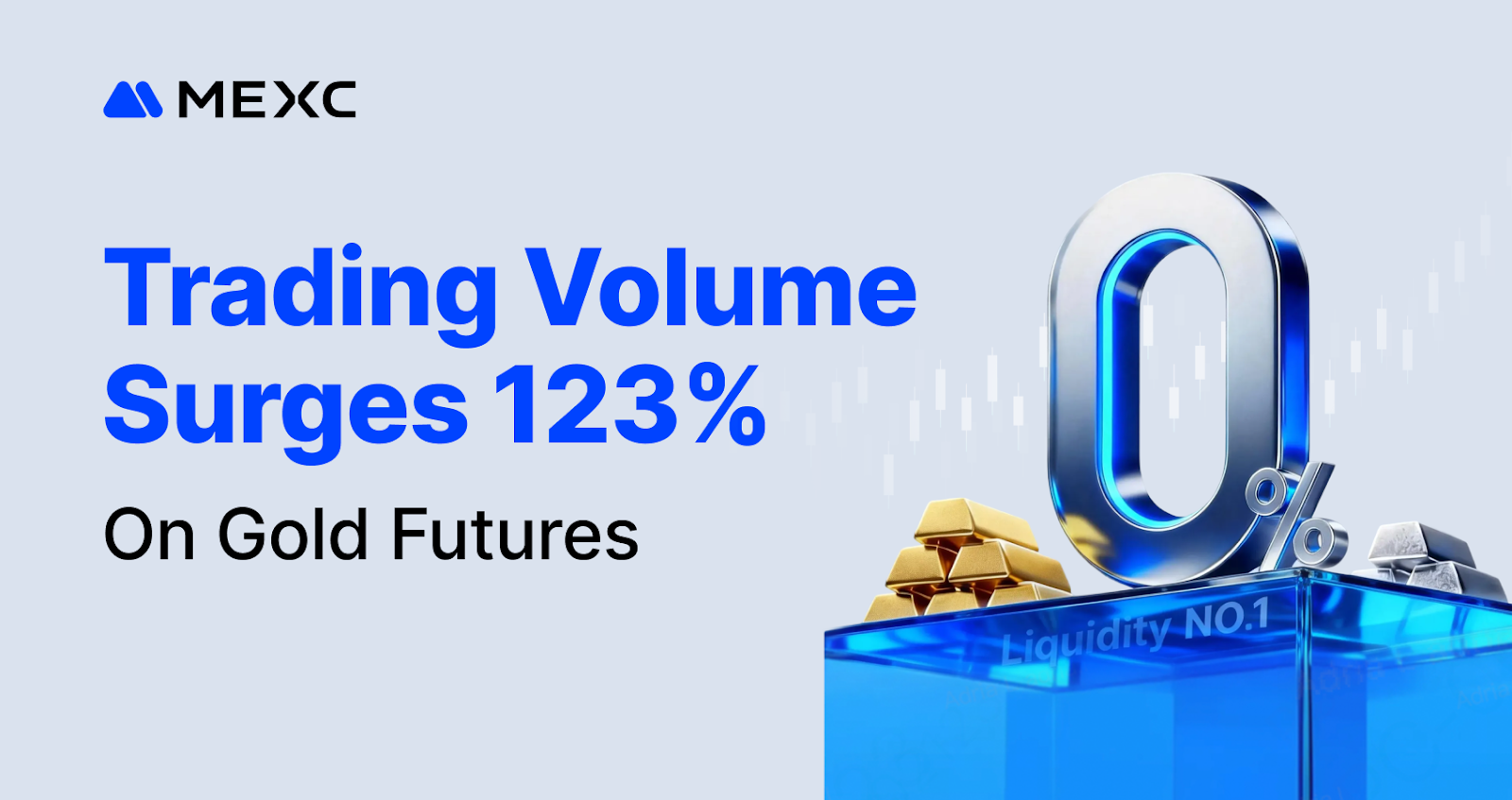
MEXC Gold Futures Up 123%; Geopolitical Uncertainty Fuels Crypto-Metal Derivatives Surge
