Morgan Stanley Plans Tokenized Stock Trading on Alternative Trading System in H2 2026
Morgan Stanley plans to support tokenized stock trading on its alternative trading system in the second half of 2026, making it one of the first bulge-bracket banks to bring blockchain-based equity settlement into a regulated U.S. trading venue. The announcement, delivered by Amy Oldenburg, the firm’s Head of Digital Asset Strategy, at the Digital Asset Summit in New York on March 24, 2026, signals that Wall Street’s largest institutions are no longer experimenting with tokenization but actively building infrastructure to deploy it.
Tokenized Asset Market — 2030 Projection
$16 Trillion
Projected value of tokenized illiquid assets by 2030, per BCG & ADDX — a market Morgan Stanley’s ATS move directly positions it to serve.
What Morgan Stanley Actually Announced
Morgan Stanley’s ATS currently supports trading in equities, ETFs, and American Depositary Receipts. The firm plans to expand this existing venue to handle tokenized versions of those same instruments, a move Oldenburg described as “a natural base for expansion.”
An alternative trading system is a SEC-regulated venue that matches buy and sell orders for securities outside of national exchanges like the NYSE or Nasdaq. ATSs operate under Regulation ATS, which requires the operator to register as a broker-dealer with the SEC and file Form ATS, a lighter regulatory burden than running a full national securities exchange.
The distinction matters. Morgan Stanley is not launching a new crypto exchange. It is upgrading an existing, regulated trading venue to support blockchain-settled versions of traditional securities. The platform upgrade is internally referred to as the “trajectory cross.”
Alongside the ATS expansion, Morgan Stanley is also developing a proprietary digital wallet, targeted for the same H2 2026 window, designed to store tokenized stocks, bonds, real estate, and crypto assets. The firm manages approximately $8 trillion in assets, giving any infrastructure it builds immediate scale.
“We’ve been on a journey around the entire modernization of financial infrastructure for years,” Oldenburg said at the summit. “We need to build this internally. We can’t just rent the technology.”
How Tokenized Stock Trading on a Blockchain ATS Works
Tokenized stocks represent traditional equity ownership claims recorded as blockchain tokens rather than entries in a centralized ledger. The underlying security remains the same, but the settlement mechanism changes: blockchain-based settlement can compress the traditional T+1 settlement cycle to near-real-time.
For Morgan Stanley’s ATS, this means buy and sell orders for tokenized equities would be matched on the platform, with ownership transfers recorded on-chain. The result is faster settlement, potential for fractional ownership, and 24/7 availability, none of which are possible on legacy infrastructure.
Morgan Stanley has not disclosed which blockchain or tokenization technology stack it will use. It also has not confirmed whether the platform will be open to retail investors or limited to institutional participants. The custody framework for tokenized shares must comply with SEC Rule 15c3-3, which governs how broker-dealers safeguard customer securities.
Existing competitors in the regulated tokenized securities space include tZERO and INX, both operating as SEC-registered ATSs for digital asset securities. Morgan Stanley’s entry would bring a fundamentally different scale of liquidity and client base to the market.
Oldenburg acknowledged the complexity: “We are having to re-teach ourselves what legacy infrastructure, pipes and plumbing look like.”
The Regulatory Shift That Made This Possible
Morgan Stanley’s move did not happen in a vacuum. The SEC issued a no-action letter on December 11, 2025, allowing the Depository Trust and Clearing Corporation to tokenize major equities and ETFs. That letter created the foundational regulatory clearance for institutions to build tokenized securities trading infrastructure without fear of enforcement action.
The Nasdaq filed a proposed rule change with the Federal Register on January 30, 2026, to enable tokenized securities trading under a DTCC pilot program. The NYSE has separately announced plans for a 24/7 blockchain-based trading venue for tokenized stocks and ETFs, also targeting 2026.
This is not a single firm’s initiative. Morgan Stanley, NYSE, Nasdaq, and Fidelity are all pushing tokenized ATS infrastructure simultaneously, a convergence that signals coordinated industry-wide modernization. Fidelity has separately called on the SEC for specific guidance on broker-dealers facilitating tokenized securities on ATSs.
The SEC’s Crypto Task Force is actively developing guidance on ATS frameworks for tokenized securities, including how intermediated and disintermediated trading venues can coexist. ATSs offer a regulatory pathway that is already well-understood by both the SEC and FINRA, reducing the approval risk for firms like Morgan Stanley.
Morgan Stanley has also filed for spot Bitcoin, Ethereum, and Solana ETFs with the SEC, and is rolling out spot crypto trading through E*TRADE. Oldenburg framed the firm’s broader strategy as long-term infrastructure work, not trend-chasing: “It really is very early innings.”
What This Means for Tokenized Asset Protocols and RWA Tokens
The entry of a firm managing $8 trillion in assets into tokenized equities trading has direct implications for blockchain protocols positioned to serve institutional tokenization. Ethereum remains the dominant settlement layer for institutional tokenized assets; BlackRock’s BUIDL fund and Franklin Templeton’s BENJI both run on Ethereum-based infrastructure.
RWA-focused protocols such as Ondo Finance, Maple Finance, and Centrifuge operate in adjacent tokenized securities and lending markets. A regulated ATS from Morgan Stanley could dramatically expand secondary market liquidity for tokenized equities, something that has been the primary bottleneck for the RWA sector. Institutional adoption of Ethereum staking infrastructure has been accelerating in parallel, reinforcing the network’s role as the institutional settlement layer of choice.
The difference between a regulated ATS and existing DEX-based RWA trading is significant. A Morgan Stanley ATS operates within SEC-supervised infrastructure with KYC/AML compliance, custodial protections, and order matching standards that institutional allocators require. This is a bridge between traditional finance and on-chain markets, not a replacement for decentralized trading.
The broader crypto market has faced significant liquidation pressure in recent weeks, with the Fear and Greed Index sitting at 11, deep in Extreme Fear territory. The contrast is notable: Wall Street is building tokenization infrastructure while retail sentiment has cratered.
What to Watch Before the ATS Goes Live
Morgan Stanley’s H2 2026 target leaves roughly six to nine months of regulatory and technical build time. Several concrete milestones must be met before tokenized trading can begin.
First, the firm must file an updated Form ATS with the SEC reflecting the expanded scope of its trading system. FINRA approval for the modified ATS operations is also required. These filings are public records and will provide the first verifiable confirmation that the project is on track.
Second, Morgan Stanley must establish a custody framework for tokenized securities that satisfies SEC Rule 15c3-3. Whether the firm builds proprietary custody or partners with an existing qualified custodian will shape the architecture of the entire platform.
Third, pending Congressional digital asset legislation could alter the regulatory landscape before launch. The current macroeconomic policy environment, with the Fed widely expected to hold rates steady, adds another layer of uncertainty to institutional deployment timelines.
Oldenburg was candid about the systemic complexity: “We can’t just modernize on our own. This is an incredibly complex, integrated global network.”
Delays are plausible. Crypto and TradFi audiences alike are accustomed to institutional timelines slipping. The verifiable markers to track are the Form ATS filing, any SEC or FINRA public notices related to Morgan Stanley’s digital asset trading operations, and whether the DTCC pilot program referenced in Nasdaq’s rule filing proceeds on schedule.
Morgan Stanley Tokenized Equities — Target Launch
H2 2026
Second half of 2026 is the stated window for Morgan Stanley to begin supporting tokenized stock trading on its alternative trading system (ATS).
FAQ: Morgan Stanley Tokenized Stock Trading
What is an alternative trading system and how does it differ from a stock exchange?
An ATS is a SEC-regulated trading venue that matches buy and sell orders for securities but is not registered as a national securities exchange. ATSs operate under lighter regulatory requirements (Regulation ATS) and are commonly used by institutional investors for block trades and dark pool activity.
Will retail investors have access to Morgan Stanley’s tokenized stock trading platform?
Morgan Stanley has not confirmed whether the tokenized ATS will be available to retail clients. The firm’s existing ATS primarily serves institutional participants, but its parallel development of a consumer-facing digital wallet and E*TRADE crypto integration suggest retail access may follow.
Which blockchain will Morgan Stanley use for tokenized stock trading?
Morgan Stanley has not disclosed its blockchain or tokenization technology stack. Institutional peers have favored Ethereum and permissioned Ethereum-based networks; BlackRock’s BUIDL and Franklin Templeton’s BENJI both use Ethereum infrastructure.
How does Morgan Stanley’s plan compare to BlackRock’s BUIDL or other tokenized asset products?
BlackRock’s BUIDL tokenizes money market fund shares, while Morgan Stanley’s ATS would support tokenized equity trading, a fundamentally different use case. BUIDL is a tokenized fund product; Morgan Stanley is building a regulated secondary market where tokenized stocks can be actively traded.
Disclaimer: This article is for informational purposes only and does not constitute financial or investment advice. Cryptocurrency and digital asset markets carry significant risk. Always do your own research before making decisions.

No tags available.


Other Posts









- Amplify 2024: Ohio’s Premier Blockchain Summit
- Polymarket Announces U.S. Beta Relaunch Amid Market Buzz
- China, US Conclude Trade Talks with Focus on Cooperation
- Crypto Weekly: NYSE Backs OKX, Kraken Gets Fed Access, BTC Sells
- Michael Saylor Denies Bitcoin Sell-Off Amid Large BTC Transfer
- Court Upholds Fed’s Rejection of Custodia Bank’s Request
- EU Opens Antitrust Probe Into Deutsche Boerse and Nasdaq Derivatives Dealings
- Kazakhstan Explores Crypto Reserves Backed by National Funds
- Nordea Bank Introduces Bitcoin ETP Trading for Nordic Customers
- JPMorgan Increases Holdings in BlackRock’s Bitcoin ETF
- XRP Spot ETF Launches on Nasdaq Amid Market Fluctuations
- JPMorgan Chase Launches 24/7 Digital Deposit Token for Clients
- Crypto Leaders Address Macro Volatility Amid Market Shifts
- Former CFO Convicted for $35M Fraudulent Crypto Investment
- Peter Schiff Challenges Michael Saylor on MSTR’s Business Model
- Thailand Orders Worldcoin to Delete 1.2 Million Biometric Records
- U.S. Treasury Proposes New Tax Relief Regulations
- UK Proposes New DeFi Tax Framework to Ease User Burden
- Uniswap’s UNIfication Proposal Gains Massive Preliminary Support
- WLFI Under Fire: Analyst Warns Hyperliquid Could Be Next
- Amplify 2024: Ohio’s Premier Blockchain Summit
- Polymarket Announces U.S. Beta Relaunch Amid Market Buzz
- China, US Conclude Trade Talks with Focus on Cooperation
- Crypto Weekly: NYSE Backs OKX, Kraken Gets Fed Access, BTC Sells
- Michael Saylor Denies Bitcoin Sell-Off Amid Large BTC Transfer
- Court Upholds Fed’s Rejection of Custodia Bank’s Request
- EU Opens Antitrust Probe Into Deutsche Boerse and Nasdaq Derivatives Dealings
- Kazakhstan Explores Crypto Reserves Backed by National Funds
- Nordea Bank Introduces Bitcoin ETP Trading for Nordic Customers
- JPMorgan Increases Holdings in BlackRock’s Bitcoin ETF
- XRP Spot ETF Launches on Nasdaq Amid Market Fluctuations
- JPMorgan Chase Launches 24/7 Digital Deposit Token for Clients
- Crypto Leaders Address Macro Volatility Amid Market Shifts
- Former CFO Convicted for $35M Fraudulent Crypto Investment
- Peter Schiff Challenges Michael Saylor on MSTR’s Business Model
- Thailand Orders Worldcoin to Delete 1.2 Million Biometric Records
- U.S. Treasury Proposes New Tax Relief Regulations
- UK Proposes New DeFi Tax Framework to Ease User Burden
- Uniswap’s UNIfication Proposal Gains Massive Preliminary Support
- WLFI Under Fire: Analyst Warns Hyperliquid Could Be Next
- Amplify 2024: Ohio’s Premier Blockchain Summit
- Polymarket Announces U.S. Beta Relaunch Amid Market Buzz
- China, US Conclude Trade Talks with Focus on Cooperation
- Crypto Weekly: NYSE Backs OKX, Kraken Gets Fed Access, BTC Sells
- Michael Saylor Denies Bitcoin Sell-Off Amid Large BTC Transfer
- Court Upholds Fed’s Rejection of Custodia Bank’s Request
- EU Opens Antitrust Probe Into Deutsche Boerse and Nasdaq Derivatives Dealings
- Kazakhstan Explores Crypto Reserves Backed by National Funds
- Nordea Bank Introduces Bitcoin ETP Trading for Nordic Customers
- JPMorgan Increases Holdings in BlackRock’s Bitcoin ETF
- XRP Spot ETF Launches on Nasdaq Amid Market Fluctuations
- JPMorgan Chase Launches 24/7 Digital Deposit Token for Clients
- Crypto Leaders Address Macro Volatility Amid Market Shifts
- Former CFO Convicted for $35M Fraudulent Crypto Investment
- Peter Schiff Challenges Michael Saylor on MSTR’s Business Model
- Thailand Orders Worldcoin to Delete 1.2 Million Biometric Records
- U.S. Treasury Proposes New Tax Relief Regulations
- UK Proposes New DeFi Tax Framework to Ease User Burden
- Uniswap’s UNIfication Proposal Gains Massive Preliminary Support
- WLFI Under Fire: Analyst Warns Hyperliquid Could Be Next
Latest
Morgan Stanley Plans Tokenized Stock Trading on Alternative Trading System in H2 2026

Crypto Market Sees $150M in Liquidations in 24 Hours as Longs Bear the Brunt

CME FedWatch: 91.7% Probability Fed Holds Interest Rates Unchanged in April 2026








Press Release
NeoPass unveils a compliant solution for accessing digital assets across the CIS region
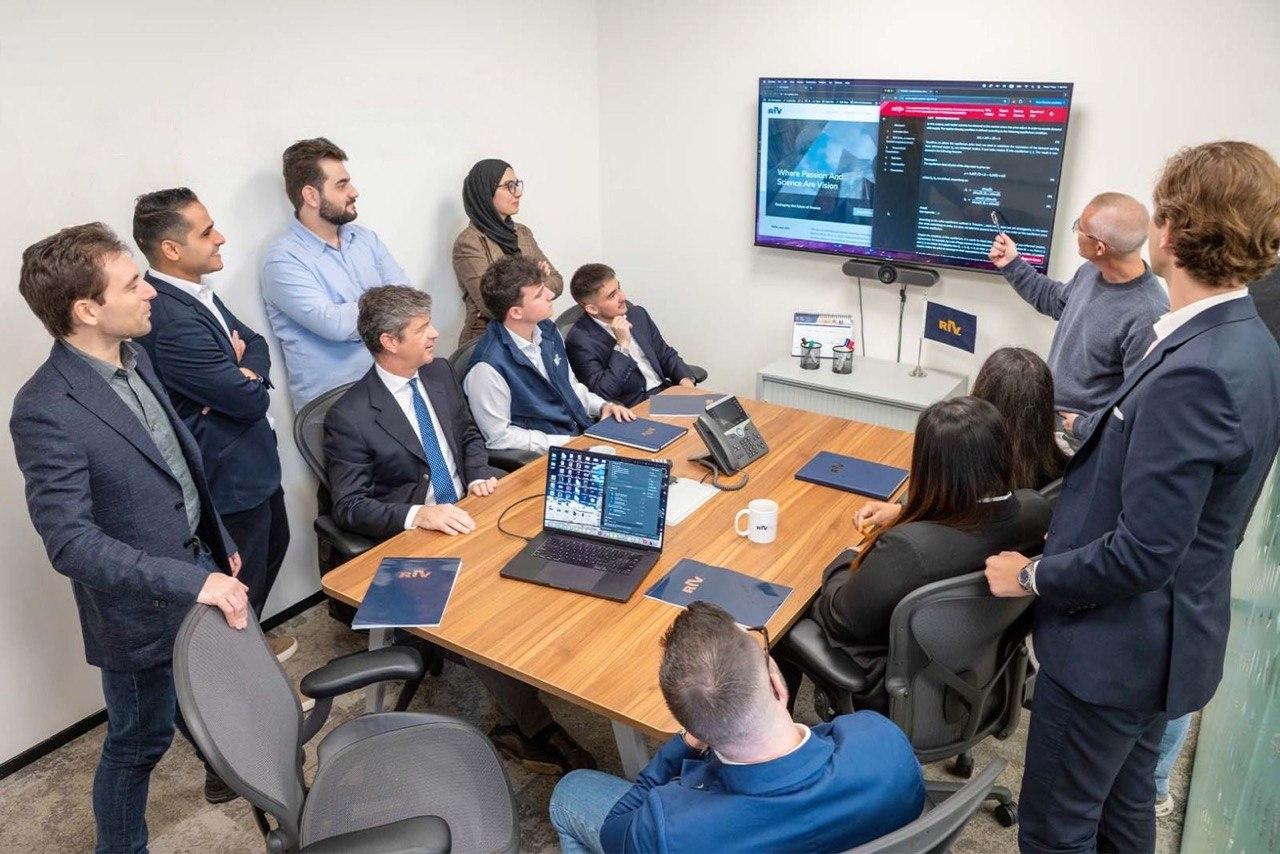
RIV Coin Launches on Solana to Bridge Institutional Capital with DeFi Infrastructure