Trump NATO Iran: U.S. says no NATO help needed
On March 17, 2026, Donald Trump said most NATO allies do not want to take part in U.S.-led strikes on Iran and that Washington no longer needs allied support. He also signaled that assistance from partners in Europe and the Indo-Pacific was neither required nor sought for the operation.
The statement separates NATO’s institutional role from individual member-government decisions and frames allied participation as optional. It also positions the U.S. campaign as operationally self-sufficient, regardless of European or broader coalition involvement.
Why this matters for NATO’s role and cohesion
NATO’s mandate is collective defense. Article 5 is triggered by an armed attack on a member state; it does not automatically cover offensive operations launched by an ally outside a collective-defense context. In this case, there has been no alliance decision to invoke Article 5.
As reported by AP news, European officials have repeatedly stressed NATO is a defensive alliance and warned that rhetoric questioning allied roles can undercut solidarity. Divergent national positions on allied participation and base access intensify that cohesion risk.
Immediate impact: Sánchez base denial; Italy legality; Rutte praise
Spain has denied U.S. forces access to the Rota and Morón bases for operations against Iran, a stance associated with Prime Minister Pedro Sánchez’s “no to war” framing. according to Wikipedia, Madrid’s refusal prompted threats of U.S. trade sanctions, underscoring the diplomatic cost of base-access decisions.
Italy has questioned the legality of U.S.-led strikes. As reported by The Washington Post, Defense Minister Guido Crosetto said the actions were “well outside the rules of international law,” adding that Europeans were neither consulted nor asked to participate.
NATO’s Secretary-General Mark Rutte privately praised what he called decisive U.S. action in Iran and urged allies to raise defense outlays to 5% of GDP. As reported by Le Monde, several European observers viewed the message as aligning the alliance more closely with U.S. demands, even as formal NATO policy remains defensive.
Trump emphasized the unilateral posture of the campaign in his own words. “WE DO NOT NEED THE HELP OF ANYONE!” said Donald Trump in a March 17, 2026 Truth Social post.
Legal context and alliance cohesion risks
Does NATO Article 5 cover U.S.-led strikes on Iran?
Article 5 requires an armed attack against a NATO member and a political decision to act collectively; it does not self-activate for U.S.-initiated offensive strikes. Under the UN Charter’s Article 51, states may use force in self-defense if an armed attack occurs. Without a collective-defense trigger or UN authorization, allied participation becomes a national, not NATO, decision, heightening legal and political divergence within the alliance.
European legal objections and base-access decisions summarized
Italy has framed the campaign as incompatible with international law, while noting Europe’s limited leverage over U.S. and Israeli actions. Spain’s denial of base access, and the resulting sanctions threat, illustrates how legal objections translate into operational constraints. Rutte’s praise for U.S. action contrasts with those objections, revealing a split between assertive support and legalistic caution.
FAQ about Trump NATO Iran
Which NATO members have refused to participate or denied base access to the U.S.?
Spain denied U.S. use of Rota and Morón bases. Italy criticized the legality of U.S.-led strikes and said Europeans were not asked to join.
Does NATO support offensive action against Iran, and does Article 5 apply?
NATO is a defensive alliance. Article 5 addresses collective defense after an armed attack on a member; it does not automatically apply to offensive U.S.-led strikes on Iran.
| DISCLAIMER: The information on this website is provided as general market commentary and does not constitute investment advice. We encourage you to do your own research before investing. |


Other Posts









- Amplify 2024: Ohio’s Premier Blockchain Summit
- Polymarket Announces U.S. Beta Relaunch Amid Market Buzz
- China, US Conclude Trade Talks with Focus on Cooperation
- Crypto Weekly: NYSE Backs OKX, Kraken Gets Fed Access, BTC Sells
- CELO holds as Celo reviews Opera 160M token claim
- DeriW Launches Edge Hour Trading Competition Platform for Derivatives Traders
- Michael Saylor Denies Bitcoin Sell-Off Amid Large BTC Transfer
- Court Upholds Fed’s Rejection of Custodia Bank’s Request
- EU Opens Antitrust Probe Into Deutsche Boerse and Nasdaq Derivatives Dealings
- Kazakhstan Explores Crypto Reserves Backed by National Funds
- JPMorgan Increases Holdings in BlackRock’s Bitcoin ETF
- Nordea Bank Introduces Bitcoin ETP Trading for Nordic Customers
- XRP Spot ETF Launches on Nasdaq Amid Market Fluctuations
- JPMorgan Chase Launches 24/7 Digital Deposit Token for Clients
- Crypto Leaders Address Macro Volatility Amid Market Shifts
- Former CFO Convicted for $35M Fraudulent Crypto Investment
- Peter Schiff Challenges Michael Saylor on MSTR’s Business Model
- Thailand Orders Worldcoin to Delete 1.2 Million Biometric Records
- UK Proposes New DeFi Tax Framework to Ease User Burden
- U.S. Treasury Proposes New Tax Relief Regulations
- Amplify 2024: Ohio’s Premier Blockchain Summit
- Polymarket Announces U.S. Beta Relaunch Amid Market Buzz
- China, US Conclude Trade Talks with Focus on Cooperation
- Crypto Weekly: NYSE Backs OKX, Kraken Gets Fed Access, BTC Sells
- CELO holds as Celo reviews Opera 160M token claim
- DeriW Launches Edge Hour Trading Competition Platform for Derivatives Traders
- Michael Saylor Denies Bitcoin Sell-Off Amid Large BTC Transfer
- Court Upholds Fed’s Rejection of Custodia Bank’s Request
- EU Opens Antitrust Probe Into Deutsche Boerse and Nasdaq Derivatives Dealings
- Kazakhstan Explores Crypto Reserves Backed by National Funds
- JPMorgan Increases Holdings in BlackRock’s Bitcoin ETF
- Nordea Bank Introduces Bitcoin ETP Trading for Nordic Customers
- XRP Spot ETF Launches on Nasdaq Amid Market Fluctuations
- JPMorgan Chase Launches 24/7 Digital Deposit Token for Clients
- Crypto Leaders Address Macro Volatility Amid Market Shifts
- Former CFO Convicted for $35M Fraudulent Crypto Investment
- Peter Schiff Challenges Michael Saylor on MSTR’s Business Model
- Thailand Orders Worldcoin to Delete 1.2 Million Biometric Records
- UK Proposes New DeFi Tax Framework to Ease User Burden
- U.S. Treasury Proposes New Tax Relief Regulations
- Amplify 2024: Ohio’s Premier Blockchain Summit
- Polymarket Announces U.S. Beta Relaunch Amid Market Buzz
- China, US Conclude Trade Talks with Focus on Cooperation
- Crypto Weekly: NYSE Backs OKX, Kraken Gets Fed Access, BTC Sells
- CELO holds as Celo reviews Opera 160M token claim
- DeriW Launches Edge Hour Trading Competition Platform for Derivatives Traders
- Michael Saylor Denies Bitcoin Sell-Off Amid Large BTC Transfer
- Court Upholds Fed’s Rejection of Custodia Bank’s Request
- EU Opens Antitrust Probe Into Deutsche Boerse and Nasdaq Derivatives Dealings
- Kazakhstan Explores Crypto Reserves Backed by National Funds
- JPMorgan Increases Holdings in BlackRock’s Bitcoin ETF
- Nordea Bank Introduces Bitcoin ETP Trading for Nordic Customers
- XRP Spot ETF Launches on Nasdaq Amid Market Fluctuations
- JPMorgan Chase Launches 24/7 Digital Deposit Token for Clients
- Crypto Leaders Address Macro Volatility Amid Market Shifts
- Former CFO Convicted for $35M Fraudulent Crypto Investment
- Peter Schiff Challenges Michael Saylor on MSTR’s Business Model
- Thailand Orders Worldcoin to Delete 1.2 Million Biometric Records
- UK Proposes New DeFi Tax Framework to Ease User Burden
- U.S. Treasury Proposes New Tax Relief Regulations
Latest



BIT: Ethereum Call Option Selling Pressure Rises as Volatility Falls








Press Release
CoinRabbit Reduces Crypto Lending Rates for XRP Loans and 300+ Assets
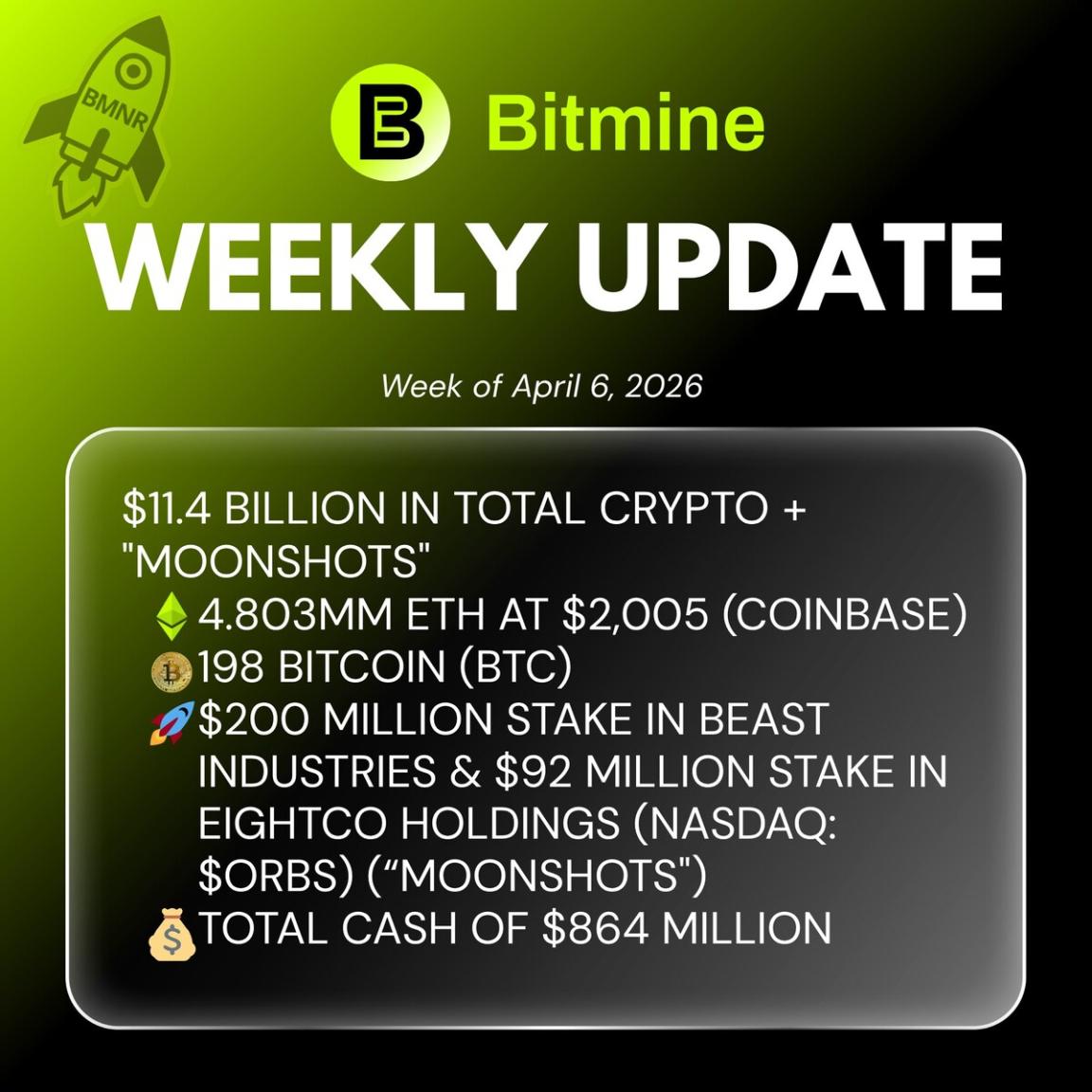
Bitmine Immersion Technologies (BMNR) Announces ETH Holdings Reach 4.803 Million Tokens, and Total Crypto and Total Cash Holdings of $11.4 Billion