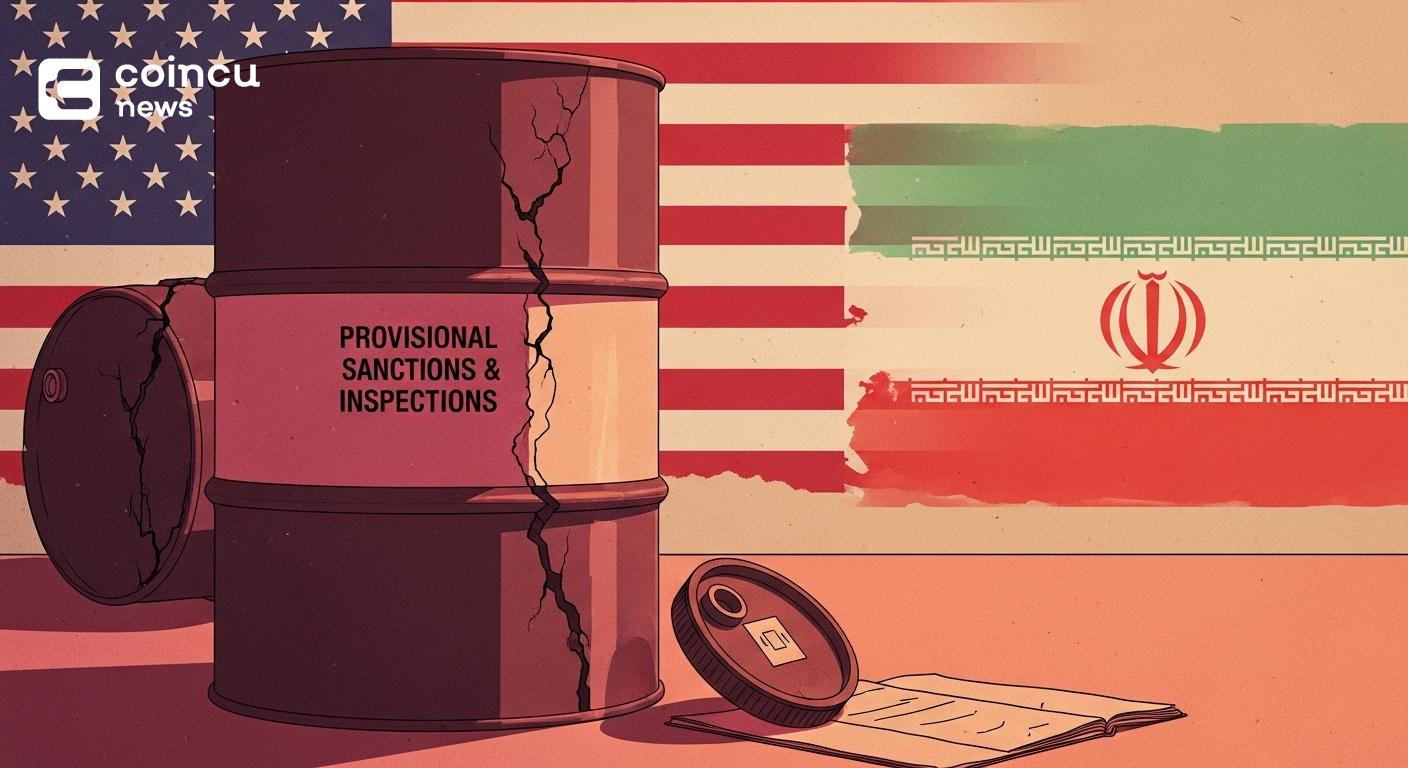
US‑Iran indirect talks in Geneva focus on enrichment, inspections, sanctions relief
The Swiss Foreign Ministry says the United States and Iran will hold a second round of indirect talks in Geneva on Tuesday, focused on Tehran’s nuclear program. The agenda, according to officials, centers on uranium enrichment parameters, International Atomic Energy Agency (IAEA) inspection access, and calibrated sanctions relief tied to verification.
Iran has signaled readiness to discuss compromises on enrichment levels provided sanctions are addressed in tandem, as reported by Gulf News. Oman is mediating and described prior exchanges as useful for clarifying positions, according to the country’s Foreign Ministry.
The format remains indirect, with mediators shuttling messages to manage sensitivities. Scope control is a key design choice: negotiators are prioritizing nuclear-specific issues to preserve momentum and avoid derailment by unrelated files.
Why this round matters: credible verification mechanisms and sanctions sequencing
Verification and sequencing will define whether any understanding is operational. The basic formula under consideration is step-by-step nuclear constraints verified by inspectors, followed by proportionate and reversible sanctions measures once compliance is confirmed.
Discussions include IAEA pathways that could expand monitoring and data continuity, consistent with safeguards. This matters because credible, time-bound verification is the trigger that would unlock any phased relief.
Against that backdrop, Iranian officials have stressed the need for a non-escalatory setting before technical details can advance. After emphasizing that Tehran is prepared to discuss enrichment levels rather than a halt, said Abbas Araghchi, Foreign Minister of Iran, “any dialogue must be conducted in a calm atmosphere, without tension and without threats.”
At the multilateral level, United Nations Secretary‑General António Guterres welcomed the resumption of contacts and framed the process as a potential de‑escalation channel. His comments underscore the expectation that verification, not rhetoric, will determine traction.
Immediate impact: mediators, scope control, and next procedural steps
Mediators are concentrating on scope discipline, keeping ballistic missiles and regional files off the immediate table, to preserve a narrow corridor for nuclear risk reduction. Turkey’s Foreign Minister Hakan Fidan cautioned that adding those issues could jeopardize progress, while acknowledging flexibility on enrichment limits and inspections.
Procedurally, the next steps may involve establishing a technical working group to draft a verification framework and outline reciprocal steps. WANA said it is monitoring developments closely, indicating that process signals could emerge even without a formal communique.
The sanctions‑compliance environment remains stringent. Based on data from Chainalysis, Iranian‑linked wallets received a record $7.8 billion in 2025, while TRM Labs has estimated Iran’s crypto activity at roughly $8–10 billion last year. These figures explain why any sanctions sequencing will likely hinge on measurable, inspector‑verified nuclear steps and demonstrable enforcement against evasion.
What progress may look like and how it could be verified
Markers of progress: technical working group and verification framework draft
Concrete markers would include forming a joint technical working group, publishing a draft verification framework, and tabling an indicative timetable for reciprocal steps. Even a brief procedural note could signal traction.
Substantively, a framework would identify enrichment ceilings, centrifuge operations, monitoring modalities, data continuity, and milestones that trigger measured sanctions steps. Clarity on triggers and reversibility would be essential for both sides.
IAEA verification pathways and inspection access under discussion
IAEA‑anchored options could blend continuous monitoring at key facilities with short‑notice access, material accountancy, and environmental sampling. Reinstalling or upgrading cameras and seals would help restore data gaps.
Inspection access might be tiered: routine safeguards complemented by time‑bound, facility‑specific measures during the confidence‑building phase. Regular inspector reporting would serve as the objective basis for any phased relief.
FAQ about US‑Iran indirect talks in Geneva
What limits on uranium enrichment are being discussed and how would inspections be carried out?
Negotiators are weighing caps on enrichment levels and centrifuge operations, with IAEA monitoring and short‑notice access providing verification under safeguards.
What forms of sanctions relief are on the table and what verification mechanisms would trigger them?
Phased, reversible relief is being discussed, unlocked by inspector‑verified milestones on enrichment, monitoring, and access, with compliance checks preceding each step.
| DISCLAIMER: The information on this website is provided as general market commentary and does not constitute investment advice. We encourage you to do your own research before investing. |


Other Posts









- Amplify 2024: Ohio’s Premier Blockchain Summit
- Polymarket Announces U.S. Beta Relaunch Amid Market Buzz
- China, US Conclude Trade Talks with Focus on Cooperation
- Crypto Weekly: NYSE Backs OKX, Kraken Gets Fed Access, BTC Sells
- CELO holds as Celo reviews Opera 160M token claim
- Michael Saylor Denies Bitcoin Sell-Off Amid Large BTC Transfer
- Court Upholds Fed’s Rejection of Custodia Bank’s Request
- EU Opens Antitrust Probe Into Deutsche Boerse and Nasdaq Derivatives Dealings
- Kazakhstan Explores Crypto Reserves Backed by National Funds
- JPMorgan Increases Holdings in BlackRock’s Bitcoin ETF
- Nordea Bank Introduces Bitcoin ETP Trading for Nordic Customers
- XRP Spot ETF Launches on Nasdaq Amid Market Fluctuations
- JPMorgan Chase Launches 24/7 Digital Deposit Token for Clients
- Crypto Leaders Address Macro Volatility Amid Market Shifts
- Former CFO Convicted for $35M Fraudulent Crypto Investment
- Peter Schiff Challenges Michael Saylor on MSTR’s Business Model
- Thailand Orders Worldcoin to Delete 1.2 Million Biometric Records
- U.S. Treasury Proposes New Tax Relief Regulations
- UK Proposes New DeFi Tax Framework to Ease User Burden
- Uniswap’s UNIfication Proposal Gains Massive Preliminary Support
- Amplify 2024: Ohio’s Premier Blockchain Summit
- Polymarket Announces U.S. Beta Relaunch Amid Market Buzz
- China, US Conclude Trade Talks with Focus on Cooperation
- Crypto Weekly: NYSE Backs OKX, Kraken Gets Fed Access, BTC Sells
- CELO holds as Celo reviews Opera 160M token claim
- Michael Saylor Denies Bitcoin Sell-Off Amid Large BTC Transfer
- Court Upholds Fed’s Rejection of Custodia Bank’s Request
- EU Opens Antitrust Probe Into Deutsche Boerse and Nasdaq Derivatives Dealings
- Kazakhstan Explores Crypto Reserves Backed by National Funds
- JPMorgan Increases Holdings in BlackRock’s Bitcoin ETF
- Nordea Bank Introduces Bitcoin ETP Trading for Nordic Customers
- XRP Spot ETF Launches on Nasdaq Amid Market Fluctuations
- JPMorgan Chase Launches 24/7 Digital Deposit Token for Clients
- Crypto Leaders Address Macro Volatility Amid Market Shifts
- Former CFO Convicted for $35M Fraudulent Crypto Investment
- Peter Schiff Challenges Michael Saylor on MSTR’s Business Model
- Thailand Orders Worldcoin to Delete 1.2 Million Biometric Records
- U.S. Treasury Proposes New Tax Relief Regulations
- UK Proposes New DeFi Tax Framework to Ease User Burden
- Uniswap’s UNIfication Proposal Gains Massive Preliminary Support
- Amplify 2024: Ohio’s Premier Blockchain Summit
- Polymarket Announces U.S. Beta Relaunch Amid Market Buzz
- China, US Conclude Trade Talks with Focus on Cooperation
- Crypto Weekly: NYSE Backs OKX, Kraken Gets Fed Access, BTC Sells
- CELO holds as Celo reviews Opera 160M token claim
- Michael Saylor Denies Bitcoin Sell-Off Amid Large BTC Transfer
- Court Upholds Fed’s Rejection of Custodia Bank’s Request
- EU Opens Antitrust Probe Into Deutsche Boerse and Nasdaq Derivatives Dealings
- Kazakhstan Explores Crypto Reserves Backed by National Funds
- JPMorgan Increases Holdings in BlackRock’s Bitcoin ETF
- Nordea Bank Introduces Bitcoin ETP Trading for Nordic Customers
- XRP Spot ETF Launches on Nasdaq Amid Market Fluctuations
- JPMorgan Chase Launches 24/7 Digital Deposit Token for Clients
- Crypto Leaders Address Macro Volatility Amid Market Shifts
- Former CFO Convicted for $35M Fraudulent Crypto Investment
- Peter Schiff Challenges Michael Saylor on MSTR’s Business Model
- Thailand Orders Worldcoin to Delete 1.2 Million Biometric Records
- U.S. Treasury Proposes New Tax Relief Regulations
- UK Proposes New DeFi Tax Framework to Ease User Burden
- Uniswap’s UNIfication Proposal Gains Massive Preliminary Support
Latest

BTC and ETH Funding Rates Stay Bearish Across CEX and DEX as Market Sentiment Sags

Coinbase Prediction Markets Backlash: CEO Brian Armstrong Apologizes, Blames Bug

CLARITY Act Failure Could Trigger Stronger US Encryption Supervision, Analysts Warn








Press Release
TxFlow L1 Mainnet Launch Marks a New Phase for Multi-Application On-Chain Finance
Novava Launches a Game-Changing Futures-First Crypto Exchange for Serious Traders