Strait of Hormuz not fully closed; Iran claims selective blockade
Iran says the waterway is closed only to “enemy” vessels, not universally. as reported by S&P Global, the stated target set includes ships tied to the U.S., Israel and certain European states, indicating a selective approach rather than a blanket shutdown.
At least one oil tanker has transited the strait again, consistent with a policy that distinguishes among vessels by ownership or affiliation. Even so, operators remain cautious as they weigh routing, crew safety, and cover.
Traffic has slowed as many companies pause to reassess conditions. Al‑Monitor noted that uncertainty over war‑risk exposure and the credibility of threats has curbed transits despite the absence of a declared full closure.
Why it matters: energy flows, insurance risk, legal and EU concerns
The strait is a critical conduit for global energy flows, and even selective restrictions can tighten available tonnage, extend voyage times, and amplify logistics costs. The practical impact often emerges through higher risk pricing and disrupted scheduling rather than formal blockades.
According to the White House, policy tools under discussion include potential warship escorts, political‑risk insurance, and financial guarantees to maintain energy throughput; to date, no escort missions have been confirmed. Any support package would primarily influence operator confidence, premium levels, and chartering decisions.
The European Parliament has formally questioned the economic and logistical fallout for EU shipping, highlighting concerns over rising insurance costs and the need to safeguard freedom of navigation. That inquiry signals a coordinated regulatory and diplomatic response may be considered if selective restrictions persist.
As summarized by MarineLink, attempts to impede a strait used for international navigation raise legal issues under widely cited maritime norms on transit passage. Targeting vessels by nationality also heightens escalation risks and could trigger countermeasures under international law.
Immediate impact: oil tanker pauses, war-risk concerns, no escorts
As reported by CNBC, many shipowners have paused or deferred Hormuz transits while monitoring security developments. War‑risk premiums, P&I club conditions, and charter‑party clauses are shaping whether cargoes wait, reroute, or proceed at higher cost.
Iranian messaging has been explicit about threats to certain ships. Brig. Gen. Ebrahim Jabari, a senior adviser within Iran’s Revolutionary Guard, said: “We will set those ships on fire.”
Some market analysts argue a total shutdown remains unlikely given economic self‑harm. Vandana Hari, founder of Vanda Insights, called the probability of a full closure “absolutely minimalistic,” pointing to strong incentives not to sever flows entirely.
What to watch next and operator guidance
BIMCO monitoring, insurance and routing decisions shaping transits
Industry security guidance continues to be tracked as owners reassess day‑to‑day risk. The availability and price of war‑risk cover, together with P&I and reinsurance posture, will likely determine whether voyages resume, delay, or divert. Charterers may adjust load points, speeds, and schedules where feasible to control exposure.
Legal framing and potential responses to selective restrictions
Selective transit limits focus attention on transit‑passage norms and the potential for diplomatic démarches or risk‑mitigation schemes. Andrew Bishop of Signum Global Advisors assessed that Tehran may aim to disrupt flows enough to raise prices without provoking a large‑scale response, underscoring the calibrated nature of current signals.
FAQ about Strait of Hormuz
Are oil tankers currently transiting the strait and under what flags or ownership?
Some transits reportedly resumed, but many operators paused. Specific flags or owners are not confirmed in available reporting.
Have the U.S. or allies launched naval escort missions for tankers through Hormuz?
No confirmed escort missions. The White House discussed potential escorts and guarantees, but none have been deployed to date.
| DISCLAIMER: The information on this website is provided as general market commentary and does not constitute investment advice. We encourage you to do your own research before investing. |


Other Posts









- Amplify 2024: Ohio’s Premier Blockchain Summit
- Polymarket Announces U.S. Beta Relaunch Amid Market Buzz
- China, US Conclude Trade Talks with Focus on Cooperation
- Crypto Weekly: NYSE Backs OKX, Kraken Gets Fed Access, BTC Sells
- CELO holds as Celo reviews Opera 160M token claim
- DeriW Launches Edge Hour Trading Competition Platform for Derivatives Traders
- Michael Saylor Denies Bitcoin Sell-Off Amid Large BTC Transfer
- Court Upholds Fed’s Rejection of Custodia Bank’s Request
- EU Opens Antitrust Probe Into Deutsche Boerse and Nasdaq Derivatives Dealings
- Kazakhstan Explores Crypto Reserves Backed by National Funds
- JPMorgan Increases Holdings in BlackRock’s Bitcoin ETF
- Nordea Bank Introduces Bitcoin ETP Trading for Nordic Customers
- XRP Spot ETF Launches on Nasdaq Amid Market Fluctuations
- JPMorgan Chase Launches 24/7 Digital Deposit Token for Clients
- Crypto Leaders Address Macro Volatility Amid Market Shifts
- Former CFO Convicted for $35M Fraudulent Crypto Investment
- Peter Schiff Challenges Michael Saylor on MSTR’s Business Model
- Thailand Orders Worldcoin to Delete 1.2 Million Biometric Records
- UK Proposes New DeFi Tax Framework to Ease User Burden
- U.S. Treasury Proposes New Tax Relief Regulations
- Amplify 2024: Ohio’s Premier Blockchain Summit
- Polymarket Announces U.S. Beta Relaunch Amid Market Buzz
- China, US Conclude Trade Talks with Focus on Cooperation
- Crypto Weekly: NYSE Backs OKX, Kraken Gets Fed Access, BTC Sells
- CELO holds as Celo reviews Opera 160M token claim
- DeriW Launches Edge Hour Trading Competition Platform for Derivatives Traders
- Michael Saylor Denies Bitcoin Sell-Off Amid Large BTC Transfer
- Court Upholds Fed’s Rejection of Custodia Bank’s Request
- EU Opens Antitrust Probe Into Deutsche Boerse and Nasdaq Derivatives Dealings
- Kazakhstan Explores Crypto Reserves Backed by National Funds
- JPMorgan Increases Holdings in BlackRock’s Bitcoin ETF
- Nordea Bank Introduces Bitcoin ETP Trading for Nordic Customers
- XRP Spot ETF Launches on Nasdaq Amid Market Fluctuations
- JPMorgan Chase Launches 24/7 Digital Deposit Token for Clients
- Crypto Leaders Address Macro Volatility Amid Market Shifts
- Former CFO Convicted for $35M Fraudulent Crypto Investment
- Peter Schiff Challenges Michael Saylor on MSTR’s Business Model
- Thailand Orders Worldcoin to Delete 1.2 Million Biometric Records
- UK Proposes New DeFi Tax Framework to Ease User Burden
- U.S. Treasury Proposes New Tax Relief Regulations
- Amplify 2024: Ohio’s Premier Blockchain Summit
- Polymarket Announces U.S. Beta Relaunch Amid Market Buzz
- China, US Conclude Trade Talks with Focus on Cooperation
- Crypto Weekly: NYSE Backs OKX, Kraken Gets Fed Access, BTC Sells
- CELO holds as Celo reviews Opera 160M token claim
- DeriW Launches Edge Hour Trading Competition Platform for Derivatives Traders
- Michael Saylor Denies Bitcoin Sell-Off Amid Large BTC Transfer
- Court Upholds Fed’s Rejection of Custodia Bank’s Request
- EU Opens Antitrust Probe Into Deutsche Boerse and Nasdaq Derivatives Dealings
- Kazakhstan Explores Crypto Reserves Backed by National Funds
- JPMorgan Increases Holdings in BlackRock’s Bitcoin ETF
- Nordea Bank Introduces Bitcoin ETP Trading for Nordic Customers
- XRP Spot ETF Launches on Nasdaq Amid Market Fluctuations
- JPMorgan Chase Launches 24/7 Digital Deposit Token for Clients
- Crypto Leaders Address Macro Volatility Amid Market Shifts
- Former CFO Convicted for $35M Fraudulent Crypto Investment
- Peter Schiff Challenges Michael Saylor on MSTR’s Business Model
- Thailand Orders Worldcoin to Delete 1.2 Million Biometric Records
- UK Proposes New DeFi Tax Framework to Ease User Burden
- U.S. Treasury Proposes New Tax Relief Regulations
Latest



BIT: Ethereum Call Option Selling Pressure Rises as Volatility Falls








Press Release
CoinRabbit Reduces Crypto Lending Rates for XRP Loans and 300+ Assets
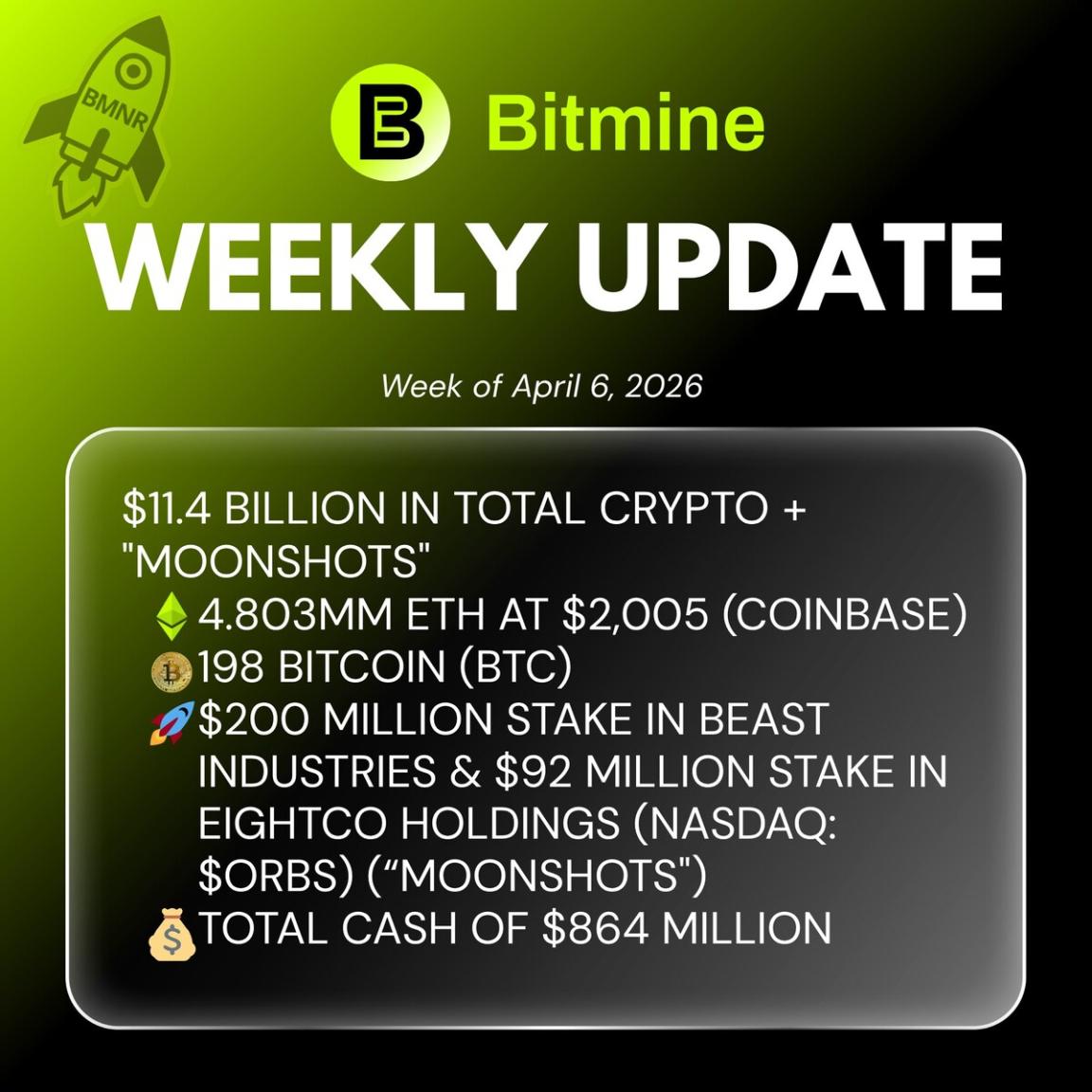
Bitmine Immersion Technologies (BMNR) Announces ETH Holdings Reach 4.803 Million Tokens, and Total Crypto and Total Cash Holdings of $11.4 Billion