OKX launches HOOD, TSLA, MSTR stock perpetuals with 5× leverage
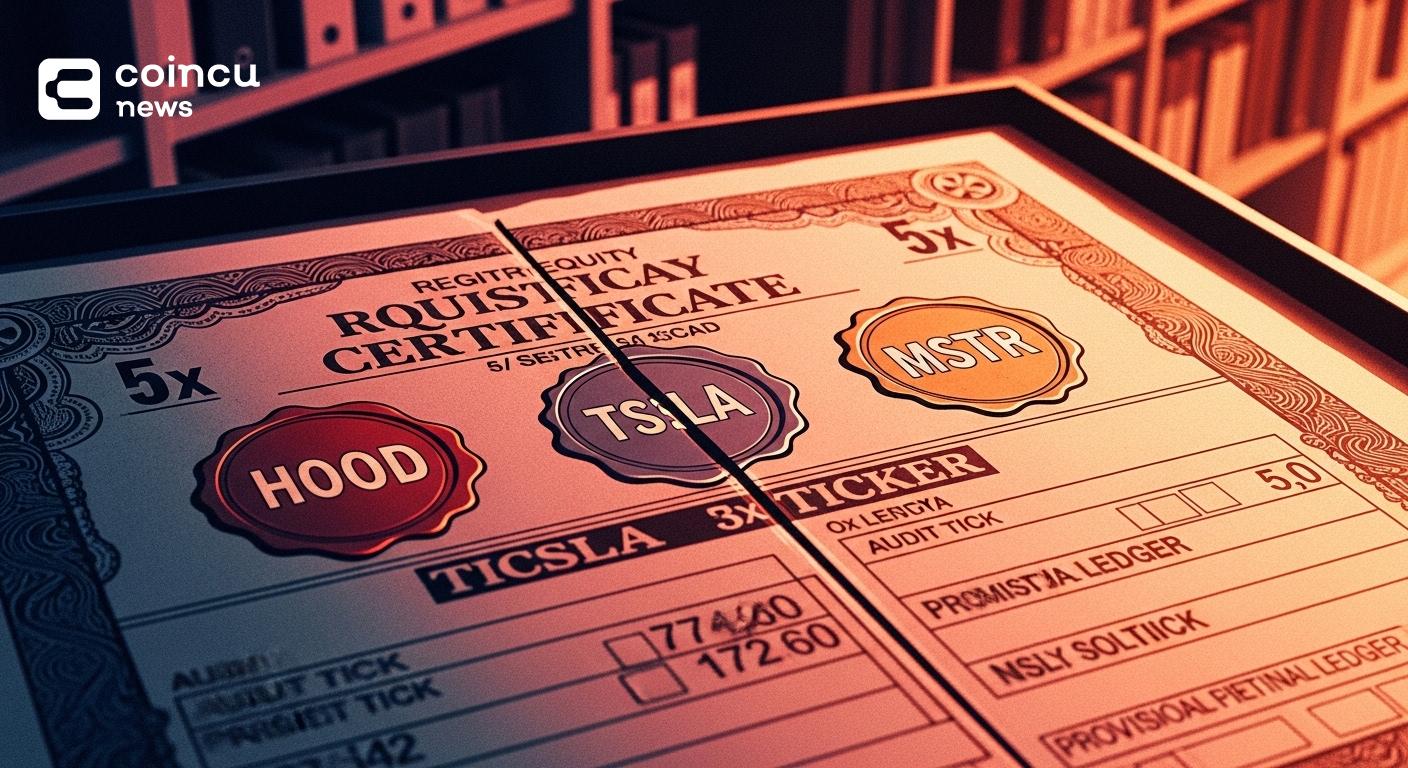
OKX will launch stock perpetual contract trading for Robinhood (HOOD), Tesla (TSLA), and MicroStrategy (MSTR) with a maximum of 5× leverage. The announcement sets February 25, 2026 at 3:00 PM (UTC+8) for availability on the web platform, mobile app, and via API, as reported by AICoin.
These are equity-linked perpetual contracts, which differ from traditional dated futures by not expiring and typically using funding payments to align contract prices with an underlying index. That structure concentrates risk management on margin, funding, and liquidation mechanics rather than roll dates.
Why this 5× stock-perp launch matters for traders
A 5× leverage cap can temper extreme risk while still enabling directional or hedge strategies on volatile equities. For high-beta names like TSLA and MSTR, lower leverage increases the buffer to liquidation compared with higher-gear instruments.
The product also extends crypto-exchange access to equity-linked exposure without traditional brokerage rails. However, public commentary from major regulators or large financial institutions specific to this launch has been minimal at this early stage.
Regulatory context remains a factor for equity-linked derivatives offered by crypto platforms; in a separate context, OKX previously delayed an on-chain perpetuals launch citing regulatory concerns, as reported by Cointelegraph. That history suggests jurisdictional review and product design choices, such as leverage caps, may reflect risk and compliance considerations.
As contextual market background for one of the underlyings, coverage on February 17, 2026 noted recent weakness in MSTR shares. “Strategy (MSTR) has drawn fresh attention after recent price moves, with the share price down about 26% over the past month and 31% over the past 3 months,” said Simply Wall St.
Immediate impact: launch date, time, and access on OKX
Per the announcement already referenced, trading is scheduled to open on February 25, 2026 at 3:00 PM (UTC+8). Access will be available simultaneously on OKX’s web interface, mobile application, and through API connectivity for programmatic execution.
For traders, the immediate implications are operational. Order-routing, collateral allocation, and risk controls can be configured ahead of the opening window to mitigate slippage and early-session volatility.
Contract specs, access channels, and what traders should know
Contract specs: settlement, index pricing, funding, fees, and margin
The available announcement did not include detailed specifications on settlement currency, index price sources, funding cadence, fee schedules, or margin methodology. Final parameters will determine funding costs, basis behavior, and liquidation thresholds.
Perpetual contracts commonly rely on periodic funding payments and index-price composites, but the precise mechanics here were not disclosed. Traders should review OKX’s contract documentation once posted and calibrate position sizing to initial and maintenance margin rules.
How to trade via web, app, and API on OKX
Access is slated for OKX’s web terminal, mobile app, and API at the stated launch time. API availability implies support for systematic strategies subject to platform rate limits and authentication.
Participants should ensure account readiness, including any required KYC/AML checks and jurisdictional eligibility, before routing orders. Post-launch, monitor funding, margin utilization, and auto-deleverage indicators.
FAQ about OKX stock perpetual contracts
Are these stock perpetuals available to U.S. residents, and what geo-restrictions or KYC rules apply?
The announcement did not specify U.S. eligibility. Access typically depends on jurisdiction and KYC requirements. Users should confirm their account’s regional permissions before trading.
How does a 5x leverage cap impact liquidation risk on volatile names like TSLA and MSTR?
Lower leverage increases distance to liquidation, improving resilience to price swings. On volatile equities, a 5× cap can reduce forced unwinds compared with higher-leverage instruments.
| DISCLAIMER: The information on this website is provided as general market commentary and does not constitute investment advice. We encourage you to do your own research before investing. |


Other Posts








- Amplify 2024: Ohio’s Premier Blockchain Summit
- Polymarket Announces U.S. Beta Relaunch Amid Market Buzz
- China, US Conclude Trade Talks with Focus on Cooperation
- Crypto Weekly: NYSE Backs OKX, Kraken Gets Fed Access, BTC Sells
- CELO holds as Celo reviews Opera 160M token claim
- DeriW Launches Edge Hour Trading Competition Platform for Derivatives Traders
- Michael Saylor Denies Bitcoin Sell-Off Amid Large BTC Transfer
- Court Upholds Fed’s Rejection of Custodia Bank’s Request
- EU Opens Antitrust Probe Into Deutsche Boerse and Nasdaq Derivatives Dealings
- Kazakhstan Explores Crypto Reserves Backed by National Funds
- JPMorgan Increases Holdings in BlackRock’s Bitcoin ETF
- Nordea Bank Introduces Bitcoin ETP Trading for Nordic Customers
- XRP Spot ETF Launches on Nasdaq Amid Market Fluctuations
- JPMorgan Chase Launches 24/7 Digital Deposit Token for Clients
- Crypto Leaders Address Macro Volatility Amid Market Shifts
- Former CFO Convicted for $35M Fraudulent Crypto Investment
- Peter Schiff Challenges Michael Saylor on MSTR’s Business Model
- Thailand Orders Worldcoin to Delete 1.2 Million Biometric Records
- UK Proposes New DeFi Tax Framework to Ease User Burden
- U.S. Treasury Proposes New Tax Relief Regulations
- Amplify 2024: Ohio’s Premier Blockchain Summit
- Polymarket Announces U.S. Beta Relaunch Amid Market Buzz
- China, US Conclude Trade Talks with Focus on Cooperation
- Crypto Weekly: NYSE Backs OKX, Kraken Gets Fed Access, BTC Sells
- CELO holds as Celo reviews Opera 160M token claim
- DeriW Launches Edge Hour Trading Competition Platform for Derivatives Traders
- Michael Saylor Denies Bitcoin Sell-Off Amid Large BTC Transfer
- Court Upholds Fed’s Rejection of Custodia Bank’s Request
- EU Opens Antitrust Probe Into Deutsche Boerse and Nasdaq Derivatives Dealings
- Kazakhstan Explores Crypto Reserves Backed by National Funds
- JPMorgan Increases Holdings in BlackRock’s Bitcoin ETF
- Nordea Bank Introduces Bitcoin ETP Trading for Nordic Customers
- XRP Spot ETF Launches on Nasdaq Amid Market Fluctuations
- JPMorgan Chase Launches 24/7 Digital Deposit Token for Clients
- Crypto Leaders Address Macro Volatility Amid Market Shifts
- Former CFO Convicted for $35M Fraudulent Crypto Investment
- Peter Schiff Challenges Michael Saylor on MSTR’s Business Model
- Thailand Orders Worldcoin to Delete 1.2 Million Biometric Records
- UK Proposes New DeFi Tax Framework to Ease User Burden
- U.S. Treasury Proposes New Tax Relief Regulations
- Amplify 2024: Ohio’s Premier Blockchain Summit
- Polymarket Announces U.S. Beta Relaunch Amid Market Buzz
- China, US Conclude Trade Talks with Focus on Cooperation
- Crypto Weekly: NYSE Backs OKX, Kraken Gets Fed Access, BTC Sells
- CELO holds as Celo reviews Opera 160M token claim
- DeriW Launches Edge Hour Trading Competition Platform for Derivatives Traders
- Michael Saylor Denies Bitcoin Sell-Off Amid Large BTC Transfer
- Court Upholds Fed’s Rejection of Custodia Bank’s Request
- EU Opens Antitrust Probe Into Deutsche Boerse and Nasdaq Derivatives Dealings
- Kazakhstan Explores Crypto Reserves Backed by National Funds
- JPMorgan Increases Holdings in BlackRock’s Bitcoin ETF
- Nordea Bank Introduces Bitcoin ETP Trading for Nordic Customers
- XRP Spot ETF Launches on Nasdaq Amid Market Fluctuations
- JPMorgan Chase Launches 24/7 Digital Deposit Token for Clients
- Crypto Leaders Address Macro Volatility Amid Market Shifts
- Former CFO Convicted for $35M Fraudulent Crypto Investment
- Peter Schiff Challenges Michael Saylor on MSTR’s Business Model
- Thailand Orders Worldcoin to Delete 1.2 Million Biometric Records
- UK Proposes New DeFi Tax Framework to Ease User Burden
- U.S. Treasury Proposes New Tax Relief Regulations
Latest
Michael Saylor: Strategy’s 2.05% Bitcoin Return Can Create ‘Infinite Cycle’

Press Release

Polkadot’s $145M Legacy vs. DOGEBALL’s Future: These are the Best Cryptos to Buy Now
Enhanced Secures $1M in Strategic Pre-Seed Funding to Bring Structured Yield to More Assets Onchain