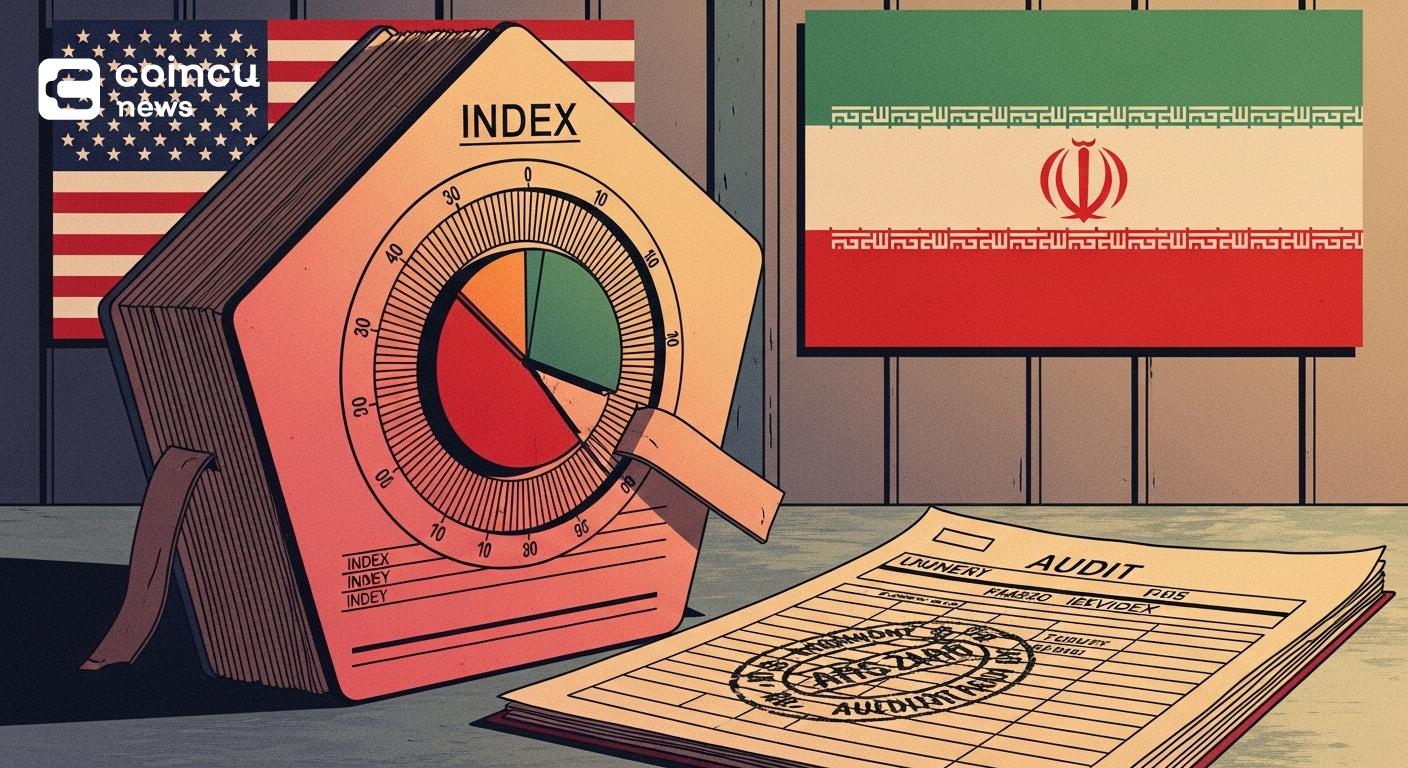
Pentagon Pizza Index signaled U.S. strikes on Iran, with caveats
An informal “pentagon pizza Index”, tracking Google Maps busyness at pizza shops near the Pentagon, drew attention by appearing to spike ahead of the June 2025 U.S. strikes on Iran. As reported by news/what-pentagon-pizza-meter-and-can-it-predict-wars?utm_source=openai” target=”_blank” rel=”nofollow noopener”>The New Arab, the social media project highlighting these spikes gained viral traction after the operations.
However, correlation does not establish causation. Selection bias, data noise, and routine late-night staffing can all produce similar patterns. Pentagon officials have publicly rejected the idea that pizza activity forecasts operations, underscoring the need for caution.
Why this OSINT signal matters and common confounders
The Pizza Index sits within open-source intelligence (OSINT), where indirect, observable patterns can hint at institutional activity. Analysts caution that such signals are only useful when triangulated against timelines, baselines, and independent datasets.
Before drawing conclusions, it is essential to test for false positives driven by holidays, weather, local events, shift changes, or transportation disruptions. Wikipedia’s coverage of the theory captures these concerns, urging a broader evidence base to avoid overfitting and confirmation bias.
In that spirit, one researcher has emphasized restraint and context. “It is one of many indicators rather than a reliable predictor,” said Ryan Fedasiuk, Georgetown Security Studies Program, as reported by Washingtonian.
Immediate takeaways and how to validate the claim
Treat the Pentagon Pizza Index as a hypothesis generator, not a forecast. Start by timestamping the busyness spikes, aligning them to known public events and official statements, and comparing to non-crisis control periods.
Next, check alternative indicators that should co-move if the signal is real, such as building access hours, late transit usage, or neighboring food venues, while respecting operational security and legal boundaries. If these do not align, the case for causality weakens.
Document the false-positive rate by testing multiple months and unrelated news cycles. If spikes routinely occur without subsequent operations, the index’s standalone value likely diminishes.
At the time of this writing, Bitcoin (BTC) was quoted near $63,910, a reminder that OSINT-driven risk headlines can ripple into digital-asset sentiment even when causal links are uncertain.
How the Pentagon Pizza Index purportedly works
Signal source: Google Maps busyness data near Pentagon pizza venues
The method centers on monitoring Google Maps “busyness” scores at late-night pizza shops adjacent to the Pentagon, looking for unusual surges outside normal patterns. As explained by TBS News, the theory assumes staff working late might increase external food demand, making spikes a potential proxy for activity.
This approach relies on relative change versus a historical baseline to separate routine peaks from anomalous ones. Practitioners then compare anomalies against public timelines for major announcements or military movements.
Expert reactions and official dismissals
Expert commentary generally ranges from curious to skeptical, emphasizing correlation risks and the need for rigorous cross-checks. Institutional responses have been dismissive; according to The Times of India, Pentagon representatives argued external pizza orders are not a meaningful signal given internal food options.
Practically, both views point to the same operational standard: treat the Pizza Index as a weak, indirect clue that requires independent validation before any inference about government action.
FAQ about Pentagon Pizza Index
Did pizza order or busyness spikes actually precede the June 2025 U.S. strikes on Iran?
Yes, spikes were reported by OSINT trackers before the strikes, but officials have not confirmed causation, and the evidence remains circumstantial.
How reliable is Google Maps busyness data as an OSINT signal for government activity?
Useful only with corroboration. Without baselines and cross-indicators, busyness spikes are prone to false positives and confounding factors.
| DISCLAIMER: The information on this website is provided as general market commentary and does not constitute investment advice. We encourage you to do your own research before investing. |


Other Posts







- Amplify 2024: Ohio’s Premier Blockchain Summit
- Polymarket Announces U.S. Beta Relaunch Amid Market Buzz
- China, US Conclude Trade Talks with Focus on Cooperation
- Crypto Weekly: NYSE Backs OKX, Kraken Gets Fed Access, BTC Sells
- Michael Saylor Denies Bitcoin Sell-Off Amid Large BTC Transfer
- Court Upholds Fed’s Rejection of Custodia Bank’s Request
- EU Opens Antitrust Probe Into Deutsche Boerse and Nasdaq Derivatives Dealings
- Kazakhstan Explores Crypto Reserves Backed by National Funds
- Nordea Bank Introduces Bitcoin ETP Trading for Nordic Customers
- JPMorgan Increases Holdings in BlackRock’s Bitcoin ETF
- XRP Spot ETF Launches on Nasdaq Amid Market Fluctuations
- JPMorgan Chase Launches 24/7 Digital Deposit Token for Clients
- Crypto Leaders Address Macro Volatility Amid Market Shifts
- Former CFO Convicted for $35M Fraudulent Crypto Investment
- Peter Schiff Challenges Michael Saylor on MSTR’s Business Model
- U.S. Treasury Proposes New Tax Relief Regulations
- WLFI Under Fire: Analyst Warns Hyperliquid Could Be Next
- SEC Scrutiny on ALT5 Sigma’s Leadership Disclosure Timing
- Japan to Reduce Cryptocurrency Tax to 20%
- MoonPay Gains Trust License for Crypto Operations in New York
- Amplify 2024: Ohio’s Premier Blockchain Summit
- Polymarket Announces U.S. Beta Relaunch Amid Market Buzz
- China, US Conclude Trade Talks with Focus on Cooperation
- Crypto Weekly: NYSE Backs OKX, Kraken Gets Fed Access, BTC Sells
- Michael Saylor Denies Bitcoin Sell-Off Amid Large BTC Transfer
- Court Upholds Fed’s Rejection of Custodia Bank’s Request
- EU Opens Antitrust Probe Into Deutsche Boerse and Nasdaq Derivatives Dealings
- Kazakhstan Explores Crypto Reserves Backed by National Funds
- Nordea Bank Introduces Bitcoin ETP Trading for Nordic Customers
- JPMorgan Increases Holdings in BlackRock’s Bitcoin ETF
- XRP Spot ETF Launches on Nasdaq Amid Market Fluctuations
- JPMorgan Chase Launches 24/7 Digital Deposit Token for Clients
- Crypto Leaders Address Macro Volatility Amid Market Shifts
- Former CFO Convicted for $35M Fraudulent Crypto Investment
- Peter Schiff Challenges Michael Saylor on MSTR’s Business Model
- U.S. Treasury Proposes New Tax Relief Regulations
- WLFI Under Fire: Analyst Warns Hyperliquid Could Be Next
- SEC Scrutiny on ALT5 Sigma’s Leadership Disclosure Timing
- Japan to Reduce Cryptocurrency Tax to 20%
- MoonPay Gains Trust License for Crypto Operations in New York
- Amplify 2024: Ohio’s Premier Blockchain Summit
- Polymarket Announces U.S. Beta Relaunch Amid Market Buzz
- China, US Conclude Trade Talks with Focus on Cooperation
- Crypto Weekly: NYSE Backs OKX, Kraken Gets Fed Access, BTC Sells
- Michael Saylor Denies Bitcoin Sell-Off Amid Large BTC Transfer
- Court Upholds Fed’s Rejection of Custodia Bank’s Request
- EU Opens Antitrust Probe Into Deutsche Boerse and Nasdaq Derivatives Dealings
- Kazakhstan Explores Crypto Reserves Backed by National Funds
- Nordea Bank Introduces Bitcoin ETP Trading for Nordic Customers
- JPMorgan Increases Holdings in BlackRock’s Bitcoin ETF
- XRP Spot ETF Launches on Nasdaq Amid Market Fluctuations
- JPMorgan Chase Launches 24/7 Digital Deposit Token for Clients
- Crypto Leaders Address Macro Volatility Amid Market Shifts
- Former CFO Convicted for $35M Fraudulent Crypto Investment
- Peter Schiff Challenges Michael Saylor on MSTR’s Business Model
- U.S. Treasury Proposes New Tax Relief Regulations
- WLFI Under Fire: Analyst Warns Hyperliquid Could Be Next
- SEC Scrutiny on ALT5 Sigma’s Leadership Disclosure Timing
- Japan to Reduce Cryptocurrency Tax to 20%
- MoonPay Gains Trust License for Crypto Operations in New York
Latest









Press Release

Zoomex Outlines AI-Ready Liquidity and Execution Framework as Automated Trading Expands