Senate Banking Committee to Consider Warsh for Fed Chair on April 16
The U.S. Senate Banking Committee is reportedly planning to hold a nomination hearing for Kevin Warsh as Federal Reserve chair on April 16, 2026, a procedural milestone that could reshape monetary policy expectations across traditional and crypto markets alike.
CNBC reported on April 4, 2026, citing a person familiar with the matter, that the committee has targeted April 16 for the hearing. The report noted that the hearing was not yet listed on the committee’s public schedule and that both Warsh and a committee spokesman declined to comment.
The White House formally sent Warsh’s nomination to the Senate in March 2026. The filing included two separate nominations: one for the four-year Fed chair term and another for a fourteen-year term as a member of the Board of Governors starting February 1, 2026.
That dual-nomination structure is a detail most aggregators have missed. It means the Senate is considering not just who leads the Fed for the next four years, but who sits on the Board for potentially more than a decade.
What the Committee Step Means in the Confirmation Process
A Senate Banking Committee hearing is the first formal stage of the confirmation process, not the final one. During this session, senators question the nominee on policy positions, regulatory philosophy, and potential conflicts of interest.
If the committee votes to advance Warsh’s nomination, it then moves to a full Senate floor vote. Only after that vote would Warsh be confirmed as Fed chair.
Senate Banking Committee Chairman Tim Scott has signaled support for moving the process forward. In a statement on the committee’s website, Scott said he looked forward to leading a “thoughtful, timely confirmation process.”
“Federal Reserve independence remains paramount, and I am confident Kevin will work to instill confidence and credibility in the Fed’s monetary policy.”
— Tim Scott, Chairman, Senate Banking Committee
Not all senators share Scott’s enthusiasm. All eleven Democratic members of the committee called on Scott to delay the Warsh nomination hearing until investigations involving current Fed Board members Jerome Powell and Lisa Cook were closed.
That February 3, 2026 letter from the minority caucus frames the hearing as premature. The political tension around the confirmation adds uncertainty to the timeline even if the April 16 date holds.
Who Is Warsh and Why the Fed Chair Role Matters
Warsh previously served as a Fed governor from 2006 to 2011, a period that included the 2008 financial crisis. He was nominated by President Trump to lead the central bank, and the White House released a roundup of reactions from policy and industry figures praising the pick.
The Fed chair sets the tone for interest rate decisions, liquidity conditions, and forward guidance that ripples through every asset class. A change in leadership can shift market expectations well before any policy action is taken.
Senator Cynthia Lummis, who chairs the Senate’s digital assets subcommittee, offered her own take on the nomination:
I look forward to hearing Kevin Warsh’s plans to undertake needed reforms to make the Fed more transparent and accountable to Congress.
My statement ⬇️⬇️ pic.twitter.com/rt28eNxF8C
— Senator Cynthia Lummis (@SenLummis) January 30, 2026
Source: @SenLummis on X
Lummis’s emphasis on transparency and accountability signals that the confirmation hearing could surface questions about the Fed’s approach to digital asset regulation and stablecoin oversight, areas where she has been a vocal advocate for clearer rules.
Why Crypto and Macro Markets Care About the Nomination
Fed leadership transitions create a window where market participants reassess assumptions about the rate path, balance sheet policy, and regulatory posture toward financial innovation. Even before a new chair takes office, the confirmation process itself can shift expectations.
For Bitcoin and the broader crypto market, the key transmission channels are interest rates, dollar liquidity, and risk appetite. A Fed chair perceived as more hawkish could strengthen the dollar and tighten financial conditions, which historically pressures risk assets including crypto.
The Fed’s recent warnings about low employment growth and geopolitical risk have already put markets on edge. A leadership change at the central bank adds another variable to an already uncertain macro environment.
Warsh’s confirmation hearing could provide the first concrete signals about his policy priorities. Statements on inflation targets, rate cuts, and the Fed’s balance sheet would give traders data to price in. Crypto markets tend to react sharply to shifts in macro expectations even before formal policy changes take effect.
At a time when Bitcoin demand metrics have shown signs of weakening from both retail and whale cohorts, macro catalysts like the Fed chair nomination carry outsized weight for crypto sentiment. Altcoin traders scanning for the next crypto to rally are equally sensitive to rate-path signals that shape risk appetite across the board.
What to Watch Before and After the Committee Session
If the April 16 date is confirmed on the committee’s public schedule, the pre-hearing period becomes critical. Watch for Warsh’s written testimony, which is typically submitted to the committee in advance and often contains the clearest statements of policy intent.
Statements from swing-vote senators on the committee will signal whether Warsh has the votes to advance. The eleven-Democrat opposition bloc means Warsh likely needs near-unanimous Republican support at the committee level.
After the hearing, the committee vote and any conditions attached to it will matter. A clean committee pass on party lines is the expected path, but any delays or additional hearing sessions would push the full Senate vote further out.
Key macro indicators to monitor around the hearing include Treasury yields, the dollar index, and Fed funds futures pricing. These instruments reflect real-time market expectations about monetary policy and will respond to any substantive policy signals from Warsh’s testimony.
FAQ About Warsh’s Fed Chair Nomination
Is April 16, 2026 the final confirmation date?
No. April 16 is the reported date for the Senate Banking Committee hearing, which is the first formal step. A full Senate floor vote is required after committee action before Warsh would be confirmed as Fed chair. According to CNBC’s report, the date had not yet appeared on the committee’s public schedule as of April 4.
What does the Senate Banking Committee do in the nomination process?
The committee holds hearings where senators question the nominee, then votes on whether to send the nomination to the full Senate. The committee can approve, reject, or send the nomination to the floor without recommendation.
Why were two separate nominations submitted?
The White House sent one nomination for the four-year Fed chair term and a second for a fourteen-year term as a Board of Governors member starting February 1, 2026. The chair position is a leadership role within the Board, so both nominations are required.
When could the nomination start affecting crypto markets?
Market expectations can shift as soon as substantive policy signals emerge. The committee hearing itself, Warsh’s written testimony, and senator questioning could all move rate expectations and risk sentiment. Crypto markets do not wait for a final confirmation vote to reprice macro assumptions.
Disclaimer: This article is for informational purposes only and does not constitute financial or investment advice. Cryptocurrency and digital asset markets carry significant risk. Always do your own research before making decisions.

No tags available.


Other Posts








- Amplify 2024: Ohio’s Premier Blockchain Summit
- Polymarket Announces U.S. Beta Relaunch Amid Market Buzz
- China, US Conclude Trade Talks with Focus on Cooperation
- Crypto Weekly: NYSE Backs OKX, Kraken Gets Fed Access, BTC Sells
- CELO holds as Celo reviews Opera 160M token claim
- Michael Saylor Denies Bitcoin Sell-Off Amid Large BTC Transfer
- Court Upholds Fed’s Rejection of Custodia Bank’s Request
- EU Opens Antitrust Probe Into Deutsche Boerse and Nasdaq Derivatives Dealings
- Kazakhstan Explores Crypto Reserves Backed by National Funds
- JPMorgan Increases Holdings in BlackRock’s Bitcoin ETF
- Nordea Bank Introduces Bitcoin ETP Trading for Nordic Customers
- XRP Spot ETF Launches on Nasdaq Amid Market Fluctuations
- JPMorgan Chase Launches 24/7 Digital Deposit Token for Clients
- Crypto Leaders Address Macro Volatility Amid Market Shifts
- Former CFO Convicted for $35M Fraudulent Crypto Investment
- Peter Schiff Challenges Michael Saylor on MSTR’s Business Model
- Thailand Orders Worldcoin to Delete 1.2 Million Biometric Records
- UK Proposes New DeFi Tax Framework to Ease User Burden
- U.S. Treasury Proposes New Tax Relief Regulations
- Uniswap’s UNIfication Proposal Gains Massive Preliminary Support
- Amplify 2024: Ohio’s Premier Blockchain Summit
- Polymarket Announces U.S. Beta Relaunch Amid Market Buzz
- China, US Conclude Trade Talks with Focus on Cooperation
- Crypto Weekly: NYSE Backs OKX, Kraken Gets Fed Access, BTC Sells
- CELO holds as Celo reviews Opera 160M token claim
- Michael Saylor Denies Bitcoin Sell-Off Amid Large BTC Transfer
- Court Upholds Fed’s Rejection of Custodia Bank’s Request
- EU Opens Antitrust Probe Into Deutsche Boerse and Nasdaq Derivatives Dealings
- Kazakhstan Explores Crypto Reserves Backed by National Funds
- JPMorgan Increases Holdings in BlackRock’s Bitcoin ETF
- Nordea Bank Introduces Bitcoin ETP Trading for Nordic Customers
- XRP Spot ETF Launches on Nasdaq Amid Market Fluctuations
- JPMorgan Chase Launches 24/7 Digital Deposit Token for Clients
- Crypto Leaders Address Macro Volatility Amid Market Shifts
- Former CFO Convicted for $35M Fraudulent Crypto Investment
- Peter Schiff Challenges Michael Saylor on MSTR’s Business Model
- Thailand Orders Worldcoin to Delete 1.2 Million Biometric Records
- UK Proposes New DeFi Tax Framework to Ease User Burden
- U.S. Treasury Proposes New Tax Relief Regulations
- Uniswap’s UNIfication Proposal Gains Massive Preliminary Support
- Amplify 2024: Ohio’s Premier Blockchain Summit
- Polymarket Announces U.S. Beta Relaunch Amid Market Buzz
- China, US Conclude Trade Talks with Focus on Cooperation
- Crypto Weekly: NYSE Backs OKX, Kraken Gets Fed Access, BTC Sells
- CELO holds as Celo reviews Opera 160M token claim
- Michael Saylor Denies Bitcoin Sell-Off Amid Large BTC Transfer
- Court Upholds Fed’s Rejection of Custodia Bank’s Request
- EU Opens Antitrust Probe Into Deutsche Boerse and Nasdaq Derivatives Dealings
- Kazakhstan Explores Crypto Reserves Backed by National Funds
- JPMorgan Increases Holdings in BlackRock’s Bitcoin ETF
- Nordea Bank Introduces Bitcoin ETP Trading for Nordic Customers
- XRP Spot ETF Launches on Nasdaq Amid Market Fluctuations
- JPMorgan Chase Launches 24/7 Digital Deposit Token for Clients
- Crypto Leaders Address Macro Volatility Amid Market Shifts
- Former CFO Convicted for $35M Fraudulent Crypto Investment
- Peter Schiff Challenges Michael Saylor on MSTR’s Business Model
- Thailand Orders Worldcoin to Delete 1.2 Million Biometric Records
- UK Proposes New DeFi Tax Framework to Ease User Burden
- U.S. Treasury Proposes New Tax Relief Regulations
- Uniswap’s UNIfication Proposal Gains Massive Preliminary Support
Latest

F2Pool Co-Founder Wang Chun Says BTC Upgrades Should Avoid ‘Bundling Bill’ Tactics
Senate Banking Committee to Consider Warsh for Fed Chair on April 16

Fed Warns Low Employment Growth May Be the New Normal Amid War Risk








Press Release
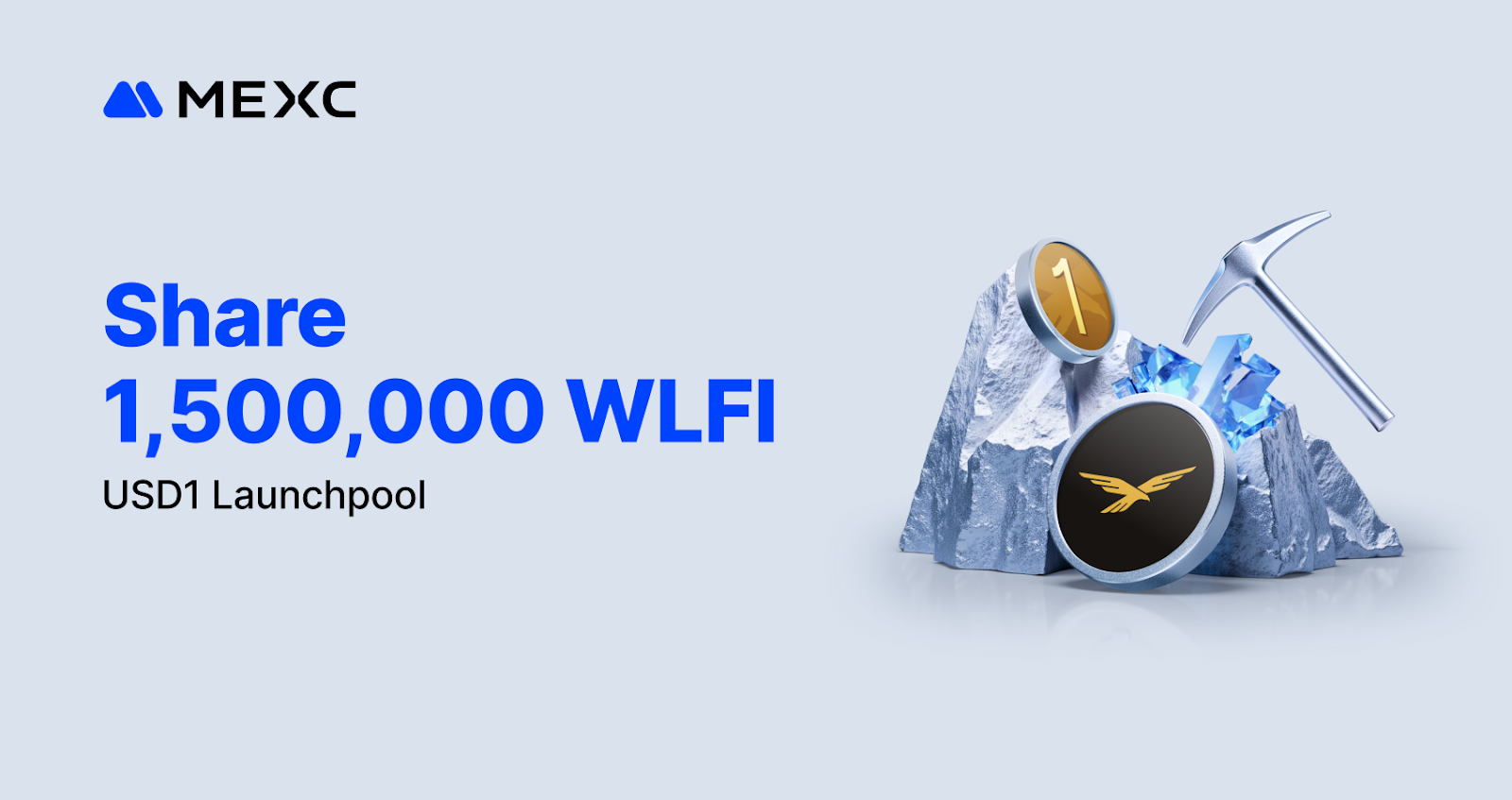
MEXC Announces USD1 Launchpool Event with 1,500,000 WLFI Prize Pool

Manhattan Private Credit Launches Network to Connect Investors With Private Credit Markets as Bank Lending Continues to Contract