South Korea Considers Freezing Virtual Asset Accounts Amid Concerns
- South Korea plans to introduce a “payment suspension” system for virtual assets.
- This system aims to enhance accountability and protect property.
- The proposal is inspired by similar mechanisms used in stock markets.
On January 6, South Korea’s Financial Services Commission was reported to be considering a ‘payment suspension’ system to curb virtual asset manipulation, according to Yonhap News Agency.
This initiative, inspired by stock market regulations, may advance asset accountability and deter illicit activities in virtual asset transactions, affecting market dynamics and investor protections.
South Korea’s Plan to Combat Crypto Manipulation
South Korea’s Financial Services Commission considers integrating a “payment suspension” system for virtual assets to address manipulation concerns. This initiative is inspired by mechanisms used for stock market manipulation to freeze accounts, allowing authorities to take action before criminal verdicts. The proposed measure is expected to mirror existing freezing mechanisms applied in 2023 to stock manipulation, indicating a shift towards stricter regulatory oversight in the virtual asset space. Immediate implications could include enhanced protection against asset concealment via external wallets, a strategy offenders have previously exploited.
However, the specifics of how the system could affect various cryptocurrencies were not detailed. While the community’s response remains mixed due to a lack of specific details on affected assets, no official reactions from FSC figures or key industry insiders have been recorded to date. “Expert insights from Coincu suggest that introduction of a payment suspension system might lead to increased compliance costs for virtual asset platforms,” highlights the practical implications of these regulatory moves. These changes could also impact cryptocurrency market dynamics, potentially pushing exchanges to enhance their internal monitoring mechanisms to prevent manipulation.
However, the specifics of how the system could affect various cryptocurrencies were not detailed. While the community’s response remains mixed due to a lack of specific details on affected assets, no official reactions from FSC figures or key industry insiders have been recorded to date.
Potential Impacts and Market Reactions
Did you know? In 2023, South Korea utilized a similar account-freezing mechanism for stock manipulation, setting a noteworthy precedent for regulating virtual assets.
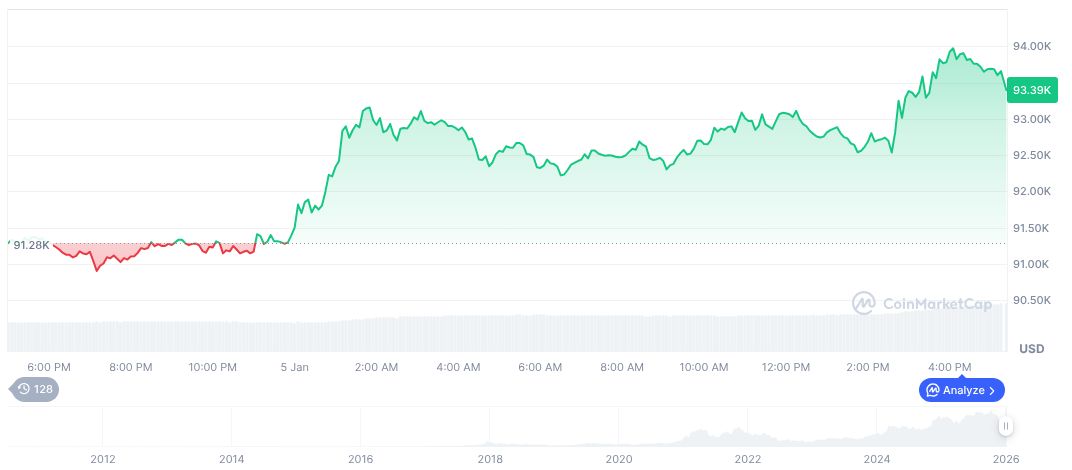
According to CoinMarketCap, Bitcoin (BTC) currently trades at $93,565.42, with a market cap of $1.87 trillion. The asset’s market dominance stands at 58.35%, reflecting substantial influence within the crypto economy. Despite fluctuating trends, BTC experienced a 0.65% 24-hour increase, though its 90-day change remains down 23.93% as of January 6, 2026.
Expert insights from Coincu suggest the introduction of a payment suspension system might lead to increased compliance costs for virtual asset platforms. These changes could also impact cryptocurrency market dynamics, potentially pushing exchanges to enhance their internal monitoring mechanisms to prevent manipulation.
| DISCLAIMER: The information on this website is provided as general market commentary and does not constitute investment advice. We encourage you to do your own research before investing. |

No tags available.


Other Posts








- Amplify 2024: Ohio’s Premier Blockchain Summit
- Polymarket Announces U.S. Beta Relaunch Amid Market Buzz
- China, US Conclude Trade Talks with Focus on Cooperation
- Crypto Weekly: NYSE Backs OKX, Kraken Gets Fed Access, BTC Sells
- CELO holds as Celo reviews Opera 160M token claim
- Michael Saylor Denies Bitcoin Sell-Off Amid Large BTC Transfer
- Court Upholds Fed’s Rejection of Custodia Bank’s Request
- EU Opens Antitrust Probe Into Deutsche Boerse and Nasdaq Derivatives Dealings
- Kazakhstan Explores Crypto Reserves Backed by National Funds
- JPMorgan Increases Holdings in BlackRock’s Bitcoin ETF
- Nordea Bank Introduces Bitcoin ETP Trading for Nordic Customers
- XRP Spot ETF Launches on Nasdaq Amid Market Fluctuations
- JPMorgan Chase Launches 24/7 Digital Deposit Token for Clients
- Crypto Leaders Address Macro Volatility Amid Market Shifts
- Former CFO Convicted for $35M Fraudulent Crypto Investment
- Peter Schiff Challenges Michael Saylor on MSTR’s Business Model
- Thailand Orders Worldcoin to Delete 1.2 Million Biometric Records
- UK Proposes New DeFi Tax Framework to Ease User Burden
- U.S. Treasury Proposes New Tax Relief Regulations
- Uniswap’s UNIfication Proposal Gains Massive Preliminary Support
- Amplify 2024: Ohio’s Premier Blockchain Summit
- Polymarket Announces U.S. Beta Relaunch Amid Market Buzz
- China, US Conclude Trade Talks with Focus on Cooperation
- Crypto Weekly: NYSE Backs OKX, Kraken Gets Fed Access, BTC Sells
- CELO holds as Celo reviews Opera 160M token claim
- Michael Saylor Denies Bitcoin Sell-Off Amid Large BTC Transfer
- Court Upholds Fed’s Rejection of Custodia Bank’s Request
- EU Opens Antitrust Probe Into Deutsche Boerse and Nasdaq Derivatives Dealings
- Kazakhstan Explores Crypto Reserves Backed by National Funds
- JPMorgan Increases Holdings in BlackRock’s Bitcoin ETF
- Nordea Bank Introduces Bitcoin ETP Trading for Nordic Customers
- XRP Spot ETF Launches on Nasdaq Amid Market Fluctuations
- JPMorgan Chase Launches 24/7 Digital Deposit Token for Clients
- Crypto Leaders Address Macro Volatility Amid Market Shifts
- Former CFO Convicted for $35M Fraudulent Crypto Investment
- Peter Schiff Challenges Michael Saylor on MSTR’s Business Model
- Thailand Orders Worldcoin to Delete 1.2 Million Biometric Records
- UK Proposes New DeFi Tax Framework to Ease User Burden
- U.S. Treasury Proposes New Tax Relief Regulations
- Uniswap’s UNIfication Proposal Gains Massive Preliminary Support
- Amplify 2024: Ohio’s Premier Blockchain Summit
- Polymarket Announces U.S. Beta Relaunch Amid Market Buzz
- China, US Conclude Trade Talks with Focus on Cooperation
- Crypto Weekly: NYSE Backs OKX, Kraken Gets Fed Access, BTC Sells
- CELO holds as Celo reviews Opera 160M token claim
- Michael Saylor Denies Bitcoin Sell-Off Amid Large BTC Transfer
- Court Upholds Fed’s Rejection of Custodia Bank’s Request
- EU Opens Antitrust Probe Into Deutsche Boerse and Nasdaq Derivatives Dealings
- Kazakhstan Explores Crypto Reserves Backed by National Funds
- JPMorgan Increases Holdings in BlackRock’s Bitcoin ETF
- Nordea Bank Introduces Bitcoin ETP Trading for Nordic Customers
- XRP Spot ETF Launches on Nasdaq Amid Market Fluctuations
- JPMorgan Chase Launches 24/7 Digital Deposit Token for Clients
- Crypto Leaders Address Macro Volatility Amid Market Shifts
- Former CFO Convicted for $35M Fraudulent Crypto Investment
- Peter Schiff Challenges Michael Saylor on MSTR’s Business Model
- Thailand Orders Worldcoin to Delete 1.2 Million Biometric Records
- UK Proposes New DeFi Tax Framework to Ease User Burden
- U.S. Treasury Proposes New Tax Relief Regulations
- Uniswap’s UNIfication Proposal Gains Massive Preliminary Support
Latest











Press Release

Best Meme Coin to Buy Today: $DOGEBALL Hits $180k Raised and Rising

Best Crypto to Invest in 2026: Why SUI Success Stories are Leading Investors to the DOGEBALL Crypto Presale