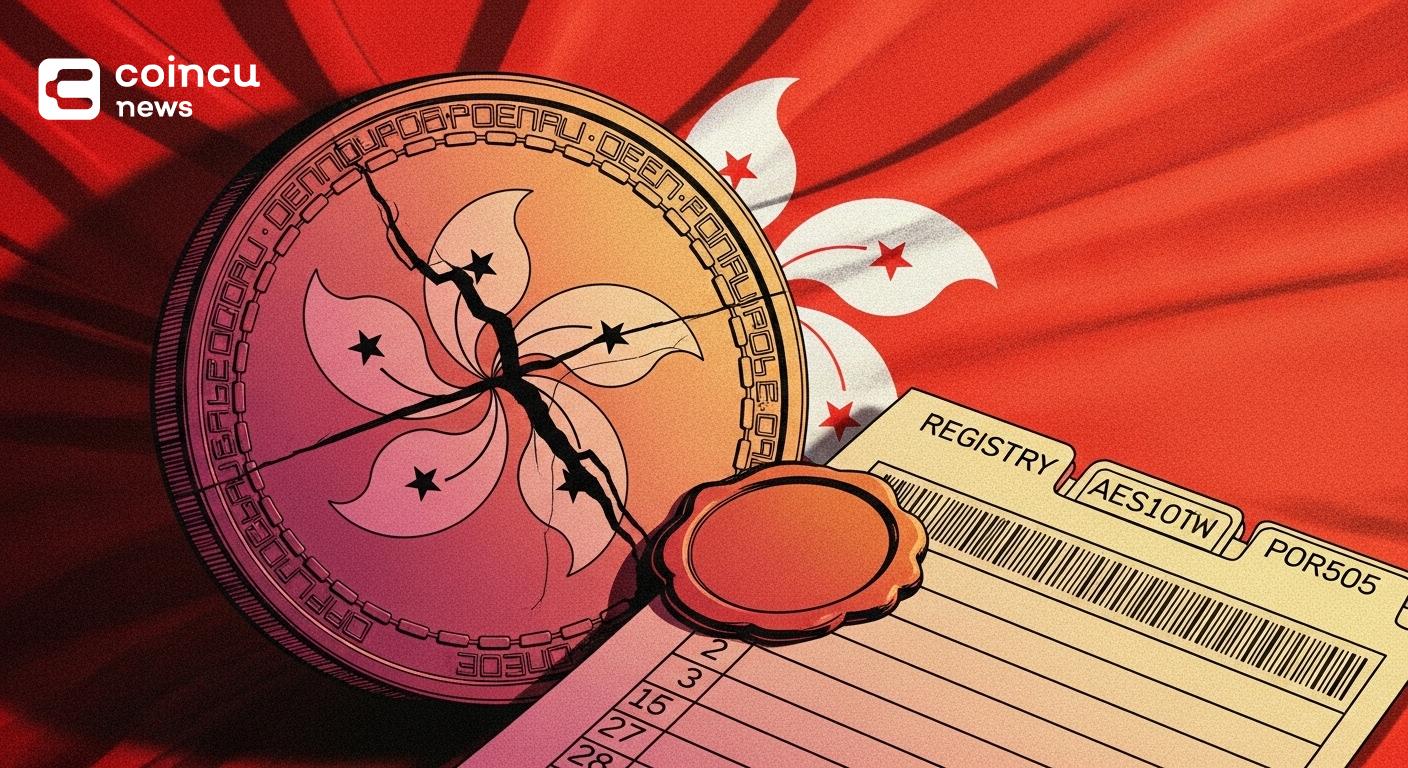
Hong Kong’s first stablecoin issuer licences: March 2026, limited batch
hong kong will issue its first batch of stablecoin issuer licences in March 2026, in a limited tranche designed to phase in the regime, according to Yahoo Finance NZ. The rollout is positioned to prioritise financial stability and user protection over speed.
Officials have indicated the Hong Kong Monetary Authority (HKMA) and Securities and Futures Commission (SFC) will anchor the push, reflecting the city’s bid to grow as a regulated virtual-assets hub. A limited first cohort allows supervision to scale alongside operational evidence from licensees.
HKMA stablecoin regulatory regime: scope, eligibility, and issuer requirements
Based on commentary compiled by Blockchain Council, the HKMA’s regime emphasises anti‑money laundering and counter‑terrorist financing controls, robust reserve backing, and risk management aligned with cross‑border standards. The framework is built to treat payment‑related stablecoins as financial market infrastructure.
According to the same source, expected requirements include minimum paid‑up capital of about HK$25 million (or equivalent), high‑quality liquid reserves backing liabilities, strict client‑asset segregation, and par‑value redemptions within one business day. Public reserve disclosures and ongoing audits are also highlighted to reinforce transparency and redemption confidence.
Policymakers have framed the purpose as payments utility rather than speculation. “Stablecoins are not purely speculative instruments but ‘practical tools’ for payments and settlement in the real economy,” said Paul Chan, Financial Secretary.
Immediate impact on payments, tokenization, exchanges, and compliance teams
Payments providers and merchants can plan around clearer redemption and settlement expectations, with T+1 par redemptions supporting predictable checkout, treasury, and cross‑border B2B flows. If issuers demonstrate smooth operations, consumer trust may strengthen.
Tokenization projects may anchor fiat on/off‑ramps to licensed HKD or USD stablecoins once available, enabling atomic settlement designs and reserve‑attested liquidity. Product teams should map wallet whitelisting, reserve attestation review, and incident‑response procedures to regulator expectations.
For exchanges and brokers, onboarding, screening, segregation, and disclosure verification will likely tighten; listing policies may restrict unlicensed “payment‑related” coins. Market participants broadly welcome clear guardrails and timelines, as reported by Asia Times.
Compliance functions should prepare for revised customer disclosures, redemption SLAs, treasury playbooks, and independent assurance over reserves and wallets. Asset managers have also warned about overreach for small crypto exposures, the HKSFPA argued, as covered by Holder.io.
Draft digital asset policy 2026 and regulator roles explained
Scope: crypto advisory rules, OECD-aligned tax reporting, custodians/OTC licensing
According to Cointelegraph, the 2026 draft package is expected to regulate crypto advisory services and align tax reporting with the OECD’s Crypto‑Asset Reporting Framework; news.gov.hk adds it will extend licensing to custodians, OTC trading, and dealers. This sequencing would consolidate oversight of both issuers and intermediaries under a coherent rulebook.
Oversight coordination and ‘payment-related’ stablecoin scope: areas needing clarification
Concerns persist about overlapping mandates between HKMA and SFC and the exact definition of “payment‑related” stablecoins, according to the American Bar Association; JD Supra likewise highlights the need for clearer enforcement pathways and cross‑agency workflows. Further guidance would help platforms and issuers calibrate perimeter and controls.
FAQ about Hong Kong stablecoin issuer licences
What are the key licensing requirements for stablecoin issuers (capital, reserves, redemption, AML/CTF, disclosures)?
Minimum capital, high‑quality liquid reserves, T+1 par redemptions, client‑asset segregation, AML/CTF controls, public reserve disclosures, and ongoing audits are core features of the regime.
How will oversight be divided between the HKMA and SFC, and which stablecoins fall within the ‘payment-related’ scope?
HKMA leads issuer licensing; SFC covers intermediaries and market conduct. “Payment‑related” likely refers to coins used for payments; final scope awaits regulator clarification.
| DISCLAIMER: The information on this website is provided as general market commentary and does not constitute investment advice. We encourage you to do your own research before investing. |


Other Posts









- Amplify 2024: Ohio’s Premier Blockchain Summit
- Polymarket Announces U.S. Beta Relaunch Amid Market Buzz
- China, US Conclude Trade Talks with Focus on Cooperation
- Crypto Weekly: NYSE Backs OKX, Kraken Gets Fed Access, BTC Sells
- CELO holds as Celo reviews Opera 160M token claim
- DeriW Launches Edge Hour Trading Competition Platform for Derivatives Traders
- Michael Saylor Denies Bitcoin Sell-Off Amid Large BTC Transfer
- Court Upholds Fed’s Rejection of Custodia Bank’s Request
- EU Opens Antitrust Probe Into Deutsche Boerse and Nasdaq Derivatives Dealings
- Kazakhstan Explores Crypto Reserves Backed by National Funds
- JPMorgan Increases Holdings in BlackRock’s Bitcoin ETF
- Nordea Bank Introduces Bitcoin ETP Trading for Nordic Customers
- XRP Spot ETF Launches on Nasdaq Amid Market Fluctuations
- JPMorgan Chase Launches 24/7 Digital Deposit Token for Clients
- Crypto Leaders Address Macro Volatility Amid Market Shifts
- Former CFO Convicted for $35M Fraudulent Crypto Investment
- Peter Schiff Challenges Michael Saylor on MSTR’s Business Model
- Thailand Orders Worldcoin to Delete 1.2 Million Biometric Records
- UK Proposes New DeFi Tax Framework to Ease User Burden
- U.S. Treasury Proposes New Tax Relief Regulations
- Amplify 2024: Ohio’s Premier Blockchain Summit
- Polymarket Announces U.S. Beta Relaunch Amid Market Buzz
- China, US Conclude Trade Talks with Focus on Cooperation
- Crypto Weekly: NYSE Backs OKX, Kraken Gets Fed Access, BTC Sells
- CELO holds as Celo reviews Opera 160M token claim
- DeriW Launches Edge Hour Trading Competition Platform for Derivatives Traders
- Michael Saylor Denies Bitcoin Sell-Off Amid Large BTC Transfer
- Court Upholds Fed’s Rejection of Custodia Bank’s Request
- EU Opens Antitrust Probe Into Deutsche Boerse and Nasdaq Derivatives Dealings
- Kazakhstan Explores Crypto Reserves Backed by National Funds
- JPMorgan Increases Holdings in BlackRock’s Bitcoin ETF
- Nordea Bank Introduces Bitcoin ETP Trading for Nordic Customers
- XRP Spot ETF Launches on Nasdaq Amid Market Fluctuations
- JPMorgan Chase Launches 24/7 Digital Deposit Token for Clients
- Crypto Leaders Address Macro Volatility Amid Market Shifts
- Former CFO Convicted for $35M Fraudulent Crypto Investment
- Peter Schiff Challenges Michael Saylor on MSTR’s Business Model
- Thailand Orders Worldcoin to Delete 1.2 Million Biometric Records
- UK Proposes New DeFi Tax Framework to Ease User Burden
- U.S. Treasury Proposes New Tax Relief Regulations
- Amplify 2024: Ohio’s Premier Blockchain Summit
- Polymarket Announces U.S. Beta Relaunch Amid Market Buzz
- China, US Conclude Trade Talks with Focus on Cooperation
- Crypto Weekly: NYSE Backs OKX, Kraken Gets Fed Access, BTC Sells
- CELO holds as Celo reviews Opera 160M token claim
- DeriW Launches Edge Hour Trading Competition Platform for Derivatives Traders
- Michael Saylor Denies Bitcoin Sell-Off Amid Large BTC Transfer
- Court Upholds Fed’s Rejection of Custodia Bank’s Request
- EU Opens Antitrust Probe Into Deutsche Boerse and Nasdaq Derivatives Dealings
- Kazakhstan Explores Crypto Reserves Backed by National Funds
- JPMorgan Increases Holdings in BlackRock’s Bitcoin ETF
- Nordea Bank Introduces Bitcoin ETP Trading for Nordic Customers
- XRP Spot ETF Launches on Nasdaq Amid Market Fluctuations
- JPMorgan Chase Launches 24/7 Digital Deposit Token for Clients
- Crypto Leaders Address Macro Volatility Amid Market Shifts
- Former CFO Convicted for $35M Fraudulent Crypto Investment
- Peter Schiff Challenges Michael Saylor on MSTR’s Business Model
- Thailand Orders Worldcoin to Delete 1.2 Million Biometric Records
- UK Proposes New DeFi Tax Framework to Ease User Burden
- U.S. Treasury Proposes New Tax Relief Regulations
Latest



Press Release

Polkadot’s $145M Legacy vs. DOGEBALL’s Future: These are the Best Cryptos to Buy Now
Enhanced Secures $1M in Strategic Pre-Seed Funding to Bring Structured Yield to More Assets Onchain