








- Telegram’s Russian bonds frozen due to Western sanctions.
- Plans impacted but debt repayments remain on schedule.
- No confirmed shift in financial markets or trading volumes.
Telegram’s $500 million Russian bonds were reportedly frozen due to Western sanctions, affecting debt buyback efforts and raising concerns among investors, while revenue rose by 65%.
The freeze could potentially disrupt Telegram’s financial strategies, as it integrates Toncoin and eyes an IPO, amid investor worries about its financial health and strategic direction.
Telegram’s $500M Bonds Freeze Amid Sanctions Pressure
The freeze of Telegram’s $500 million Russian bonds has placed notable pressure on the company’s financial strategies. Despite these challenges, Telegram asserts its intentions to repay debts on time. This development is rooted in Western sanctions targeting Russian financial entities, affecting a vast range of investments.
Investor sentiment has been impacted as some express concern regarding Telegram’s fiscal health. Nonetheless, Telegram’s revenue reports a 65% increase, totaling $870 million year-over-year. Operational pressures persist as the company navigates a $222 million net loss, largely attributed to the devaluation of Toncoin.
Pavel Durov, founder and CEO of Telegram, has not commented on the bond freeze or its implications, focusing instead on privacy advocacy since establishing Telegram in 2013 after leaving VK. He has lived outside Russia since 2014.
Rising Revenue and IPO Preparations Amid Economic Challenges
Did you know? EU sanctions have previously frozen approximately €170-210 billion in Russian assets, funneling around €8 billion of interest to Ukraine over recent years.
Toncoin currently trades at $1.91 with a market capitalization of $4.62 billion. The cryptocurrency displays a 19.42% price increase over the past month, with a notable dip of 30.24% over the last quarter, according to CoinMarketCap.
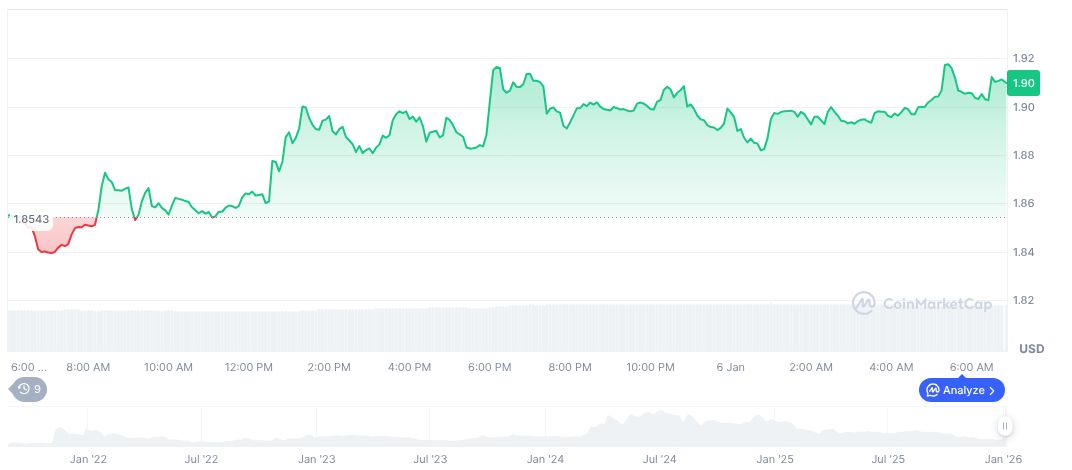
Expert insights from the Coincu research team point to ongoing challenges with global sanctions possibly affecting the broader tech industry. While financial markets remain reactive, the long-term consequences for companies like Telegram will depend on strategic adaptations and geopolitical developments.
| DISCLAIMER: The information on this website is provided as general market commentary and does not constitute investment advice. We encourage you to do your own research before investing. |

No tags available.


Other Posts









- Amplify 2024: Ohio’s Premier Blockchain Summit
- Polymarket Announces U.S. Beta Relaunch Amid Market Buzz
- China, US Conclude Trade Talks with Focus on Cooperation
- Michael Saylor Denies Bitcoin Sell-Off Amid Large BTC Transfer
- Court Upholds Fed’s Rejection of Custodia Bank’s Request
- EU Opens Antitrust Probe Into Deutsche Boerse and Nasdaq Derivatives Dealings
- Kazakhstan Explores Crypto Reserves Backed by National Funds
- Nordea Bank Introduces Bitcoin ETP Trading for Nordic Customers
- JPMorgan Increases Holdings in BlackRock’s Bitcoin ETF
- XRP Spot ETF Launches on Nasdaq Amid Market Fluctuations
- JPMorgan Chase Launches 24/7 Digital Deposit Token for Clients
- Crypto Leaders Address Macro Volatility Amid Market Shifts
- Former CFO Convicted for $35M Fraudulent Crypto Investment
- Peter Schiff Challenges Michael Saylor on MSTR’s Business Model
- U.S. Treasury Proposes New Tax Relief Regulations
- Japan to Reduce Cryptocurrency Tax to 20%
- Amazon seeks to raise about $12 billion through a U.S. bond offering
- Radiant Capital Faces $50M Loss in Major Security Breach
- SEGG Media Unveils $300 Million Crypto Reserve Plan
- 21Shares Files S-1 With SEC to Launch Hyperliquid ($HYPE) ETF
- Amplify 2024: Ohio’s Premier Blockchain Summit
- Polymarket Announces U.S. Beta Relaunch Amid Market Buzz
- China, US Conclude Trade Talks with Focus on Cooperation
- Michael Saylor Denies Bitcoin Sell-Off Amid Large BTC Transfer
- Court Upholds Fed’s Rejection of Custodia Bank’s Request
- EU Opens Antitrust Probe Into Deutsche Boerse and Nasdaq Derivatives Dealings
- Kazakhstan Explores Crypto Reserves Backed by National Funds
- Nordea Bank Introduces Bitcoin ETP Trading for Nordic Customers
- JPMorgan Increases Holdings in BlackRock’s Bitcoin ETF
- XRP Spot ETF Launches on Nasdaq Amid Market Fluctuations
- JPMorgan Chase Launches 24/7 Digital Deposit Token for Clients
- Crypto Leaders Address Macro Volatility Amid Market Shifts
- Former CFO Convicted for $35M Fraudulent Crypto Investment
- Peter Schiff Challenges Michael Saylor on MSTR’s Business Model
- U.S. Treasury Proposes New Tax Relief Regulations
- Japan to Reduce Cryptocurrency Tax to 20%
- Amazon seeks to raise about $12 billion through a U.S. bond offering
- Radiant Capital Faces $50M Loss in Major Security Breach
- SEGG Media Unveils $300 Million Crypto Reserve Plan
- 21Shares Files S-1 With SEC to Launch Hyperliquid ($HYPE) ETF
- Amplify 2024: Ohio’s Premier Blockchain Summit
- Polymarket Announces U.S. Beta Relaunch Amid Market Buzz
- China, US Conclude Trade Talks with Focus on Cooperation
- Michael Saylor Denies Bitcoin Sell-Off Amid Large BTC Transfer
- Court Upholds Fed’s Rejection of Custodia Bank’s Request
- EU Opens Antitrust Probe Into Deutsche Boerse and Nasdaq Derivatives Dealings
- Kazakhstan Explores Crypto Reserves Backed by National Funds
- Nordea Bank Introduces Bitcoin ETP Trading for Nordic Customers
- JPMorgan Increases Holdings in BlackRock’s Bitcoin ETF
- XRP Spot ETF Launches on Nasdaq Amid Market Fluctuations
- JPMorgan Chase Launches 24/7 Digital Deposit Token for Clients
- Crypto Leaders Address Macro Volatility Amid Market Shifts
- Former CFO Convicted for $35M Fraudulent Crypto Investment
- Peter Schiff Challenges Michael Saylor on MSTR’s Business Model
- U.S. Treasury Proposes New Tax Relief Regulations
- Japan to Reduce Cryptocurrency Tax to 20%
- Amazon seeks to raise about $12 billion through a U.S. bond offering
- Radiant Capital Faces $50M Loss in Major Security Breach
- SEGG Media Unveils $300 Million Crypto Reserve Plan
- 21Shares Files S-1 With SEC to Launch Hyperliquid ($HYPE) ETF
Latest











Press Release
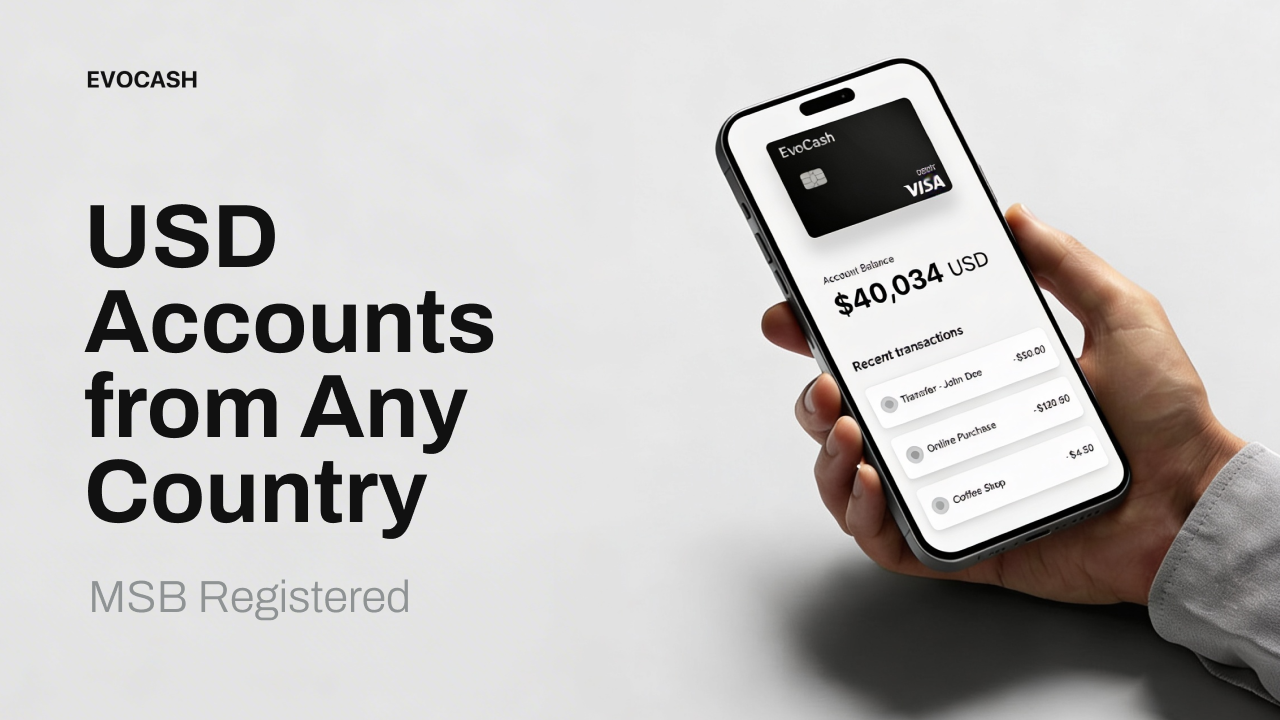
EvoCash Launches USD-Denominated Accounts with Real-Time Crypto-to-Fiat Conversion
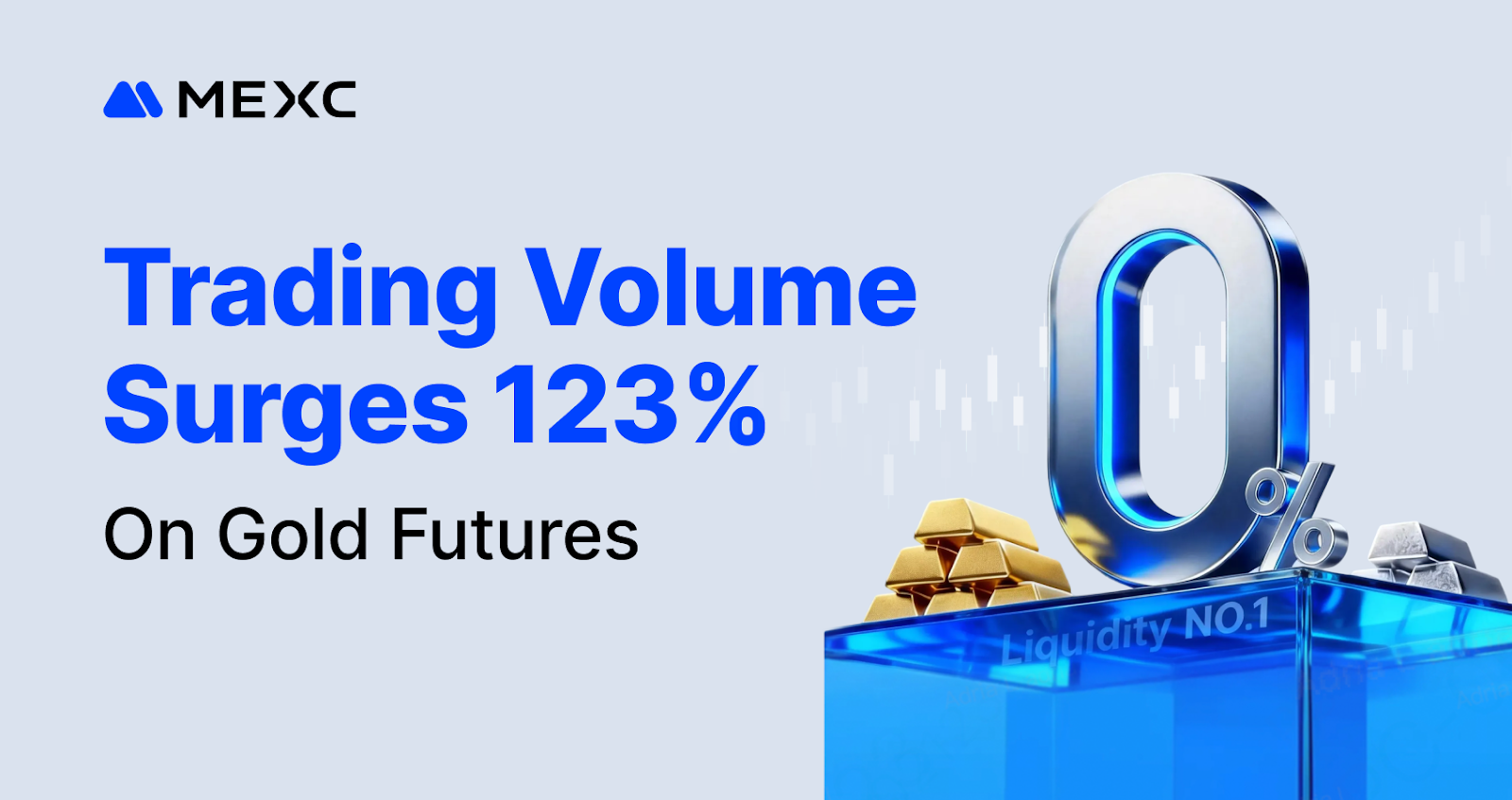
MEXC Gold Futures Up 123%; Geopolitical Uncertainty Fuels Crypto-Metal Derivatives Surge
