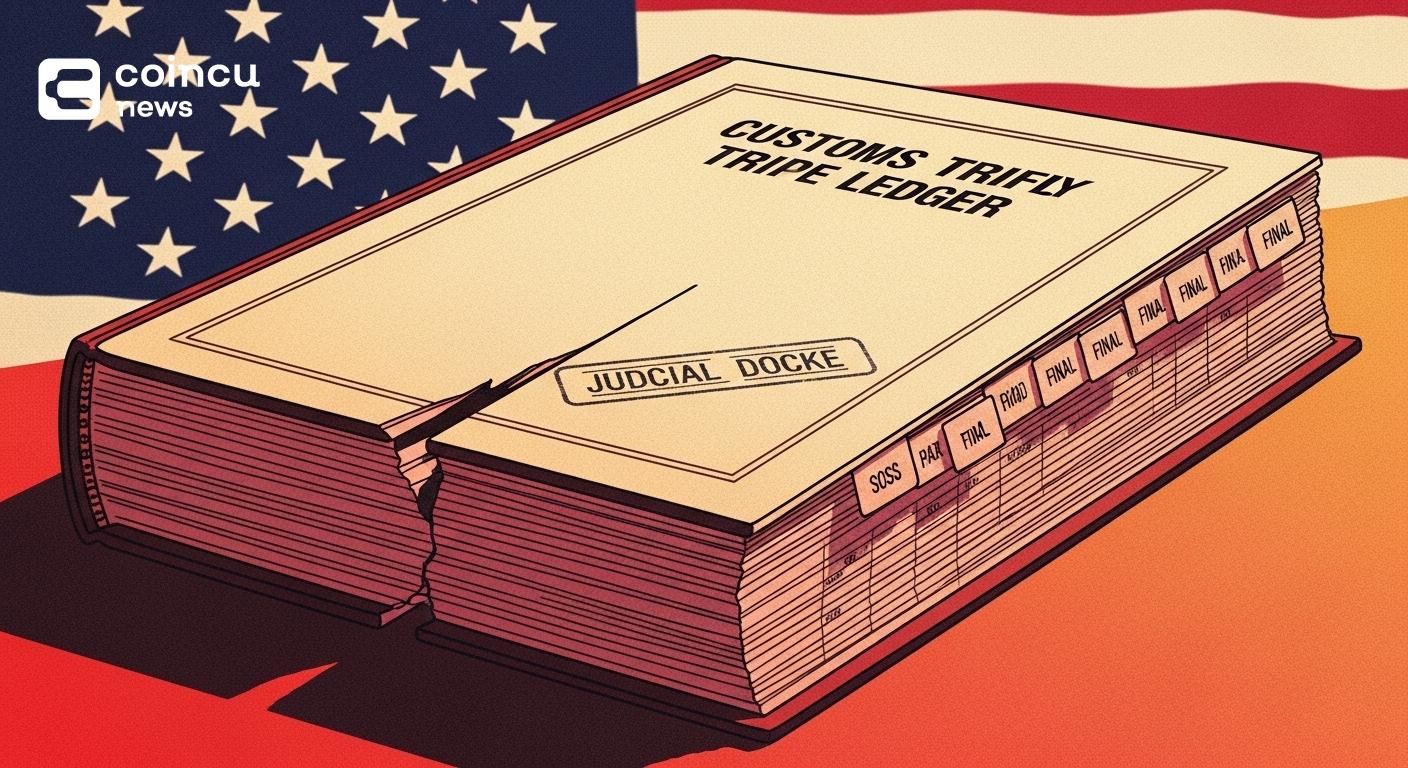
Bilateral trade agreements remain valid after Supreme Court tariff ruling
U.S. bilateral trade agreements remain in force following the supreme court IEEPA tariff ruling, as reported by Bloomberg Law. The administration has communicated continuity to trading partners to reduce uncertainty.
The clarification focuses on tariff authority rather than the negotiated texts of existing deals. Implementation continues while agencies prepare post-ruling guidance.
What the IEEPA ruling changes vs. Sections 232 and 301
The decision curbs the use of the International Emergency Economic Powers Act to levy broad tariffs and does not directly void negotiated bilateral accords, according to Chatham House.
Other statutory tools for tariffs remain available, including Section 232, Section 301, Section 201, and Section 122, according to the Heritage Foundation. Those avenues operate independently of IEEPA.
With that legal backdrop, U.S. officials have emphasized continuity in existing arrangements. “We’re going to stand by them. We expect our partners to stand by them,” said Jamieson Greer, U.S. Trade Representative.
Immediate impacts for importers, exporters, and partners
The ruling’s economic reach is broad, as reported by The New York Times, prompting companies to reassess contract terms and tariff exposure under remaining authorities. Compliance teams are stress-testing classifications and pass-through provisions.
Trading partners are requesting clarity on administration of existing commitments, while deal-specific committees and review clauses continue to function. Any reopening discussions would depend on partner decisions and formal consultations.
Global reactions and renegotiation watch
European Commission response: analyzing implications, expecting U.S. clarity
The European Commission is analyzing the decision’s implications and expects the United States to clarify how existing commitments will be handled, as reported by Reuters.
Partners reviewing deals: UK, South Korea, India contexts
Governments in the United Kingdom, south korea, and India are reviewing the ruling to gauge how future tariff moves, such as temporary measures under Section 122, might interact with their accords, as reported by Al Jazeera.
FAQ about Supreme Court IEEPA ruling
Which tariff authorities remain available to the U.S. (Sections 232, 301, 201, 122) after the ruling?
Sections 232, 301, 201, and 122 remain available under existing trade laws; the Supreme Court ruling targeted IEEPA-based tariffs, not those separate statutory authorities.
Do importers qualify for refunds on tariffs collected under the invalidated IEEPA actions?
Refund eligibility remains unsettled; companies are pursuing claims and await agency guidance and court outcomes on IEEPA-based collections.
| DISCLAIMER: The information on this website is provided as general market commentary and does not constitute investment advice. We encourage you to do your own research before investing. |


Other Posts







- Amplify 2024: Ohio’s Premier Blockchain Summit
- Polymarket Announces U.S. Beta Relaunch Amid Market Buzz
- China, US Conclude Trade Talks with Focus on Cooperation
- Michael Saylor Denies Bitcoin Sell-Off Amid Large BTC Transfer
- Court Upholds Fed’s Rejection of Custodia Bank’s Request
- EU Opens Antitrust Probe Into Deutsche Boerse and Nasdaq Derivatives Dealings
- Kazakhstan Explores Crypto Reserves Backed by National Funds
- Nordea Bank Introduces Bitcoin ETP Trading for Nordic Customers
- JPMorgan Increases Holdings in BlackRock’s Bitcoin ETF
- XRP Spot ETF Launches on Nasdaq Amid Market Fluctuations
- JPMorgan Chase Launches 24/7 Digital Deposit Token for Clients
- Crypto Leaders Address Macro Volatility Amid Market Shifts
- Former CFO Convicted for $35M Fraudulent Crypto Investment
- Peter Schiff Challenges Michael Saylor on MSTR’s Business Model
- U.S. Treasury Proposes New Tax Relief Regulations
- Japan to Reduce Cryptocurrency Tax to 20%
- Yala Injects $5.5 Million Amid Recovery Efforts
- Amazon seeks to raise about $12 billion through a U.S. bond offering
- Radiant Capital Faces $50M Loss in Major Security Breach
- SEGG Media Unveils $300 Million Crypto Reserve Plan
- Amplify 2024: Ohio’s Premier Blockchain Summit
- Polymarket Announces U.S. Beta Relaunch Amid Market Buzz
- China, US Conclude Trade Talks with Focus on Cooperation
- Michael Saylor Denies Bitcoin Sell-Off Amid Large BTC Transfer
- Court Upholds Fed’s Rejection of Custodia Bank’s Request
- EU Opens Antitrust Probe Into Deutsche Boerse and Nasdaq Derivatives Dealings
- Kazakhstan Explores Crypto Reserves Backed by National Funds
- Nordea Bank Introduces Bitcoin ETP Trading for Nordic Customers
- JPMorgan Increases Holdings in BlackRock’s Bitcoin ETF
- XRP Spot ETF Launches on Nasdaq Amid Market Fluctuations
- JPMorgan Chase Launches 24/7 Digital Deposit Token for Clients
- Crypto Leaders Address Macro Volatility Amid Market Shifts
- Former CFO Convicted for $35M Fraudulent Crypto Investment
- Peter Schiff Challenges Michael Saylor on MSTR’s Business Model
- U.S. Treasury Proposes New Tax Relief Regulations
- Japan to Reduce Cryptocurrency Tax to 20%
- Yala Injects $5.5 Million Amid Recovery Efforts
- Amazon seeks to raise about $12 billion through a U.S. bond offering
- Radiant Capital Faces $50M Loss in Major Security Breach
- SEGG Media Unveils $300 Million Crypto Reserve Plan
- Amplify 2024: Ohio’s Premier Blockchain Summit
- Polymarket Announces U.S. Beta Relaunch Amid Market Buzz
- China, US Conclude Trade Talks with Focus on Cooperation
- Michael Saylor Denies Bitcoin Sell-Off Amid Large BTC Transfer
- Court Upholds Fed’s Rejection of Custodia Bank’s Request
- EU Opens Antitrust Probe Into Deutsche Boerse and Nasdaq Derivatives Dealings
- Kazakhstan Explores Crypto Reserves Backed by National Funds
- Nordea Bank Introduces Bitcoin ETP Trading for Nordic Customers
- JPMorgan Increases Holdings in BlackRock’s Bitcoin ETF
- XRP Spot ETF Launches on Nasdaq Amid Market Fluctuations
- JPMorgan Chase Launches 24/7 Digital Deposit Token for Clients
- Crypto Leaders Address Macro Volatility Amid Market Shifts
- Former CFO Convicted for $35M Fraudulent Crypto Investment
- Peter Schiff Challenges Michael Saylor on MSTR’s Business Model
- U.S. Treasury Proposes New Tax Relief Regulations
- Japan to Reduce Cryptocurrency Tax to 20%
- Yala Injects $5.5 Million Amid Recovery Efforts
- Amazon seeks to raise about $12 billion through a U.S. bond offering
- Radiant Capital Faces $50M Loss in Major Security Breach
- SEGG Media Unveils $300 Million Crypto Reserve Plan
Latest











Press Release
Bybit Launches AI Skills: Powering AI Agents for Crypto Trading With Zero Setup, 253 API Endpoints and Growing

Eightco (NASDAQ: ORBS) Secures $125M in Institutional Commitments Led by Bitmine (NYSE: BMNR), Cathie Wood’s ARK Invest, and Payward to Expand into Next Generation Technology