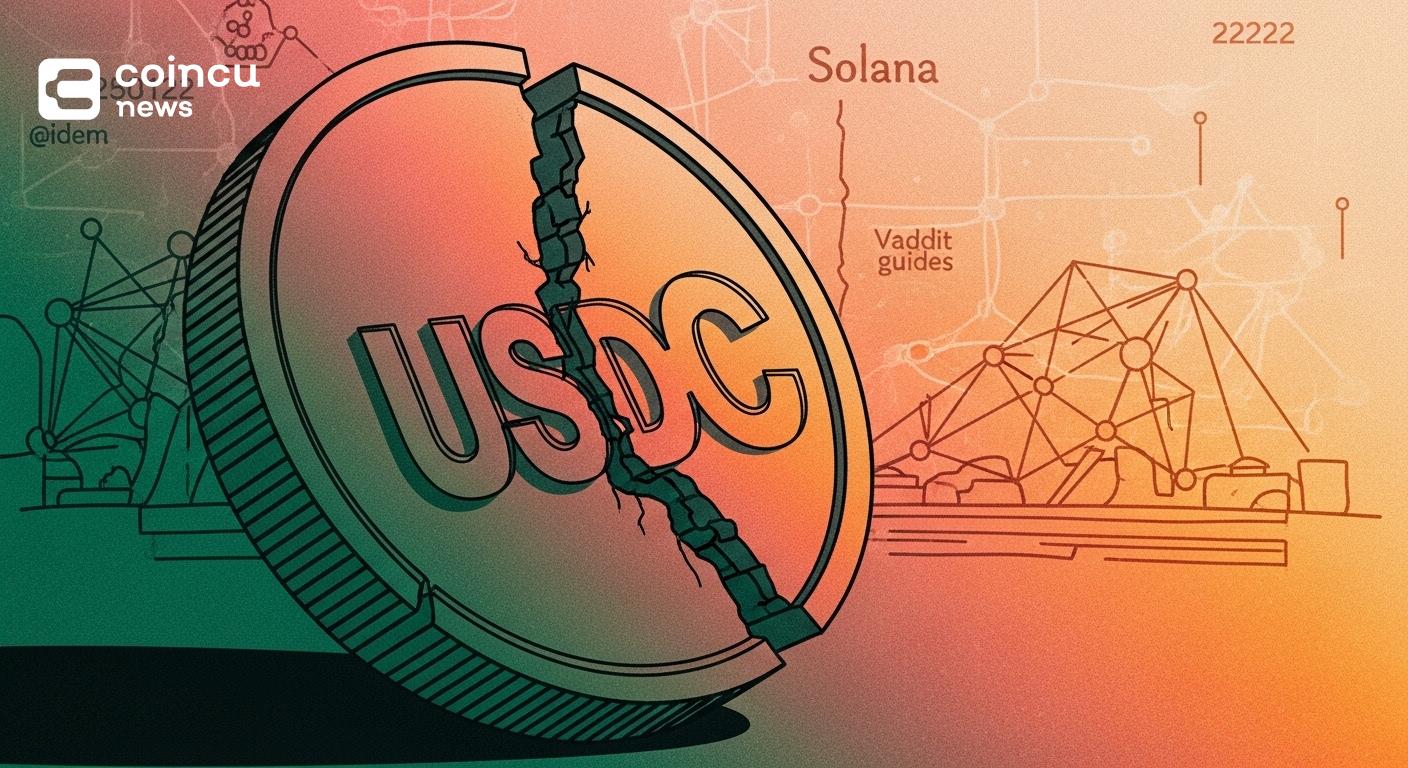
Confirmed: USDC Treasury minted 250M USDC on Solana
The usdc treasury minted an additional 250 million usdc on the Solana network on February 9, according to Bitget News. On-chain monitors flagged the transaction as a treasury mint, not an exchange deposit.
A treasury mint increases available supply at the issuer level but does not guarantee immediate circulation to end users. The tokens can be deployed to meet redemptions, institutional issuance, or inter-exchange liquidity needs as demand materializes.
Why this mint matters: liquidity, demand, issuance mechanics
Large treasury mints generally occur to pre-fund liquidity for anticipated issuance requests, settlements, or market-making inventory across venues. On Solana, where transaction costs are low and throughput is high, scaling USDC supply can support tighter spreads and higher trading capacity.
USDC issuance is designed to be demand-led: fiat deposits lead to minting, while redemptions lead to burning, with treasury wallets acting as operational buffers. A 250 million increment on Solana positions the network to absorb near-term stablecoin demand without frictions from cross-chain transfers.
Chinese-language market coverage documented the timing observed by whale trackers before broad redistribution. “According to Whale monitoring, Circle minted 250 million USDC on the Solana network at 19:20 东八区,” said BlockBeats News.
Immediate impact on Solana DeFi liquidity and trading flows
In the near term, additional USDC at the treasury level can lower frictions for market makers, potentially tightening USDC trading pairs and improving depth on Solana-based AMMs and order books. Borrow and funding markets may see incremental capacity if inventory moves into lending pools.
The broader credit backdrop remains expansive, with crypto‑collateralized lending reaching a record $73.6 billion, based on data from Galaxy Research. Within that setting, new USDC supply can facilitate margin, basis trades, and liquidity rebalancing across venues.
At the time of this writing, Coinbase Global, Inc. (COIN) traded near $161.04, up about 10.21%, based on data from Yahoo Finance. This market context does not imply any direct linkage to the mint.
Circle USDC issuance and on-chain verification, summarized
USDC’s model links token creation and redemption to off-chain dollar flows. Treasury wallets can pre‑mint tokens to satisfy pending client issuance, then dispatch to counterparties as settlement completes, or route back for burns if demand softens.
Minting vs. circulation: how treasury wallets manage supply
Minting establishes supply under the mint authority, but circulating supply only expands when tokens move out of treasury control to end users or venues. Treasury balances function as operational inventory to meet intraday settlement windows.
Recent Ethereum burns underscore USDC supply management strategy
Two separate USDC burn transactions on Ethereum totaling $150 million on January 27, 2026, were recorded, according to PANews. Such burns illustrate routine supply contraction that balances issuance across networks.
FAQ about USDC Treasury mint 250 million
How can I verify the 250M USDC mint on-chain (transaction, address, or block explorer)?
Use a Solana block explorer to search the USDC mint authority and treasury addresses, then confirm a 250,000,000 USDC mint entry dated February 9 in the transaction history.
Why would Circle mint new USDC on Solana instead of other networks?
Solana’s throughput and low fees support tight spreads and fast settlement. If demand concentrates on Solana venues, allocating new issuance there reduces cross‑chain frictions and latency.
| DISCLAIMER: The information on this website is provided as general market commentary and does not constitute investment advice. We encourage you to do your own research before investing. |


Other Posts









- Amplify 2024: Ohio’s Premier Blockchain Summit
- Polymarket Announces U.S. Beta Relaunch Amid Market Buzz
- China, US Conclude Trade Talks with Focus on Cooperation
- Crypto Weekly: NYSE Backs OKX, Kraken Gets Fed Access, BTC Sells
- Michael Saylor Denies Bitcoin Sell-Off Amid Large BTC Transfer
- Court Upholds Fed’s Rejection of Custodia Bank’s Request
- EU Opens Antitrust Probe Into Deutsche Boerse and Nasdaq Derivatives Dealings
- Kazakhstan Explores Crypto Reserves Backed by National Funds
- Nordea Bank Introduces Bitcoin ETP Trading for Nordic Customers
- JPMorgan Increases Holdings in BlackRock’s Bitcoin ETF
- XRP Spot ETF Launches on Nasdaq Amid Market Fluctuations
- JPMorgan Chase Launches 24/7 Digital Deposit Token for Clients
- Crypto Leaders Address Macro Volatility Amid Market Shifts
- Former CFO Convicted for $35M Fraudulent Crypto Investment
- Peter Schiff Challenges Michael Saylor on MSTR’s Business Model
- U.S. Treasury Proposes New Tax Relief Regulations
- WLFI Under Fire: Analyst Warns Hyperliquid Could Be Next
- Thailand Orders Worldcoin to Delete 1.2 Million Biometric Records
- SEC Scrutiny on ALT5 Sigma’s Leadership Disclosure Timing
- Japan to Reduce Cryptocurrency Tax to 20%
- Amplify 2024: Ohio’s Premier Blockchain Summit
- Polymarket Announces U.S. Beta Relaunch Amid Market Buzz
- China, US Conclude Trade Talks with Focus on Cooperation
- Crypto Weekly: NYSE Backs OKX, Kraken Gets Fed Access, BTC Sells
- Michael Saylor Denies Bitcoin Sell-Off Amid Large BTC Transfer
- Court Upholds Fed’s Rejection of Custodia Bank’s Request
- EU Opens Antitrust Probe Into Deutsche Boerse and Nasdaq Derivatives Dealings
- Kazakhstan Explores Crypto Reserves Backed by National Funds
- Nordea Bank Introduces Bitcoin ETP Trading for Nordic Customers
- JPMorgan Increases Holdings in BlackRock’s Bitcoin ETF
- XRP Spot ETF Launches on Nasdaq Amid Market Fluctuations
- JPMorgan Chase Launches 24/7 Digital Deposit Token for Clients
- Crypto Leaders Address Macro Volatility Amid Market Shifts
- Former CFO Convicted for $35M Fraudulent Crypto Investment
- Peter Schiff Challenges Michael Saylor on MSTR’s Business Model
- U.S. Treasury Proposes New Tax Relief Regulations
- WLFI Under Fire: Analyst Warns Hyperliquid Could Be Next
- Thailand Orders Worldcoin to Delete 1.2 Million Biometric Records
- SEC Scrutiny on ALT5 Sigma’s Leadership Disclosure Timing
- Japan to Reduce Cryptocurrency Tax to 20%
- Amplify 2024: Ohio’s Premier Blockchain Summit
- Polymarket Announces U.S. Beta Relaunch Amid Market Buzz
- China, US Conclude Trade Talks with Focus on Cooperation
- Crypto Weekly: NYSE Backs OKX, Kraken Gets Fed Access, BTC Sells
- Michael Saylor Denies Bitcoin Sell-Off Amid Large BTC Transfer
- Court Upholds Fed’s Rejection of Custodia Bank’s Request
- EU Opens Antitrust Probe Into Deutsche Boerse and Nasdaq Derivatives Dealings
- Kazakhstan Explores Crypto Reserves Backed by National Funds
- Nordea Bank Introduces Bitcoin ETP Trading for Nordic Customers
- JPMorgan Increases Holdings in BlackRock’s Bitcoin ETF
- XRP Spot ETF Launches on Nasdaq Amid Market Fluctuations
- JPMorgan Chase Launches 24/7 Digital Deposit Token for Clients
- Crypto Leaders Address Macro Volatility Amid Market Shifts
- Former CFO Convicted for $35M Fraudulent Crypto Investment
- Peter Schiff Challenges Michael Saylor on MSTR’s Business Model
- U.S. Treasury Proposes New Tax Relief Regulations
- WLFI Under Fire: Analyst Warns Hyperliquid Could Be Next
- Thailand Orders Worldcoin to Delete 1.2 Million Biometric Records
- SEC Scrutiny on ALT5 Sigma’s Leadership Disclosure Timing
- Japan to Reduce Cryptocurrency Tax to 20%
Latest











Press Release

Zoomex Outlines AI-Ready Liquidity and Execution Framework as Automated Trading Expands