The Hidden Costs of Crypto Cards (and How to Avoid Them)
Using a crypto card feels basically the same as using any normal card. You tap, it works, and you move on with your day. But every time you spend, there are a few small fees running in the background that make the transaction possible. They’re not sneaky or complicated, just part of how crypto gets moved and converted. And once you understand what those fees actually are, it’s way easier to know what you’re really paying and how to keep costs down.
Network Fees
Every time you deposit money to your crypto card, you pay a network fee. This is also called a gas fee, and it’s basically the cost of getting your transaction confirmed on the blockchain. The important thing to know is that this fee doesn’t go to your card provider. It goes straight to the blockchain validators who process your transfer.
If you use Ethereum, fees can get noticeably higher when the network is busy. During peak hours or when a popular project is launching something new, costs rise because everyone is trying to get transactions through at the same time. But if you use low-cost chains like Solana or Polygon, the fees are usually tiny, sometimes just a few cents.
Platforms like KAST give you multiple network options, which is nice because it lets you choose the fee range you’re comfortable with. If you’re just topping up your card for day-to-day use, you probably don’t need to pay premium gas prices on Etxhereum unless that’s where your assets already live.
How to keep these fees low:
- Pick cheaper networks whenever you can.
- Avoid sending crypto during peak traffic times.
- Stick to stablecoins on efficient chains if you want predictable, low-cost transfers.
These fees are usually small, but if you’re topping up a lot, they can add up. Knowing how they work helps you save in the long run.
Conversion Spreads
When you make a purchase with a crypto card, your crypto has to be exchanged into the local currency on the spot so the merchant receives a normal fiat payment. This conversion happens in a fraction of a second, and the rate you get is usually very close to the market rate. But it’s not always exactly the same.
The difference between the live market price and the rate you’re given is called the conversion spread. It’s not an extra bill you see on your statement. It’s just built into the exchange rate.
Most crypto card providers hover around a 1 to 2 percent spread. Some might be slightly lower or higher depending on the provider’s model, how often they rebalance liquidity, or how volatile the crypto market is at the moment.
Why spreads matter
They’re a normal part of real-time conversion, but understanding them helps you get a clearer picture of what you’re paying. A platform with predictable spreads makes spending much easier because you always know roughly what the conversion will cost. Providers that quietly widen spreads without telling you can make transactions unexpectedly expensive.
FX and Cross-Border Fees
If you’re using your crypto card in a country that uses a different currency than your card’s base currency, you’ll usually run into an FX fee. These fees show up with traditional cards too, so this isn’t new. But crypto cards sometimes add an extra layer to the process.
Some older platforms convert your crypto into USD by default. Then, if you’re in a country that uses a different currency, they convert the USD again into the local currency. So you end up paying twice.
More modern platforms skip the unnecessary steps. KAST, for example, uses a flat FX rate for non-USD transactions and converts directly into the spending currency. No bouncing through multiple exchanges. No stacking extra fees.
Why this matters:
If you travel often or buy from international websites, FX fees make a big difference. A two-step conversion can quietly eat into your balance faster than you think. A single-step conversion keeps things cleaner and cheaper.
Dynamic Currency Conversion
DCC, or Dynamic Currency Conversion, is one of the easiest ways to lose money while traveling, and it has nothing to do with your crypto card. It’s what happens when a payment terminal asks if you want to pay in USD (or your home currency) instead of the local currency.
It seems harmless, but here’s the truth: always choose the local currency.
When you choose USD, the merchant’s terminal decides your exchange rate. And their rate is almost always inflated. Sometimes the markup can be as high as 6 to 16 percent, and that extra money goes straight to the merchant’s payment processor.
Let’s look at a simple example:
Say you’re in Europe and your dinner costs €100.
- If you choose to pay in USD at the terminal, you might get charged something like $116.
- If you choose EUR and let your crypto card handle the conversion, you’d pay something closer to $102 on a KAST card with the standard 2 percent FX fee.
That’s a $14 difference on a single transaction, just because of one simple choice.
How to avoid this:
Whenever you see an option, always choose local currency. If you’re paying in Brazil, choose BRL. In Europe, choose EUR. Let your card handle the conversion. Your crypto card will almost always give you a better, fairer rate.
ATM and Withdrawal Fees
There will always be moments when card payments don’t cut it and you need cash. Maybe you’re traveling somewhere where everyone prefers cash. Maybe the cab you’re taking doesn’t accept cards. Whatever the reason, when you use your crypto card to withdraw cash, you’ll usually pay two fees:
- A fee from the ATM operator
- A withdrawal fee from your card provider
These fees work exactly like traditional debit cards. Most ATMs charge a fixed amount, often between $2 and $3, and some providers add a small percentage or flat fee on top.
If you’re withdrawing $100, for example, you might end up paying around $4 or $5 in total fees depending on where you are.
Tip to save money:
Use your crypto card directly whenever possible. ATM withdrawals are helpful when you need them, but they definitely come with extra fees that regular purchases don’t.
Other Fees You Might See: The Small Stuff
Some crypto card providers tack on small administrative fees. They’re not typically huge, but they can show up unexpectedly if you’re not paying attention.
Common examples include:
- Inactivity fees if you don’t use your card for a few months
- Card replacement fees if you lose your physical card
- Subscription or maintenance fees for premium card tiers
- Shipping fees for new or replacement cards
Traditional banks charge similar fees, so this isn’t unique to crypto cards. The good news is that many modern platforms, including KAST, are moving away from these kinds of charges or keeping them minimal.
How to avoid surprises:
Give the provider’s fee list a quick read before signing up. It only takes a few minutes and can save you from unpleasant surprises later.
How Rewards Can Help Cancel Out Fees
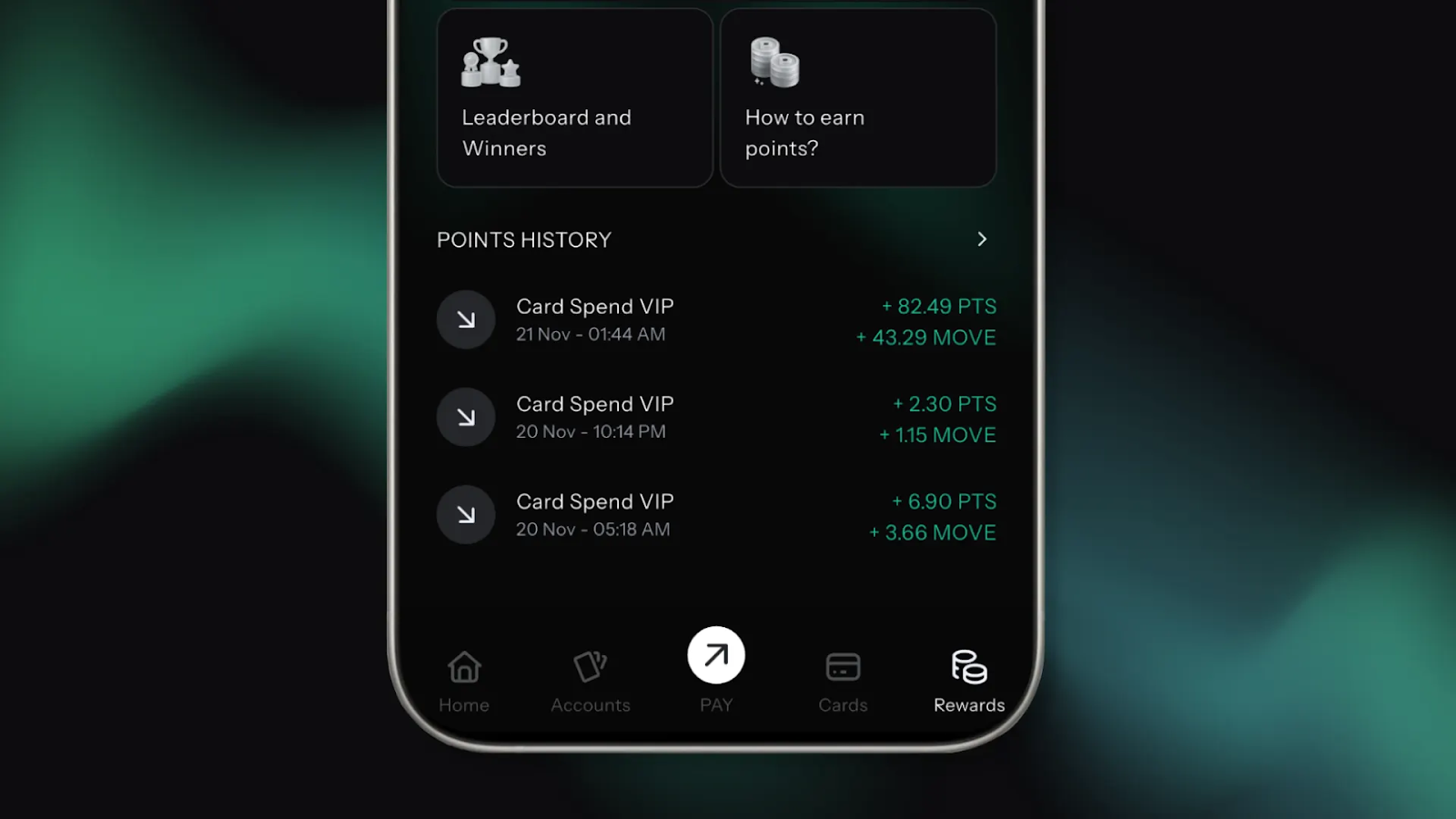
Even though there are small fees attached to every transaction, many crypto cards offer rewards that help offset them. If you’re using your card often, these rewards can add up quickly.
KAST, for example, gives up to 8 percent back in KAST Points on eligible purchases. So even if you pay a small fee, you’re also earning something valuable back every time you spend.
If you’re consistent with your card spend, rewards can easily outpace the fees you’re paying.
Small Habits That Save You Money Over Time
The best part about managing crypto card fees is that it doesn’t take much strategy. A few simple habits can make your spending noticeably cheaper.
Here are some of the easiest ways to cut down on fees:
- Use stablecoins to avoid price swings during conversion.
- Batch your transfers instead of topping up small amounts frequently.
- Choose low-fee blockchain networks when moving crypto.
- Keep an eye on your rewards and redeem them regularly.
These small habits make crypto spending smoother, cheaper, and way more predictable.
Before Your Next Swipe
Fees are just part of how payments work, whether you’re using a crypto card or a traditional card. The difference is that with crypto, you have more control over how you move your money. And the more you understand the different fees involved, the smarter you can be about when and how you spend.
A good crypto card shouldn’t leave you guessing. It should offer clear pricing, predictable spreads, simple conversions, and rewards that help balance out the cost. That’s the approach platforms like KAST take: straightforward, no-surprise spending that feels easy and intuitive.
If you want a crypto card experience that’s smooth, transparent, and built for real life, KAST is definitely worth checking out.
| DISCLAIMER: The information on this website is provided as general market commentary and does not constitute investment advice. We encourage you to do your own research before investing. |

No tags available.


- Amplify 2024: Ohio’s Premier Blockchain Summit
- Polymarket Announces U.S. Beta Relaunch Amid Market Buzz
- China, US Conclude Trade Talks with Focus on Cooperation
- Crypto Weekly: NYSE Backs OKX, Kraken Gets Fed Access, BTC Sells
- CELO holds as Celo reviews Opera 160M token claim
- Michael Saylor Denies Bitcoin Sell-Off Amid Large BTC Transfer
- Court Upholds Fed’s Rejection of Custodia Bank’s Request
- EU Opens Antitrust Probe Into Deutsche Boerse and Nasdaq Derivatives Dealings
- Kazakhstan Explores Crypto Reserves Backed by National Funds
- JPMorgan Increases Holdings in BlackRock’s Bitcoin ETF
- Nordea Bank Introduces Bitcoin ETP Trading for Nordic Customers
- XRP Spot ETF Launches on Nasdaq Amid Market Fluctuations
- JPMorgan Chase Launches 24/7 Digital Deposit Token for Clients
- Crypto Leaders Address Macro Volatility Amid Market Shifts
- Former CFO Convicted for $35M Fraudulent Crypto Investment
- Peter Schiff Challenges Michael Saylor on MSTR’s Business Model
- Thailand Orders Worldcoin to Delete 1.2 Million Biometric Records
- UK Proposes New DeFi Tax Framework to Ease User Burden
- U.S. Treasury Proposes New Tax Relief Regulations
- Uniswap’s UNIfication Proposal Gains Massive Preliminary Support
- Amplify 2024: Ohio’s Premier Blockchain Summit
- Polymarket Announces U.S. Beta Relaunch Amid Market Buzz
- China, US Conclude Trade Talks with Focus on Cooperation
- Crypto Weekly: NYSE Backs OKX, Kraken Gets Fed Access, BTC Sells
- CELO holds as Celo reviews Opera 160M token claim
- Michael Saylor Denies Bitcoin Sell-Off Amid Large BTC Transfer
- Court Upholds Fed’s Rejection of Custodia Bank’s Request
- EU Opens Antitrust Probe Into Deutsche Boerse and Nasdaq Derivatives Dealings
- Kazakhstan Explores Crypto Reserves Backed by National Funds
- JPMorgan Increases Holdings in BlackRock’s Bitcoin ETF
- Nordea Bank Introduces Bitcoin ETP Trading for Nordic Customers
- XRP Spot ETF Launches on Nasdaq Amid Market Fluctuations
- JPMorgan Chase Launches 24/7 Digital Deposit Token for Clients
- Crypto Leaders Address Macro Volatility Amid Market Shifts
- Former CFO Convicted for $35M Fraudulent Crypto Investment
- Peter Schiff Challenges Michael Saylor on MSTR’s Business Model
- Thailand Orders Worldcoin to Delete 1.2 Million Biometric Records
- UK Proposes New DeFi Tax Framework to Ease User Burden
- U.S. Treasury Proposes New Tax Relief Regulations
- Uniswap’s UNIfication Proposal Gains Massive Preliminary Support
- Amplify 2024: Ohio’s Premier Blockchain Summit
- Polymarket Announces U.S. Beta Relaunch Amid Market Buzz
- China, US Conclude Trade Talks with Focus on Cooperation
- Crypto Weekly: NYSE Backs OKX, Kraken Gets Fed Access, BTC Sells
- CELO holds as Celo reviews Opera 160M token claim
- Michael Saylor Denies Bitcoin Sell-Off Amid Large BTC Transfer
- Court Upholds Fed’s Rejection of Custodia Bank’s Request
- EU Opens Antitrust Probe Into Deutsche Boerse and Nasdaq Derivatives Dealings
- Kazakhstan Explores Crypto Reserves Backed by National Funds
- JPMorgan Increases Holdings in BlackRock’s Bitcoin ETF
- Nordea Bank Introduces Bitcoin ETP Trading for Nordic Customers
- XRP Spot ETF Launches on Nasdaq Amid Market Fluctuations
- JPMorgan Chase Launches 24/7 Digital Deposit Token for Clients
- Crypto Leaders Address Macro Volatility Amid Market Shifts
- Former CFO Convicted for $35M Fraudulent Crypto Investment
- Peter Schiff Challenges Michael Saylor on MSTR’s Business Model
- Thailand Orders Worldcoin to Delete 1.2 Million Biometric Records
- UK Proposes New DeFi Tax Framework to Ease User Burden
- U.S. Treasury Proposes New Tax Relief Regulations
- Uniswap’s UNIfication Proposal Gains Massive Preliminary Support
Latest

QCP Says Quantum Risks Are Systemic Beyond Crypto After Google Paper

Bitcoin May Rise as Iran Tensions Ease, Morgan Stanley ETF Launch









Press Release
Best Meme Coin to Buy Today: $DOGEBALL Hits $180k Raised and Rising

Best Crypto to Invest in 2026: Why SUI Success Stories are Leading Investors to the DOGEBALL Crypto Presale