- UXLINK suffered a $11 million loss through a deepfake attack on September 22.
- Hackers exploited personal devices, not UXLINK’s on-chain system.
- Security upgrades and compensation measures are being implemented.
On September 22, UXLINK faced a sophisticated deepfake attack leading to a $11 million loss, highlighting vulnerabilities in key signers’ personal devices rather than UXLINK’s system.
The incident underscores risks in crypto security, affecting UXLINK’s market position and prompting immediate legal and strategic responses to safeguard assets.
Security Overhauls and Industry Reactions to the Breach
The incident resulted in prompt industry reactions, emphasizing the need for improved key management practices. Security firms such as PeckShield have reiterated the importance of safeguarding private keys against impersonation. The event underscores how deepfakes and personal-device compromise represent evolving threats within digital asset security.
Immediate actions involved heightened security measures including system upgrades and using cold and dedicated devices. The incident influenced a shift to custodial institutions and prompted the UXLINK DAO to unlock a 12% additional token supply to compensate those affected during the hack. The project’s strategic response involved coordination with exchanges for fund recovery, emphasizing community support and buyback initiatives.
RollandSaf, CEO, UXLINK, “A large portion of the stolen assets has already been frozen, and collaboration with exchanges remains strong.” – UXLINK Announcement
Market Data and Expert Insights
Did you know? A deepfake attack cost UXLINK over $11M, echoing similar multisig compromises historically affecting crypto platforms.
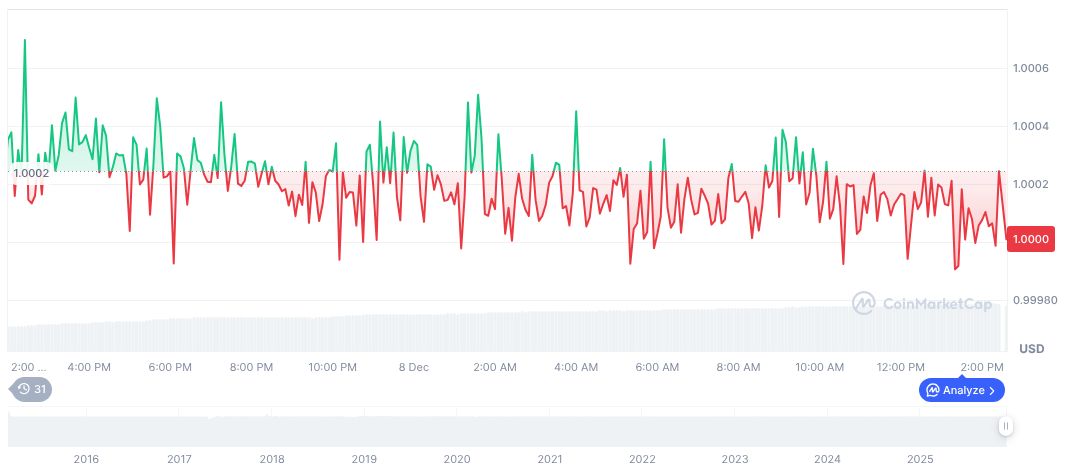
Tether (USDT) trades at $1.00 with a market cap of $185.74 billion. Its market dominance stands at 6.03%, with a 24-hour trading volume of $85.75 billion, reflecting an 8.55% change. Price movements show minor fluctuations over different periods; for exact data and updates, visit CoinMarketCap.
The Coincu research team emphasizes the rising risk of impersonation attacks, stressing the necessity of stringent security protocols and use of hardware devices. Regulatory frameworks may evolve, focusing on reducing vulnerabilities tied to inadequate key management. Additionally, these incidents may prompt innovations in blockchain security solutions.
| DISCLAIMER: The information on this website is provided as general market commentary and does not constitute investment advice. We encourage you to do your own research before investing. |

No tags available.


Other Posts









- Amplify 2024: Ohio’s Premier Blockchain Summit
- Polymarket Announces U.S. Beta Relaunch Amid Market Buzz
- China, US Conclude Trade Talks with Focus on Cooperation
- Crypto Weekly: NYSE Backs OKX, Kraken Gets Fed Access, BTC Sells
- Michael Saylor Denies Bitcoin Sell-Off Amid Large BTC Transfer
- Court Upholds Fed’s Rejection of Custodia Bank’s Request
- EU Opens Antitrust Probe Into Deutsche Boerse and Nasdaq Derivatives Dealings
- Kazakhstan Explores Crypto Reserves Backed by National Funds
- Nordea Bank Introduces Bitcoin ETP Trading for Nordic Customers
- JPMorgan Increases Holdings in BlackRock’s Bitcoin ETF
- XRP Spot ETF Launches on Nasdaq Amid Market Fluctuations
- JPMorgan Chase Launches 24/7 Digital Deposit Token for Clients
- Crypto Leaders Address Macro Volatility Amid Market Shifts
- Former CFO Convicted for $35M Fraudulent Crypto Investment
- Peter Schiff Challenges Michael Saylor on MSTR’s Business Model
- U.S. Treasury Proposes New Tax Relief Regulations
- WLFI Under Fire: Analyst Warns Hyperliquid Could Be Next
- SEC Scrutiny on ALT5 Sigma’s Leadership Disclosure Timing
- Japan to Reduce Cryptocurrency Tax to 20%
- Yala Injects $5.5 Million Amid Recovery Efforts
- Amplify 2024: Ohio’s Premier Blockchain Summit
- Polymarket Announces U.S. Beta Relaunch Amid Market Buzz
- China, US Conclude Trade Talks with Focus on Cooperation
- Crypto Weekly: NYSE Backs OKX, Kraken Gets Fed Access, BTC Sells
- Michael Saylor Denies Bitcoin Sell-Off Amid Large BTC Transfer
- Court Upholds Fed’s Rejection of Custodia Bank’s Request
- EU Opens Antitrust Probe Into Deutsche Boerse and Nasdaq Derivatives Dealings
- Kazakhstan Explores Crypto Reserves Backed by National Funds
- Nordea Bank Introduces Bitcoin ETP Trading for Nordic Customers
- JPMorgan Increases Holdings in BlackRock’s Bitcoin ETF
- XRP Spot ETF Launches on Nasdaq Amid Market Fluctuations
- JPMorgan Chase Launches 24/7 Digital Deposit Token for Clients
- Crypto Leaders Address Macro Volatility Amid Market Shifts
- Former CFO Convicted for $35M Fraudulent Crypto Investment
- Peter Schiff Challenges Michael Saylor on MSTR’s Business Model
- U.S. Treasury Proposes New Tax Relief Regulations
- WLFI Under Fire: Analyst Warns Hyperliquid Could Be Next
- SEC Scrutiny on ALT5 Sigma’s Leadership Disclosure Timing
- Japan to Reduce Cryptocurrency Tax to 20%
- Yala Injects $5.5 Million Amid Recovery Efforts
- Amplify 2024: Ohio’s Premier Blockchain Summit
- Polymarket Announces U.S. Beta Relaunch Amid Market Buzz
- China, US Conclude Trade Talks with Focus on Cooperation
- Crypto Weekly: NYSE Backs OKX, Kraken Gets Fed Access, BTC Sells
- Michael Saylor Denies Bitcoin Sell-Off Amid Large BTC Transfer
- Court Upholds Fed’s Rejection of Custodia Bank’s Request
- EU Opens Antitrust Probe Into Deutsche Boerse and Nasdaq Derivatives Dealings
- Kazakhstan Explores Crypto Reserves Backed by National Funds
- Nordea Bank Introduces Bitcoin ETP Trading for Nordic Customers
- JPMorgan Increases Holdings in BlackRock’s Bitcoin ETF
- XRP Spot ETF Launches on Nasdaq Amid Market Fluctuations
- JPMorgan Chase Launches 24/7 Digital Deposit Token for Clients
- Crypto Leaders Address Macro Volatility Amid Market Shifts
- Former CFO Convicted for $35M Fraudulent Crypto Investment
- Peter Schiff Challenges Michael Saylor on MSTR’s Business Model
- U.S. Treasury Proposes New Tax Relief Regulations
- WLFI Under Fire: Analyst Warns Hyperliquid Could Be Next
- SEC Scrutiny on ALT5 Sigma’s Leadership Disclosure Timing
- Japan to Reduce Cryptocurrency Tax to 20%
- Yala Injects $5.5 Million Amid Recovery Efforts
Latest











Press Release

Now Live: MetaWinners Community Launches $METAWIN Token Presale

Bitmine Immersion Technologies (BMNR) Announces ETH Holdings Reach 4.596 Million Tokens, and Total Crypto and Total Cash Holdings of $11.5 Billion