How a Strait of Hormuz closure triggers a certainty recession
A certainty recession describes a downturn made effectively unavoidable by persistent uncertainty that freezes decisions on spending, hiring, and investment. In this case, a forced shutdown of a top energy artery would transmit an immediate energy-price shock into inflation, complicating central-bank policy and compressing real incomes.
Signals of closure risk have intensified. An Islamic Revolutionary Guard Corps official claimed the waterway was closed, raising the probability of prolonged disruption and market repricing, as reported by Times of Israel.
Why it matters: energy chokepoint and oil price shock
The strait of Hormuz carries about one-fifth of global seaborne crude and one-fifth of LNG shipments, concentrating supply risk in a narrow corridor, as reported by The Guardian. A prolonged blockage would leave limited short-term substitutes, amplifying price sensitivity to even small flow reductions.
A multi-week disruption would likely deliver a sharp oil price impulse and broader commodity volatility, according to CBS news coverage of expert assessments. That shock would lift headline inflation, raise breakeven expectations, and erode real household demand even if underlying core pressures remain stickier.
Mitigating levers exist but are finite. Strategic petroleum reserves, incremental OPEC+ spare capacity, and partial rerouting could soften the blow, yet timing, scale, and coordination would determine how quickly prices normalize.
Immediate impacts on shipping, inflation, and financial conditions
Shipping risks would rise immediately. War-risk insurance premia typically climb when vessels face targeted attacks or navigational threats, while diversions add days, fuel costs, and congestion that reverberate through schedules and inventories.
Inflation would transmit in waves. First-round effects hit energy and freight; second-round effects lift goods, food, and services via higher input costs. Central banks could face a policy trade-off if inflation rises as growth slows, rekindling stagflation concerns.
Financial conditions would likely tighten. Risk premia and volatility typically increase during supply shocks; credit spreads can widen, dealmaking slows, and corporate capex is deferred, precisely the demand channel that hardens a certainty recession path.
At the time of this writing, exchange data indicate TotalEnergies SE (TTE) recently traded near 80.42 on NYSE–Nasdaq real-time pricing, offering context that energy majors can move with crude and policy headlines rather than fundamentals alone.
Signals from IMF, Citigroup, and BIMCO
Energy supply, inflation, and growth risks highlighted
Institutional guidance converges on the same chain: a Hormuz interruption tightens supply, lifts inflation, suppresses growth, and elevates downside risks to global GDP. Citigroup’s analysts have flagged the likelihood of a sharp oil spike under a closure scenario while judging a sustained, multi-month shutdown as less probable, with efforts to reopen likely prioritized.
Editorial note: The following quotation reflects an institution’s high-level risk framing rather than a price forecast.
“Oil supply shocks like that would lead to higher inflation and slower global expansion,” said Kristalina Georgieva, Managing Director, at the IMF.
Shipping security, rerouting, and insurance constraints
Industry groups indicate shipowners are reassessing transits, with potential for reduced flows if security risks persist. Fewer passages would curtail available oil and LNG on the water, transmitting higher energy costs globally.
“We are already seeing operators avoid the route due to security risks, and that can materially reduce energy flows,” said Jakob Larsen at BIMCO.
FAQ about Strait of Hormuz closure
Which countries and sectors are most exposed to a Hormuz shutdown, and who could benefit?
Energy-importing economies, fuel-intensive industries, and trade-dependent manufacturers are most exposed. Some non-Hormuz oil and gas exporters could benefit from stronger terms if volumes are uninterrupted.
What scenarios are experts considering (partial disruption vs. multi-month closure) and what are the timelines to reopen?
Analysts consider partial disruption with rerouting and higher insurance versus a sustained, multi-month closure. Timelines depend on security, diplomacy, and repairs; authorities would likely prioritize rapid reopening.
| DISCLAIMER: The information on this website is provided as general market commentary and does not constitute investment advice. We encourage you to do your own research before investing. |


Other Posts







- Amplify 2024: Ohio’s Premier Blockchain Summit
- Polymarket Announces U.S. Beta Relaunch Amid Market Buzz
- China, US Conclude Trade Talks with Focus on Cooperation
- Crypto Weekly: NYSE Backs OKX, Kraken Gets Fed Access, BTC Sells
- CELO holds as Celo reviews Opera 160M token claim
- DeriW Launches Edge Hour Trading Competition Platform for Derivatives Traders
- Michael Saylor Denies Bitcoin Sell-Off Amid Large BTC Transfer
- Court Upholds Fed’s Rejection of Custodia Bank’s Request
- EU Opens Antitrust Probe Into Deutsche Boerse and Nasdaq Derivatives Dealings
- Kazakhstan Explores Crypto Reserves Backed by National Funds
- JPMorgan Increases Holdings in BlackRock’s Bitcoin ETF
- Nordea Bank Introduces Bitcoin ETP Trading for Nordic Customers
- XRP Spot ETF Launches on Nasdaq Amid Market Fluctuations
- JPMorgan Chase Launches 24/7 Digital Deposit Token for Clients
- Crypto Leaders Address Macro Volatility Amid Market Shifts
- Former CFO Convicted for $35M Fraudulent Crypto Investment
- Peter Schiff Challenges Michael Saylor on MSTR’s Business Model
- Thailand Orders Worldcoin to Delete 1.2 Million Biometric Records
- UK Proposes New DeFi Tax Framework to Ease User Burden
- U.S. Treasury Proposes New Tax Relief Regulations
- Amplify 2024: Ohio’s Premier Blockchain Summit
- Polymarket Announces U.S. Beta Relaunch Amid Market Buzz
- China, US Conclude Trade Talks with Focus on Cooperation
- Crypto Weekly: NYSE Backs OKX, Kraken Gets Fed Access, BTC Sells
- CELO holds as Celo reviews Opera 160M token claim
- DeriW Launches Edge Hour Trading Competition Platform for Derivatives Traders
- Michael Saylor Denies Bitcoin Sell-Off Amid Large BTC Transfer
- Court Upholds Fed’s Rejection of Custodia Bank’s Request
- EU Opens Antitrust Probe Into Deutsche Boerse and Nasdaq Derivatives Dealings
- Kazakhstan Explores Crypto Reserves Backed by National Funds
- JPMorgan Increases Holdings in BlackRock’s Bitcoin ETF
- Nordea Bank Introduces Bitcoin ETP Trading for Nordic Customers
- XRP Spot ETF Launches on Nasdaq Amid Market Fluctuations
- JPMorgan Chase Launches 24/7 Digital Deposit Token for Clients
- Crypto Leaders Address Macro Volatility Amid Market Shifts
- Former CFO Convicted for $35M Fraudulent Crypto Investment
- Peter Schiff Challenges Michael Saylor on MSTR’s Business Model
- Thailand Orders Worldcoin to Delete 1.2 Million Biometric Records
- UK Proposes New DeFi Tax Framework to Ease User Burden
- U.S. Treasury Proposes New Tax Relief Regulations
- Amplify 2024: Ohio’s Premier Blockchain Summit
- Polymarket Announces U.S. Beta Relaunch Amid Market Buzz
- China, US Conclude Trade Talks with Focus on Cooperation
- Crypto Weekly: NYSE Backs OKX, Kraken Gets Fed Access, BTC Sells
- CELO holds as Celo reviews Opera 160M token claim
- DeriW Launches Edge Hour Trading Competition Platform for Derivatives Traders
- Michael Saylor Denies Bitcoin Sell-Off Amid Large BTC Transfer
- Court Upholds Fed’s Rejection of Custodia Bank’s Request
- EU Opens Antitrust Probe Into Deutsche Boerse and Nasdaq Derivatives Dealings
- Kazakhstan Explores Crypto Reserves Backed by National Funds
- JPMorgan Increases Holdings in BlackRock’s Bitcoin ETF
- Nordea Bank Introduces Bitcoin ETP Trading for Nordic Customers
- XRP Spot ETF Launches on Nasdaq Amid Market Fluctuations
- JPMorgan Chase Launches 24/7 Digital Deposit Token for Clients
- Crypto Leaders Address Macro Volatility Amid Market Shifts
- Former CFO Convicted for $35M Fraudulent Crypto Investment
- Peter Schiff Challenges Michael Saylor on MSTR’s Business Model
- Thailand Orders Worldcoin to Delete 1.2 Million Biometric Records
- UK Proposes New DeFi Tax Framework to Ease User Burden
- U.S. Treasury Proposes New Tax Relief Regulations
Latest



Press Release

Polkadot’s $145M Legacy vs. DOGEBALL’s Future: These are the Best Cryptos to Buy Now
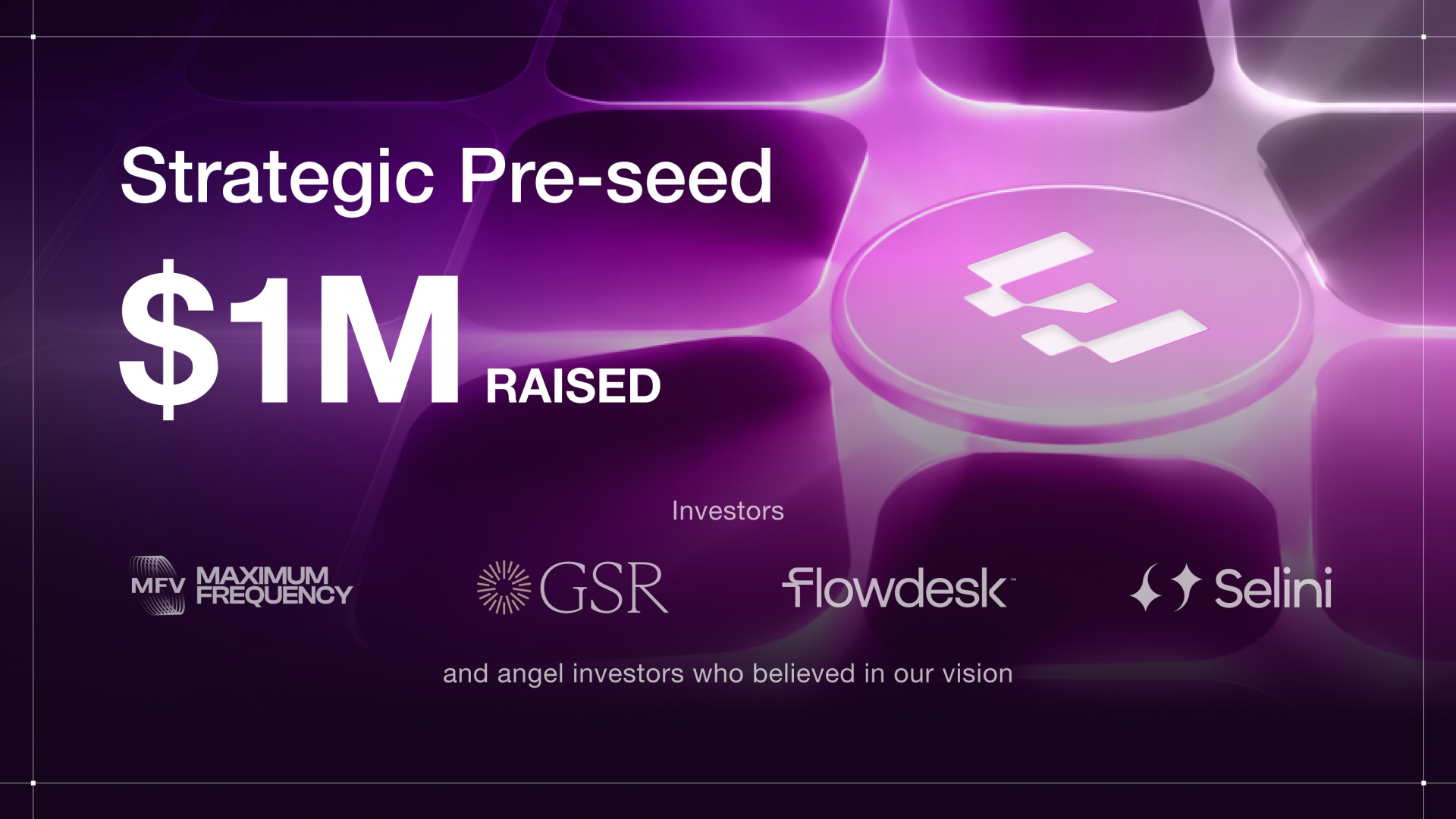
Enhanced Secures $1M in Strategic Pre-Seed Funding to Bring Structured Yield to More Assets Onchain