Trump’s warning: Kharg Island strike would target Iran’s oil lifeline
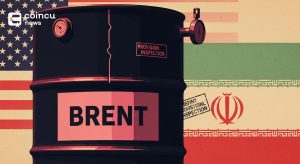
Donald Trump warned that a new U.S. strike could target Iran’s Kharg Island, the country’s main oil export hub. He also urged Europe to help ensure Strait of Hormuz maritime security amid global oil price volatility.
The warning frames Kharg as Iran’s oil lifeline, where most seaborne crude is staged for export. Any strike discussion raises questions about escalation, maritime risk, and how quickly energy markets might react.
Why the Kharg Island oil export terminal matters globally
Kharg concentrates export infrastructure, terminals, storage, and loading capacity, creating a single point of failure. Energy specialists note that disabling such a node can interrupt flows more severely than dispersed field outages.
according to energy strategist Sara Vakhshouri, targeting the hub would align with a doctrine of wielding energy power, and it could trigger sharp price spikes and invite retaliation against regional infrastructure.
Lynette Nusbacher, a former British army intelligence officer, has cautioned that destroying or seizing fixed infrastructure can have lasting effects, complicating repairs and widening escalation risks.
Immediate risks: global oil price volatility and tanker shipping
Tanker owners and charterers may reassess loading at a threatened terminal, while insurers reprice war-risk cover. Bob McNally has noted that direct threats to Kharg could make cargoes harder to place.
Iranian officials have signaled a forceful response if the hub is attacked. Ali Shamkhani, a senior advisor to Iran’s supreme leader, said, “any aggression will face an immediate harsh response beyond its planners’ imagination.”
Any confrontation near loading points or along outbound routes could slow sailings, extend voyage times, and tighten effective supply. Secondary impacts could emerge at alternative Gulf terminals if risk perceptions spread.
Strait of Hormuz maritime security and Europe’s potential role
The Strait of Hormuz remains the chokepoint for Gulf crude, including any shipments from Kharg once tankers depart Iran’s waters. Keeping sea lanes open depends on deconfliction, surveillance, and predictable rules of engagement.
According to Iran’s foreign minister, Abbas Araghchi, some countries have approached Tehran seeking safe passage for ships, with access decisions resting with Iran’s military. That highlights the diplomatic channels shaping immediate maritime outcomes.
According to Horn Review, European capitals, including France, have voiced legal and diplomatic apprehensions about being asked to guarantee “free and safe passage” amid conflict risk. Liability, mandate, and escalation thresholds remain core concerns.
European options to help ensure safe navigation
Europe could back a narrowly scoped maritime security mission focused on convoying, deconfliction hotlines, and information sharing, calibrated to avoid combat roles. Coordinating insurance waivers and rapid claims processing could support continuity.
Diplomatic steps might include a contact group engaging Tehran and Gulf states on incident prevention and notification protocols. Technical assistance on AIS integrity and drone detection could reduce miscalculation risks.
Analyst views: J.P. Morgan, Chatham House, Verisk Maplecroft
According to J.P. Morgan, the loss or severe damage of Kharg would immediately halt the bulk of Iran’s crude exports, increasing market volatility and the risk of retaliatory action beyond the terminal itself.
Chatham House has warned that a strike or seizure of the hub could drive a sharp oil price surge, while Verisk Maplecroft emphasizes that attacks on critical export and rerouting nodes tend to amplify global price pressure.
FAQ about Kharg Island oil export terminal
How would a U.S. strike on Kharg Island affect global oil prices and tanker shipping?
It would likely constrain Iran’s exports, tighten effective supply, lift volatility, and complicate insurance and routing. Tankers may delay, reroute, or require escorts and higher war-risk premiums.
What are the immediate risks in the Strait of Hormuz, and how could Europe help secure navigation?
Risks include vessel harassment, mines, drones, and miscalculation in congested lanes. Europe could bolster deconfliction, limited convoying, surveillance sharing, and insurance backstops without assuming open-ended combat mandates.
| DISCLAIMER: The information on this website is provided as general market commentary and does not constitute investment advice. We encourage you to do your own research before investing. |


Other Posts








- Amplify 2024: Ohio’s Premier Blockchain Summit
- Polymarket Announces U.S. Beta Relaunch Amid Market Buzz
- China, US Conclude Trade Talks with Focus on Cooperation
- Crypto Weekly: NYSE Backs OKX, Kraken Gets Fed Access, BTC Sells
- CELO holds as Celo reviews Opera 160M token claim
- Michael Saylor Denies Bitcoin Sell-Off Amid Large BTC Transfer
- DeriW Launches Edge Hour Trading Competition Platform for Derivatives Traders
- Court Upholds Fed’s Rejection of Custodia Bank’s Request
- EU Opens Antitrust Probe Into Deutsche Boerse and Nasdaq Derivatives Dealings
- Kazakhstan Explores Crypto Reserves Backed by National Funds
- JPMorgan Increases Holdings in BlackRock’s Bitcoin ETF
- Nordea Bank Introduces Bitcoin ETP Trading for Nordic Customers
- XRP Spot ETF Launches on Nasdaq Amid Market Fluctuations
- JPMorgan Chase Launches 24/7 Digital Deposit Token for Clients
- Crypto Leaders Address Macro Volatility Amid Market Shifts
- Former CFO Convicted for $35M Fraudulent Crypto Investment
- Peter Schiff Challenges Michael Saylor on MSTR’s Business Model
- Thailand Orders Worldcoin to Delete 1.2 Million Biometric Records
- UK Proposes New DeFi Tax Framework to Ease User Burden
- U.S. Treasury Proposes New Tax Relief Regulations
- Amplify 2024: Ohio’s Premier Blockchain Summit
- Polymarket Announces U.S. Beta Relaunch Amid Market Buzz
- China, US Conclude Trade Talks with Focus on Cooperation
- Crypto Weekly: NYSE Backs OKX, Kraken Gets Fed Access, BTC Sells
- CELO holds as Celo reviews Opera 160M token claim
- Michael Saylor Denies Bitcoin Sell-Off Amid Large BTC Transfer
- DeriW Launches Edge Hour Trading Competition Platform for Derivatives Traders
- Court Upholds Fed’s Rejection of Custodia Bank’s Request
- EU Opens Antitrust Probe Into Deutsche Boerse and Nasdaq Derivatives Dealings
- Kazakhstan Explores Crypto Reserves Backed by National Funds
- JPMorgan Increases Holdings in BlackRock’s Bitcoin ETF
- Nordea Bank Introduces Bitcoin ETP Trading for Nordic Customers
- XRP Spot ETF Launches on Nasdaq Amid Market Fluctuations
- JPMorgan Chase Launches 24/7 Digital Deposit Token for Clients
- Crypto Leaders Address Macro Volatility Amid Market Shifts
- Former CFO Convicted for $35M Fraudulent Crypto Investment
- Peter Schiff Challenges Michael Saylor on MSTR’s Business Model
- Thailand Orders Worldcoin to Delete 1.2 Million Biometric Records
- UK Proposes New DeFi Tax Framework to Ease User Burden
- U.S. Treasury Proposes New Tax Relief Regulations
- Amplify 2024: Ohio’s Premier Blockchain Summit
- Polymarket Announces U.S. Beta Relaunch Amid Market Buzz
- China, US Conclude Trade Talks with Focus on Cooperation
- Crypto Weekly: NYSE Backs OKX, Kraken Gets Fed Access, BTC Sells
- CELO holds as Celo reviews Opera 160M token claim
- Michael Saylor Denies Bitcoin Sell-Off Amid Large BTC Transfer
- DeriW Launches Edge Hour Trading Competition Platform for Derivatives Traders
- Court Upholds Fed’s Rejection of Custodia Bank’s Request
- EU Opens Antitrust Probe Into Deutsche Boerse and Nasdaq Derivatives Dealings
- Kazakhstan Explores Crypto Reserves Backed by National Funds
- JPMorgan Increases Holdings in BlackRock’s Bitcoin ETF
- Nordea Bank Introduces Bitcoin ETP Trading for Nordic Customers
- XRP Spot ETF Launches on Nasdaq Amid Market Fluctuations
- JPMorgan Chase Launches 24/7 Digital Deposit Token for Clients
- Crypto Leaders Address Macro Volatility Amid Market Shifts
- Former CFO Convicted for $35M Fraudulent Crypto Investment
- Peter Schiff Challenges Michael Saylor on MSTR’s Business Model
- Thailand Orders Worldcoin to Delete 1.2 Million Biometric Records
- UK Proposes New DeFi Tax Framework to Ease User Burden
- U.S. Treasury Proposes New Tax Relief Regulations
Latest


Crypto Liquidations Hit $59.82M in 24 Hours as Shorts Lead Losses

Crypto Liquidations Reach $49.02M in 24 Hours as Shorts Lead Losses








Press Release

MEXC Announces USD1 Launchpool Event with 1,500,000 WLFI Prize Pool

Manhattan Private Credit Launches Network to Connect Investors With Private Credit Markets as Bank Lending Continues to Contract