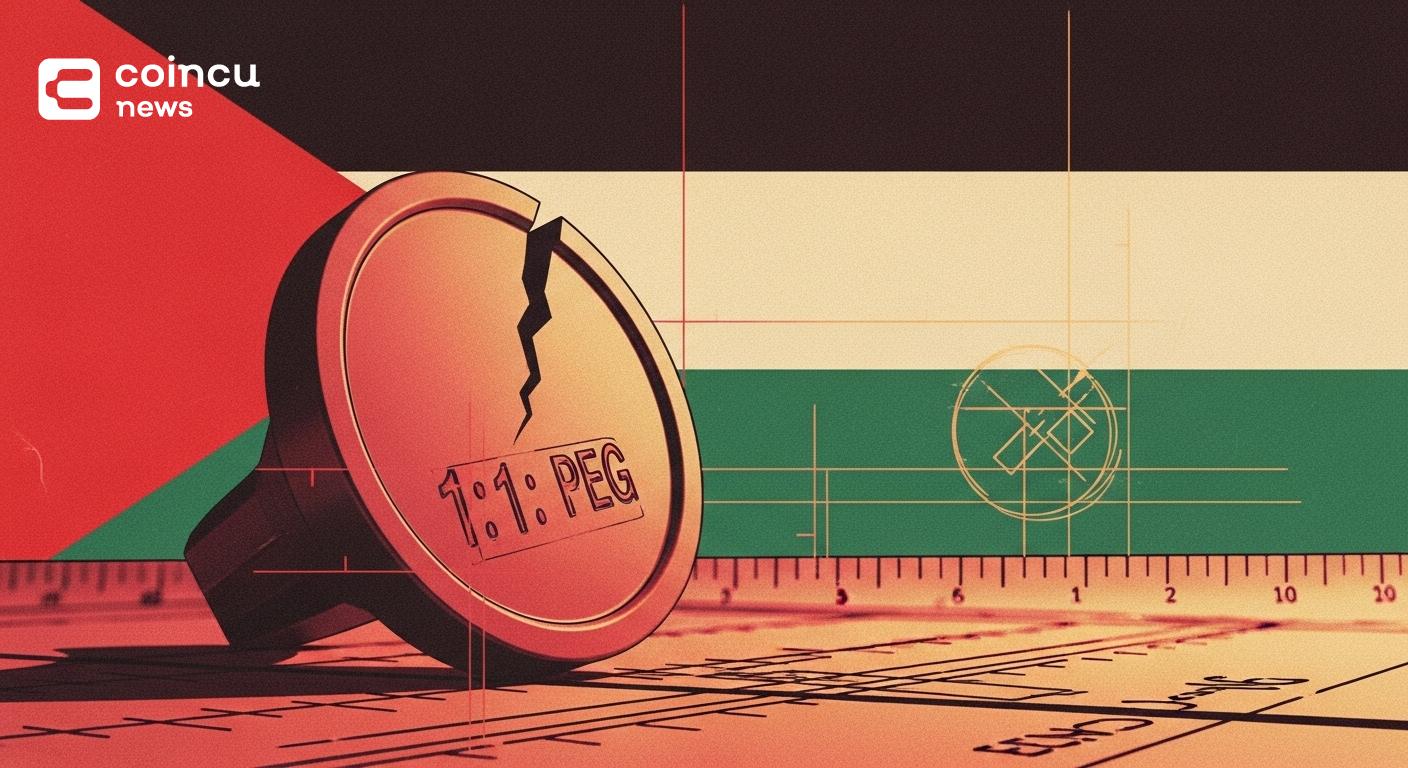
Gaza stablecoin plan from Trump’s Board of Peace: status and scope
Trump’s Board of Peace is exploring a USD-backed “Gaza stablecoin” to reshape the territory’s economy, as reported by the Financial Times. The proposal positions a dollar-denominated digital token as a potential payment rail for reconstruction and daily transactions.
The National Committee for the Administration of Gaza (NCAG) features prominently in the governance picture. The United Nations Security Council authorized transitional roles for the Board of Peace and the NCAG under Resolution 2803, but it did not specifically mandate a stablecoin. Any digital instrument would therefore need additional policy and compliance decisions before deployment.
Why a USD-backed stablecoin matters: cash shortages and digital payments
The policy rationale centers on reducing reliance on physical cash and enabling digital payments for aid disbursements, utilities, and salaries, according to Bitcoinist. A stablecoin could also standardize transfers to merchants and public-service providers if on/off-ramps are accessible.
NCAG leadership has outlined broader reconstruction priorities, including restoring electricity, water, and health services, as reported by Al Jazeera. A dollar-backed instrument is being discussed within this wider rebuild agenda rather than as a standalone monetary regime.
Immediate implications: governance, oversight, and adoption constraints
Key governance questions include selection of an issuer, reserve custody, attestations, and reporting; AML/KYC and sanctions screening would be central to access rules. Given the dollar denomination, U.S.-aligned compliance expectations are likely decisive for reserve management and distribution, as noted by The Block.
Experts caution that moving too quickly could undermine transparency and effectiveness. “The proposal is very premature,” said Snir Levi, CEO of Nominis, highlighting the need for a robust framework before launch.
Digital uptake will also depend on practical constraints: electricity reliability, internet connectivity, device availability, and merchant acceptance. These infrastructure factors could limit initial usage even if policy approvals progress, according to AInvest.
At the time of this writing, Coinbase Global (COIN) was quoted around $160.39 after hours, based on data from Yahoo Finance. This market snapshot provides context on broader crypto-exposure equities while policy work on Gaza’s payments rails remains ongoing.
How it could work: issuance, compliance, and infrastructure
A functional design would likely hinge on four elements: issuer selection, reserve governance, access rules, and redemption mechanics. Clear processes for minting and burning, plus transparent attestations, would support credibility and convertibility.
Issuer, reserves, and oversight roles: Board of Peace, NCAG, UNSC
The Board of Peace could act as policy sponsor, setting objectives and criteria for an issuing entity. The NCAG could administer program access within Gaza’s civil systems while coordinating with humanitarian channels.
High-level legitimacy stems from UNSC’s transitional governance authorization, but a stablecoin would still require explicit reserve, auditing, and disclosure arrangements. Clear lines between policy oversight and issuer operations would be necessary to manage conflicts of interest.
Wallets, KYC/sanctions controls, and on/off-ramps for residents
Residents and merchants would need secure wallets that support identity verification, sanctions screening, and user protection features. Aid agencies and vetted money-service providers could serve as distribution nodes and cash-out points.
Resilience would improve with offline-capable transactions, SMS/USSD fallbacks, and merchant tools for small-value payments. Consumer safeguards and dispute processes would help build trust during early adoption.
FAQ about Gaza stablecoin
Who would regulate and oversee the stablecoin’s reserves, AML/KYC, and sanctions compliance?
UNSC authorized transitional governance, but no specific stablecoin regime exists. Oversight would likely combine Board of Peace policy, NCAG administration, and independent reserve attestation.
Will a Gaza stablecoin reduce cash shortages and enable digital payments for aid, utilities, and salaries?
It could digitize aid and salaries and reduce cash dependency. Actual impact depends on wallet access, connectivity, merchant acceptance, and rigorous compliance onboarding.
| DISCLAIMER: The information on this website is provided as general market commentary and does not constitute investment advice. We encourage you to do your own research before investing. |


Other Posts









- Amplify 2024: Ohio’s Premier Blockchain Summit
- Polymarket Announces U.S. Beta Relaunch Amid Market Buzz
- China, US Conclude Trade Talks with Focus on Cooperation
- Crypto Weekly: NYSE Backs OKX, Kraken Gets Fed Access, BTC Sells
- CELO holds as Celo reviews Opera 160M token claim
- DeriW Launches Edge Hour Trading Competition Platform for Derivatives Traders
- Michael Saylor Denies Bitcoin Sell-Off Amid Large BTC Transfer
- Court Upholds Fed’s Rejection of Custodia Bank’s Request
- EU Opens Antitrust Probe Into Deutsche Boerse and Nasdaq Derivatives Dealings
- Kazakhstan Explores Crypto Reserves Backed by National Funds
- JPMorgan Increases Holdings in BlackRock’s Bitcoin ETF
- Nordea Bank Introduces Bitcoin ETP Trading for Nordic Customers
- XRP Spot ETF Launches on Nasdaq Amid Market Fluctuations
- JPMorgan Chase Launches 24/7 Digital Deposit Token for Clients
- Crypto Leaders Address Macro Volatility Amid Market Shifts
- Former CFO Convicted for $35M Fraudulent Crypto Investment
- Peter Schiff Challenges Michael Saylor on MSTR’s Business Model
- Thailand Orders Worldcoin to Delete 1.2 Million Biometric Records
- UK Proposes New DeFi Tax Framework to Ease User Burden
- U.S. Treasury Proposes New Tax Relief Regulations
- Amplify 2024: Ohio’s Premier Blockchain Summit
- Polymarket Announces U.S. Beta Relaunch Amid Market Buzz
- China, US Conclude Trade Talks with Focus on Cooperation
- Crypto Weekly: NYSE Backs OKX, Kraken Gets Fed Access, BTC Sells
- CELO holds as Celo reviews Opera 160M token claim
- DeriW Launches Edge Hour Trading Competition Platform for Derivatives Traders
- Michael Saylor Denies Bitcoin Sell-Off Amid Large BTC Transfer
- Court Upholds Fed’s Rejection of Custodia Bank’s Request
- EU Opens Antitrust Probe Into Deutsche Boerse and Nasdaq Derivatives Dealings
- Kazakhstan Explores Crypto Reserves Backed by National Funds
- JPMorgan Increases Holdings in BlackRock’s Bitcoin ETF
- Nordea Bank Introduces Bitcoin ETP Trading for Nordic Customers
- XRP Spot ETF Launches on Nasdaq Amid Market Fluctuations
- JPMorgan Chase Launches 24/7 Digital Deposit Token for Clients
- Crypto Leaders Address Macro Volatility Amid Market Shifts
- Former CFO Convicted for $35M Fraudulent Crypto Investment
- Peter Schiff Challenges Michael Saylor on MSTR’s Business Model
- Thailand Orders Worldcoin to Delete 1.2 Million Biometric Records
- UK Proposes New DeFi Tax Framework to Ease User Burden
- U.S. Treasury Proposes New Tax Relief Regulations
- Amplify 2024: Ohio’s Premier Blockchain Summit
- Polymarket Announces U.S. Beta Relaunch Amid Market Buzz
- China, US Conclude Trade Talks with Focus on Cooperation
- Crypto Weekly: NYSE Backs OKX, Kraken Gets Fed Access, BTC Sells
- CELO holds as Celo reviews Opera 160M token claim
- DeriW Launches Edge Hour Trading Competition Platform for Derivatives Traders
- Michael Saylor Denies Bitcoin Sell-Off Amid Large BTC Transfer
- Court Upholds Fed’s Rejection of Custodia Bank’s Request
- EU Opens Antitrust Probe Into Deutsche Boerse and Nasdaq Derivatives Dealings
- Kazakhstan Explores Crypto Reserves Backed by National Funds
- JPMorgan Increases Holdings in BlackRock’s Bitcoin ETF
- Nordea Bank Introduces Bitcoin ETP Trading for Nordic Customers
- XRP Spot ETF Launches on Nasdaq Amid Market Fluctuations
- JPMorgan Chase Launches 24/7 Digital Deposit Token for Clients
- Crypto Leaders Address Macro Volatility Amid Market Shifts
- Former CFO Convicted for $35M Fraudulent Crypto Investment
- Peter Schiff Challenges Michael Saylor on MSTR’s Business Model
- Thailand Orders Worldcoin to Delete 1.2 Million Biometric Records
- UK Proposes New DeFi Tax Framework to Ease User Burden
- U.S. Treasury Proposes New Tax Relief Regulations
Latest

Chen Maobo Says Stablecoin Licensing Will Take ‘Small Steps, Quick Steps’


Michael Saylor: Strategy’s 2.05% Bitcoin Return Can Create ‘Infinite Cycle’
Press Release

Polkadot’s $145M Legacy vs. DOGEBALL’s Future: These are the Best Cryptos to Buy Now
Enhanced Secures $1M in Strategic Pre-Seed Funding to Bring Structured Yield to More Assets Onchain