Updated July 9, 2026
Quick Answer
If you want the short version, the best DeFi wallets to compare in 2026 are Rabby, MetaMask, Phantom, Trust Wallet, and a Ledger-backed wallet setup.
They solve different DeFi workflows:
- Rabby is strongest for active EVM users who care about transaction clarity.
- MetaMask remains the broad default for EVM compatibility and dApp access.
- Phantom is one of the cleanest choices for Solana-first and consumer-style multichain DeFi.
- Trust Wallet is a practical mobile-first option for broad multichain access.
- Ledger-backed setups are slower, but still make the most sense for users prioritizing security over speed.
The real chooser question is not just “which wallet holds tokens?” It is which wallet handles approvals, network switching, dApp connections, and operational risk in a way you can actually manage.
Why a “DeFi Wallet” Is Not the Same as a General Crypto Wallet
In DeFi, the wallet is not just for storage.
It is the control layer for:
- signing swaps and bridge transactions
- approving token allowances
- checking destination addresses and execution details
- switching between chains and dApps
- deciding how much speed you are willing to trade for safety
That is why a generic wallet roundup is not enough here. Some wallets are much better once you spend time in EVM DeFi. Some are easier on mobile. Some are cleaner for Solana-native activity. Some are slower on purpose because the security model matters more than convenience.
Coincu already has a refreshed page on the best hot wallets and a broader explainer on how to use a crypto wallet. This page is narrower: it compares wallets specifically through a DeFi workflow lens.
How We Chose These Wallets
This refresh does not pretend one wallet is universally best.
These five made the list because they each map to a distinct DeFi use case in 2026:
- active EVM execution
- broad EVM compatibility
- Solana and consumer-multichain DeFi
- mobile-first multichain activity
- hardware-backed DeFi security
The comparison also favors products with live official documentation or current official product pages rather than hype-driven wallet lists.
Quick Comparison
| Wallet | Best for | DeFi strength | Main trade-off |
|---|---|---|---|
| Rabby | EVM-native power users | clearer EVM workflow and focused product scope | weak fit for users who mainly live outside EVM |
| MetaMask | users who want maximum EVM compatibility | deep dApp compatibility and mature extension-plus-mobile flow | interface can feel crowded and flexible settings add room for mistakes |
| Phantom | Solana-first and consumer-style multichain users | strong everyday UX and cleaner DeFi flow than many extension-first wallets | less flexible for arbitrary custom-network behavior |
| Trust Wallet | mobile-first multichain users | broad chain coverage and mainstream self-custody UX | not always the best specialist tool for each chain’s power users |
| Ledger-backed setup | users who prioritize security for larger balances | hardware-backed signing and stronger operational separation | slower and less convenient for frequent DeFi actions |
1. Rabby
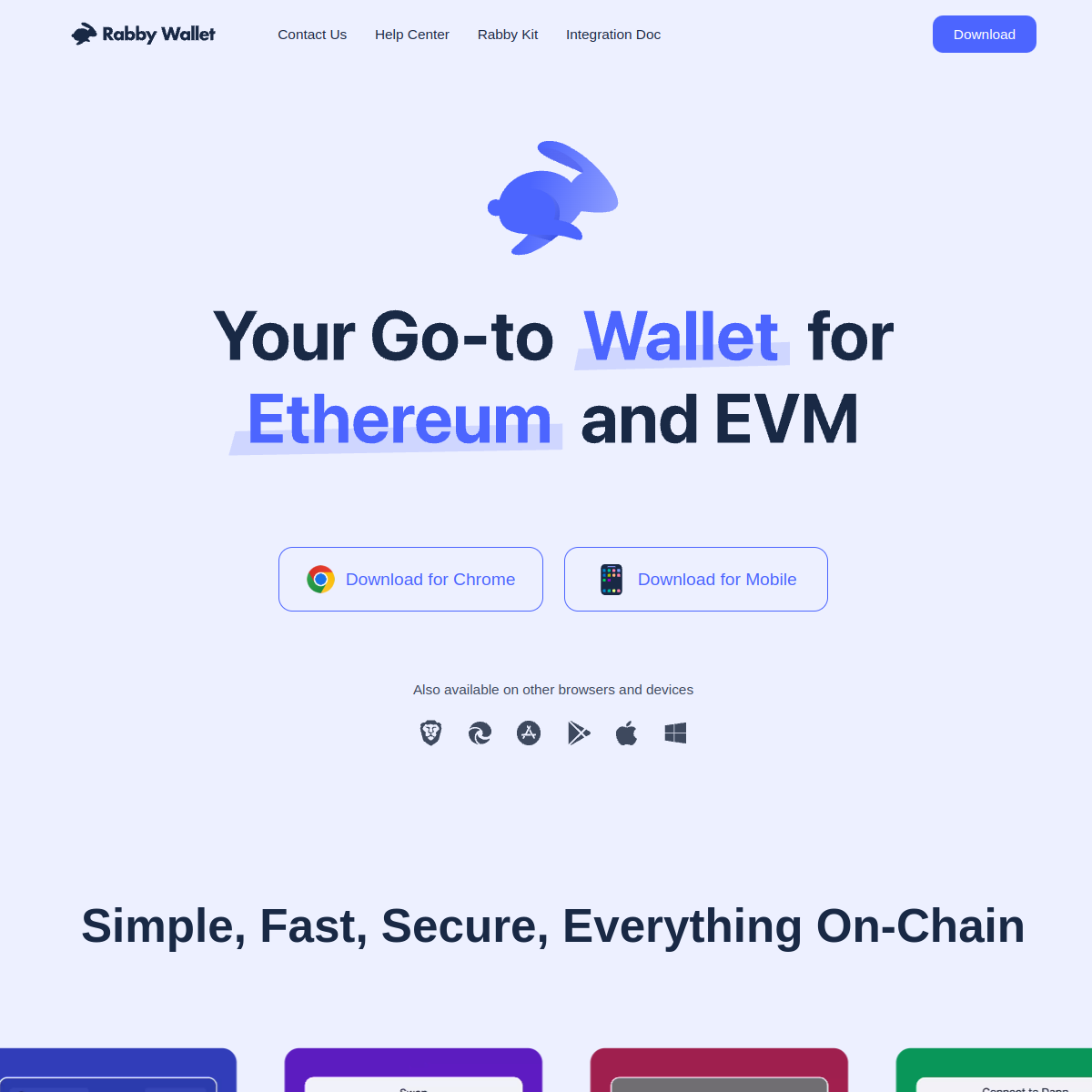
Rabby is one of the best DeFi wallets in 2026 for readers who spend most of their time on Ethereum and other EVM chains.
Its homepage positions it directly as a wallet for Ethereum and EVM. That narrower scope is exactly why it matters. Rabby is not trying to be the broadest wallet in every ecosystem. It is trying to be a better execution environment for EVM users. Its integration docs also reinforce that the product is built around dApp connectivity and EVM wallet behavior rather than generic portfolio management alone.
Why it made the list:
- strong EVM-first focus
- good fit for DeFi-native users
- more useful for active execution than a broad mainstream wallet trying to cover everything
What looks strongest in 2026:
- focused product identity
- better fit for frequent DeFi interaction than wallets designed first for passive holding
- strong alternative for users who want something more purpose-built than a generic default wallet
What remains weaker:
- not the right answer for users who mainly live on non-EVM chains
- more useful once the user already understands wallet permissions and DeFi transaction flow
Who it may suit:
- EVM power users
- active DeFi traders
- users who want a more focused daily wallet than a broad consumer product
Coincu already has a Rabby Wallet review that can support readers who want a more product-specific follow-up after this comparison.
2. MetaMask
MetaMask remains the broad default pick for DeFi users who want maximum EVM compatibility.
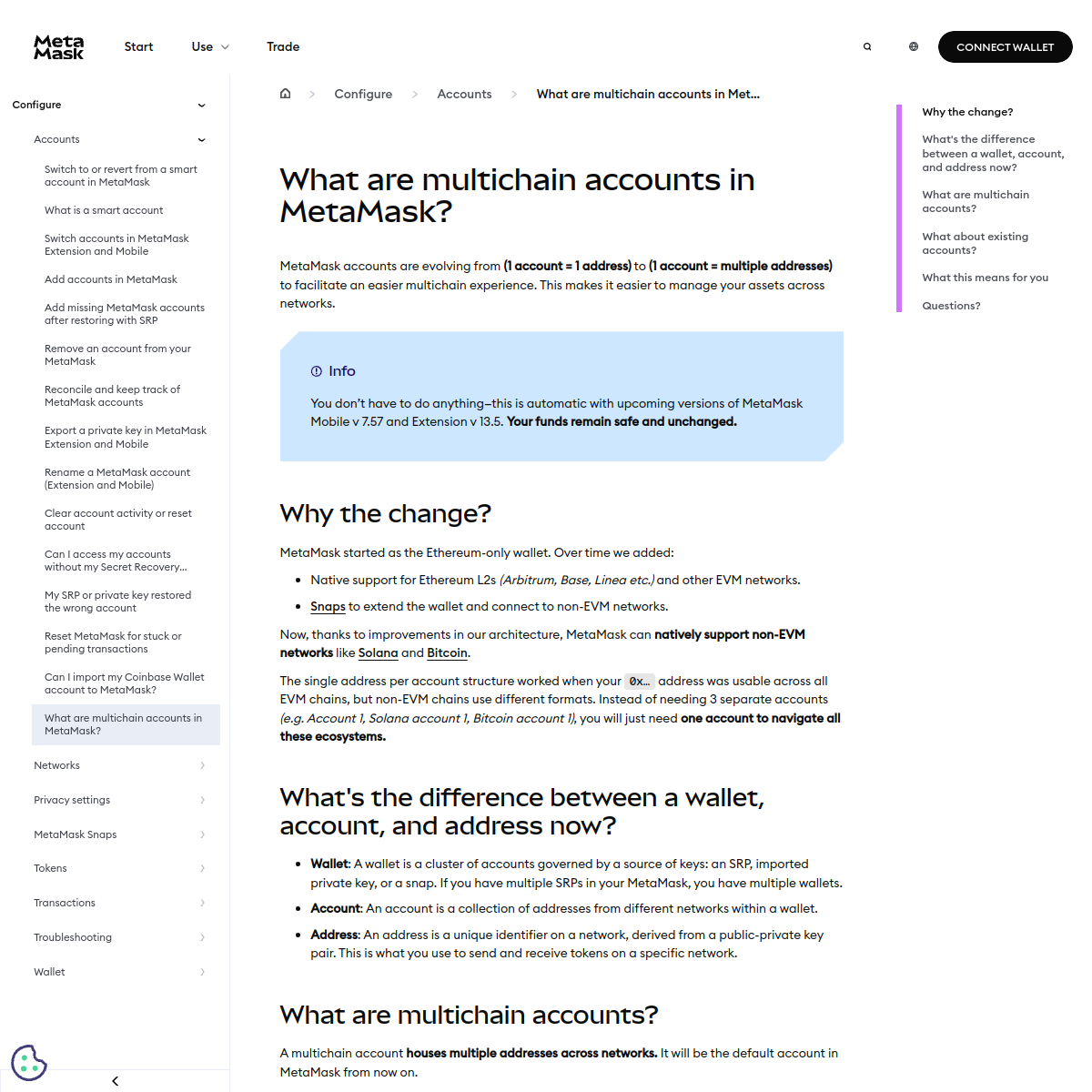
Its getting started documentation confirms the wallet remains available as both a browser extension and mobile app. Its multichain accounts documentation also shows how far the product has moved beyond the older one-chain mental model many users still carry.
Why it made the list:
- still one of the most important default gateways into EVM DeFi
- mature extension and mobile workflow
- broad app compatibility across EVM chains
What looks strongest in 2026:
- easiest answer when the user cares about broad EVM dApp support
- large ecosystem familiarity means more apps, guides, and support content
- more multichain-aware than older MetaMask versions
What remains weaker:
- interface complexity can add user error
- a flexible wallet is powerful, but it also creates more room for bad approvals, wrong-network actions, or sloppy operational habits
Who it may suit:
- users active across many EVM dApps
- DeFi users who want the broadest compatibility baseline
- readers who prefer a wallet they can use almost anywhere in EVM DeFi
Coincu also has a long-standing MetaMask review and a separate explainer on WalletConnect, both of which fit naturally around this page.
3. Phantom
Phantom makes this list because DeFi is no longer an EVM-only conversation, and many users now want a cleaner wallet experience than older browser-extension defaults provide.
Phantom’s homepage positions the app around trading, predictions, and broader crypto activity rather than just basic storage. In practice, Phantom has become much more than a simple Solana wallet, but its clean Solana-first experience remains its clearest DeFi advantage.
Why it made the list:
- strong everyday user experience
- natural fit for Solana-native DeFi
- broader product direction than many users still assume
What looks strongest in 2026:
- cleaner consumer UX than many older DeFi wallet interfaces
- good fit for readers who want active wallet usage without constant configuration friction
- strong bridge between consumer crypto habits and onchain app usage
What remains weaker:
- less configurable than wallets built around custom-network flexibility
- power users on EVM may still prefer a wallet built first around EVM tooling
Who it may suit:
- Solana users
- consumer-web3 users who still want DeFi access
- readers who care about daily usability as much as raw protocol reach
4. Trust Wallet
Trust Wallet remains one of the strongest mobile-first DeFi wallets for users who want wide chain coverage in a mainstream self-custody product.
Its browser-extension page highlights dApp access across more than 100 blockchain networks, self-custody, multi-wallet management, and hardware-wallet connection support. That broad positioning matters because a lot of DeFi users do not want to maintain a separate wallet for every ecosystem.
Why it made the list:
- broad multichain coverage
- strong mainstream recognition
- practical for users who move between mobile and extension workflows
What looks strongest in 2026:
- wide ecosystem reach
- simple mental model for users who want one familiar wallet across many assets
- strong fit for users who mix holding, swapping, and dApp access in one product
What remains weaker:
- broad support does not automatically mean specialist-grade tooling on every chain
- advanced DeFi users may still prefer a more focused execution wallet
Who it may suit:
- mobile-first DeFi users
- multichain users
- readers who want a mainstream self-custody wallet without giving up dApp access
Coincu also has a Trust Wallet review and a practical guide on finding your Trust Wallet recovery phrase for readers who need support content around setup and recovery.
5. Ledger-Backed Wallet Setup
A Ledger-backed setup still belongs in any serious DeFi wallet comparison because not every DeFi user should optimize for speed first.
Ledger’s official site explicitly frames its wallet ecosystem around security for DeFi and Web3. In practice, the reason to use Ledger in DeFi is simple: a hardware-backed signer creates stronger separation between online wallet activity and the keys controlling larger balances.
Why it made the list:
- strong security fit for larger balances
- useful for users who want to interact with DeFi without keeping every key in a hot environment
- works best as part of a stack rather than as a pure standalone DeFi app
What looks strongest in 2026:
- security model is still the main differentiator
- strong fit for users who want to combine self-custody with a stricter signing habit
- useful as the slower, safer layer in a two-wallet setup
What remains weaker:
- it is slower than a pure hot-wallet workflow
- frequent DeFi traders may find the extra signing friction annoying
- a hardware-backed setup still requires users to understand dApp approvals, bridges, and contract risk
Who it may suit:
- users with larger balances
- longer-term holders who still use DeFi selectively
- readers who want a hot-wallet and cold-wallet split rather than one wallet doing every job
Coincu’s explainer on hot wallets vs cold wallets is a useful companion here because the best DeFi setup is often a wallet stack, not one universal wallet.
Which DeFi Wallet Fits Which User
If you only want the practical chooser:
- choose Rabby if you mainly use Ethereum and EVM DeFi every day
- choose MetaMask if broad EVM compatibility matters more than a cleaner specialized interface
- choose Phantom if you are Solana-first or want a smoother consumer-style DeFi wallet
- choose Trust Wallet if you want a mainstream mobile-first multichain wallet
- choose a Ledger-backed setup if security for larger balances matters more than speed
That is the cleaner way to think about DeFi wallets now. Not as a one-number ranking, but as a match between execution style and risk tolerance.
What to Check Before Choosing a DeFi Wallet
Before moving funds, check:
- whether the wallet is strongest on EVM, Solana, or broad multichain usage
- how clearly it shows approvals, destination addresses, and transaction details
- whether you mostly use mobile, browser extension, or both
- whether you need hardware-wallet support
- whether you are choosing one daily wallet or a two-wallet stack with a safer long-term layer
For many users, the best answer is not one wallet. It is a smaller hot wallet for active DeFi and a safer storage setup for larger holdings.
FAQ
What is the best DeFi wallet in 2026?
There is no one answer for every user. Rabby, MetaMask, Phantom, Trust Wallet, and Ledger-backed setups all make sense for different reasons. The right choice depends on your chains, device habits, and how much security friction you can tolerate.
Which wallet is best for EVM DeFi?
Rabby and MetaMask are the strongest default starting points for EVM DeFi. MetaMask wins on compatibility breadth. Rabby makes more sense for users who want a more focused EVM execution environment.
Which wallet is best for Solana DeFi?
Phantom remains one of the clearest starting points for Solana DeFi because of its usability and strong fit with the Solana ecosystem.
Should I use a hardware wallet for DeFi?
Often yes for larger balances, but not always for every trade. Many users are better served by a wallet stack: a hot wallet for routine activity and a hardware-backed setup for larger holdings or slower, higher-value transactions.
Is Trust Wallet good for DeFi?
Yes, especially for users who want a mainstream multichain wallet with strong mobile usability. It may not be the most specialized tool for every chain’s power users, but it remains a practical DeFi wallet for a large share of readers.
Further Reading
- Best hot wallets for crypto storage
- What Is WalletConnect?
- How to use a crypto wallet
- Understanding hot wallets and cold wallets
References
- Rabby Wallet homepage
- Rabby integration docs
- MetaMask getting started
- MetaMask multichain accounts
- Phantom homepage
- Trust Wallet browser extension
- Ledger homepage


- China, US Conclude Trade Talks with Focus on Cooperation
- Crypto Weekly: NYSE Backs OKX, Kraken Gets Fed Access, BTC Sells
- Court Upholds Fed’s Rejection of Custodia Bank’s Request
- Former CFO Convicted for $35M Fraudulent Crypto Investment
- DeriW Launches Edge Hour Trading Competition Platform for Derivatives Traders
- Michael Saylor Denies Bitcoin Sell-Off Amid Large BTC Transfer
- Buy Dogecoin on eToro: Step-by-Step Guide for Beginners (2024)
- Kazakhstan Explores Crypto Reserves Backed by National Funds
- JPMorgan Increases Holdings in BlackRock’s Bitcoin ETF
- Nordea Bank Introduces Bitcoin ETP Trading for Nordic Customers
- XRP Spot ETF Launches on Nasdaq Amid Market Fluctuations
- Peter Schiff Challenges Michael Saylor on MSTR’s Business Model
- Thailand Orders Worldcoin to Delete 1.2 Million Biometric Records
- UK Proposes New DeFi Tax Framework to Ease User Burden
- WLFI Under Fire: Analyst Warns Hyperliquid Could Be Next
- Ancient Ethereum Whale Moves $1.19 Billion After Decade
- BlackRock Receives Large Crypto Transfers from Coinbase
- SEC Scrutiny on ALT5 Sigma’s Leadership Disclosure Timing
- Yala Injects $5.5 Million Amid Recovery Efforts
- Radiant Capital Faces $50M Loss in Major Security Breach
- China, US Conclude Trade Talks with Focus on Cooperation
- Crypto Weekly: NYSE Backs OKX, Kraken Gets Fed Access, BTC Sells
- Court Upholds Fed’s Rejection of Custodia Bank’s Request
- Former CFO Convicted for $35M Fraudulent Crypto Investment
- DeriW Launches Edge Hour Trading Competition Platform for Derivatives Traders
- Michael Saylor Denies Bitcoin Sell-Off Amid Large BTC Transfer
- Buy Dogecoin on eToro: Step-by-Step Guide for Beginners (2024)
- Kazakhstan Explores Crypto Reserves Backed by National Funds
- JPMorgan Increases Holdings in BlackRock’s Bitcoin ETF
- Nordea Bank Introduces Bitcoin ETP Trading for Nordic Customers
- XRP Spot ETF Launches on Nasdaq Amid Market Fluctuations
- Peter Schiff Challenges Michael Saylor on MSTR’s Business Model
- Thailand Orders Worldcoin to Delete 1.2 Million Biometric Records
- UK Proposes New DeFi Tax Framework to Ease User Burden
- WLFI Under Fire: Analyst Warns Hyperliquid Could Be Next
- Ancient Ethereum Whale Moves $1.19 Billion After Decade
- BlackRock Receives Large Crypto Transfers from Coinbase
- SEC Scrutiny on ALT5 Sigma’s Leadership Disclosure Timing
- Yala Injects $5.5 Million Amid Recovery Efforts
- Radiant Capital Faces $50M Loss in Major Security Breach
- China, US Conclude Trade Talks with Focus on Cooperation
- Crypto Weekly: NYSE Backs OKX, Kraken Gets Fed Access, BTC Sells
- Court Upholds Fed’s Rejection of Custodia Bank’s Request
- Former CFO Convicted for $35M Fraudulent Crypto Investment
- DeriW Launches Edge Hour Trading Competition Platform for Derivatives Traders
- Michael Saylor Denies Bitcoin Sell-Off Amid Large BTC Transfer
- Buy Dogecoin on eToro: Step-by-Step Guide for Beginners (2024)
- Kazakhstan Explores Crypto Reserves Backed by National Funds
- JPMorgan Increases Holdings in BlackRock’s Bitcoin ETF
- Nordea Bank Introduces Bitcoin ETP Trading for Nordic Customers
- XRP Spot ETF Launches on Nasdaq Amid Market Fluctuations
- Peter Schiff Challenges Michael Saylor on MSTR’s Business Model
- Thailand Orders Worldcoin to Delete 1.2 Million Biometric Records
- UK Proposes New DeFi Tax Framework to Ease User Burden
- WLFI Under Fire: Analyst Warns Hyperliquid Could Be Next
- Ancient Ethereum Whale Moves $1.19 Billion After Decade
- BlackRock Receives Large Crypto Transfers from Coinbase
- SEC Scrutiny on ALT5 Sigma’s Leadership Disclosure Timing
- Yala Injects $5.5 Million Amid Recovery Efforts
- Radiant Capital Faces $50M Loss in Major Security Breach

Former FBI Agent Charged With Stealing Nearly $1 Million in Crypto

Coldcard Exploit Raises Questions About Air-Gapped Bitcoin Wallet Security

BlackRock Launches Tokenized Money Market Funds on Solana, Ethereum
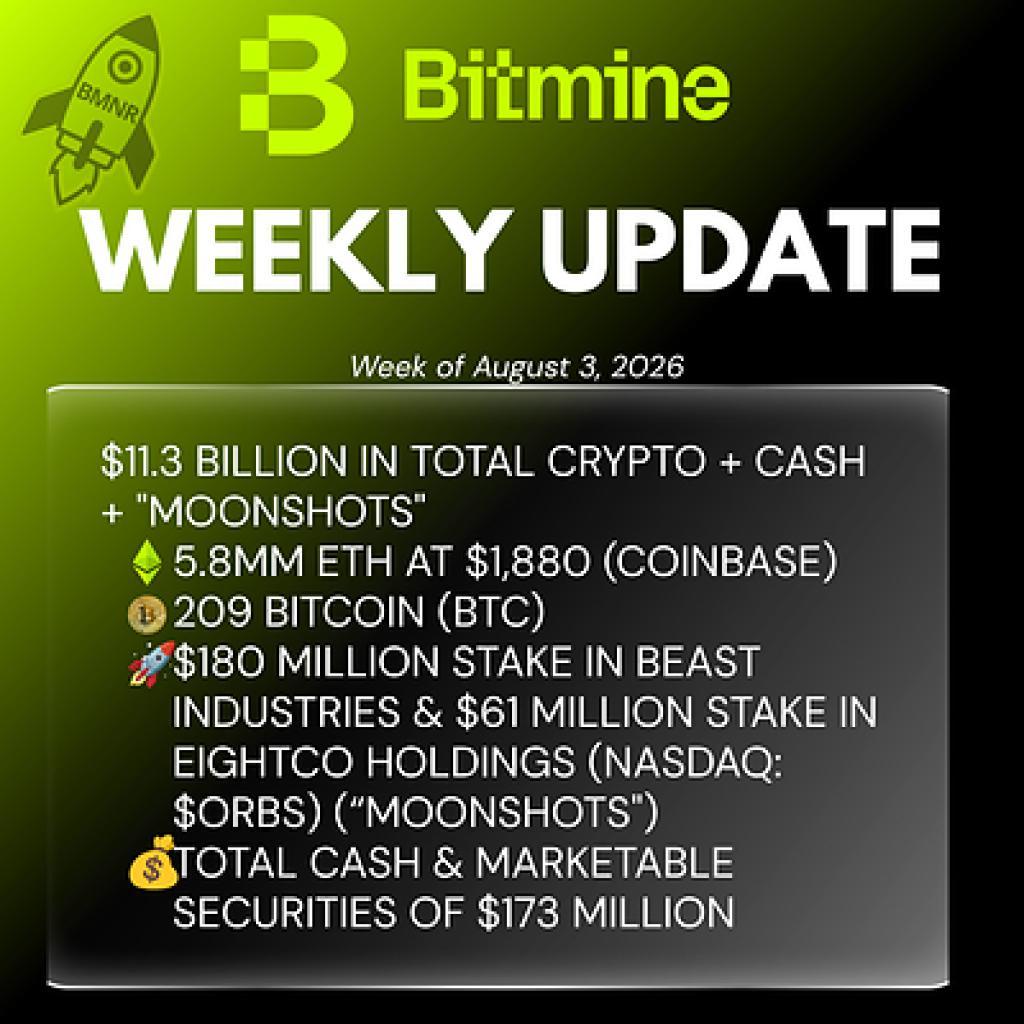
Bitmine Immersion Technologies (BMNR) Announces ETH Holdings Reach 5.8 Million Tokens, and Total Crypto and Total Cash Holdings of $11.3 Billion
Performa Marks One Year Live with Major Upgrade for Digital-Native SMBs