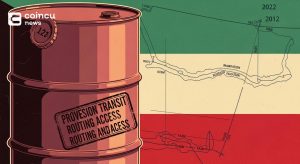
Is the Strait of Hormuz closed? IRGC threats; passage disputed
Iranian state media carried an Islamic Revolutionary Guard Corps (IRGC) claim that the strait of Hormuz “has been closed,” alongside threats to attack vessels attempting passage, as reported by The Times of Israel. the u.S. Central Command disputes that account and says the waterway remains open to commercial shipping despite Iranian statements.
Operational conditions are fluid, with elevated security risk and uncertainty over intentions versus actions. Maritime sources indicate some operators are reassessing near-term transits and timing while monitoring official guidance.
Why this matters: transit passage and freedom of navigation
The Strait of Hormuz sits at the core of global energy flows, so any disruption invokes rules on transit passage and freedom of navigation under international maritime law. Threats to attack civilian shipping raise serious legal and commercial exposure for state and private actors.
Iran’s prior seizures of commercial vessels have been described as violations of international law that undermine freedom of navigation, as reported by news.usni.org/2025/11/17/iran-strait-of-hormuz-tanker-seizure-violates-international-law-centcom-says” target=”_blank” rel=”nofollow noopener”>USNI News. Even without a formal blockade, credible threats can chill traffic, trigger naval escorts, and elevate miscalculation risk.
Immediate impact on oil prices, LNG, shipping, insurance
The near-term effect is operational rather than outright stoppage: shippers and charterers are altering routes, delaying sailings, and exercising greater caution, according to S&P Global Commodity Insights. Insurers are reviewing war-risk exposure as underwriters reassess ratings and contingencies for transits.
Commercial risk managers are treating the threats as material and, in specific cases, electing to avoid the strait altogether, said Jakob Larsen, head of security at BIMCO. Any prolonged uncertainty tends to widen spreads, extend voyage times, and constrain available tonnage.
On pricing, diplomatic officials warn that a complete closure could reduce exports by up to five million barrels per day and drive oil into a USD 200–300 per barrel range, according to Iraq’s Ministry of Foreign Affairs. These figures are scenario estimates, not predictions, and would depend on duration, alternative routes, and policy responses.
The rhetoric has escalated in parallel with these risk adjustments. “We will not allow a single drop of oil to leave the region,” said Brigadier General Sardar Ebrahim Jabbari of the IRGC, as reported by Al-Monitor.
Government and industry responses now
Security and diplomatic steps (CENTCOM, EU, regional)
European officials are signaling de-escalation as a priority; Kaja Kallas, the EU foreign policy chief, warned that shutting Hormuz would be “extremely dangerous and not good for anybody.” The comment underscores an intent to keep diplomatic channels open while monitoring maritime security.
Separately, the leaders of France, Germany, and the UK urged Tehran to seek a negotiated solution and voiced concern over retaliatory actions that threaten regional stability, as reported by The Guardian. Coordination among allies typically focuses on deterrence, crisis communications, and continuity of trade.
Shipper and insurer actions in the strait
Industry reporting indicates operators are pausing or rerouting voyages, anchoring in safer waters, or staging passages to daylight windows, as reported by CNBC. Underwriters are re-evaluating hull and war coverage, with captains and P&I clubs reinforcing watchkeeping and reporting protocols.
FAQ about Strait of Hormuz
What does international law say about Iran closing the strait or attacking ships?
International maritime law protects freedom of navigation and transit passage; using force to halt civilian shipping would raise significant legality concerns and state-responsibility risks.
How could this affect global oil prices and LNG shipments in the short and medium term?
Short term: higher risk premia, delays, and rerouting. Medium term: sustained disruption could tighten supply, strain LNG schedules, and amplify volatility if alternative routes and escorts prove insufficient.
| DISCLAIMER: The information on this website is provided as general market commentary and does not constitute investment advice. We encourage you to do your own research before investing. |


Other Posts








- Amplify 2024: Ohio’s Premier Blockchain Summit
- Polymarket Announces U.S. Beta Relaunch Amid Market Buzz
- China, US Conclude Trade Talks with Focus on Cooperation
- Crypto Weekly: NYSE Backs OKX, Kraken Gets Fed Access, BTC Sells
- CELO holds as Celo reviews Opera 160M token claim
- DeriW Launches Edge Hour Trading Competition Platform for Derivatives Traders
- Michael Saylor Denies Bitcoin Sell-Off Amid Large BTC Transfer
- Court Upholds Fed’s Rejection of Custodia Bank’s Request
- EU Opens Antitrust Probe Into Deutsche Boerse and Nasdaq Derivatives Dealings
- Kazakhstan Explores Crypto Reserves Backed by National Funds
- JPMorgan Increases Holdings in BlackRock’s Bitcoin ETF
- Nordea Bank Introduces Bitcoin ETP Trading for Nordic Customers
- XRP Spot ETF Launches on Nasdaq Amid Market Fluctuations
- JPMorgan Chase Launches 24/7 Digital Deposit Token for Clients
- Crypto Leaders Address Macro Volatility Amid Market Shifts
- Former CFO Convicted for $35M Fraudulent Crypto Investment
- Peter Schiff Challenges Michael Saylor on MSTR’s Business Model
- Thailand Orders Worldcoin to Delete 1.2 Million Biometric Records
- UK Proposes New DeFi Tax Framework to Ease User Burden
- U.S. Treasury Proposes New Tax Relief Regulations
- Amplify 2024: Ohio’s Premier Blockchain Summit
- Polymarket Announces U.S. Beta Relaunch Amid Market Buzz
- China, US Conclude Trade Talks with Focus on Cooperation
- Crypto Weekly: NYSE Backs OKX, Kraken Gets Fed Access, BTC Sells
- CELO holds as Celo reviews Opera 160M token claim
- DeriW Launches Edge Hour Trading Competition Platform for Derivatives Traders
- Michael Saylor Denies Bitcoin Sell-Off Amid Large BTC Transfer
- Court Upholds Fed’s Rejection of Custodia Bank’s Request
- EU Opens Antitrust Probe Into Deutsche Boerse and Nasdaq Derivatives Dealings
- Kazakhstan Explores Crypto Reserves Backed by National Funds
- JPMorgan Increases Holdings in BlackRock’s Bitcoin ETF
- Nordea Bank Introduces Bitcoin ETP Trading for Nordic Customers
- XRP Spot ETF Launches on Nasdaq Amid Market Fluctuations
- JPMorgan Chase Launches 24/7 Digital Deposit Token for Clients
- Crypto Leaders Address Macro Volatility Amid Market Shifts
- Former CFO Convicted for $35M Fraudulent Crypto Investment
- Peter Schiff Challenges Michael Saylor on MSTR’s Business Model
- Thailand Orders Worldcoin to Delete 1.2 Million Biometric Records
- UK Proposes New DeFi Tax Framework to Ease User Burden
- U.S. Treasury Proposes New Tax Relief Regulations
- Amplify 2024: Ohio’s Premier Blockchain Summit
- Polymarket Announces U.S. Beta Relaunch Amid Market Buzz
- China, US Conclude Trade Talks with Focus on Cooperation
- Crypto Weekly: NYSE Backs OKX, Kraken Gets Fed Access, BTC Sells
- CELO holds as Celo reviews Opera 160M token claim
- DeriW Launches Edge Hour Trading Competition Platform for Derivatives Traders
- Michael Saylor Denies Bitcoin Sell-Off Amid Large BTC Transfer
- Court Upholds Fed’s Rejection of Custodia Bank’s Request
- EU Opens Antitrust Probe Into Deutsche Boerse and Nasdaq Derivatives Dealings
- Kazakhstan Explores Crypto Reserves Backed by National Funds
- JPMorgan Increases Holdings in BlackRock’s Bitcoin ETF
- Nordea Bank Introduces Bitcoin ETP Trading for Nordic Customers
- XRP Spot ETF Launches on Nasdaq Amid Market Fluctuations
- JPMorgan Chase Launches 24/7 Digital Deposit Token for Clients
- Crypto Leaders Address Macro Volatility Amid Market Shifts
- Former CFO Convicted for $35M Fraudulent Crypto Investment
- Peter Schiff Challenges Michael Saylor on MSTR’s Business Model
- Thailand Orders Worldcoin to Delete 1.2 Million Biometric Records
- UK Proposes New DeFi Tax Framework to Ease User Burden
- U.S. Treasury Proposes New Tax Relief Regulations
Latest


Philippines SEC Warns on Unregistered Crypto Trading Platforms
Press Release

Vantage Introduces an Enhanced App with a Seamless All-in-One Trading Experience

AI Cloud Mining: SHRMiner—A Game Changer. A New Avenue for Cryptocurrency Enthusiasts to Generate Passive Income and Easily Earn $7,800