Solana co-founder Anatoly “Toly” Yakovenko has published a research-stage design for a native perpetual futures exchange on Solana, signaling a potential strategic push to reclaim derivatives trading activity that has migrated to competing chains.
The project, called Percolator, appears as a public repository on Yakovenko’s GitHub account. The README describes it as a “predictable perpetual-futures risk engine” built around backed exits, lazy overhang clearing, and bounded cranks.
Critically, the repository labels Percolator an educational research project. It is explicitly not production ready and not audited, with no deployed program ID or launch timeline listed.
Why Toly’s Involvement Raises the Stakes
Yakovenko is not a peripheral figure endorsing someone else’s work. As the co-founder of Solana, his direct involvement in designing a perpetual futures architecture carries weight with builders, liquidity providers, and institutional observers tracking the chain’s DeFi roadmap.
The proposed architecture centers on two onchain programs: a Router handling collateral, portfolio margin, and cross-slab routing, and a Slab perpetuals engine operated by liquidity providers. This sharded design would allow the exchange to scale across multiple parallel orderbooks rather than bottlenecking through a single matching engine.
The timing is notable. VanEck reported that Hyperliquid earned 35% of all blockchain revenue in July 2025 and had attracted high-value users away from Solana. A Solana-native perpetuals venue would be a direct competitive response to that capital migration.
What “Native” Means for a Perpetual DEX
Perpetual contracts are derivative instruments that let traders hold leveraged long or short positions on an asset without expiration dates. They are among the highest-volume products in crypto, often generating more trading activity than spot markets.
A “native” perpetual DEX means the entire execution stack, from order matching to settlement to risk management, runs directly on Solana’s base layer. This contrasts with bridged or app-chain models where trade execution happens off the host chain or on a separate network.
For Solana specifically, native execution matters because the chain’s sub-second block times and low transaction fees make it technically suited for the high-frequency order flow that perpetual markets demand. Speed, cost, and on-chain composability with existing Solana DeFi protocols are the core advantages a native design would offer over external alternatives.
Solana’s DeFi Base Provides Strategic Context
Solana’s total value locked currently stands at $12.94 billion, representing one of the largest DeFi ecosystems in the industry. That existing capital base is what makes a native perpetuals effort strategically relevant rather than purely theoretical.
If a native perpetual DEX were to capture even a fraction of the derivatives volume currently flowing to external venues, it could meaningfully increase on-chain activity and fee revenue for Solana validators. Perpetual products on other chains have demonstrated outsized contributions to overall protocol engagement and revenue generation.
The broader DeFi landscape is also evolving rapidly. Stablecoin supply recently topped $300 billion, providing the settlement liquidity that perpetual markets rely on. Meanwhile, tokenized trading volumes have hit new records, suggesting growing appetite for on-chain financial products beyond simple spot swaps.
SOL was trading at $84.23 at the time of this research, with a market capitalization near $48.7 billion and 24-hour trading volume around $1.97 billion.
The Crypto Fear and Greed Index sat at 27, indicating a “Fear” reading across the broader market. That cautious sentiment underscores that Percolator’s development is happening during a period of subdued risk appetite, not euphoric speculation.
Liquidity and Competitive Implications
The perpetual futures market has become the primary battleground for DeFi protocol revenue. Hyperliquid’s dominance in this segment, capturing more than a third of blockchain revenue during peak months, illustrates how much value is at stake.
For Solana, the absence of a competitive native perpetuals venue has meant that traders seeking leveraged exposure have had to use external platforms or bridge assets to other chains. Each outflow represents lost transaction fees, reduced validator revenue, and diminished network effects.
A successful native perpetual DEX could reverse that dynamic by keeping derivatives volume on-chain. Composability with Solana’s existing DeFi stack, including lending protocols, liquid staking derivatives, and spot DEXs, would create cross-product synergies that isolated app-chains cannot easily replicate. The recent expansion of exchange asset listings also points to growing institutional infrastructure around Solana ecosystem tokens.
Key Risks and Open Questions
The most important caveat is that Percolator does not exist as a live product. The repository contains no deployment manifest, no audit, and no production rollout plan. Yakovenko himself has labeled it educational research.
Execution risk is substantial. Building a perpetual futures exchange requires not just smart contract engineering but also deep liquidity bootstrapping, market maker partnerships, reliable oracle infrastructure, and robust risk controls to prevent cascading liquidations.
Adoption is another open question. Existing perpetual DEXs on Solana and other chains have established user bases and liquidity pools. A new entrant, even one backed by a chain co-founder, would need to offer meaningfully better execution, pricing, or composability to attract traders away from incumbents.
Regulatory uncertainty around derivatives products also remains a factor. Perpetual contracts face varying degrees of scrutiny across jurisdictions, and any production deployment would need to navigate those constraints.
Signals worth watching include: the appearance of audit reports or formal security reviews, any on-chain deployment of test contracts, public statements from Yakovenko about production timelines, and whether established Solana DeFi teams begin building integrations with the Percolator architecture.
FAQ About Toly, Solana, and Native Perpetual DEXs
Who is Toly in the Solana ecosystem?
Anatoly “Toly” Yakovenko is the co-founder of Solana. He created the initial proof-of-history consensus mechanism and remains one of the most influential figures in the chain’s technical direction and ecosystem development.
What is a native perpetual DEX?
A native perpetual DEX is a decentralized exchange for perpetual futures contracts where all core functions, including order matching, margin management, and settlement, execute directly on the host blockchain rather than on a separate layer or external chain.
Is Percolator live or available to trade on?
No. Percolator is currently a research-stage repository with no production deployment, no audit, and no announced launch date. Its creator has explicitly labeled it an educational project that is not production ready.
Why could a native perpetual DEX matter for Solana users?
It could keep derivatives trading volume and associated fees on the Solana network rather than losing them to competing chains. For traders, native execution on Solana would offer low latency and low fees, plus composability with existing Solana DeFi protocols.
Disclaimer: This article is for informational purposes only and does not constitute financial or investment advice. Cryptocurrency and digital asset markets carry significant risk. Always do your own research before making decisions.
No tags available.


Other Posts







- Amplify 2024: Ohio’s Premier Blockchain Summit
- Polymarket Announces U.S. Beta Relaunch Amid Market Buzz
- China, US Conclude Trade Talks with Focus on Cooperation
- Crypto Weekly: NYSE Backs OKX, Kraken Gets Fed Access, BTC Sells
- CELO holds as Celo reviews Opera 160M token claim
- DeriW Launches Edge Hour Trading Competition Platform for Derivatives Traders
- Michael Saylor Denies Bitcoin Sell-Off Amid Large BTC Transfer
- Court Upholds Fed’s Rejection of Custodia Bank’s Request
- EU Opens Antitrust Probe Into Deutsche Boerse and Nasdaq Derivatives Dealings
- Kazakhstan Explores Crypto Reserves Backed by National Funds
- JPMorgan Increases Holdings in BlackRock’s Bitcoin ETF
- Nordea Bank Introduces Bitcoin ETP Trading for Nordic Customers
- XRP Spot ETF Launches on Nasdaq Amid Market Fluctuations
- JPMorgan Chase Launches 24/7 Digital Deposit Token for Clients
- Crypto Leaders Address Macro Volatility Amid Market Shifts
- Former CFO Convicted for $35M Fraudulent Crypto Investment
- Peter Schiff Challenges Michael Saylor on MSTR’s Business Model
- Thailand Orders Worldcoin to Delete 1.2 Million Biometric Records
- UK Proposes New DeFi Tax Framework to Ease User Burden
- U.S. Treasury Proposes New Tax Relief Regulations
- Amplify 2024: Ohio’s Premier Blockchain Summit
- Polymarket Announces U.S. Beta Relaunch Amid Market Buzz
- China, US Conclude Trade Talks with Focus on Cooperation
- Crypto Weekly: NYSE Backs OKX, Kraken Gets Fed Access, BTC Sells
- CELO holds as Celo reviews Opera 160M token claim
- DeriW Launches Edge Hour Trading Competition Platform for Derivatives Traders
- Michael Saylor Denies Bitcoin Sell-Off Amid Large BTC Transfer
- Court Upholds Fed’s Rejection of Custodia Bank’s Request
- EU Opens Antitrust Probe Into Deutsche Boerse and Nasdaq Derivatives Dealings
- Kazakhstan Explores Crypto Reserves Backed by National Funds
- JPMorgan Increases Holdings in BlackRock’s Bitcoin ETF
- Nordea Bank Introduces Bitcoin ETP Trading for Nordic Customers
- XRP Spot ETF Launches on Nasdaq Amid Market Fluctuations
- JPMorgan Chase Launches 24/7 Digital Deposit Token for Clients
- Crypto Leaders Address Macro Volatility Amid Market Shifts
- Former CFO Convicted for $35M Fraudulent Crypto Investment
- Peter Schiff Challenges Michael Saylor on MSTR’s Business Model
- Thailand Orders Worldcoin to Delete 1.2 Million Biometric Records
- UK Proposes New DeFi Tax Framework to Ease User Burden
- U.S. Treasury Proposes New Tax Relief Regulations
- Amplify 2024: Ohio’s Premier Blockchain Summit
- Polymarket Announces U.S. Beta Relaunch Amid Market Buzz
- China, US Conclude Trade Talks with Focus on Cooperation
- Crypto Weekly: NYSE Backs OKX, Kraken Gets Fed Access, BTC Sells
- CELO holds as Celo reviews Opera 160M token claim
- DeriW Launches Edge Hour Trading Competition Platform for Derivatives Traders
- Michael Saylor Denies Bitcoin Sell-Off Amid Large BTC Transfer
- Court Upholds Fed’s Rejection of Custodia Bank’s Request
- EU Opens Antitrust Probe Into Deutsche Boerse and Nasdaq Derivatives Dealings
- Kazakhstan Explores Crypto Reserves Backed by National Funds
- JPMorgan Increases Holdings in BlackRock’s Bitcoin ETF
- Nordea Bank Introduces Bitcoin ETP Trading for Nordic Customers
- XRP Spot ETF Launches on Nasdaq Amid Market Fluctuations
- JPMorgan Chase Launches 24/7 Digital Deposit Token for Clients
- Crypto Leaders Address Macro Volatility Amid Market Shifts
- Former CFO Convicted for $35M Fraudulent Crypto Investment
- Peter Schiff Challenges Michael Saylor on MSTR’s Business Model
- Thailand Orders Worldcoin to Delete 1.2 Million Biometric Records
- UK Proposes New DeFi Tax Framework to Ease User Burden
- U.S. Treasury Proposes New Tax Relief Regulations
Latest

Coinbase Adds MetaDAO (META) and Derive (DRV) to Asset Listing Roadmap


Tokenized Stock Trading Volume Hits $3.57 Billion Single-Day Record
Press Release
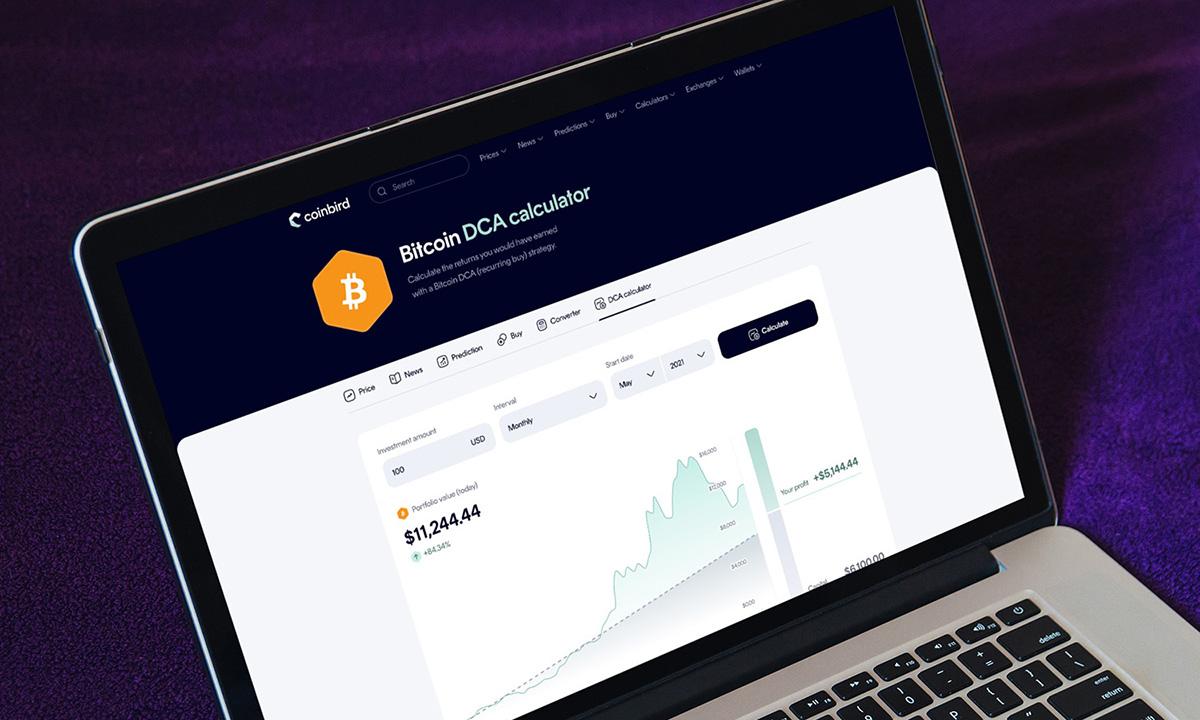
$100/Month in Bitcoin Since 2015 Would Have Turned $13,700 Into $632,000, Coinbird Analysis Shows
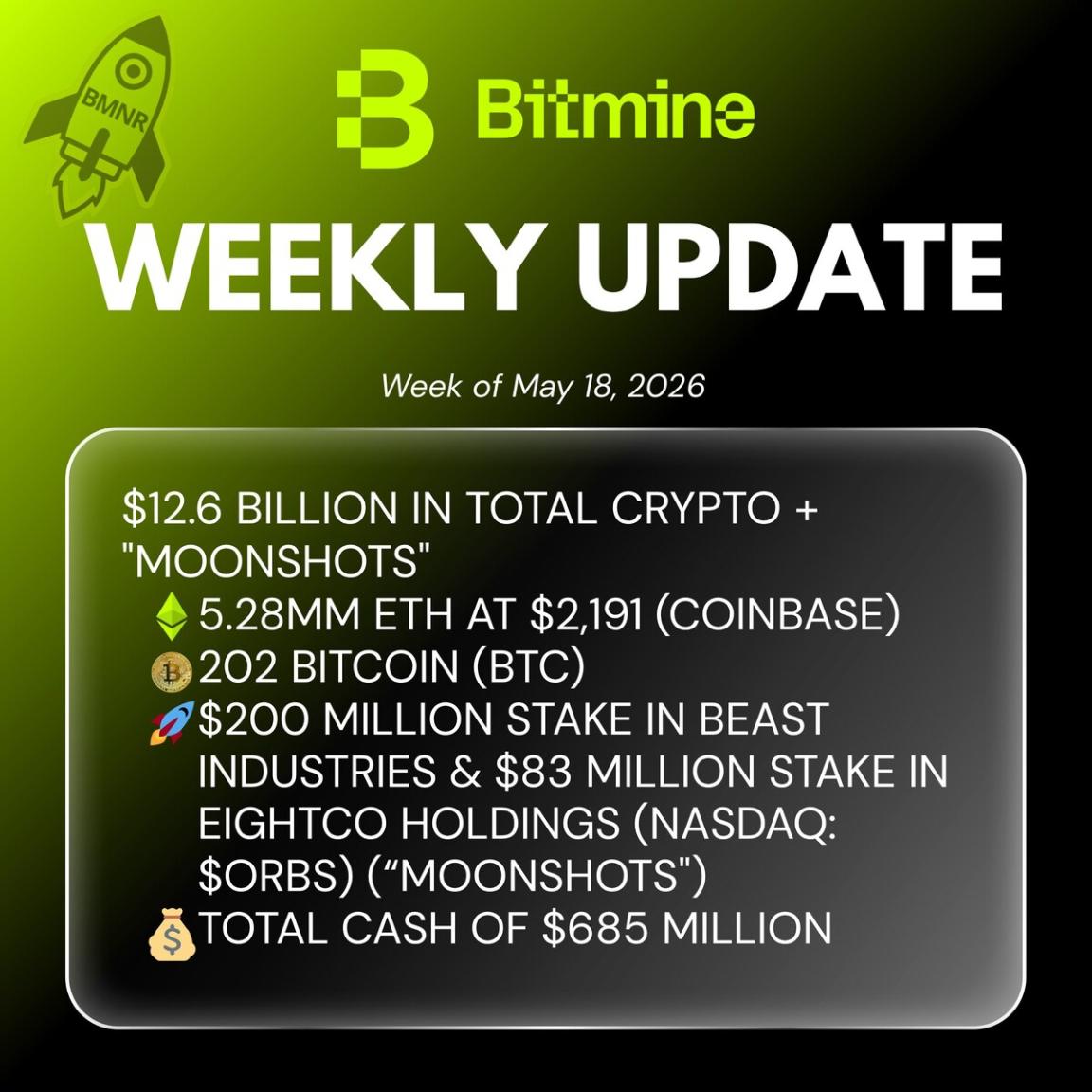
Bitmine Immersion Technologies (BMNR) Announces ETH Holdings Reach 5.28 Million Tokens, and Total Crypto and Total Cash Holdings of $12.6 Billion