Bitcoin treasury company Nakamoto has implemented a 1-for-40 reverse stock split as part of its effort to meet Nasdaq listing requirements, a corporate action that consolidates every 40 existing shares into a single share while proportionally increasing the per-share price.
The move is a common compliance mechanism used by companies seeking to satisfy exchange minimum bid price thresholds. Nasdaq requires listed securities to maintain a minimum bid price of $1.00 per share, and companies that fall below this level for extended periods risk delisting or denial of initial listing applications.
How a 1-for-40 Reverse Split Works
In a 1-for-40 reverse stock split, a shareholder who previously held 400 shares would hold 10 shares after the consolidation. The per-share price adjusts upward by the same 40x factor, meaning the total market value of a shareholder’s position remains unchanged immediately after the split takes effect.
The action does not alter the company’s underlying fundamentals, total market capitalization, or any individual investor’s ownership percentage. It is a structural adjustment to share count and price per unit, not a capital raise or dilution event.
Companies pursuing exchange listings frequently use reverse splits when their share price trades below the minimum threshold required by venues like Nasdaq. The Nasdaq listing standards include ongoing requirements around bid price, market value, and corporate governance that applicants must demonstrate before approval.
What Shareholders Should Watch After Implementation
While the split itself does not change the value of holdings, post-split trading dynamics can shift. A significantly reduced float, fewer outstanding shares available for daily trading, may affect liquidity. Wider bid-ask spreads and increased short-term volatility are common in the sessions following reverse splits.
Investors should also monitor whether the higher per-share price holds above Nasdaq’s minimum bid threshold in the weeks following the effective date. If the price declines back below the required level, the company could face the same compliance challenges the split was designed to address.
Fractional shares resulting from the consolidation are typically handled through cash-in-lieu payments or rounding provisions, details that shareholders can confirm through the company’s filing documents with the SEC.
Nakamoto’s Bitcoin Treasury Strategy and Public Market Access
Nakamoto identifies as a Bitcoin treasury company, a business model that has gained traction as firms seek to hold Bitcoin as a primary reserve asset while accessing public equity markets for capital formation. Securing a Nasdaq listing would give the company broader visibility among institutional and retail investors.
Public market access is strategically significant for treasury-focused firms because it enables capital raises through equity offerings, convertible notes, and other instruments that can fund additional Bitcoin acquisitions. The trend of companies building corporate treasuries around Bitcoin has accelerated, with developments like the ICE hash rate futures market launch reflecting growing institutional infrastructure around Bitcoin-linked financial products.
A Nasdaq listing would also subject Nakamoto to ongoing disclosure requirements, quarterly reporting, and governance standards that provide a layer of transparency for shareholders tracking how the company manages its Bitcoin holdings. The expanding range of new crypto-related market listings underscores how public venue access remains a competitive priority across the digital asset sector.
FAQ About Nakamoto’s Reverse Stock Split and Nasdaq Plans
What is a 1-for-40 reverse stock split?
It is a corporate action that consolidates every 40 shares into one share. The per-share price increases by a factor of 40, but the total value of each investor’s position stays the same at the moment of the split. Share count decreases while price per share rises proportionally.
Does a reverse split change the value of an investor’s holdings immediately?
No. The total dollar value of a shareholder’s position is unchanged immediately after the split. If you held 4,000 shares at $0.10 each ($400 total), you would hold 100 shares at $4.00 each ($400 total) after a 1-for-40 reverse split.
Why would a company use a reverse split to pursue Nasdaq listing?
Nasdaq requires listed companies to maintain a minimum bid price, typically $1.00 per share. Companies trading well below that level use reverse splits to bring their share price into compliance range. The alternative, organic price appreciation, may not occur on the timeline needed for a listing application.
What should investors watch after the split takes effect?
Key factors include whether the post-split share price sustains above Nasdaq’s minimum bid threshold, changes in daily trading volume and liquidity, any updates from the company on the listing application timeline, and how the reduced share count affects market dynamics. As regulatory and governance frameworks evolve for crypto-linked public companies, listing compliance standards may continue to shift for Bitcoin treasury firms as a category.
Disclaimer: This article is for informational purposes only and does not constitute financial or investment advice. Cryptocurrency and digital asset markets carry significant risk. Always do your own research before making decisions.
No tags available.


Other Posts








- Amplify 2024: Ohio’s Premier Blockchain Summit
- Polymarket Announces U.S. Beta Relaunch Amid Market Buzz
- China, US Conclude Trade Talks with Focus on Cooperation
- Crypto Weekly: NYSE Backs OKX, Kraken Gets Fed Access, BTC Sells
- CELO holds as Celo reviews Opera 160M token claim
- DeriW Launches Edge Hour Trading Competition Platform for Derivatives Traders
- Michael Saylor Denies Bitcoin Sell-Off Amid Large BTC Transfer
- Court Upholds Fed’s Rejection of Custodia Bank’s Request
- EU Opens Antitrust Probe Into Deutsche Boerse and Nasdaq Derivatives Dealings
- Kazakhstan Explores Crypto Reserves Backed by National Funds
- JPMorgan Increases Holdings in BlackRock’s Bitcoin ETF
- Nordea Bank Introduces Bitcoin ETP Trading for Nordic Customers
- XRP Spot ETF Launches on Nasdaq Amid Market Fluctuations
- JPMorgan Chase Launches 24/7 Digital Deposit Token for Clients
- Crypto Leaders Address Macro Volatility Amid Market Shifts
- Former CFO Convicted for $35M Fraudulent Crypto Investment
- Peter Schiff Challenges Michael Saylor on MSTR’s Business Model
- Thailand Orders Worldcoin to Delete 1.2 Million Biometric Records
- UK Proposes New DeFi Tax Framework to Ease User Burden
- U.S. Treasury Proposes New Tax Relief Regulations
- Amplify 2024: Ohio’s Premier Blockchain Summit
- Polymarket Announces U.S. Beta Relaunch Amid Market Buzz
- China, US Conclude Trade Talks with Focus on Cooperation
- Crypto Weekly: NYSE Backs OKX, Kraken Gets Fed Access, BTC Sells
- CELO holds as Celo reviews Opera 160M token claim
- DeriW Launches Edge Hour Trading Competition Platform for Derivatives Traders
- Michael Saylor Denies Bitcoin Sell-Off Amid Large BTC Transfer
- Court Upholds Fed’s Rejection of Custodia Bank’s Request
- EU Opens Antitrust Probe Into Deutsche Boerse and Nasdaq Derivatives Dealings
- Kazakhstan Explores Crypto Reserves Backed by National Funds
- JPMorgan Increases Holdings in BlackRock’s Bitcoin ETF
- Nordea Bank Introduces Bitcoin ETP Trading for Nordic Customers
- XRP Spot ETF Launches on Nasdaq Amid Market Fluctuations
- JPMorgan Chase Launches 24/7 Digital Deposit Token for Clients
- Crypto Leaders Address Macro Volatility Amid Market Shifts
- Former CFO Convicted for $35M Fraudulent Crypto Investment
- Peter Schiff Challenges Michael Saylor on MSTR’s Business Model
- Thailand Orders Worldcoin to Delete 1.2 Million Biometric Records
- UK Proposes New DeFi Tax Framework to Ease User Burden
- U.S. Treasury Proposes New Tax Relief Regulations
- Amplify 2024: Ohio’s Premier Blockchain Summit
- Polymarket Announces U.S. Beta Relaunch Amid Market Buzz
- China, US Conclude Trade Talks with Focus on Cooperation
- Crypto Weekly: NYSE Backs OKX, Kraken Gets Fed Access, BTC Sells
- CELO holds as Celo reviews Opera 160M token claim
- DeriW Launches Edge Hour Trading Competition Platform for Derivatives Traders
- Michael Saylor Denies Bitcoin Sell-Off Amid Large BTC Transfer
- Court Upholds Fed’s Rejection of Custodia Bank’s Request
- EU Opens Antitrust Probe Into Deutsche Boerse and Nasdaq Derivatives Dealings
- Kazakhstan Explores Crypto Reserves Backed by National Funds
- JPMorgan Increases Holdings in BlackRock’s Bitcoin ETF
- Nordea Bank Introduces Bitcoin ETP Trading for Nordic Customers
- XRP Spot ETF Launches on Nasdaq Amid Market Fluctuations
- JPMorgan Chase Launches 24/7 Digital Deposit Token for Clients
- Crypto Leaders Address Macro Volatility Amid Market Shifts
- Former CFO Convicted for $35M Fraudulent Crypto Investment
- Peter Schiff Challenges Michael Saylor on MSTR’s Business Model
- Thailand Orders Worldcoin to Delete 1.2 Million Biometric Records
- UK Proposes New DeFi Tax Framework to Ease User Burden
- U.S. Treasury Proposes New Tax Relief Regulations
Latest

U.S. Bitcoin ETFs Record 4,374 BTC Outflow as Ethereum ETFs Lose 35,904 ETH


Press Release

FinancialMarkets.media granted the Official Google Partner certification
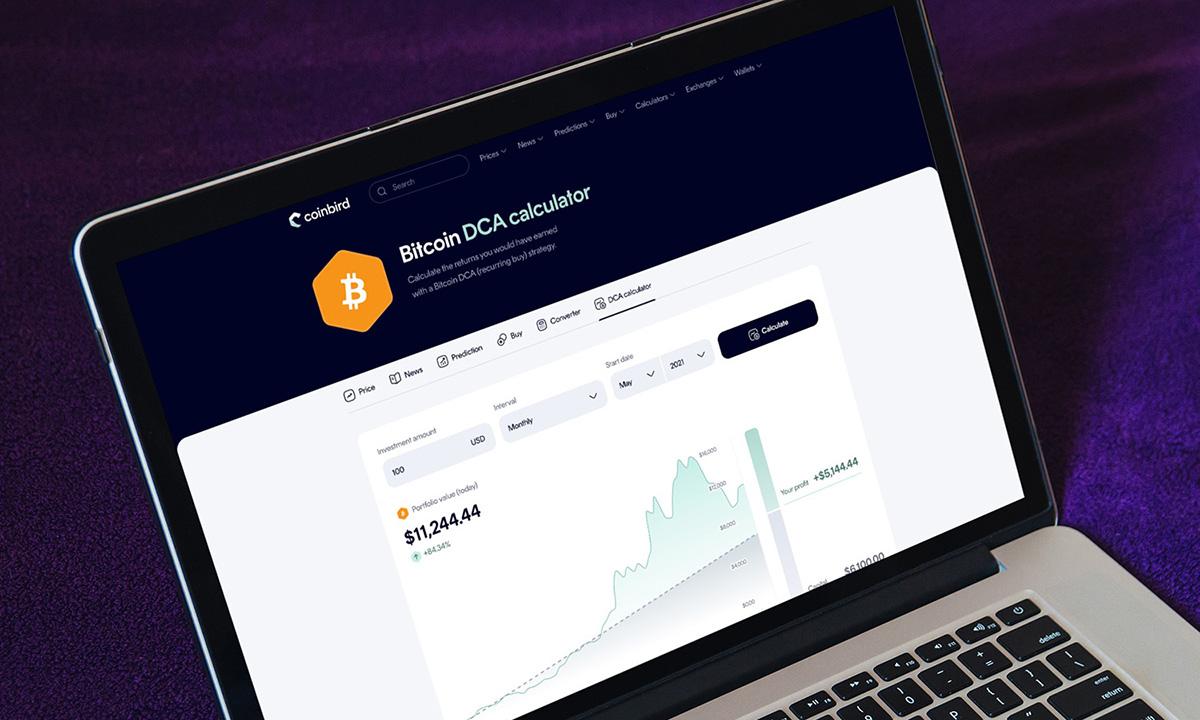
$100/Month in Bitcoin Since 2015 Would Have Turned $13,700 Into $632,000, Coinbird Analysis Shows