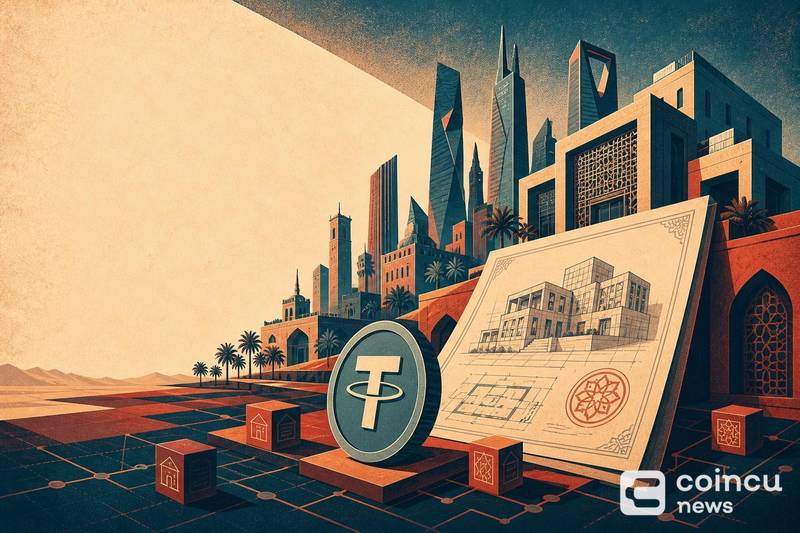
Tether is expanding its tokenization business into Saudi Arabia, and the company is starting with real estate. On August 6, 2026, Tether unveiled a strategic collaboration to deploy Hadron by Tether as the technology backbone for tokenizing institutional-grade property assets in the Kingdom, marking the stablecoin issuer’s clearest push yet to turn real-world assets into on-chain instruments in the Gulf.
The company said the effort brings together First Advanced Data for Artificial Intelligence LLC and BKN301 to advance institutional tokenization in Saudi Arabia, according to Tether’s announcement. Real estate is the first asset class in the rollout. For related coverage, see Zoomex Enhances Its Strategy Center With Advanced Strategy Trading Tools.
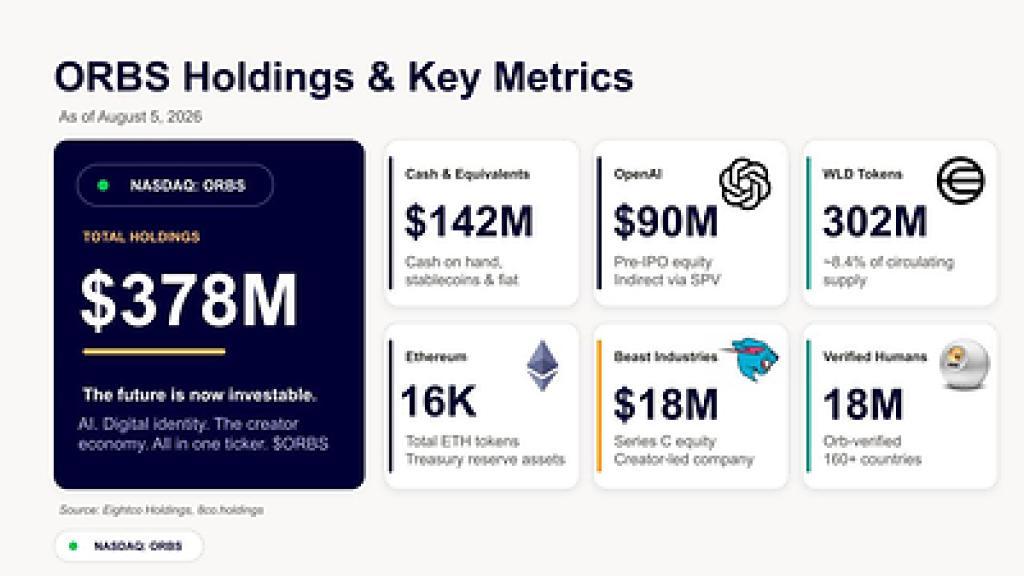
Tether framed the partnership as an operating model, not a one-off pilot. It said the same structure is intended to expand later into other real-world asset classes, including energy and infrastructure project finance. For related coverage, see Eightco Holdings (NASDAQ: ORBS) Reports Total Holdings of Approximately $378 Million, Includes OpenAI, Beast Industries, More Than 16,000 ETH and Nearly 302 Million WLD Tokens.
Tether Enters Saudi Arabia Through a Real Estate Tokenization Push
Under the arrangement, Hadron by Tether serves as the core technology platform to accelerate tokenization of institutional-grade real estate assets in Saudi Arabia. The platform handles the issuance and lifecycle mechanics for the tokenized assets.
First Data is set to act as the commercial lead, issuer, and primary market operator for the tokenized property. That division of labor places a local entity at the center of issuance while Tether supplies the underlying rails.
Paolo Ardoino, Tether’s chief executive, tied the move to the Kingdom’s economic agenda. “Tokenization will redefine the financial industry, making global assets more liquid, accessible, secure, and scalable. With Vision 2030, Saudi Arabia stands out as an ideal market for demonstrating the transformative impact of platforms like Hadron by Tether,” he said.
Why Saudi Arabia Fits Tether’s Tokenization Ambitions
Saudi Arabia already had a regulatory pathway for real-estate tokenization before Tether arrived, which lowers the execution risk of entering the market. That existing framework is a large part of why the country is a workable destination for this kind of asset issuance.
The Saudi Press Agency reported on February 13, 2026 that the Real Estate General Authority (REGA) launched the second edition of its Regulatory Sandbox with a fractional-ownership track inside a real-estate tokenization framework, with a testing phase ranging from 6 to 24 months depending on the model.
REGA said nine platforms from the first sandbox batch were already operating officially after meeting regulatory requirements. That means Tether is entering a market where tokenized property is a live, sanctioned activity rather than a theoretical one.
Tether’s balance-sheet scale gives it the capacity to fund and support a rollout like this. The company’s Q2 2026 attestation said USDt issuance had increased to approximately $184.6 billion in circulation as of June 30, 2026, with reserves exceeding liabilities by roughly $4.11 billion.
The reserve buffer detail matters because Tether recently disclosed that its Q2 excess reserves fell by more than $4 billion, a reminder that the firm’s headroom, while large, is not static. Tether’s flagship token traded at $0.9992 at press time, holding its dollar peg.
Why Real Estate Is the First Asset Class
Starting with real estate signals that Tether wants a use case with a clear regulatory home and tangible collateral. Property is a natural fit for fractional ownership, which is exactly the track REGA opened inside its sandbox.
Fractionalization is the core appeal: tokenizing a building lets multiple holders own slices of an asset that is otherwise illiquid and capital-intensive. That framing lines up with why Tether chose property before energy or infrastructure finance.
Tether is not first to tokenize Saudi real estate, which sets a benchmark for its ambitions. SettleMint said four Saudi PropTechs completed the first fully tokenized real-estate transactions in the Kingdom using infrastructure powered by SettleMint.
“The implementation has progressed significantly, where today PropTechs are utilizing secure integration interfaces to complete the first fully tokenized real estate transactions in the Kingdom,” said Adam Popat, in SettleMint’s account of the rollout.
What Tether adds to that picture is Hadron as the issuance platform, First Data as issuer and primary-market operator, and a stated plan to reuse the model across asset classes. Those are the pieces the earlier Saudi tokenization work did not include.
What This Expansion Could Mean for Tether’s Broader Tokenization Business
Tether described the collaboration as an expansion of its tokenization business, positioning Saudi Arabia as a template rather than a contained experiment. The company said the operating model is meant to extend beyond property into energy and infrastructure project finance over time.
That cross-asset ambition is the strategic core of the announcement. If the real-estate track validates the Hadron-plus-local-issuer structure, Tether has a repeatable playbook it can point at other verticals and, potentially, other jurisdictions.
The move also fits a wider pattern of Tether extending its franchise beyond the USDt stablecoin. The firm’s gold token XAUt recently received Sharia certification, a credential with obvious relevance to Gulf markets, and it comes as incumbents like Mastercard expand their own stablecoin push.
Sentiment across the broader market was cautious as the news landed. The crypto Fear & Greed Index read 25, or “Extreme Fear,” on August 6, 2026, a backdrop that does little to change a company-specific, infrastructure-led story like this one.
FAQ: Key Questions About Tether’s Saudi Arabia Real Estate Move
What did Tether announce?
Tether announced a strategic collaboration with First Data and BKN301 to deploy Hadron by Tether for tokenizing institutional-grade real estate assets in Saudi Arabia, dated August 6, 2026.
Why is the rollout starting with real estate?
Real estate has a defined regulatory pathway in Saudi Arabia through REGA’s sandbox and suits fractional ownership, making it a practical first asset class before energy and infrastructure finance.
Who does what in the partnership?
Hadron by Tether provides the core tokenization technology, while First Data serves as the commercial lead, issuer, and primary market operator for the tokenized property.
Is Saudi Arabia already open to tokenized real estate?
Yes. REGA’s second Regulatory Sandbox includes a fractional-ownership track for real-estate tokenization, with testing periods of 6 to 24 months, and multiple platforms were already operating officially.
What comes next?
Tether said the operating model is intended to expand into other real-world asset classes, specifically naming energy and infrastructure project finance.
Disclaimer: This article is for informational purposes only and does not constitute financial or investment advice. Cryptocurrency and digital asset markets carry significant risk. Always do your own research before making decisions.
No tags available.


Other Posts








- China, US Conclude Trade Talks with Focus on Cooperation
- Crypto Weekly: NYSE Backs OKX, Kraken Gets Fed Access, BTC Sells
- Court Upholds Fed’s Rejection of Custodia Bank’s Request
- Former CFO Convicted for $35M Fraudulent Crypto Investment
- DeriW Launches Edge Hour Trading Competition Platform for Derivatives Traders
- Michael Saylor Denies Bitcoin Sell-Off Amid Large BTC Transfer
- Buy Dogecoin on eToro: Step-by-Step Guide for Beginners (2024)
- Kazakhstan Explores Crypto Reserves Backed by National Funds
- JPMorgan Increases Holdings in BlackRock’s Bitcoin ETF
- Nordea Bank Introduces Bitcoin ETP Trading for Nordic Customers
- XRP Spot ETF Launches on Nasdaq Amid Market Fluctuations
- Peter Schiff Challenges Michael Saylor on MSTR’s Business Model
- Thailand Orders Worldcoin to Delete 1.2 Million Biometric Records
- UK Proposes New DeFi Tax Framework to Ease User Burden
- WLFI Under Fire: Analyst Warns Hyperliquid Could Be Next
- Ancient Ethereum Whale Moves $1.19 Billion After Decade
- BlackRock Receives Large Crypto Transfers from Coinbase
- SEC Scrutiny on ALT5 Sigma’s Leadership Disclosure Timing
- Yala Injects $5.5 Million Amid Recovery Efforts
- Radiant Capital Faces $50M Loss in Major Security Breach
- China, US Conclude Trade Talks with Focus on Cooperation
- Crypto Weekly: NYSE Backs OKX, Kraken Gets Fed Access, BTC Sells
- Court Upholds Fed’s Rejection of Custodia Bank’s Request
- Former CFO Convicted for $35M Fraudulent Crypto Investment
- DeriW Launches Edge Hour Trading Competition Platform for Derivatives Traders
- Michael Saylor Denies Bitcoin Sell-Off Amid Large BTC Transfer
- Buy Dogecoin on eToro: Step-by-Step Guide for Beginners (2024)
- Kazakhstan Explores Crypto Reserves Backed by National Funds
- JPMorgan Increases Holdings in BlackRock’s Bitcoin ETF
- Nordea Bank Introduces Bitcoin ETP Trading for Nordic Customers
- XRP Spot ETF Launches on Nasdaq Amid Market Fluctuations
- Peter Schiff Challenges Michael Saylor on MSTR’s Business Model
- Thailand Orders Worldcoin to Delete 1.2 Million Biometric Records
- UK Proposes New DeFi Tax Framework to Ease User Burden
- WLFI Under Fire: Analyst Warns Hyperliquid Could Be Next
- Ancient Ethereum Whale Moves $1.19 Billion After Decade
- BlackRock Receives Large Crypto Transfers from Coinbase
- SEC Scrutiny on ALT5 Sigma’s Leadership Disclosure Timing
- Yala Injects $5.5 Million Amid Recovery Efforts
- Radiant Capital Faces $50M Loss in Major Security Breach
- China, US Conclude Trade Talks with Focus on Cooperation
- Crypto Weekly: NYSE Backs OKX, Kraken Gets Fed Access, BTC Sells
- Court Upholds Fed’s Rejection of Custodia Bank’s Request
- Former CFO Convicted for $35M Fraudulent Crypto Investment
- DeriW Launches Edge Hour Trading Competition Platform for Derivatives Traders
- Michael Saylor Denies Bitcoin Sell-Off Amid Large BTC Transfer
- Buy Dogecoin on eToro: Step-by-Step Guide for Beginners (2024)
- Kazakhstan Explores Crypto Reserves Backed by National Funds
- JPMorgan Increases Holdings in BlackRock’s Bitcoin ETF
- Nordea Bank Introduces Bitcoin ETP Trading for Nordic Customers
- XRP Spot ETF Launches on Nasdaq Amid Market Fluctuations
- Peter Schiff Challenges Michael Saylor on MSTR’s Business Model
- Thailand Orders Worldcoin to Delete 1.2 Million Biometric Records
- UK Proposes New DeFi Tax Framework to Ease User Burden
- WLFI Under Fire: Analyst Warns Hyperliquid Could Be Next
- Ancient Ethereum Whale Moves $1.19 Billion After Decade
- BlackRock Receives Large Crypto Transfers from Coinbase
- SEC Scrutiny on ALT5 Sigma’s Leadership Disclosure Timing
- Yala Injects $5.5 Million Amid Recovery Efforts
- Radiant Capital Faces $50M Loss in Major Security Breach


Bernstein Says Circle’s Q2 Eases Competition and Reserve Income Concerns


Zoomex Enhances Its Strategy Center With Advanced Strategy Trading Tools