A U.S. man has been sentenced to 70 months in federal prison for his role in a crypto fraud case involving $263 million, marking one of the more significant sentencing outcomes in recent cryptocurrency enforcement actions.
The sentence was handed down in connection with a scheme that prosecutors say resulted in the theft of $263 million. The case was prosecuted by the U.S. Attorney’s Office for the District of Columbia, which described the defendant as a California-based money launderer who played a direct role in the operation.
DOJ ties California man to $263 million laundering scheme
According to the Department of Justice sentencing announcement, prosecutors framed the defendant as a money launderer based in California. The DOJ stated that the individual was sentenced in Washington, D.C., for his participation in a scheme that stole $263 million.
The role attributed to the defendant centers on laundering proceeds from the fraud. Prosecutors presented the case as part of a broader scheme, though the full operational details of how funds were moved or which specific victims were affected have not been fully detailed in the available public records from this announcement.
It is important to note that the specific mechanics of the laundering operation, including the number of transactions, the platforms used, or the identities of co-conspirators, remain outside the scope of what has been confirmed in the current sentencing announcement. The 70-month term reflects the court’s assessment of the defendant’s culpability within the larger conspiracy.
Why a 70-month sentence carries weight in crypto fraud enforcement
A sentencing outcome of this magnitude stands apart from the more common pattern of arrests and indictments that dominate crypto fraud headlines. While charges signal intent to prosecute, a completed sentence demonstrates that the justice system has moved through the full cycle of investigation, prosecution, conviction, and punishment.
The scale of the case, involving $263 million in alleged theft, places it among the larger crypto fraud prosecutions in recent years. For context, enforcement agencies have been increasingly active in pursuing crypto-related financial crimes as the industry’s intersection with traditional finance deepens.
This sentencing adds to a growing record of completed crypto fraud cases that have resulted in prison time rather than settlements or deferred prosecution agreements. The distinction matters for the industry’s credibility, as completed sentences serve as stronger deterrents than pending charges alone.
Crypto fraud enforcement has become a more prominent priority for federal prosecutors. Cases involving projects accused of being hype-driven without real infrastructure have drawn scrutiny alongside more traditional laundering operations like the one at issue here.
What the public record does not yet confirm
Several details that would provide a fuller picture of this case remain unconfirmed in the current public record. The specific cryptocurrency platforms or blockchains involved in the laundering have not been identified in the sentencing announcement.
The identities and number of victims, the timeline of the fraudulent activity, and whether restitution has been ordered are all details that may emerge as court documents become more widely available. Whether additional co-conspirators face charges or have already been sentenced is also unclear from the current announcement alone.
The case does not appear to involve broader market manipulation or exchange-level fraud based on the available framing, which focuses specifically on money laundering. Readers following developments in Bitcoin market movements and liquidation risks should note that this case is an enforcement matter, not a market-moving event.
FAQ: U.S. man sentenced in $263M crypto fraud case
What sentence was handed down?
The defendant received a 70-month federal prison sentence, which translates to approximately five years and ten months. The sentence was issued by a court in Washington, D.C.
What does the $263 million figure refer to?
The figure represents the total amount that prosecutors say was stolen through the broader fraud scheme in which the defendant participated as a money launderer. It reflects the scale of the overall conspiracy, not necessarily the amount the individual defendant personally handled.
Is this a market story or an enforcement story?
This is strictly a fraud enforcement story. No market data, token prices, or trading activity are connected to the sentencing. The significance lies in the legal outcome and what it signals about the pace and seriousness of federal crypto fraud prosecution.
Additional source references: source document 1.
Disclaimer: This article is for informational purposes only and does not constitute financial or investment advice. Cryptocurrency and digital asset markets carry significant risk. Always do your own research before making decisions.
No tags available.


Other Posts








- China, US Conclude Trade Talks with Focus on Cooperation
- Crypto Weekly: NYSE Backs OKX, Kraken Gets Fed Access, BTC Sells
- Court Upholds Fed’s Rejection of Custodia Bank’s Request
- Former CFO Convicted for $35M Fraudulent Crypto Investment
- DeriW Launches Edge Hour Trading Competition Platform for Derivatives Traders
- Michael Saylor Denies Bitcoin Sell-Off Amid Large BTC Transfer
- Buy Dogecoin on eToro: Step-by-Step Guide for Beginners (2024)
- Kazakhstan Explores Crypto Reserves Backed by National Funds
- JPMorgan Increases Holdings in BlackRock’s Bitcoin ETF
- Nordea Bank Introduces Bitcoin ETP Trading for Nordic Customers
- XRP Spot ETF Launches on Nasdaq Amid Market Fluctuations
- Peter Schiff Challenges Michael Saylor on MSTR’s Business Model
- Thailand Orders Worldcoin to Delete 1.2 Million Biometric Records
- UK Proposes New DeFi Tax Framework to Ease User Burden
- WLFI Under Fire: Analyst Warns Hyperliquid Could Be Next
- Ancient Ethereum Whale Moves $1.19 Billion After Decade
- BlackRock Receives Large Crypto Transfers from Coinbase
- SEC Scrutiny on ALT5 Sigma’s Leadership Disclosure Timing
- Yala Injects $5.5 Million Amid Recovery Efforts
- Radiant Capital Faces $50M Loss in Major Security Breach
- China, US Conclude Trade Talks with Focus on Cooperation
- Crypto Weekly: NYSE Backs OKX, Kraken Gets Fed Access, BTC Sells
- Court Upholds Fed’s Rejection of Custodia Bank’s Request
- Former CFO Convicted for $35M Fraudulent Crypto Investment
- DeriW Launches Edge Hour Trading Competition Platform for Derivatives Traders
- Michael Saylor Denies Bitcoin Sell-Off Amid Large BTC Transfer
- Buy Dogecoin on eToro: Step-by-Step Guide for Beginners (2024)
- Kazakhstan Explores Crypto Reserves Backed by National Funds
- JPMorgan Increases Holdings in BlackRock’s Bitcoin ETF
- Nordea Bank Introduces Bitcoin ETP Trading for Nordic Customers
- XRP Spot ETF Launches on Nasdaq Amid Market Fluctuations
- Peter Schiff Challenges Michael Saylor on MSTR’s Business Model
- Thailand Orders Worldcoin to Delete 1.2 Million Biometric Records
- UK Proposes New DeFi Tax Framework to Ease User Burden
- WLFI Under Fire: Analyst Warns Hyperliquid Could Be Next
- Ancient Ethereum Whale Moves $1.19 Billion After Decade
- BlackRock Receives Large Crypto Transfers from Coinbase
- SEC Scrutiny on ALT5 Sigma’s Leadership Disclosure Timing
- Yala Injects $5.5 Million Amid Recovery Efforts
- Radiant Capital Faces $50M Loss in Major Security Breach
- China, US Conclude Trade Talks with Focus on Cooperation
- Crypto Weekly: NYSE Backs OKX, Kraken Gets Fed Access, BTC Sells
- Court Upholds Fed’s Rejection of Custodia Bank’s Request
- Former CFO Convicted for $35M Fraudulent Crypto Investment
- DeriW Launches Edge Hour Trading Competition Platform for Derivatives Traders
- Michael Saylor Denies Bitcoin Sell-Off Amid Large BTC Transfer
- Buy Dogecoin on eToro: Step-by-Step Guide for Beginners (2024)
- Kazakhstan Explores Crypto Reserves Backed by National Funds
- JPMorgan Increases Holdings in BlackRock’s Bitcoin ETF
- Nordea Bank Introduces Bitcoin ETP Trading for Nordic Customers
- XRP Spot ETF Launches on Nasdaq Amid Market Fluctuations
- Peter Schiff Challenges Michael Saylor on MSTR’s Business Model
- Thailand Orders Worldcoin to Delete 1.2 Million Biometric Records
- UK Proposes New DeFi Tax Framework to Ease User Burden
- WLFI Under Fire: Analyst Warns Hyperliquid Could Be Next
- Ancient Ethereum Whale Moves $1.19 Billion After Decade
- BlackRock Receives Large Crypto Transfers from Coinbase
- SEC Scrutiny on ALT5 Sigma’s Leadership Disclosure Timing
- Yala Injects $5.5 Million Amid Recovery Efforts
- Radiant Capital Faces $50M Loss in Major Security Breach

BTCPay Server Supporters Offer 3 BTC Recovery Bounty After Critical Exploit

Bitcoin ATMs Pulled in Australia as Regulators Signal Wider Crackdown

Bitwise’s Rasmussen Says Circle Is Mispriced on Stablecoin Growth Outlook
Syntetika Launches Tokenization Hub Bringing Regulated Investment Strategies Onchain
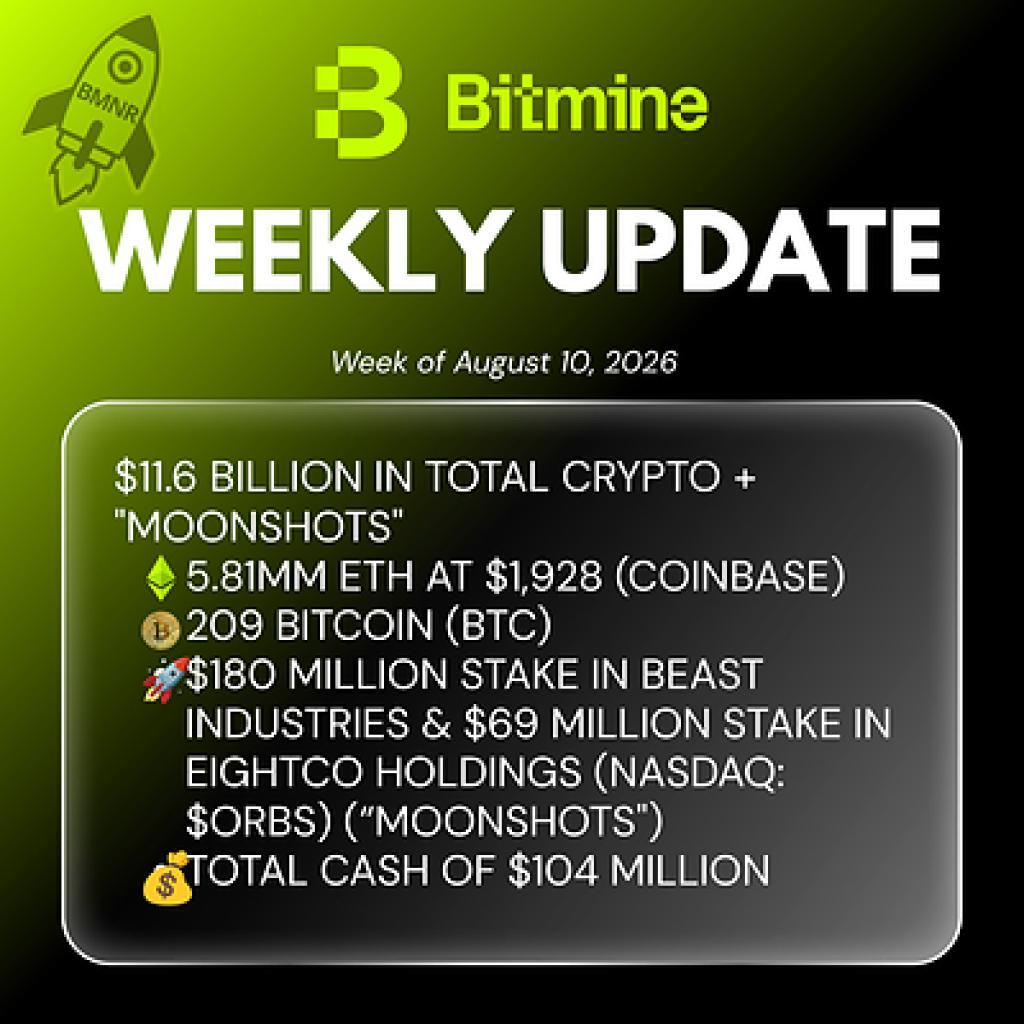
Bitmine Immersion Technologies (BMNR) Announces ETH Holdings Reach 5.81 Million Tokens, and Total Crypto and Total Cash Holdings of $11.6 Billion