A dormant Ethereum wallet has reportedly moved 10,000 ETH for the first time in roughly 10 years, drawing immediate attention from on-chain watchers and traders tracking whale activity across the network.
What Happened: 10,000 ETH Moves After a Decade of Inactivity
The transfer involves a wallet that had shown no outgoing activity for approximately 10 years. The 10,000 ETH movement marks the first signs of life from the address in that entire period.
Dormant wallet activations of this size are rare. A wallet holding thousands of ETH since the early years of the Ethereum network would have acquired those tokens at a fraction of current market prices, making any movement a potentially significant event for market participants.
Transaction Basics
The core details center on the transfer size and the dormancy period. At current Ethereum valuations, 10,000 ETH represents a substantial sum. The specific transaction hash, destination address, and exact timing have not been independently confirmed through block explorer data available in this report.
Without verified on-chain records linking to a specific Etherscan transaction, readers should treat the reported figures as preliminary until the transfer can be confirmed at the explorer level.
Why a 10-Year Dormant Wallet Draws Attention
Long-inactive addresses are closely monitored because their activation can signal a change in the holder’s intent. A wallet dormant for a decade may belong to an early participant, a lost-and-recovered key holder, or an entity restructuring custody arrangements.
The movement itself does not confirm a sale. Transfers between self-owned wallets, migrations to new custody solutions, or moves to staking contracts all look identical on-chain until the destination is analyzed further.
Plausible Explanations vs. Speculation
Without destination data, the most common interpretations include custody reshuffling, preparation for staking or DeFi participation, estate or legal recovery, or pre-sale positioning. None of these can be confirmed from the transfer alone.
Traders sometimes overreact to dormant wallet movements by assuming immediate sell pressure. In practice, large exchange outflows and inflows provide stronger directional signals than a single wallet activation.
What On-Chain Watchers Will Track Next
The next steps for analysts involve identifying the destination. If the ETH moved to a known exchange deposit address, that would support a sell-pressure thesis. If it moved to a fresh wallet or a smart contract, the interpretation shifts toward repositioning or DeFi deployment.
Follow-up transactions in the hours and days after the initial move are typically more revealing than the first transfer. A single hop to a new self-owned address is operationally neutral, while a chain of movements ending at an exchange is more concerning for holders watching supply dynamics.
Key Monitoring Points
- Destination type: Exchange-linked address, fresh wallet, or smart contract
- Exchange inflow data: Whether aggregate ETH exchange deposits spike in the same window
- Secondary movements: Whether the receiving address distributes the ETH further or holds
On-chain analytics platforms typically flag these addresses within hours, making it likely that more granular data will surface as trackers process the transfer. Understanding on-chain governance and staking mechanics can help contextualize whether the ETH enters any protocol-level activity.
Sentiment Impact vs. Market Impact
A transfer of this size from a dormant wallet is large enough to influence trader sentiment even before intent is known. The perceived risk of a large holder liquidating can trigger preemptive selling by smaller participants.
However, sentiment impact and direct market impact are distinct. A single 10,000 ETH transfer, even if destined for an exchange, would represent a small fraction of daily Ethereum trading volume. The psychological effect on traders tends to exceed the actual supply-side pressure.
Traders monitoring Ethereum flows will likely watch for correlated signals, including whether other dormant wallets activate in the same period. Clustered whale movements carry more weight than isolated transfers, similar to how market infrastructure developments can shift positioning across multiple asset classes simultaneously.
FAQ
Does this transfer mean the wallet holder sold their ETH?
Not necessarily. A transfer only confirms that ETH moved from one address to another. It does not confirm a sale unless the destination is a known exchange deposit address. The holder may be reorganizing custody, preparing for staking, or moving funds for other reasons.
Why does a dormant wallet moving after 10 years matter?
Wallets inactive for a decade are statistically rare and often hold tokens acquired at very low prices. Their activation breaks a long pattern of inactivity, which on-chain analysts interpret as a potential shift in the holder’s strategy or circumstances.
What on-chain signals should readers watch next?
The most important signal is the destination address type. Exchange deposits suggest potential selling, while transfers to fresh wallets or DeFi contracts suggest repositioning. Secondary transfers from the receiving address will provide additional clarity in the days ahead.
Additional source references: source document 1, source document 2.
Disclaimer: This article is for informational purposes only and does not constitute financial or investment advice. Cryptocurrency and digital asset markets carry significant risk. Always do your own research before making decisions.
No tags available.


Other Posts








- Amplify 2024: Ohio’s Premier Blockchain Summit
- Polymarket Announces U.S. Beta Relaunch Amid Market Buzz
- China, US Conclude Trade Talks with Focus on Cooperation
- Crypto Weekly: NYSE Backs OKX, Kraken Gets Fed Access, BTC Sells
- CELO holds as Celo reviews Opera 160M token claim
- DeriW Launches Edge Hour Trading Competition Platform for Derivatives Traders
- Michael Saylor Denies Bitcoin Sell-Off Amid Large BTC Transfer
- Court Upholds Fed’s Rejection of Custodia Bank’s Request
- EU Opens Antitrust Probe Into Deutsche Boerse and Nasdaq Derivatives Dealings
- Kazakhstan Explores Crypto Reserves Backed by National Funds
- JPMorgan Increases Holdings in BlackRock’s Bitcoin ETF
- Nordea Bank Introduces Bitcoin ETP Trading for Nordic Customers
- XRP Spot ETF Launches on Nasdaq Amid Market Fluctuations
- JPMorgan Chase Launches 24/7 Digital Deposit Token for Clients
- Crypto Leaders Address Macro Volatility Amid Market Shifts
- Former CFO Convicted for $35M Fraudulent Crypto Investment
- Peter Schiff Challenges Michael Saylor on MSTR’s Business Model
- Thailand Orders Worldcoin to Delete 1.2 Million Biometric Records
- UK Proposes New DeFi Tax Framework to Ease User Burden
- U.S. Treasury Proposes New Tax Relief Regulations
- Amplify 2024: Ohio’s Premier Blockchain Summit
- Polymarket Announces U.S. Beta Relaunch Amid Market Buzz
- China, US Conclude Trade Talks with Focus on Cooperation
- Crypto Weekly: NYSE Backs OKX, Kraken Gets Fed Access, BTC Sells
- CELO holds as Celo reviews Opera 160M token claim
- DeriW Launches Edge Hour Trading Competition Platform for Derivatives Traders
- Michael Saylor Denies Bitcoin Sell-Off Amid Large BTC Transfer
- Court Upholds Fed’s Rejection of Custodia Bank’s Request
- EU Opens Antitrust Probe Into Deutsche Boerse and Nasdaq Derivatives Dealings
- Kazakhstan Explores Crypto Reserves Backed by National Funds
- JPMorgan Increases Holdings in BlackRock’s Bitcoin ETF
- Nordea Bank Introduces Bitcoin ETP Trading for Nordic Customers
- XRP Spot ETF Launches on Nasdaq Amid Market Fluctuations
- JPMorgan Chase Launches 24/7 Digital Deposit Token for Clients
- Crypto Leaders Address Macro Volatility Amid Market Shifts
- Former CFO Convicted for $35M Fraudulent Crypto Investment
- Peter Schiff Challenges Michael Saylor on MSTR’s Business Model
- Thailand Orders Worldcoin to Delete 1.2 Million Biometric Records
- UK Proposes New DeFi Tax Framework to Ease User Burden
- U.S. Treasury Proposes New Tax Relief Regulations
- Amplify 2024: Ohio’s Premier Blockchain Summit
- Polymarket Announces U.S. Beta Relaunch Amid Market Buzz
- China, US Conclude Trade Talks with Focus on Cooperation
- Crypto Weekly: NYSE Backs OKX, Kraken Gets Fed Access, BTC Sells
- CELO holds as Celo reviews Opera 160M token claim
- DeriW Launches Edge Hour Trading Competition Platform for Derivatives Traders
- Michael Saylor Denies Bitcoin Sell-Off Amid Large BTC Transfer
- Court Upholds Fed’s Rejection of Custodia Bank’s Request
- EU Opens Antitrust Probe Into Deutsche Boerse and Nasdaq Derivatives Dealings
- Kazakhstan Explores Crypto Reserves Backed by National Funds
- JPMorgan Increases Holdings in BlackRock’s Bitcoin ETF
- Nordea Bank Introduces Bitcoin ETP Trading for Nordic Customers
- XRP Spot ETF Launches on Nasdaq Amid Market Fluctuations
- JPMorgan Chase Launches 24/7 Digital Deposit Token for Clients
- Crypto Leaders Address Macro Volatility Amid Market Shifts
- Former CFO Convicted for $35M Fraudulent Crypto Investment
- Peter Schiff Challenges Michael Saylor on MSTR’s Business Model
- Thailand Orders Worldcoin to Delete 1.2 Million Biometric Records
- UK Proposes New DeFi Tax Framework to Ease User Burden
- U.S. Treasury Proposes New Tax Relief Regulations
Latest

Bitcoin Rises Above 77,000 USDT as 24-Hour Loss Narrows to 1.81%

Coinbase to Launch Wrapped Ronin (WRON) Spot Trading: What It Means

Minnesota Signs Bill Allowing Banks to Offer Crypto Custody Services
Press Release
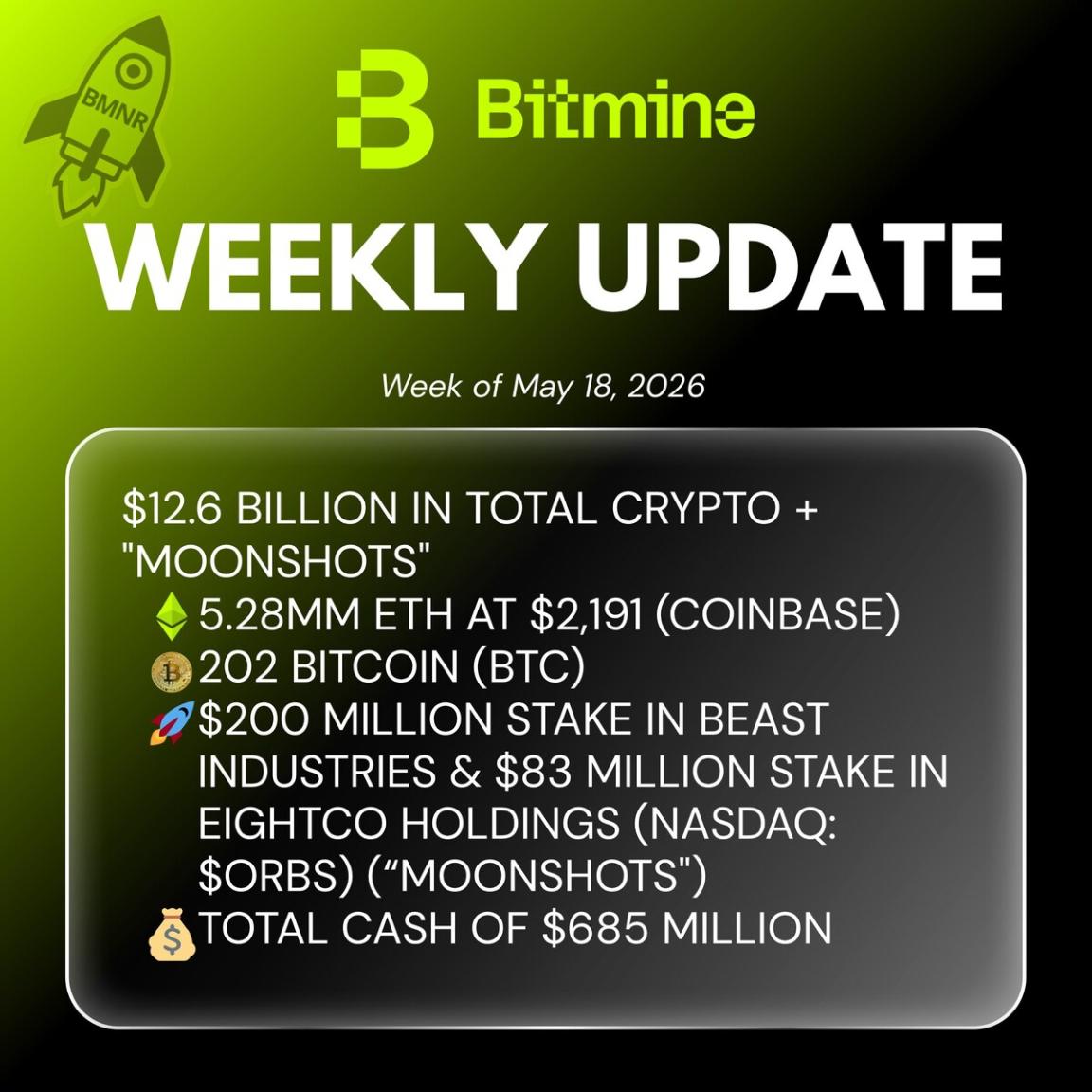
Bitmine Immersion Technologies (BMNR) Announces ETH Holdings Reach 5.28 Million Tokens, and Total Crypto and Total Cash Holdings of $12.6 Billion
Lock.com Enters Early Access With Isolated Signing and Post-Quantum Architecture