Best Sui Wallets in 2026: 5 Wallets Compared for Security and Usability
Best Sui Wallets in 2026: 5 Wallets Compared for Security and Usability
Updated July 8, 2026
Quick Answer
If you want the short version, the best Sui wallets in 2026 are Slush, Suiet, Phantom, Nightly, and Backpack.
They solve different problems. Slush is the most obvious starting point for users who want a wallet built around the Sui ecosystem itself. Suiet remains one of the most recognizable Sui-native self-custody options. Phantom matters because it brings Sui into a large multichain wallet experience. Nightly is useful for readers who want one wallet across several ecosystems, including Sui. Backpack is worth comparing for users who already live in a multichain mobile-plus-extension workflow.
The real choice is not just which wallet supports SUI. It is which wallet fits your device habits, your preferred level of self-custody, and how deeply you plan to use Sui apps.
Why Sui Wallet Choice Matters More in 2026
On Sui, the wallet is not just where you store tokens. It is also how you connect to DeFi apps, NFTs, gaming, and newer account models such as zkLogin-based onboarding.
Sui Foundation’s beginner wallet explainer says self-custody is how users control access to assets directly onchain, while newer wallet experiences can make that process feel closer to mainstream apps. At the same time, the Sui ecosystem keeps expanding, so a wallet now needs to do more than show one token balance.
That is why this page focuses on practical fit:
- how the wallet is positioned today
- what devices it supports
- whether it is Sui-native or multichain-first
- what kind of user it seems best suited for
How We Chose These Wallets
This list is not based on token price narratives or app-store hype.
These five were chosen based on:
- official support for Sui
- current browser, mobile, desktop, or web access
- self-custody orientation
- wallet documentation and ecosystem relevance
- practical usefulness for real Sui activity
All wallet details below were checked against official product or ecosystem documentation in July 2026. Where the product surface changes quickly, the wording stays conservative on purpose.
Coincu already has broader background content on what crypto custody is and on understanding hot wallets and cold wallets. This article is the narrower decision page for readers specifically comparing Sui wallets.
Quick Comparison
| Wallet | Best for | Supported form factors | Product stance | Strongest point | Main trade-off |
|---|---|---|---|---|---|
| Slush | Users who want a Sui-first everyday wallet | Web app, browser extension, mobile app | Built around Sui only | strong native Sui onboarding and DeFi pathways | less relevant if you want one wallet for many chains |
| Suiet | Sui-native self-custody users | Browser extension, mobile support, hardware-wallet compatibility | Sui-native wallet | established Sui-specific workflow and docs | less useful outside the Sui ecosystem |
| Phantom | Users who want Sui inside a larger multichain wallet | Browser extension and mobile app | Multichain wallet with Sui support | polished multichain UX | not a Sui-first product |
| Nightly | Users active across several chains including Sui | Browser extension, iOS, Android | Multi-ecosystem wallet | wide chain coverage with Sui support | Sui is one part of a broader wallet strategy |
| Backpack | Multichain users who want Sui in an all-in-one wallet app | iOS, Android, browser extension | Multichain wallet and app ecosystem | familiar app-plus-extension workflow | broader product scope can feel less Sui-specific |
1. Slush
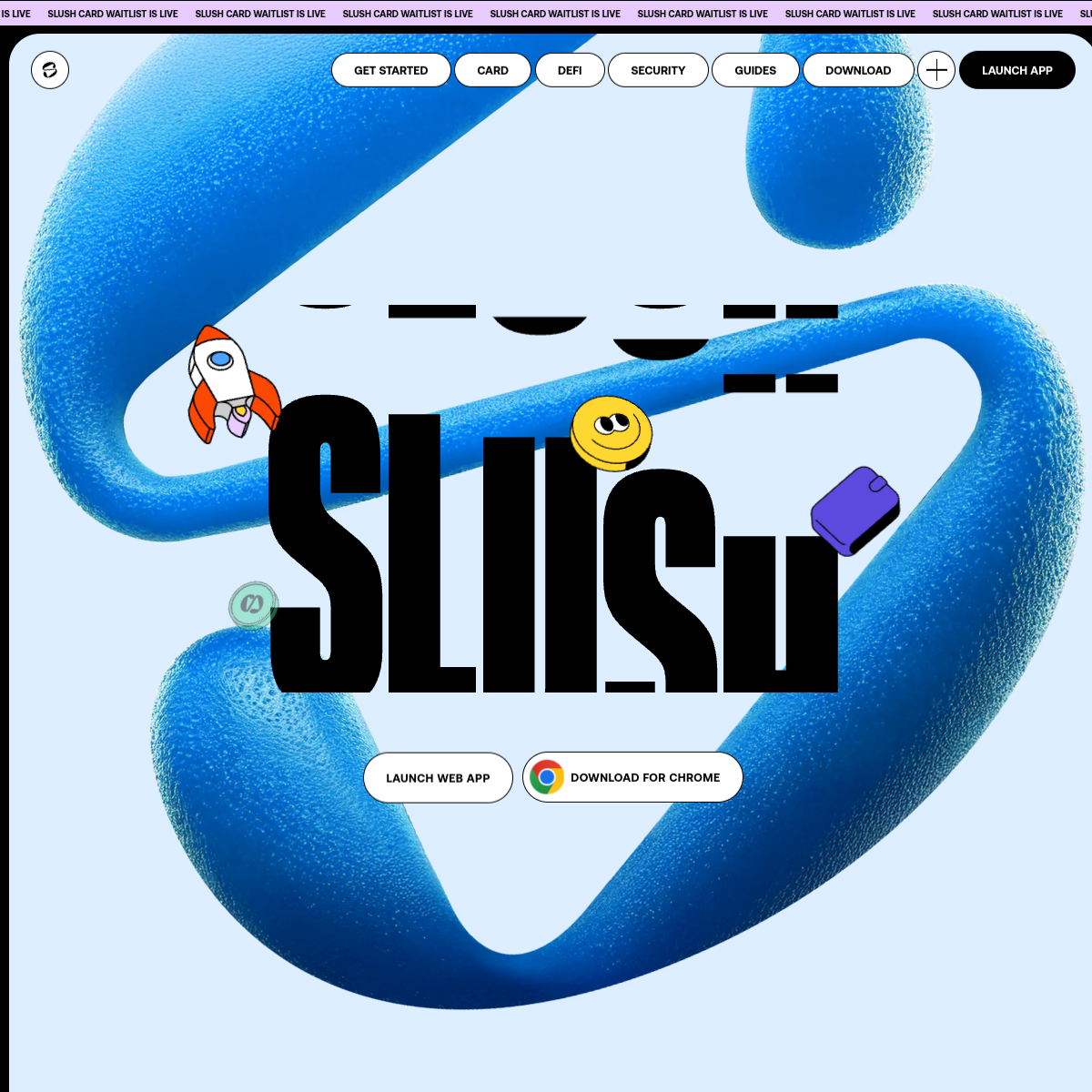
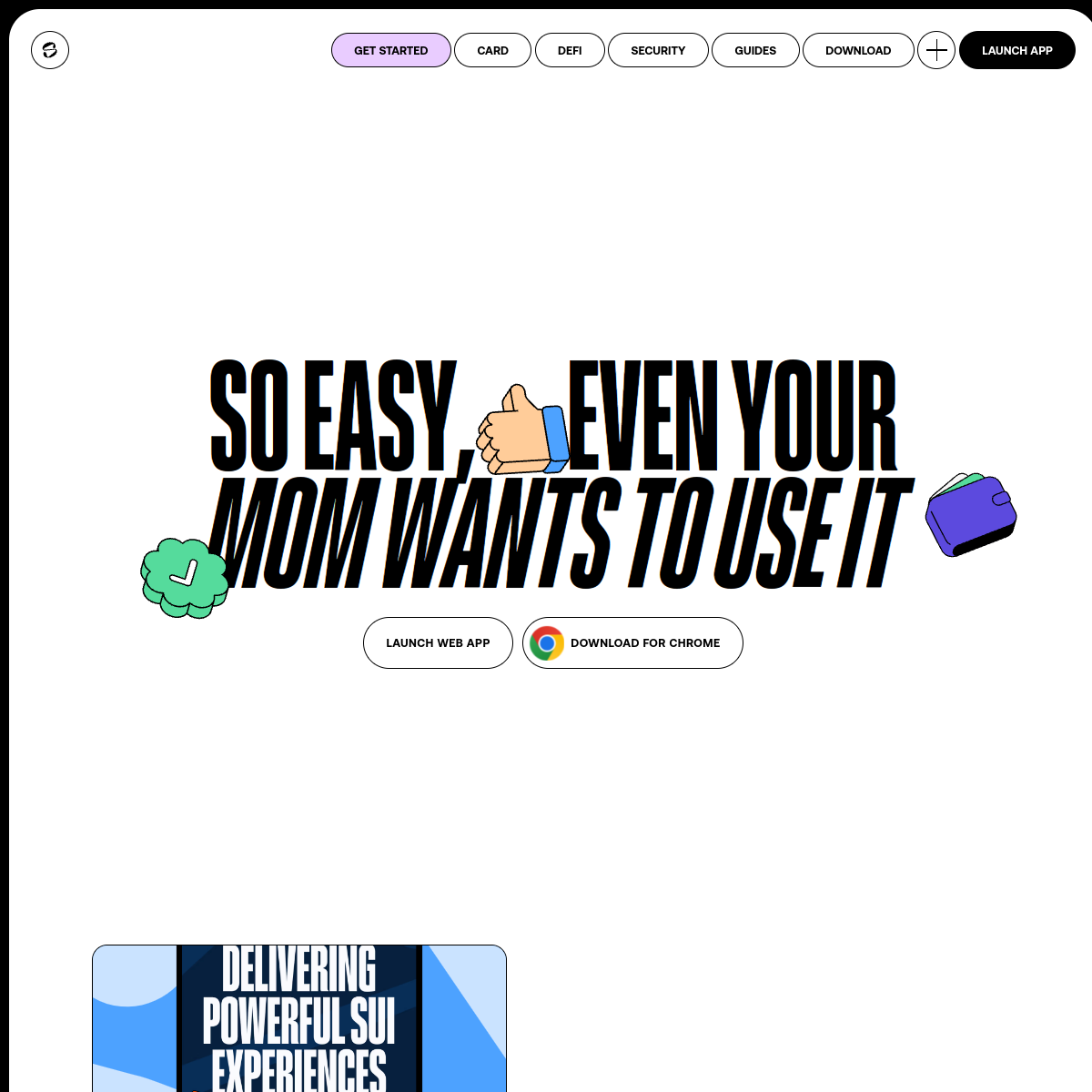
Slush is the clearest Sui-native starting point for many users in 2026.
The wallet’s official site positions Slush as a Sui wallet available through a web app, browser extension, and mobile app. Its onboarding guides say users can create an account with a recovery phrase or use social login through zkLogin, and the product also emphasizes direct access to Sui DeFi features from inside the wallet environment.
Why it made the list:
- Sui-native positioning is clear
- multiple access modes lower the friction for newer users
- built-in Sui DeFi and app connectivity make it feel more like an ecosystem gateway than a simple storage tool
What looks strongest in 2026:
- very accessible onboarding for mainstream users
- strong Sui-first product identity
- web app, extension, and mobile coverage gives it more flexibility than many older Sui wallet setups
What remains weaker:
- it is mainly useful if Sui is your main ecosystem
- readers who want one wallet for many non-Sui chains may prefer a broader multichain product
Who it may suit:
- new Sui users
- mobile-first users
- readers who want to explore Sui DeFi without stitching together too many tools
2. Suiet
Suiet remains one of the best-known self-custody wallets built directly around Sui.
Suiet’s documentation describes it as a self-custody wallet built on Sui, with guides for creating and importing wallets, sending SUI, managing NFTs, and connecting hardware wallets. Its documentation also emphasizes an open-source orientation and a “track nothing” privacy stance, which makes it stand out in a category where many wallets increasingly blend app experience with analytics and broader platform layers.
Why it made the list:
- clear Sui-native focus
- detailed documentation
- support for multiple hardware wallets in its guides
What looks strongest in 2026:
- strong fit for readers who want a dedicated Sui wallet
- practical self-custody feature set without overcomplicating the core product
- hardware-wallet compatibility adds flexibility for more security-conscious users
What remains weaker:
- it is still a specialist wallet rather than a universal multichain app
- readers who want a broader consumer finance interface may prefer a more generalized wallet
Who it may suit:
- Sui-native users
- self-custody users who want a more focused product
- readers who want clearer wallet documentation before moving funds
3. Phantom
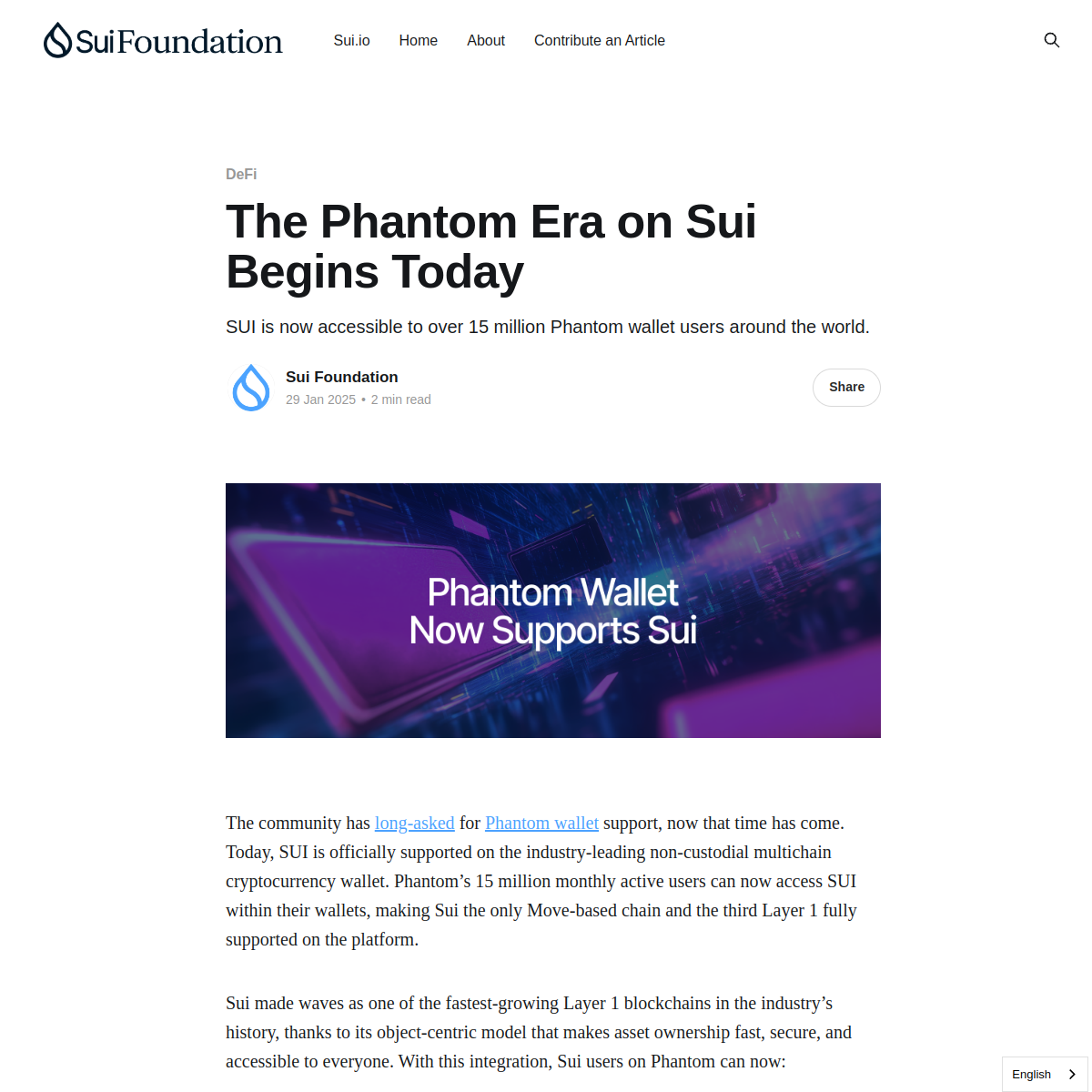
Phantom belongs in this comparison because Sui is no longer limited to Sui-native wallets.
Sui Foundation announced Phantom’s Sui integration in late 2024, and Phantom later rolled out live SUI support inside its multichain wallet. That matters because Phantom already had a large multichain user base and a polished mobile-plus-extension experience before Sui support arrived.
Why it made the list:
- strong multichain user experience
- official Sui integration gives Sui users access to a familiar wallet product
- useful for readers who do not want a separate wallet just for one ecosystem
What looks strongest in 2026:
- clean interface
- good fit for users already holding assets across multiple major chains
- removes some of the friction of running a separate Sui-only wallet
What remains weaker:
- Phantom is not designed around Sui alone
- some users will still prefer a wallet whose product roadmap is centered on Sui features first
Who it may suit:
- multichain users
- readers already using Phantom on other chains
- users who want Sui exposure inside a broader wallet setup
4. Nightly
Nightly is a useful option for readers who move between ecosystems and still want Sui support in the same wallet environment.
Nightly’s Sui wallet page describes support for SUI storage, transfers, DeFi access, NFTs, and token swaps, and its documentation points developers toward the Sui wallet standard for detection and app integration. That makes Nightly less of a niche single-chain product and more of a cross-ecosystem working wallet that includes Sui.
Why it made the list:
- explicit Sui support
- mobile and extension presence
- useful for users who want one wallet across several environments
What looks strongest in 2026:
- broad ecosystem coverage
- reasonable fit for active users who do not want to fragment their wallet stack
- still supports standard Sui app connection flows
What remains weaker:
- the product is not centered only on Sui
- some users will prefer deeper Sui-native integration rather than broader chain coverage
Who it may suit:
- multichain users
- dApp users who rotate across ecosystems
- readers who want Sui access without switching wallet brands
5. Backpack
Backpack is worth comparing because it has become a recognizable multichain app-plus-extension wallet and officially added Sui support through its ecosystem expansion.
Backpack’s download page says the product is available on iOS, Android, and select browsers. Sui Foundation also announced Backpack’s Sui integration, which broadened the list of mainstream wallets available to Sui users. For some readers, that is enough reason to include it: the wallet may already be part of their wider crypto workflow.
Why it made the list:
- broad device coverage
- familiar extension and mobile model
- useful if you already use Backpack and want to add Sui to the same stack
What looks strongest in 2026:
- strong cross-device footprint
- convenient for users who prefer fewer separate wallet apps
- can fit users who care more about unified workflow than chain purity
What remains weaker:
- it is not a Sui-first wallet
- some of its wider product identity extends beyond the narrower self-custody wallet use case
Who it may suit:
- mobile-plus-extension users
- existing Backpack users
- readers who want Sui support inside a broader multichain routine
Which Sui Wallet Is Best for Different Users?
If you only want a simple decision framework:
- choose Slush if you want the most Sui-native mainstream starting point
- choose Suiet if you want a focused Sui self-custody wallet with solid documentation
- choose Phantom if you already use a multichain wallet and want Sui in the same interface
- choose Nightly if you move across several ecosystems and want Sui included in that workflow
- choose Backpack if you already live in a mobile-plus-extension multichain wallet environment
What to Check Before Choosing a Sui Wallet
The wallet name is only part of the decision. Before moving funds, check:
- whether the wallet is self-custody or uses social-login onboarding paths
- which devices you actually want to use every week
- how easily the wallet connects to Sui apps you care about
- whether hardware-wallet support matters to you
- whether you need one wallet for Sui only or one wallet for several ecosystems
That last point matters more than many list pages admit. A Sui-native wallet can be better for deep ecosystem use, while a multichain wallet can be better for convenience.
FAQ
What is the best Sui wallet in 2026?
There is no one answer for every user. Slush, Suiet, Phantom, Nightly, and Backpack all make sense for different reasons. Slush and Suiet are stronger if you want a more Sui-native experience, while Phantom, Nightly, and Backpack make more sense for multichain users.
Is there an official Sui wallet?
Sui’s ecosystem messaging increasingly points new users toward Slush, but the network supports multiple wallet options. In practice, the “best” wallet depends more on your workflow than on a single official label.
Which Sui wallet is best for beginners?
Slush is one of the easiest starting points because its guides emphasize simple onboarding, social-login options, and direct exploration of Sui apps. Phantom can also be approachable for users who already know its interface from other chains.
Which Sui wallet is best for self-custody users?
Suiet is a strong option for readers who want a more focused self-custody wallet built around Sui. Slush also supports self-custody flows, but its onboarding model is broader and can feel more consumer-oriented.
Final Takeaway
The best Sui wallets in 2026 are not all trying to do the same thing.
Slush is the strongest Sui-native mainstream option for many users. Suiet remains one of the cleaner dedicated self-custody choices. Phantom, Nightly, and Backpack matter because they bring Sui into broader multichain wallet habits that many users already have.
That is the practical way to compare them now: not by generic “best wallet” language, but by how Sui-native or multichain the wallet is, how you plan to use it, and how much control or convenience you want in day-to-day workflow.
References
- Sui Foundation wallet explainer: https://blog.sui.io/getting-started-sui-understanding-your-wallet/
- Sui Foundation wallet getting-started article: https://blog.sui.io/sui-wallets/
- Slush homepage: https://slush.app/
- Slush getting started: https://slush.app/get-started
- Slush create account guide: https://slush.app/guides/create-your-account
- Slush connect to apps guide: https://slush.app/guides/connect-to-apps
- Suiet homepage: https://suiet.app/
- Suiet get started docs: https://docs.suiet.app/wallet/get-started/get-started
- Suiet introduction: https://docs.suiet.app/wallet/get-started/introduction
- Suiet hardware-wallet guide: https://docs.suiet.app/wallet/guides/using-hardware-wallet
- Phantom on Sui announcement: https://blog.sui.io/phantom-wallet-integrates-sui/
- Phantom live on Sui: https://blog.sui.io/phantom-wallet-live/
- Nightly Sui wallet page: https://nightly.app/wallet/sui
- Nightly Sui docs: https://docs.nightly.app/docs/sui/sui/detection/
- Backpack download page: https://backpack.app/download
- Backpack Sui integration on Sui blog: https://blog.sui.io/backpack-exchange-wallet-integrates-sui/
Internal Link Opportunities
- Best crypto wallet explainer: https://coincu.com/best-crypto-wallet/
- What is crypto custody: https://coincu.com/what-is-crypto-custody/
- Hot wallet vs cold wallet explainer: https://coincu.com/understanding-hot-wallets-and-cold-wallets/
- Sui ecosystem page if available: add nearest live Sui explainer or token page
Media Plan
Featured image:
- a collage featuring Slush, Suiet, Phantom, Nightly, and Backpack
- visual style should signal wallet comparison, not token-price speculation
Suggested inline media:
- Slush onboarding or account-creation screen
- Phantom on Sui announcement capture
- Suiet hardware-wallet support guide capture
Caption direction:
- emphasize wallet type, supported environment, and use-case fit
Disclosure
This article is for informational purposes only and does not constitute investment advice or security advice. Wallet support, browser compatibility, hardware-wallet integrations, and app features can change over time, so readers should verify the latest official documentation before moving assets or connecting to Sui applications.




- China, US Conclude Trade Talks with Focus on Cooperation
- Crypto Weekly: NYSE Backs OKX, Kraken Gets Fed Access, BTC Sells
- Court Upholds Fed’s Rejection of Custodia Bank’s Request
- Former CFO Convicted for $35M Fraudulent Crypto Investment
- DeriW Launches Edge Hour Trading Competition Platform for Derivatives Traders
- Michael Saylor Denies Bitcoin Sell-Off Amid Large BTC Transfer
- Buy Dogecoin on eToro: Step-by-Step Guide for Beginners (2024)
- Kazakhstan Explores Crypto Reserves Backed by National Funds
- JPMorgan Increases Holdings in BlackRock’s Bitcoin ETF
- Nordea Bank Introduces Bitcoin ETP Trading for Nordic Customers
- XRP Spot ETF Launches on Nasdaq Amid Market Fluctuations
- Peter Schiff Challenges Michael Saylor on MSTR’s Business Model
- Thailand Orders Worldcoin to Delete 1.2 Million Biometric Records
- UK Proposes New DeFi Tax Framework to Ease User Burden
- WLFI Under Fire: Analyst Warns Hyperliquid Could Be Next
- Ancient Ethereum Whale Moves $1.19 Billion After Decade
- BlackRock Receives Large Crypto Transfers from Coinbase
- SEC Scrutiny on ALT5 Sigma’s Leadership Disclosure Timing
- Yala Injects $5.5 Million Amid Recovery Efforts
- Radiant Capital Faces $50M Loss in Major Security Breach
- China, US Conclude Trade Talks with Focus on Cooperation
- Crypto Weekly: NYSE Backs OKX, Kraken Gets Fed Access, BTC Sells
- Court Upholds Fed’s Rejection of Custodia Bank’s Request
- Former CFO Convicted for $35M Fraudulent Crypto Investment
- DeriW Launches Edge Hour Trading Competition Platform for Derivatives Traders
- Michael Saylor Denies Bitcoin Sell-Off Amid Large BTC Transfer
- Buy Dogecoin on eToro: Step-by-Step Guide for Beginners (2024)
- Kazakhstan Explores Crypto Reserves Backed by National Funds
- JPMorgan Increases Holdings in BlackRock’s Bitcoin ETF
- Nordea Bank Introduces Bitcoin ETP Trading for Nordic Customers
- XRP Spot ETF Launches on Nasdaq Amid Market Fluctuations
- Peter Schiff Challenges Michael Saylor on MSTR’s Business Model
- Thailand Orders Worldcoin to Delete 1.2 Million Biometric Records
- UK Proposes New DeFi Tax Framework to Ease User Burden
- WLFI Under Fire: Analyst Warns Hyperliquid Could Be Next
- Ancient Ethereum Whale Moves $1.19 Billion After Decade
- BlackRock Receives Large Crypto Transfers from Coinbase
- SEC Scrutiny on ALT5 Sigma’s Leadership Disclosure Timing
- Yala Injects $5.5 Million Amid Recovery Efforts
- Radiant Capital Faces $50M Loss in Major Security Breach
- China, US Conclude Trade Talks with Focus on Cooperation
- Crypto Weekly: NYSE Backs OKX, Kraken Gets Fed Access, BTC Sells
- Court Upholds Fed’s Rejection of Custodia Bank’s Request
- Former CFO Convicted for $35M Fraudulent Crypto Investment
- DeriW Launches Edge Hour Trading Competition Platform for Derivatives Traders
- Michael Saylor Denies Bitcoin Sell-Off Amid Large BTC Transfer
- Buy Dogecoin on eToro: Step-by-Step Guide for Beginners (2024)
- Kazakhstan Explores Crypto Reserves Backed by National Funds
- JPMorgan Increases Holdings in BlackRock’s Bitcoin ETF
- Nordea Bank Introduces Bitcoin ETP Trading for Nordic Customers
- XRP Spot ETF Launches on Nasdaq Amid Market Fluctuations
- Peter Schiff Challenges Michael Saylor on MSTR’s Business Model
- Thailand Orders Worldcoin to Delete 1.2 Million Biometric Records
- UK Proposes New DeFi Tax Framework to Ease User Burden
- WLFI Under Fire: Analyst Warns Hyperliquid Could Be Next
- Ancient Ethereum Whale Moves $1.19 Billion After Decade
- BlackRock Receives Large Crypto Transfers from Coinbase
- SEC Scrutiny on ALT5 Sigma’s Leadership Disclosure Timing
- Yala Injects $5.5 Million Amid Recovery Efforts
- Radiant Capital Faces $50M Loss in Major Security Breach


Spot Ethereum ETFs Drew $18.43M in Net Inflows, Led by BlackRock ETHA

AFX Surpasses $1.1 Billion in Total Trading Volume, Highlighting Capital Efficiency in On-Chain Derivatives