Velotrade launch by former JPMorgan traders: confirmed facts vs gaps
Velotrade is a crypto prop trading platform whose launch narrative centers on former JPMorgan and other institutional traders. Available public reporting today is limited to self-published company materials. Independent expert or regulatory assessments have not been identified.
Those materials outline leadership biographies, a crypto-only model, and a hedging approach. What remains uncorroborated is whether third-party records validate the biographies or clarify the operational specifics of hedging.
Confirmed today: the platform markets a crypto-only model and outlines profit splits and trading permissions. Gaps include external verification of biographies, regulatory posture by jurisdiction, and measurable execution benchmarks.
Why Velotrade’s crypto prop trading and hedging claims matter
In retail-facing prop firms, the central risks are conflicts of interest, execution quality, and rule stability. Claims of live institutional hedging and crypto-specific infrastructure directly address those friction points and could, if accurate, lower slippage and principal risk.
According to Velotrade (https://www.velotrade.com/about/?utm_source=openai), “processed and paid out over $2.5 billion to clients worldwide since 2016.” The company also lists up to 90% profit splits, news and weekend trading permissions, and a policy that it does not trade against users via live hedging. It further markets crypto-only advantages such as tighter spreads, faster execution, and risk tools tailored to token events and exchange maintenance. These statements have not been independently audited in the materials reviewed.
Because these features, if implemented as described, would mitigate common prop-firm frictions, their accuracy is material to trader outcomes. Absent third‑party validation, they should be treated as company claims rather than verified facts.
Immediate implications for traders evaluating Velotrade right now
Differentiate between the platform’s marketing and verifiable controls. Focus on documented rule stability, payout reliability over time, hedging mechanics that specify counterparties and venues, and how execution quality is measured.
In the absence of expert reviews or regulatory commentary located in public sources, a cautious, verification-first posture is prudent. Comparisons to typical prop-firm practices can inform expectations without substituting for independent evidence.
Independent validation, regulation, and due diligence checklist
Verify Vittorio De Angelis and other founders’ institutional backgrounds
Start with the firm’s published biographies, then cross-check against public professional records, press archives from prior employers such as JPMorgan, and corporate registries where applicable. Look for matching dates, desks, and locations. Seek independent mentions in reputable publications that predate the platform’s launch.
Assess Velotrade’s rules, fees, payouts, and data protections
Review the full rulebook for evaluation phases, daily and max drawdown logic, and any conditions on news or weekend trading. Examine fee schedules, payout timelines, historical payout evidence, and change logs for terms. Evaluate disclosures on hedging execution, liquidity venues, and user data handling, including authentication, custody flows, and breach notification practices.
FAQ about Velotrade
Are Velotrade’s founders actually former JPMorgan or other institutional traders, and what public records confirm this?
Company materials name Vittorio De Angelis and others with prior JPMorgan roles; independent third-party records confirming these claims were not located in the materials reviewed.
How does Velotrade’s institutional hedging work and does it eliminate conflicts of interest with traders?
The company describes live hedging via institutional liquidity; without independent audits, that may reduce but should not be assumed to eliminate all conflicts or execution risks.
| DISCLAIMER: The information on this website is provided as general market commentary and does not constitute investment advice. We encourage you to do your own research before investing. |


Other Posts









- Amplify 2024: Ohio’s Premier Blockchain Summit
- Polymarket Announces U.S. Beta Relaunch Amid Market Buzz
- China, US Conclude Trade Talks with Focus on Cooperation
- Crypto Weekly: NYSE Backs OKX, Kraken Gets Fed Access, BTC Sells
- CELO holds as Celo reviews Opera 160M token claim
- DeriW Launches Edge Hour Trading Competition Platform for Derivatives Traders
- Michael Saylor Denies Bitcoin Sell-Off Amid Large BTC Transfer
- Court Upholds Fed’s Rejection of Custodia Bank’s Request
- EU Opens Antitrust Probe Into Deutsche Boerse and Nasdaq Derivatives Dealings
- Kazakhstan Explores Crypto Reserves Backed by National Funds
- JPMorgan Increases Holdings in BlackRock’s Bitcoin ETF
- Nordea Bank Introduces Bitcoin ETP Trading for Nordic Customers
- XRP Spot ETF Launches on Nasdaq Amid Market Fluctuations
- JPMorgan Chase Launches 24/7 Digital Deposit Token for Clients
- Crypto Leaders Address Macro Volatility Amid Market Shifts
- Former CFO Convicted for $35M Fraudulent Crypto Investment
- Peter Schiff Challenges Michael Saylor on MSTR’s Business Model
- Thailand Orders Worldcoin to Delete 1.2 Million Biometric Records
- UK Proposes New DeFi Tax Framework to Ease User Burden
- U.S. Treasury Proposes New Tax Relief Regulations
- Amplify 2024: Ohio’s Premier Blockchain Summit
- Polymarket Announces U.S. Beta Relaunch Amid Market Buzz
- China, US Conclude Trade Talks with Focus on Cooperation
- Crypto Weekly: NYSE Backs OKX, Kraken Gets Fed Access, BTC Sells
- CELO holds as Celo reviews Opera 160M token claim
- DeriW Launches Edge Hour Trading Competition Platform for Derivatives Traders
- Michael Saylor Denies Bitcoin Sell-Off Amid Large BTC Transfer
- Court Upholds Fed’s Rejection of Custodia Bank’s Request
- EU Opens Antitrust Probe Into Deutsche Boerse and Nasdaq Derivatives Dealings
- Kazakhstan Explores Crypto Reserves Backed by National Funds
- JPMorgan Increases Holdings in BlackRock’s Bitcoin ETF
- Nordea Bank Introduces Bitcoin ETP Trading for Nordic Customers
- XRP Spot ETF Launches on Nasdaq Amid Market Fluctuations
- JPMorgan Chase Launches 24/7 Digital Deposit Token for Clients
- Crypto Leaders Address Macro Volatility Amid Market Shifts
- Former CFO Convicted for $35M Fraudulent Crypto Investment
- Peter Schiff Challenges Michael Saylor on MSTR’s Business Model
- Thailand Orders Worldcoin to Delete 1.2 Million Biometric Records
- UK Proposes New DeFi Tax Framework to Ease User Burden
- U.S. Treasury Proposes New Tax Relief Regulations
- Amplify 2024: Ohio’s Premier Blockchain Summit
- Polymarket Announces U.S. Beta Relaunch Amid Market Buzz
- China, US Conclude Trade Talks with Focus on Cooperation
- Crypto Weekly: NYSE Backs OKX, Kraken Gets Fed Access, BTC Sells
- CELO holds as Celo reviews Opera 160M token claim
- DeriW Launches Edge Hour Trading Competition Platform for Derivatives Traders
- Michael Saylor Denies Bitcoin Sell-Off Amid Large BTC Transfer
- Court Upholds Fed’s Rejection of Custodia Bank’s Request
- EU Opens Antitrust Probe Into Deutsche Boerse and Nasdaq Derivatives Dealings
- Kazakhstan Explores Crypto Reserves Backed by National Funds
- JPMorgan Increases Holdings in BlackRock’s Bitcoin ETF
- Nordea Bank Introduces Bitcoin ETP Trading for Nordic Customers
- XRP Spot ETF Launches on Nasdaq Amid Market Fluctuations
- JPMorgan Chase Launches 24/7 Digital Deposit Token for Clients
- Crypto Leaders Address Macro Volatility Amid Market Shifts
- Former CFO Convicted for $35M Fraudulent Crypto Investment
- Peter Schiff Challenges Michael Saylor on MSTR’s Business Model
- Thailand Orders Worldcoin to Delete 1.2 Million Biometric Records
- UK Proposes New DeFi Tax Framework to Ease User Burden
- U.S. Treasury Proposes New Tax Relief Regulations
Latest



Press Release
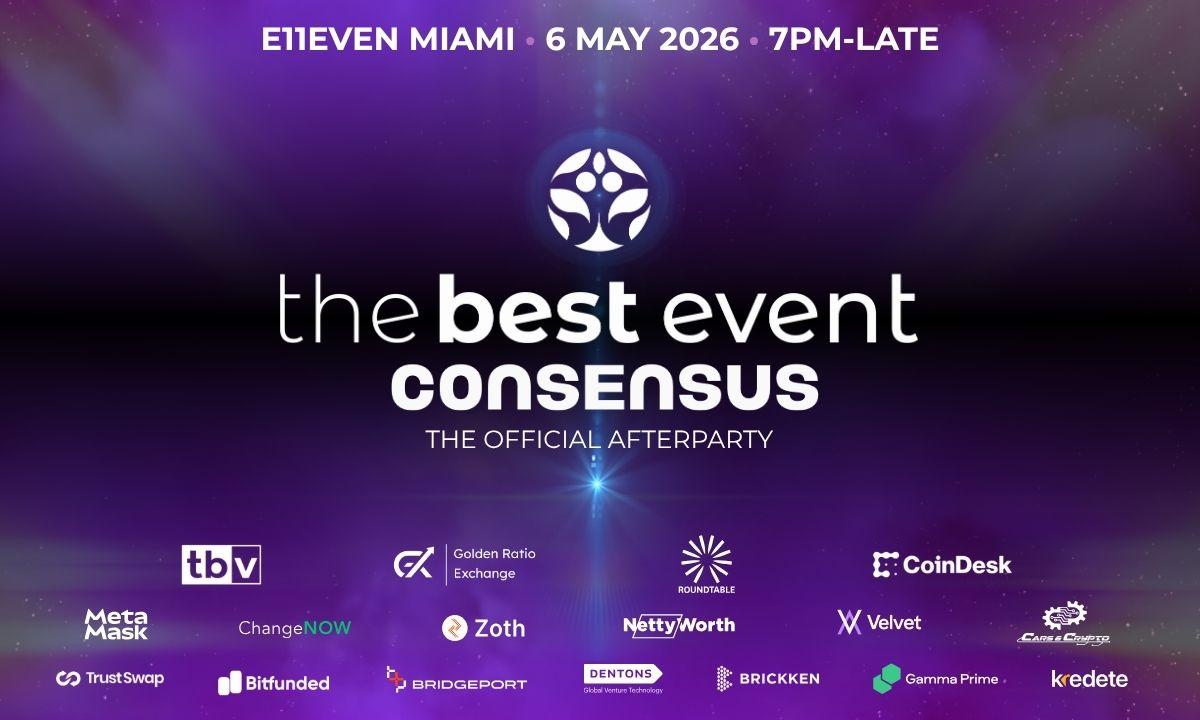
The Best Event hosts Consensus Miami 2026 Afterparty, Transforming Deal Flow Into an Unforgettable Night