U.S. Senate Banking Committee Files 100+ Amendments to Crypto Bill
Members of the U.S. Senate Banking Committee have filed more than 100 amendments to a major crypto bill, setting the stage for a complex and potentially contentious markup process that could reshape the regulatory framework for digital assets in the United States.
The volume of proposed changes signals that lawmakers on both sides of the aisle see significant room for revision in the legislation. Filing amendments at the committee stage is a standard part of the legislative process, but a triple-digit count suggests deep engagement with the bill’s provisions, ranging from possible disagreements over key definitions to efforts at refining compliance requirements.
It is important to distinguish between amendments being filed and amendments being adopted. Filing reflects what committee members want to debate; adoption depends on votes during markup. The amendment tracker for S.1582 on Congress.gov lists the individual proposals submitted by senators, though full text and outcomes depend on the committee’s scheduled proceedings.
Stablecoin Oversight and Debanking Provisions Drew Early Attention
The Senate Banking Committee under Chairman Tim Scott has already moved on related fronts. Scott advanced stablecoin and debanking legislation out of committee earlier in this Congress, indicating that digital asset oversight remains a priority for the panel’s leadership.
Stablecoin regulation, consumer protection standards, and the scope of federal versus state oversight are common pressure points in crypto legislation. Amendments frequently cluster around these areas because they involve tradeoffs between innovation, financial stability, and existing regulatory authority.
For readers tracking how stablecoin frameworks intersect with broader DeFi developments, the Aave rsETH recovery plan on Arbitrum illustrates how protocol-level risk management operates in the absence of clear federal rules.
What the Amendment Count Signals About Senate Crypto Priorities
A high amendment count does not automatically mean a bill is in trouble. It can reflect genuine bipartisan effort to improve legislation before it reaches the full Senate floor. The GENIUS Act, a related stablecoin bill, passed the Senate with Chairman Scott’s support, showing that crypto-related legislation can clear the chamber when sufficient consensus is reached.
Whether the current amendment volume points to deeper disagreement or constructive refinement will become clearer as the committee works through individual proposals during markup sessions. The procedural path from committee approval to a floor vote involves reconciling competing priorities, and each adopted amendment reshapes the final bill text.
The broader question of federal crypto oversight has drawn attention across multiple fronts this Congress. Jurisdictional debates, similar to those raised in the Bitcoin Fog appeal testing DOJ jurisdiction, highlight the complexity of applying existing legal frameworks to digital assets.
What Crypto Firms and Policy Watchers Should Monitor Next
The most important near-term milestone is the committee’s markup session, where members will debate and vote on individual amendments. Amendment outcomes, not the filing count alone, will determine what version of the bill advances.
Market participants should watch for amendments that could affect compliance costs, token classification, or the regulatory treatment of stablecoins. Changes in any of these areas could have material implications for how crypto firms operate in the United States.
The growing involvement of traditional financial institutions in crypto, as seen with Franklin Templeton’s on-chain partnership with Kraken, adds urgency to the legislative process. Firms positioning themselves at the intersection of traditional finance and digital assets need regulatory clarity to plan long-term operations.
Readers tracking the bill’s progress can monitor the Senate Banking Committee’s executive session page for updates on scheduled proceedings and vote outcomes.
FAQ: Senate Banking Committee Crypto Bill Amendments
What does it mean when lawmakers file amendments to a bill?
Filing an amendment is a formal proposal to change specific language in a bill. It does not mean the change is adopted. Amendments must be debated and voted on during committee markup before they can alter the legislation.
Does filing 100-plus amendments slow down a crypto bill?
A large number of amendments can extend the markup timeline, but it does not necessarily block the bill. Committee leadership can organize amendments into groups for efficient consideration, and many may be withdrawn or consolidated before votes.
What should readers watch before the bill advances?
The key events are the committee markup session, where amendments are voted on, and the subsequent committee vote to report the bill to the full Senate. Until markup concludes, the final shape of the legislation remains uncertain.
Disclaimer: This article is for informational purposes only and does not constitute financial or investment advice. Cryptocurrency and digital asset markets carry significant risk. Always do your own research before making decisions.
No tags available.


Other Posts








- China, US Conclude Trade Talks with Focus on Cooperation
- Crypto Weekly: NYSE Backs OKX, Kraken Gets Fed Access, BTC Sells
- DeriW Launches Edge Hour Trading Competition Platform for Derivatives Traders
- Court Upholds Fed’s Rejection of Custodia Bank’s Request
- Former CFO Convicted for $35M Fraudulent Crypto Investment
- Michael Saylor Denies Bitcoin Sell-Off Amid Large BTC Transfer
- Buy Dogecoin on eToro: Step-by-Step Guide for Beginners (2024)
- Kazakhstan Explores Crypto Reserves Backed by National Funds
- JPMorgan Increases Holdings in BlackRock’s Bitcoin ETF
- Nordea Bank Introduces Bitcoin ETP Trading for Nordic Customers
- XRP Spot ETF Launches on Nasdaq Amid Market Fluctuations
- Crypto Leaders Address Macro Volatility Amid Market Shifts
- Peter Schiff Challenges Michael Saylor on MSTR’s Business Model
- Thailand Orders Worldcoin to Delete 1.2 Million Biometric Records
- UK Proposes New DeFi Tax Framework to Ease User Burden
- WLFI Under Fire: Analyst Warns Hyperliquid Could Be Next
- Ancient Ethereum Whale Moves $1.19 Billion After Decade
- BlackRock Receives Large Crypto Transfers from Coinbase
- SEC Scrutiny on ALT5 Sigma’s Leadership Disclosure Timing
- MoonPay Gains Trust License for Crypto Operations in New York
- China, US Conclude Trade Talks with Focus on Cooperation
- Crypto Weekly: NYSE Backs OKX, Kraken Gets Fed Access, BTC Sells
- DeriW Launches Edge Hour Trading Competition Platform for Derivatives Traders
- Court Upholds Fed’s Rejection of Custodia Bank’s Request
- Former CFO Convicted for $35M Fraudulent Crypto Investment
- Michael Saylor Denies Bitcoin Sell-Off Amid Large BTC Transfer
- Buy Dogecoin on eToro: Step-by-Step Guide for Beginners (2024)
- Kazakhstan Explores Crypto Reserves Backed by National Funds
- JPMorgan Increases Holdings in BlackRock’s Bitcoin ETF
- Nordea Bank Introduces Bitcoin ETP Trading for Nordic Customers
- XRP Spot ETF Launches on Nasdaq Amid Market Fluctuations
- Crypto Leaders Address Macro Volatility Amid Market Shifts
- Peter Schiff Challenges Michael Saylor on MSTR’s Business Model
- Thailand Orders Worldcoin to Delete 1.2 Million Biometric Records
- UK Proposes New DeFi Tax Framework to Ease User Burden
- WLFI Under Fire: Analyst Warns Hyperliquid Could Be Next
- Ancient Ethereum Whale Moves $1.19 Billion After Decade
- BlackRock Receives Large Crypto Transfers from Coinbase
- SEC Scrutiny on ALT5 Sigma’s Leadership Disclosure Timing
- MoonPay Gains Trust License for Crypto Operations in New York
- China, US Conclude Trade Talks with Focus on Cooperation
- Crypto Weekly: NYSE Backs OKX, Kraken Gets Fed Access, BTC Sells
- DeriW Launches Edge Hour Trading Competition Platform for Derivatives Traders
- Court Upholds Fed’s Rejection of Custodia Bank’s Request
- Former CFO Convicted for $35M Fraudulent Crypto Investment
- Michael Saylor Denies Bitcoin Sell-Off Amid Large BTC Transfer
- Buy Dogecoin on eToro: Step-by-Step Guide for Beginners (2024)
- Kazakhstan Explores Crypto Reserves Backed by National Funds
- JPMorgan Increases Holdings in BlackRock’s Bitcoin ETF
- Nordea Bank Introduces Bitcoin ETP Trading for Nordic Customers
- XRP Spot ETF Launches on Nasdaq Amid Market Fluctuations
- Crypto Leaders Address Macro Volatility Amid Market Shifts
- Peter Schiff Challenges Michael Saylor on MSTR’s Business Model
- Thailand Orders Worldcoin to Delete 1.2 Million Biometric Records
- UK Proposes New DeFi Tax Framework to Ease User Burden
- WLFI Under Fire: Analyst Warns Hyperliquid Could Be Next
- Ancient Ethereum Whale Moves $1.19 Billion After Decade
- BlackRock Receives Large Crypto Transfers from Coinbase
- SEC Scrutiny on ALT5 Sigma’s Leadership Disclosure Timing
- MoonPay Gains Trust License for Crypto Operations in New York

Sovright Launches Argos Wallet Recovery Tool for Early Zcash Users

Dutch prosecutors seek to declare crypto platform Knaken bankrupt

SEC Seeks Public Input on New ETF Regulation, Including Crypto and On-Chain Products

Autheo Introduces the Internet Operating System: A Decentralized Coordination Layer for Web, Blockchain, & AI
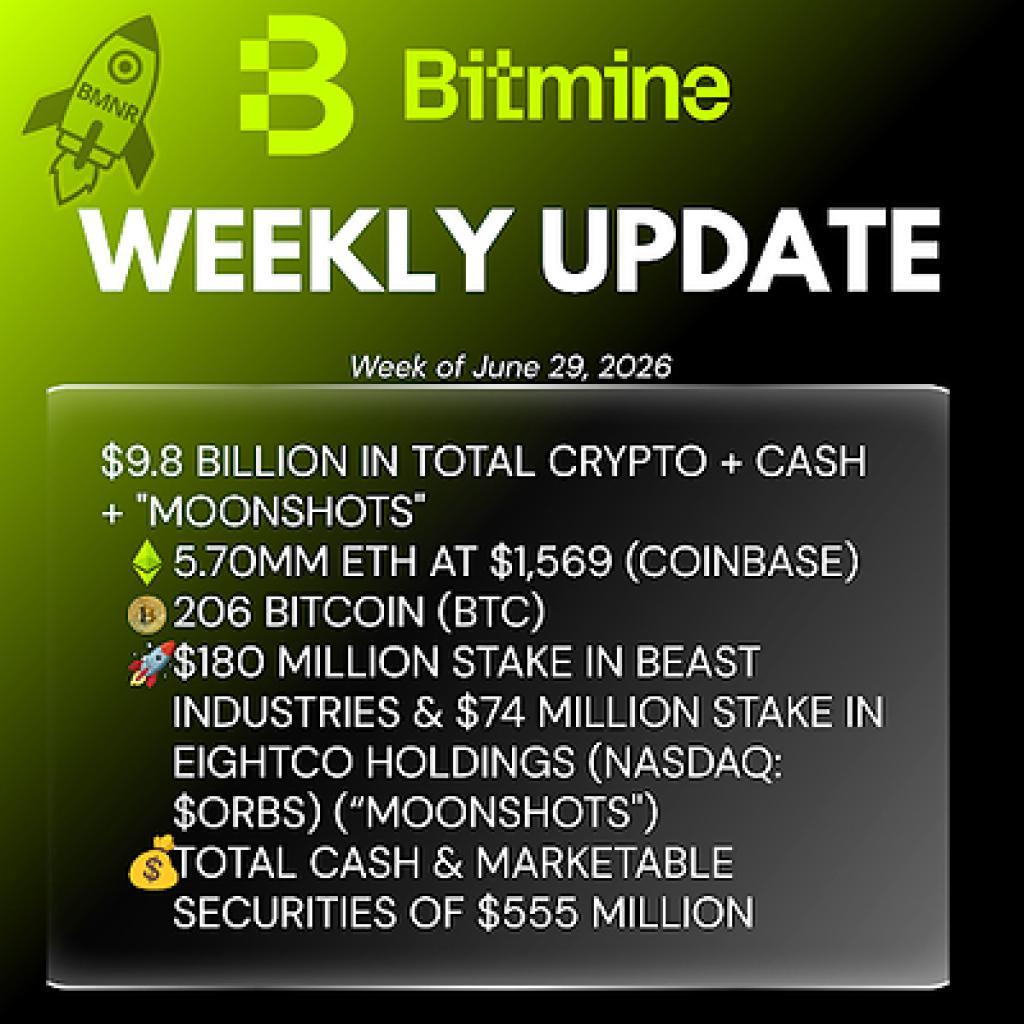
Bitmine Immersion Technologies (BMNR) Announces ETH Holdings Reach 5.70 Million Tokens, and Total Crypto and Total Cash Holdings of $9.8 Billion