Aave Pro Launches Address Monitoring to Track Any Wallet Without Connecting
Aave Pro has launched an address monitoring feature that allows users to track any wallet’s activity without connecting their own wallet, adding watchlist-style functionality to the DeFi protocol’s professional interface.
The feature is available through Aave Pro, the protocol’s dedicated platform for advanced users. Address monitoring lets anyone observe wallet positions and activity on Aave markets by simply entering an address, removing the requirement to sign a transaction or link a wallet to view data.
What the address monitoring feature does
According to the Aave Pro user guide, the platform now supports tracking any wallet address across Aave’s lending and borrowing markets. Users can monitor supply positions, borrow balances, and health factors for addresses they add to their watchlist.
The no-connection design means users do not need to approve a wallet signature or expose any personal address to use the monitoring tool. This lowers the friction for portfolio watchers, researchers, and risk managers who need visibility into specific positions without interacting with the protocol directly.
Activity data for monitored addresses is accessible through the platform’s activity dashboard, which displays historical and real-time position changes.
How wallet tracking changes the user workflow
Before this feature, users who wanted to check a specific wallet’s Aave positions had to navigate block explorers or third-party analytics tools. Aave Pro now consolidates that information into a single interface designed specifically for the protocol’s markets.
The lower-friction access model is particularly relevant for users managing multiple wallets or monitoring counterparty risk. Institutional desks and DeFi-native funds that track large depositors or borrowers on Aave can now do so from one dashboard without switching between tools.
This type of watchlist functionality has become a standard expectation in centralized exchange interfaces but remains less common in DeFi protocol frontends, where users typically interact only with their own connected wallet. Aave Pro’s approach brings that capability natively into the protocol’s UI.
Why address monitoring matters for DeFi users
On-chain activity on lending protocols like Aave directly affects liquidation thresholds, utilization rates, and borrowing costs. Being able to track large positions in real time gives market observers an edge in anticipating rate changes or liquidation events, similar to how on-chain observers track liquidation thresholds on Ethereum to gauge market risk.
For DeFi researchers and analysts, the feature simplifies the workflow of monitoring whale wallets. Rather than querying smart contract data manually, users can rely on Aave Pro’s interface to surface position details in a readable format.
The tool also has implications for governance participants. Aave token holders who vote on risk parameters through the protocol’s governance portal can now more easily observe how large positions respond to parameter changes, informing future proposals.
Privacy and transparency considerations
All data surfaced by the address monitoring feature is already publicly available on-chain. Aave Pro is not exposing private information but rather making existing public blockchain data more accessible and organized within its interface.
The transparency of public wallet data is a foundational property of DeFi protocols. However, the ease of aggregating and monitoring this data through a polished UI may increase scrutiny on large position holders who previously relied on the practical obscurity of raw blockchain data.
From a security perspective, the no-connection design reduces attack surface for users. Monitoring addresses without signing transactions means there is no wallet approval that could be exploited through phishing or malicious contract interactions, a concern that has driven significant losses in DeFi. Users evaluating portfolio strategies, such as those analyzing long-term accumulation approaches, can observe market positions without any on-chain exposure.
Aave Pro in the broader Aave ecosystem
The address monitoring launch arrives as Aave continues expanding its protocol capabilities. The project recently deployed Aave V4 on Ethereum, introducing architectural upgrades to its lending infrastructure.
Aave Pro serves as the advanced interface layer on top of the core protocol, targeting power users who need deeper analytics and management tools. The address monitoring feature extends that positioning by adding passive observation capabilities alongside active lending and borrowing functions.
The development of prediction and analytics tools across DeFi platforms, including recent partnerships between DeFi protocols and traditional finance infrastructure, suggests growing demand for professional-grade monitoring and data access in decentralized markets.
FAQ
What is Aave Pro address monitoring?
It is a feature within Aave Pro that lets users add any wallet address to a watchlist and track its lending and borrowing positions across Aave markets in real time.
Do users need to connect a wallet to use it?
No. The monitoring feature works without any wallet connection, meaning users can observe addresses without signing transactions or revealing their own wallet.
Can any wallet be tracked?
Yes. Any Ethereum address that has interacted with Aave can be monitored. The data displayed is derived from publicly available on-chain information.
Who benefits most from this feature?
DeFi researchers, risk managers, institutional desks tracking counterparty exposure, governance participants, and individual users managing multiple wallets are the primary beneficiaries.
Disclaimer: This article is for informational purposes only and does not constitute financial or investment advice. Cryptocurrency and digital asset markets carry significant risk. Always do your own research before making decisions.
No tags available.


Other Posts








- Amplify 2024: Ohio’s Premier Blockchain Summit
- Polymarket Announces U.S. Beta Relaunch Amid Market Buzz
- China, US Conclude Trade Talks with Focus on Cooperation
- Crypto Weekly: NYSE Backs OKX, Kraken Gets Fed Access, BTC Sells
- CELO holds as Celo reviews Opera 160M token claim
- DeriW Launches Edge Hour Trading Competition Platform for Derivatives Traders
- Michael Saylor Denies Bitcoin Sell-Off Amid Large BTC Transfer
- Court Upholds Fed’s Rejection of Custodia Bank’s Request
- EU Opens Antitrust Probe Into Deutsche Boerse and Nasdaq Derivatives Dealings
- Kazakhstan Explores Crypto Reserves Backed by National Funds
- JPMorgan Increases Holdings in BlackRock’s Bitcoin ETF
- Nordea Bank Introduces Bitcoin ETP Trading for Nordic Customers
- XRP Spot ETF Launches on Nasdaq Amid Market Fluctuations
- JPMorgan Chase Launches 24/7 Digital Deposit Token for Clients
- Crypto Leaders Address Macro Volatility Amid Market Shifts
- Former CFO Convicted for $35M Fraudulent Crypto Investment
- Peter Schiff Challenges Michael Saylor on MSTR’s Business Model
- Thailand Orders Worldcoin to Delete 1.2 Million Biometric Records
- UK Proposes New DeFi Tax Framework to Ease User Burden
- U.S. Treasury Proposes New Tax Relief Regulations
- Amplify 2024: Ohio’s Premier Blockchain Summit
- Polymarket Announces U.S. Beta Relaunch Amid Market Buzz
- China, US Conclude Trade Talks with Focus on Cooperation
- Crypto Weekly: NYSE Backs OKX, Kraken Gets Fed Access, BTC Sells
- CELO holds as Celo reviews Opera 160M token claim
- DeriW Launches Edge Hour Trading Competition Platform for Derivatives Traders
- Michael Saylor Denies Bitcoin Sell-Off Amid Large BTC Transfer
- Court Upholds Fed’s Rejection of Custodia Bank’s Request
- EU Opens Antitrust Probe Into Deutsche Boerse and Nasdaq Derivatives Dealings
- Kazakhstan Explores Crypto Reserves Backed by National Funds
- JPMorgan Increases Holdings in BlackRock’s Bitcoin ETF
- Nordea Bank Introduces Bitcoin ETP Trading for Nordic Customers
- XRP Spot ETF Launches on Nasdaq Amid Market Fluctuations
- JPMorgan Chase Launches 24/7 Digital Deposit Token for Clients
- Crypto Leaders Address Macro Volatility Amid Market Shifts
- Former CFO Convicted for $35M Fraudulent Crypto Investment
- Peter Schiff Challenges Michael Saylor on MSTR’s Business Model
- Thailand Orders Worldcoin to Delete 1.2 Million Biometric Records
- UK Proposes New DeFi Tax Framework to Ease User Burden
- U.S. Treasury Proposes New Tax Relief Regulations
- Amplify 2024: Ohio’s Premier Blockchain Summit
- Polymarket Announces U.S. Beta Relaunch Amid Market Buzz
- China, US Conclude Trade Talks with Focus on Cooperation
- Crypto Weekly: NYSE Backs OKX, Kraken Gets Fed Access, BTC Sells
- CELO holds as Celo reviews Opera 160M token claim
- DeriW Launches Edge Hour Trading Competition Platform for Derivatives Traders
- Michael Saylor Denies Bitcoin Sell-Off Amid Large BTC Transfer
- Court Upholds Fed’s Rejection of Custodia Bank’s Request
- EU Opens Antitrust Probe Into Deutsche Boerse and Nasdaq Derivatives Dealings
- Kazakhstan Explores Crypto Reserves Backed by National Funds
- JPMorgan Increases Holdings in BlackRock’s Bitcoin ETF
- Nordea Bank Introduces Bitcoin ETP Trading for Nordic Customers
- XRP Spot ETF Launches on Nasdaq Amid Market Fluctuations
- JPMorgan Chase Launches 24/7 Digital Deposit Token for Clients
- Crypto Leaders Address Macro Volatility Amid Market Shifts
- Former CFO Convicted for $35M Fraudulent Crypto Investment
- Peter Schiff Challenges Michael Saylor on MSTR’s Business Model
- Thailand Orders Worldcoin to Delete 1.2 Million Biometric Records
- UK Proposes New DeFi Tax Framework to Ease User Burden
- U.S. Treasury Proposes New Tax Relief Regulations
Latest

Aave Pro Launches Address Monitoring to Track Any Wallet Without Connecting

Polymarket and Nasdaq Partner to Launch Prediction Market for Private Companies

Press Release
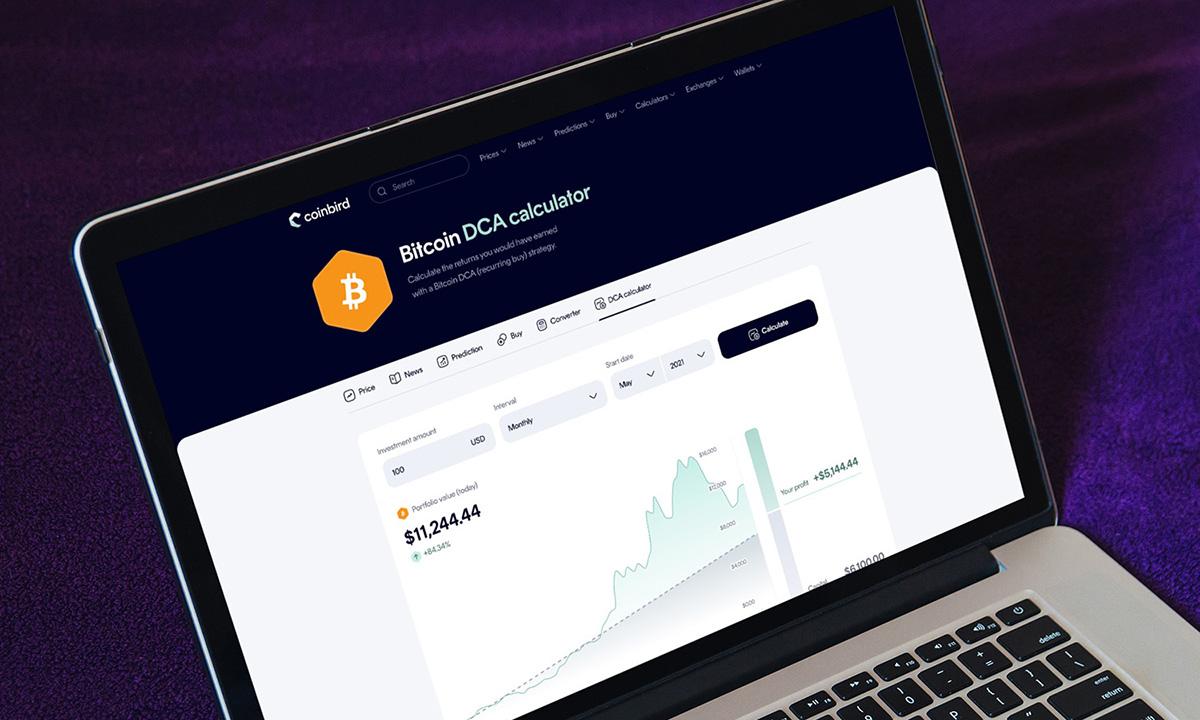
$100/Month in Bitcoin Since 2015 Would Have Turned $13,700 Into $632,000, Coinbird Analysis Shows
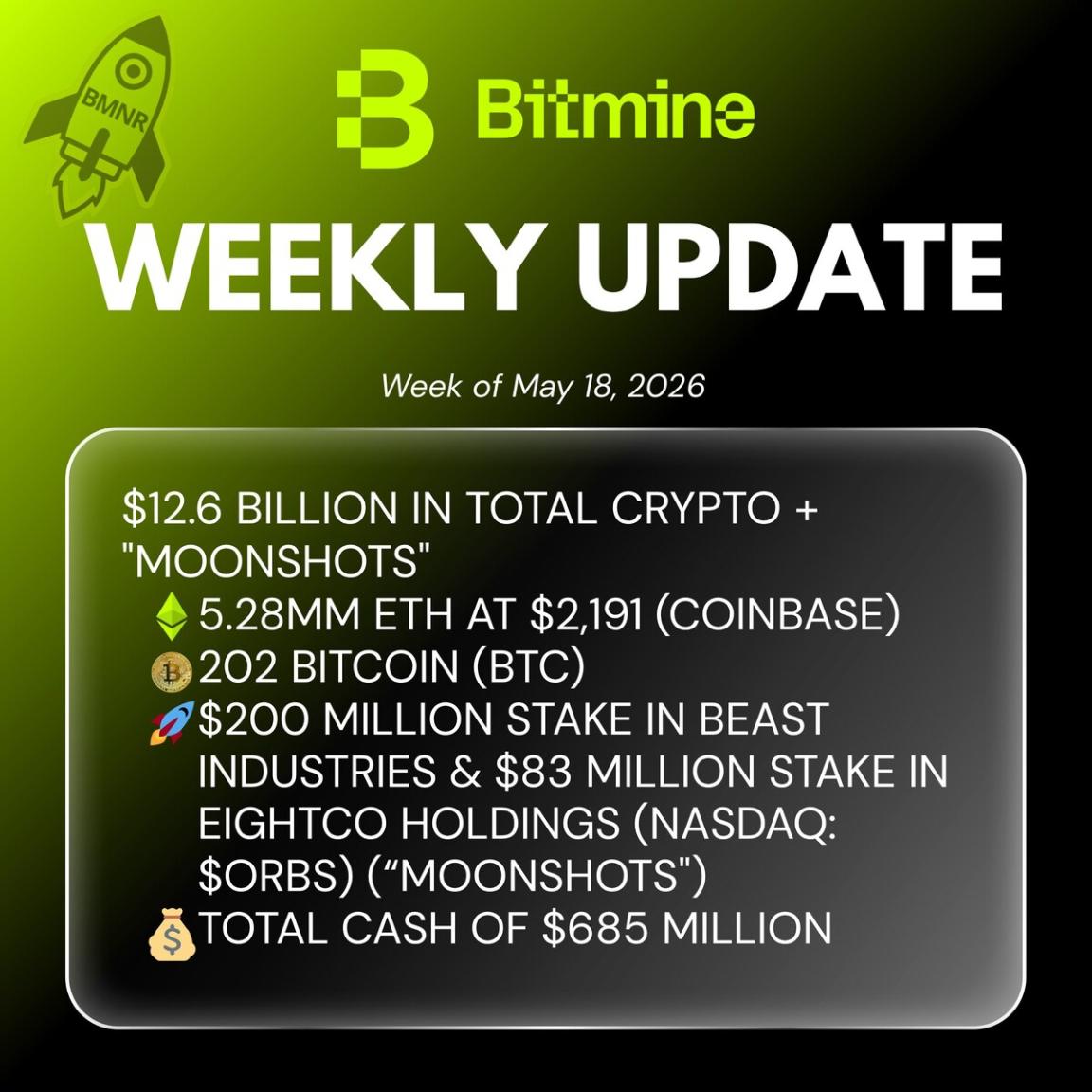
Bitmine Immersion Technologies (BMNR) Announces ETH Holdings Reach 5.28 Million Tokens, and Total Crypto and Total Cash Holdings of $12.6 Billion