Progmat Completes Avalanche Migration With $2.7B in Assets On-Chain
Progmat has completed its migration to Avalanche, bringing more than $2.7 billion in tokenized assets on-chain in what marks one of the largest institutional blockchain migrations to date.

The Japanese digital securities infrastructure provider confirmed the completion of the move, which transfers its tokenized securities platform onto the Avalanche network. The migration represents a significant milestone for both Progmat and the Avalanche ecosystem as institutional players increasingly look to public blockchain infrastructure for asset tokenization. For related coverage, see Weekly Review of New Assets Launched on Huobi HTX (July 6-12): AI and DeFi Lead.
Progmat Brings Billions in Tokenized Securities to Avalanche
Progmat, a platform originally developed within Japan’s banking sector to handle tokenized securities issuance and management, has finalized the transfer of its operations to Avalanche. The migration brings more than $2.7 billion in assets onto the network, spanning tokenized bonds, real estate, and other structured products. For related coverage, see Aurra Markets Strengthens MENA Presence Following Money Expo Abu Dhabi 2026.
The move had been in development through a partnership involving Datachain, a blockchain interoperability firm that provided cross-chain infrastructure support for the migration. Datachain’s involvement helped bridge Progmat’s existing systems with Avalanche’s architecture. For related coverage, see BYDFi Participates in Peru Blockchain Conference 2026, Engaging the LATAM Web3 Community.
Completion of the migration means that assets previously managed on legacy or private infrastructure now settle and are recorded on Avalanche’s public blockchain, giving them the transparency and programmability associated with on-chain assets. For related coverage, see Bolivia Eyes USDT Payments Amid Dollar Shortage.
Why the $2.7 Billion Figure Matters
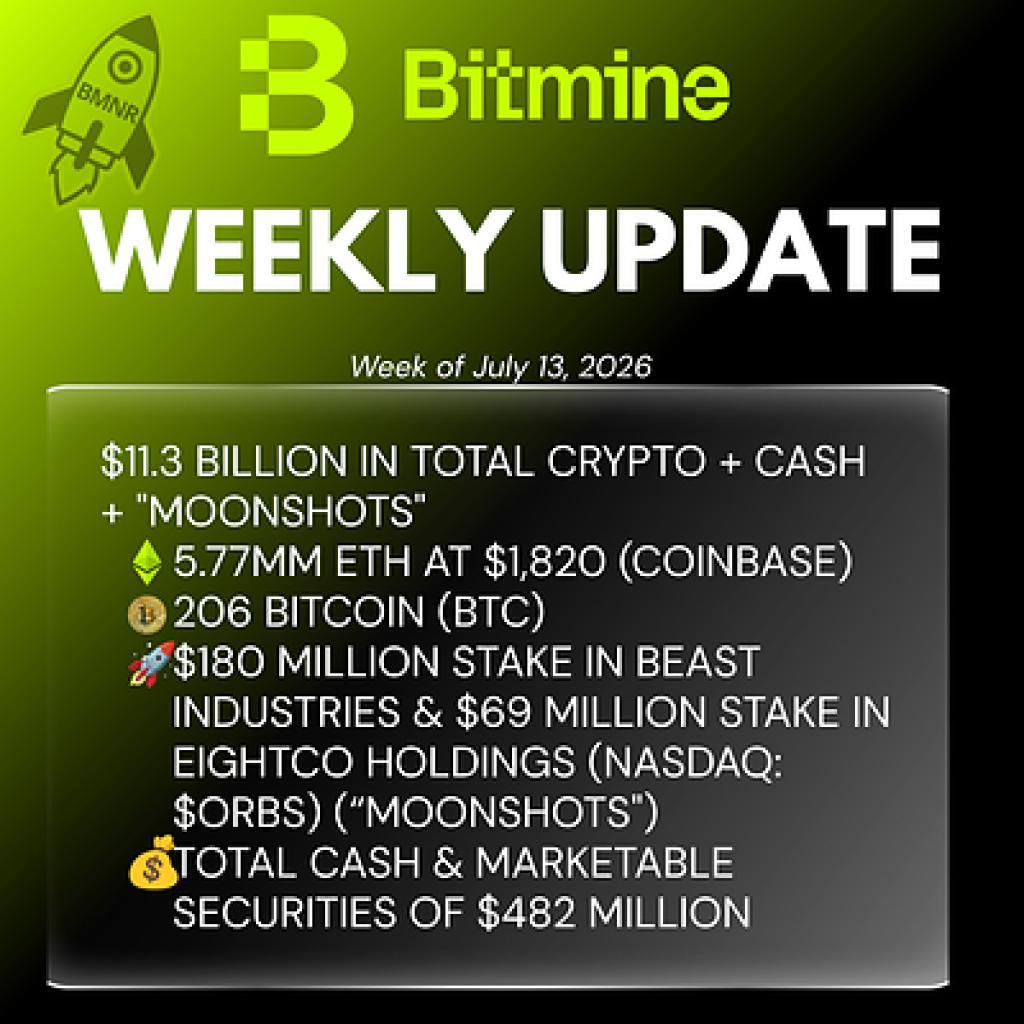
The scale of the migration, exceeding $2.7 billion, places it among the largest single movements of tokenized assets onto a public blockchain. For context, the total tokenized real-world asset market has been a closely watched segment as traditional finance explores blockchain rails. For related coverage, see Bitmine Immersion Technologies (BMNR) Announces ETH Holdings Reach 5.77 Million Tokens, and Total Crypto and Total Cash Holdings of $11.3 Billion.
The asset figure reflects the cumulative value of securities that Progmat manages on behalf of institutional clients, primarily Japanese financial institutions. Moving this volume to a single chain in one completed migration, rather than a phased rollout, signals confidence in Avalanche’s capacity to handle institutional-grade workloads.
It is worth noting that on-chain asset value fluctuates with the underlying securities’ market prices, so the $2.7 billion figure represents the value at the time of migration completion.
Why Avalanche Was Selected
Avalanche’s subnet architecture allows institutions to configure dedicated execution environments with custom rules around compliance, validator sets, and transaction privacy. This makes it particularly suited to regulated securities, where issuers need control over who can access and transact with tokenized assets.
The chain’s throughput and finality characteristics also factor into the decision. Avalanche offers sub-second finality, a requirement for securities settlement where delays introduce counterparty risk. The network’s growing focus on institutional use cases, including partnerships across traditional finance, has positioned it as a destination for tokenized asset infrastructure.
For the broader Avalanche ecosystem, absorbing billions in tokenized securities adds a layer of institutional legitimacy. While much of the blockchain industry’s attention has focused on DeFi and speculative activity, institutional asset migration represents a different kind of adoption, one driven by compliance requirements and operational efficiency rather than yield.
Implications for Tokenized Asset Adoption
Progmat’s completed migration adds to a growing pattern of institutional blockchain adoption that extends well beyond cryptocurrency trading. Financial institutions across multiple regions have been exploring how blockchain infrastructure can reduce settlement times, cut intermediary costs, and improve transparency for traditional asset classes.
Japan has been particularly active in this space, with regulatory frameworks that accommodate digital securities under existing financial law. Progmat’s move suggests that Japanese institutions are moving past pilot stages and into production-grade deployments on public chains.
The migration also raises questions about whether other institutional tokenization platforms will follow a similar path, consolidating onto established public blockchains rather than maintaining private or consortium chains. As institutional crypto holdings continue to grow across the industry, the infrastructure choices made by platforms like Progmat could influence how the next wave of tokenized assets is deployed.
FAQ
What is Progmat?
Progmat is a Japanese digital securities infrastructure platform that enables the issuance, management, and transfer of tokenized financial products. It was developed within Japan’s banking ecosystem and serves institutional clients including major financial institutions.
What does migrating to Avalanche mean?
The migration means Progmat moved its tokenized securities operations from its previous infrastructure onto the Avalanche public blockchain. Assets are now recorded, settled, and managed on-chain using Avalanche’s network, gaining the transparency and programmability of a public blockchain while maintaining compliance controls.
How much in assets is now on-chain?
Progmat reported more than $2.7 billion in tokenized assets on-chain following the completed migration, making it one of the largest institutional deployments on a public blockchain.
Why is this migration notable?
The scale of the move, both in dollar terms and in its implications for institutional blockchain adoption, sets it apart. It demonstrates that regulated financial institutions are willing to commit production-grade asset infrastructure to public blockchains, moving beyond the pilot and proof-of-concept stages that have characterized much of the tokenized securities space.
Disclaimer: This article is for informational purposes only and does not constitute financial or investment advice. Cryptocurrency and digital asset markets carry significant risk. Always do your own research before making decisions.
No tags available.


Other Posts







- China, US Conclude Trade Talks with Focus on Cooperation
- Crypto Weekly: NYSE Backs OKX, Kraken Gets Fed Access, BTC Sells
- Court Upholds Fed’s Rejection of Custodia Bank’s Request
- Former CFO Convicted for $35M Fraudulent Crypto Investment
- DeriW Launches Edge Hour Trading Competition Platform for Derivatives Traders
- Michael Saylor Denies Bitcoin Sell-Off Amid Large BTC Transfer
- Buy Dogecoin on eToro: Step-by-Step Guide for Beginners (2024)
- Kazakhstan Explores Crypto Reserves Backed by National Funds
- JPMorgan Increases Holdings in BlackRock’s Bitcoin ETF
- Nordea Bank Introduces Bitcoin ETP Trading for Nordic Customers
- XRP Spot ETF Launches on Nasdaq Amid Market Fluctuations
- Peter Schiff Challenges Michael Saylor on MSTR’s Business Model
- Thailand Orders Worldcoin to Delete 1.2 Million Biometric Records
- UK Proposes New DeFi Tax Framework to Ease User Burden
- WLFI Under Fire: Analyst Warns Hyperliquid Could Be Next
- Ancient Ethereum Whale Moves $1.19 Billion After Decade
- BlackRock Receives Large Crypto Transfers from Coinbase
- SEC Scrutiny on ALT5 Sigma’s Leadership Disclosure Timing
- Yala Injects $5.5 Million Amid Recovery Efforts
- Radiant Capital Faces $50M Loss in Major Security Breach
- China, US Conclude Trade Talks with Focus on Cooperation
- Crypto Weekly: NYSE Backs OKX, Kraken Gets Fed Access, BTC Sells
- Court Upholds Fed’s Rejection of Custodia Bank’s Request
- Former CFO Convicted for $35M Fraudulent Crypto Investment
- DeriW Launches Edge Hour Trading Competition Platform for Derivatives Traders
- Michael Saylor Denies Bitcoin Sell-Off Amid Large BTC Transfer
- Buy Dogecoin on eToro: Step-by-Step Guide for Beginners (2024)
- Kazakhstan Explores Crypto Reserves Backed by National Funds
- JPMorgan Increases Holdings in BlackRock’s Bitcoin ETF
- Nordea Bank Introduces Bitcoin ETP Trading for Nordic Customers
- XRP Spot ETF Launches on Nasdaq Amid Market Fluctuations
- Peter Schiff Challenges Michael Saylor on MSTR’s Business Model
- Thailand Orders Worldcoin to Delete 1.2 Million Biometric Records
- UK Proposes New DeFi Tax Framework to Ease User Burden
- WLFI Under Fire: Analyst Warns Hyperliquid Could Be Next
- Ancient Ethereum Whale Moves $1.19 Billion After Decade
- BlackRock Receives Large Crypto Transfers from Coinbase
- SEC Scrutiny on ALT5 Sigma’s Leadership Disclosure Timing
- Yala Injects $5.5 Million Amid Recovery Efforts
- Radiant Capital Faces $50M Loss in Major Security Breach
- China, US Conclude Trade Talks with Focus on Cooperation
- Crypto Weekly: NYSE Backs OKX, Kraken Gets Fed Access, BTC Sells
- Court Upholds Fed’s Rejection of Custodia Bank’s Request
- Former CFO Convicted for $35M Fraudulent Crypto Investment
- DeriW Launches Edge Hour Trading Competition Platform for Derivatives Traders
- Michael Saylor Denies Bitcoin Sell-Off Amid Large BTC Transfer
- Buy Dogecoin on eToro: Step-by-Step Guide for Beginners (2024)
- Kazakhstan Explores Crypto Reserves Backed by National Funds
- JPMorgan Increases Holdings in BlackRock’s Bitcoin ETF
- Nordea Bank Introduces Bitcoin ETP Trading for Nordic Customers
- XRP Spot ETF Launches on Nasdaq Amid Market Fluctuations
- Peter Schiff Challenges Michael Saylor on MSTR’s Business Model
- Thailand Orders Worldcoin to Delete 1.2 Million Biometric Records
- UK Proposes New DeFi Tax Framework to Ease User Burden
- WLFI Under Fire: Analyst Warns Hyperliquid Could Be Next
- Ancient Ethereum Whale Moves $1.19 Billion After Decade
- BlackRock Receives Large Crypto Transfers from Coinbase
- SEC Scrutiny on ALT5 Sigma’s Leadership Disclosure Timing
- Yala Injects $5.5 Million Amid Recovery Efforts
- Radiant Capital Faces $50M Loss in Major Security Breach

Progmat Completes Avalanche Migration With $2.7B in Assets On-Chain


Hyperscale Data Adds About 100 BTC, Treasury Surpasses 1,000 BTC
Bitmine Immersion Technologies (BMNR) Announces ETH Holdings Reach 5.77 Million Tokens, and Total Crypto and Total Cash Holdings of $11.3 Billion

Aurra Markets Strengthens MENA Presence Following Money Expo Abu Dhabi 2026