Senate Keeps Clarity Act Alive With Crypto Bill Vote Set for September
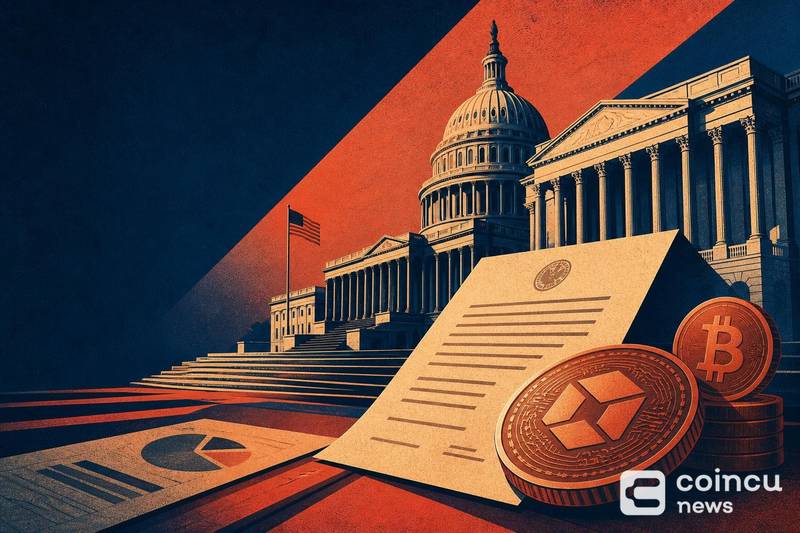
The U.S. Senate has kept the Digital Asset Market Clarity Act in play by leaving a floor vote for the crypto bill on the calendar for September, after lawmakers left Washington for their summer break without acting on the measure.
Why the September vote keeps the Clarity Act alive
In legislative terms, a bill “kept alive” simply means it has not been abandoned or run out of procedural runway. Reporting that the Senate has set a crypto bill vote for September signals the Clarity Act remains an active item rather than one shelved for the year. For related coverage, see Blockchain Regulatory Certainty Act Keeps Non-Custodial Developer Protections in Senate Version.
That timing matters because the Senate did not act before recess. Lawmakers declined to vote on the Clarity Act before their summer break, pushing the next decision point into September rather than killing the effort outright. For related coverage, see The Senate Moves Forward with GENIUS Stablecoin Act.
September therefore becomes the concrete milestone that determines whether the market-structure bill advances. The vote calendar, tracked through the Senate’s daily press schedule, is the mechanism keeping the legislation on the table. For related coverage, see U.S. Senate Advances GENIUS Stablecoin Act for Debate.
What lawmakers are expected to decide
The upcoming vote concerns the Digital Asset Market Clarity Act, the market-structure bill at the center of the current crypto policy debate. Its central objective is to set clearer rules for how digital assets are regulated in the United States.
Industry advocates have pressed the Senate to move it forward. Coin Center published a letter in support of the Digital Asset Market Clarity Act, underscoring that the bill’s market-structure provisions are the main issues under consideration.
The Clarity Act follows earlier Senate crypto efforts. The chamber previously opened a first vote on the crypto Clarity Act before delaying the final push, a sequence that frames the September vote as the next step in an ongoing process.
Why the Senate timeline matters for the crypto industry
For exchanges, token issuers, and investors, the legislative calendar is itself part of the story. A scheduled vote is read as a sign of continued progress toward regulatory clarity, while a missed one, like the pre-recess delay, feeds uncertainty.
Market-structure legislation has repeatedly stalled in the Senate before. Lawmakers earlier blocked a stablecoin regulation vote, a reminder that scheduling a vote does not guarantee it will succeed or even proceed as planned.
That history is why participants watch the September date closely: it is the point at which the Clarity Act either gains momentum or slips again, shaping expectations well beyond Washington politics.
What happens next after the September vote
If the bill advances, it moves further along the Senate process toward a fuller floor consideration, the best-case path for supporters seeking codified crypto market rules. If it stalls, the measure risks another delay of the kind that kept it off the pre-recess agenda.
Related digital-asset measures remain in the mix as well, including provisions such as the Blockchain Regulatory Certainty Act’s developer protections in the Senate version. The key milestone to watch is the September vote itself and whether the Senate keeps it on the calendar.
FAQ: Senate Clarity Act September vote
When is the Senate crypto bill vote expected? The vote is set for September, after the Senate declined to act on the Clarity Act before its summer break.
Does the September vote mean the Clarity Act will pass? No. Scheduling a vote keeps the bill alive but does not guarantee passage; earlier Senate crypto votes have been blocked or delayed.
Why does this vote matter for the crypto industry? It is the next decision point on U.S. digital-asset market-structure rules, which exchanges, issuers, and investors are watching for signs of regulatory clarity.
Disclaimer: This article is for informational purposes only and does not constitute financial or investment advice. Cryptocurrency and digital asset markets carry significant risk. Always do your own research before making decisions.
No tags available.


Other Posts








- China, US Conclude Trade Talks with Focus on Cooperation
- Crypto Weekly: NYSE Backs OKX, Kraken Gets Fed Access, BTC Sells
- Court Upholds Fed’s Rejection of Custodia Bank’s Request
- Former CFO Convicted for $35M Fraudulent Crypto Investment
- DeriW Launches Edge Hour Trading Competition Platform for Derivatives Traders
- Michael Saylor Denies Bitcoin Sell-Off Amid Large BTC Transfer
- Buy Dogecoin on eToro: Step-by-Step Guide for Beginners (2024)
- Kazakhstan Explores Crypto Reserves Backed by National Funds
- JPMorgan Increases Holdings in BlackRock’s Bitcoin ETF
- Nordea Bank Introduces Bitcoin ETP Trading for Nordic Customers
- XRP Spot ETF Launches on Nasdaq Amid Market Fluctuations
- Peter Schiff Challenges Michael Saylor on MSTR’s Business Model
- Thailand Orders Worldcoin to Delete 1.2 Million Biometric Records
- UK Proposes New DeFi Tax Framework to Ease User Burden
- WLFI Under Fire: Analyst Warns Hyperliquid Could Be Next
- Ancient Ethereum Whale Moves $1.19 Billion After Decade
- BlackRock Receives Large Crypto Transfers from Coinbase
- SEC Scrutiny on ALT5 Sigma’s Leadership Disclosure Timing
- Yala Injects $5.5 Million Amid Recovery Efforts
- Radiant Capital Faces $50M Loss in Major Security Breach
- China, US Conclude Trade Talks with Focus on Cooperation
- Crypto Weekly: NYSE Backs OKX, Kraken Gets Fed Access, BTC Sells
- Court Upholds Fed’s Rejection of Custodia Bank’s Request
- Former CFO Convicted for $35M Fraudulent Crypto Investment
- DeriW Launches Edge Hour Trading Competition Platform for Derivatives Traders
- Michael Saylor Denies Bitcoin Sell-Off Amid Large BTC Transfer
- Buy Dogecoin on eToro: Step-by-Step Guide for Beginners (2024)
- Kazakhstan Explores Crypto Reserves Backed by National Funds
- JPMorgan Increases Holdings in BlackRock’s Bitcoin ETF
- Nordea Bank Introduces Bitcoin ETP Trading for Nordic Customers
- XRP Spot ETF Launches on Nasdaq Amid Market Fluctuations
- Peter Schiff Challenges Michael Saylor on MSTR’s Business Model
- Thailand Orders Worldcoin to Delete 1.2 Million Biometric Records
- UK Proposes New DeFi Tax Framework to Ease User Burden
- WLFI Under Fire: Analyst Warns Hyperliquid Could Be Next
- Ancient Ethereum Whale Moves $1.19 Billion After Decade
- BlackRock Receives Large Crypto Transfers from Coinbase
- SEC Scrutiny on ALT5 Sigma’s Leadership Disclosure Timing
- Yala Injects $5.5 Million Amid Recovery Efforts
- Radiant Capital Faces $50M Loss in Major Security Breach
- China, US Conclude Trade Talks with Focus on Cooperation
- Crypto Weekly: NYSE Backs OKX, Kraken Gets Fed Access, BTC Sells
- Court Upholds Fed’s Rejection of Custodia Bank’s Request
- Former CFO Convicted for $35M Fraudulent Crypto Investment
- DeriW Launches Edge Hour Trading Competition Platform for Derivatives Traders
- Michael Saylor Denies Bitcoin Sell-Off Amid Large BTC Transfer
- Buy Dogecoin on eToro: Step-by-Step Guide for Beginners (2024)
- Kazakhstan Explores Crypto Reserves Backed by National Funds
- JPMorgan Increases Holdings in BlackRock’s Bitcoin ETF
- Nordea Bank Introduces Bitcoin ETP Trading for Nordic Customers
- XRP Spot ETF Launches on Nasdaq Amid Market Fluctuations
- Peter Schiff Challenges Michael Saylor on MSTR’s Business Model
- Thailand Orders Worldcoin to Delete 1.2 Million Biometric Records
- UK Proposes New DeFi Tax Framework to Ease User Burden
- WLFI Under Fire: Analyst Warns Hyperliquid Could Be Next
- Ancient Ethereum Whale Moves $1.19 Billion After Decade
- BlackRock Receives Large Crypto Transfers from Coinbase
- SEC Scrutiny on ALT5 Sigma’s Leadership Disclosure Timing
- Yala Injects $5.5 Million Amid Recovery Efforts
- Radiant Capital Faces $50M Loss in Major Security Breach


Brazil Central Bank Orders Exchanges to Delay Large Crypto Transfers Abroad

Bitcoin, Ether ETFs Draw $1.1B in Best Inflow Week Since April Despite Low Volume
Bybit Sues North Korea and Lazarus Group, Secures Preliminary Injunction Freezing Stolen Assets in Landmark Crypto Asset Recovery Effort

Spindex’s Real-Time Data Pipeline Surpasses 150 Million Tracked Gaming Events