Bitcoin spot ETFs recorded a net outflow of $138 million, extending a streak of consecutive daily withdrawals to three trading sessions. The persistent redemptions point to a cooling in institutional appetite for Bitcoin exposure through regulated fund products.
Bitcoin Spot ETFs Extend Outflow Streak With $138 Million Exit
U.S. Bitcoin spot ETFs posted $138 million in net outflows in the most recent trading session. The withdrawal marks the third straight day that more capital has left these funds than entered them.
A single day of negative flow can reflect routine portfolio rebalancing. Three consecutive sessions of net redemptions, however, suggest a more deliberate shift in positioning among the institutional and retail investors who access Bitcoin through ETF wrappers.
The outflow streak arrives at a time when broader digital asset markets have shown mixed signals. Exchange-level activity, including episodes like Binance recording $46.29 million in net USDT outflows in a single hour, suggests that fund flows across the crypto ecosystem remain uneven.
Where the Pressure Likely Concentrated
Bitcoin spot ETF flow dynamics are typically shaped by a small number of large issuers. Funds from BlackRock, Fidelity, and Grayscale have historically accounted for the bulk of daily net creations and redemptions.
When aggregate outflows reach the scale seen in this three-day stretch, the pattern often traces back to heavy redemptions in one or two dominant products rather than broad-based selling across all issuers. A report from Bitcoin.com News noted that BlackRock pulled $112 million from its IBIT fund as part of the recent cooling phase.
The distinction matters for market interpretation. Concentrated outflows from a single fund may reflect that fund’s specific investor base rotating out, while broad-based redemptions across multiple issuers would signal wider institutional caution.
What Three Consecutive Days of Outflows Signal
ETF flow data serves as a proxy for traditional finance participation in Bitcoin. When these funds see sustained inflows, it is generally read as a sign that institutional demand is strengthening. The reverse, a multi-day redemption streak, often weighs on sentiment even when spot price action remains relatively stable.
Traders and analysts track these streaks closely because they can shape short-term expectations around liquidity and momentum. A three-day outflow run does not automatically translate into bearish price action, but it does indicate that the marginal buyer through ETF channels has stepped back.
The current environment also reflects broader shifts in crypto-adjacent financial activity. Traditional finance platforms have faced their own headwinds, with Robinhood reporting a 50% decline in Q1 crypto revenue, reinforcing the picture of reduced trading appetite across multiple access points.
Why Trend Direction Matters More Than a Single Session
Daily ETF creations and redemptions capture demand from a segment of the market that operates through regulated fund structures. Any single day’s print can be noisy, driven by settlement timing, fund-specific corporate actions, or end-of-quarter rebalancing.
Trend direction across multiple sessions carries more weight. The historical record of Bitcoin ETF flows shows that sustained inflow or outflow streaks lasting five or more days have tended to coincide with meaningful shifts in broader Bitcoin market sentiment.
For traders monitoring these products, the current three-day streak puts the next session in focus. A reversal back to net inflows would suggest the pullback was a short-lived pause. A fourth consecutive day of outflows would deepen the narrative that institutional participants are reducing exposure.
Meanwhile, the exchange landscape continues to evolve as platforms expand their digital asset offerings. Coinbase’s plans to list new tokens including WRON and MEGA suggest that even during periods of ETF outflows, the infrastructure for crypto access keeps broadening.
FAQ
What does a net outflow from Bitcoin spot ETFs mean?
A net outflow means that investors redeemed more shares of Bitcoin spot ETFs than they purchased during a given trading day. The fund must sell Bitcoin holdings to meet those redemptions, which reduces the total assets under management.
Are three days of outflows automatically bearish for Bitcoin?
Not necessarily. ETF flows represent one channel of demand among many. While sustained outflows can weigh on sentiment, Bitcoin’s spot price is also influenced by direct exchange trading, derivatives activity, and macro factors. A short streak may reflect temporary repositioning rather than a structural shift.
How do Bitcoin ETF flows differ from direct Bitcoin buying?
Bitcoin spot ETFs are regulated fund products traded on traditional stock exchanges. Investors gain exposure to Bitcoin’s price without holding the asset directly. ETF flows therefore capture demand from a specific subset of market participants, many of whom are institutional investors or retail traders who prefer brokerage accounts over crypto exchanges.
Disclaimer: This article is for informational purposes only and does not constitute financial or investment advice. Cryptocurrency and digital asset markets carry significant risk. Always do your own research before making decisions.
No tags available.


Other Posts








- Amplify 2024: Ohio’s Premier Blockchain Summit
- Polymarket Announces U.S. Beta Relaunch Amid Market Buzz
- China, US Conclude Trade Talks with Focus on Cooperation
- Crypto Weekly: NYSE Backs OKX, Kraken Gets Fed Access, BTC Sells
- CELO holds as Celo reviews Opera 160M token claim
- DeriW Launches Edge Hour Trading Competition Platform for Derivatives Traders
- Michael Saylor Denies Bitcoin Sell-Off Amid Large BTC Transfer
- Court Upholds Fed’s Rejection of Custodia Bank’s Request
- EU Opens Antitrust Probe Into Deutsche Boerse and Nasdaq Derivatives Dealings
- Kazakhstan Explores Crypto Reserves Backed by National Funds
- JPMorgan Increases Holdings in BlackRock’s Bitcoin ETF
- Nordea Bank Introduces Bitcoin ETP Trading for Nordic Customers
- XRP Spot ETF Launches on Nasdaq Amid Market Fluctuations
- JPMorgan Chase Launches 24/7 Digital Deposit Token for Clients
- Crypto Leaders Address Macro Volatility Amid Market Shifts
- Former CFO Convicted for $35M Fraudulent Crypto Investment
- Peter Schiff Challenges Michael Saylor on MSTR’s Business Model
- Thailand Orders Worldcoin to Delete 1.2 Million Biometric Records
- UK Proposes New DeFi Tax Framework to Ease User Burden
- U.S. Treasury Proposes New Tax Relief Regulations
- Amplify 2024: Ohio’s Premier Blockchain Summit
- Polymarket Announces U.S. Beta Relaunch Amid Market Buzz
- China, US Conclude Trade Talks with Focus on Cooperation
- Crypto Weekly: NYSE Backs OKX, Kraken Gets Fed Access, BTC Sells
- CELO holds as Celo reviews Opera 160M token claim
- DeriW Launches Edge Hour Trading Competition Platform for Derivatives Traders
- Michael Saylor Denies Bitcoin Sell-Off Amid Large BTC Transfer
- Court Upholds Fed’s Rejection of Custodia Bank’s Request
- EU Opens Antitrust Probe Into Deutsche Boerse and Nasdaq Derivatives Dealings
- Kazakhstan Explores Crypto Reserves Backed by National Funds
- JPMorgan Increases Holdings in BlackRock’s Bitcoin ETF
- Nordea Bank Introduces Bitcoin ETP Trading for Nordic Customers
- XRP Spot ETF Launches on Nasdaq Amid Market Fluctuations
- JPMorgan Chase Launches 24/7 Digital Deposit Token for Clients
- Crypto Leaders Address Macro Volatility Amid Market Shifts
- Former CFO Convicted for $35M Fraudulent Crypto Investment
- Peter Schiff Challenges Michael Saylor on MSTR’s Business Model
- Thailand Orders Worldcoin to Delete 1.2 Million Biometric Records
- UK Proposes New DeFi Tax Framework to Ease User Burden
- U.S. Treasury Proposes New Tax Relief Regulations
- Amplify 2024: Ohio’s Premier Blockchain Summit
- Polymarket Announces U.S. Beta Relaunch Amid Market Buzz
- China, US Conclude Trade Talks with Focus on Cooperation
- Crypto Weekly: NYSE Backs OKX, Kraken Gets Fed Access, BTC Sells
- CELO holds as Celo reviews Opera 160M token claim
- DeriW Launches Edge Hour Trading Competition Platform for Derivatives Traders
- Michael Saylor Denies Bitcoin Sell-Off Amid Large BTC Transfer
- Court Upholds Fed’s Rejection of Custodia Bank’s Request
- EU Opens Antitrust Probe Into Deutsche Boerse and Nasdaq Derivatives Dealings
- Kazakhstan Explores Crypto Reserves Backed by National Funds
- JPMorgan Increases Holdings in BlackRock’s Bitcoin ETF
- Nordea Bank Introduces Bitcoin ETP Trading for Nordic Customers
- XRP Spot ETF Launches on Nasdaq Amid Market Fluctuations
- JPMorgan Chase Launches 24/7 Digital Deposit Token for Clients
- Crypto Leaders Address Macro Volatility Amid Market Shifts
- Former CFO Convicted for $35M Fraudulent Crypto Investment
- Peter Schiff Challenges Michael Saylor on MSTR’s Business Model
- Thailand Orders Worldcoin to Delete 1.2 Million Biometric Records
- UK Proposes New DeFi Tax Framework to Ease User Burden
- U.S. Treasury Proposes New Tax Relief Regulations
Latest

Bitget PoolX Launches UP Campaign With 1.25M Tokens for ETH Lockups


BitGo Holdings’ Bitcoin Holdings Rise by 776 BTC in Q1 to 2,449 BTC
Press Release

FinancialMarkets.media granted the Official Google Partner certification
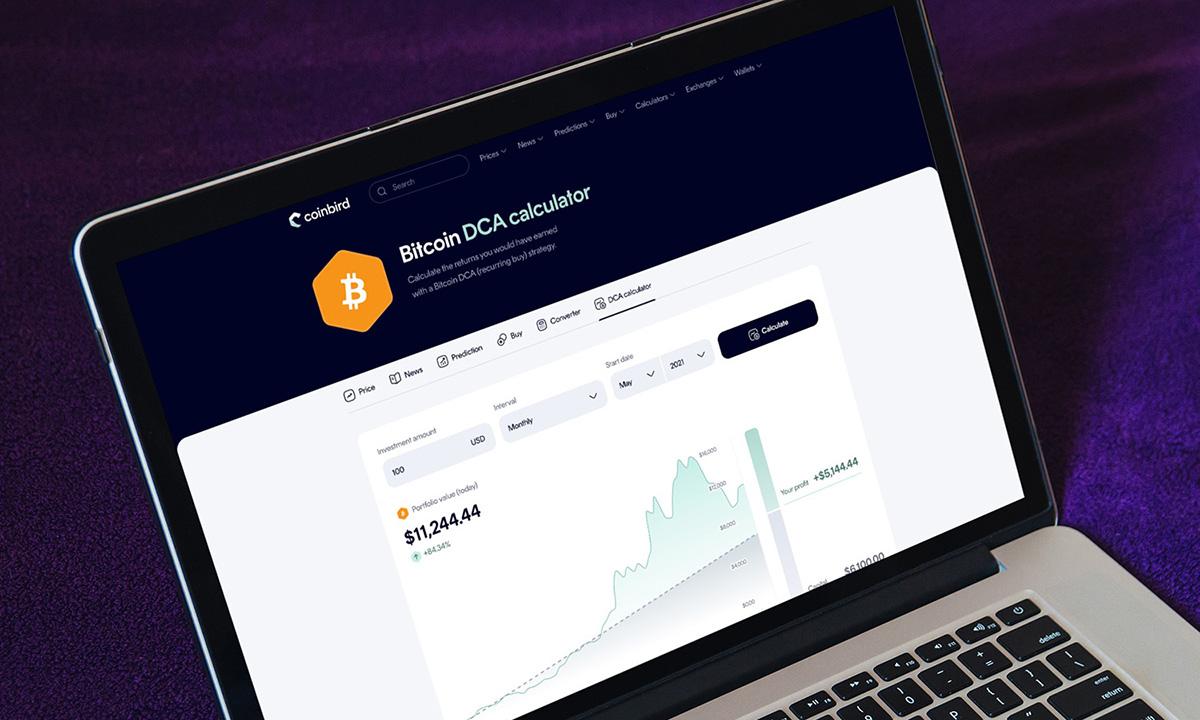
$100/Month in Bitcoin Since 2015 Would Have Turned $13,700 Into $632,000, Coinbird Analysis Shows