SOL slipped below $65 in recent trading while still holding a 4.52% gain over the rolling 24-hour window, creating an apparent contradiction that reflects how crypto price snapshots work rather than any inconsistency in the data.
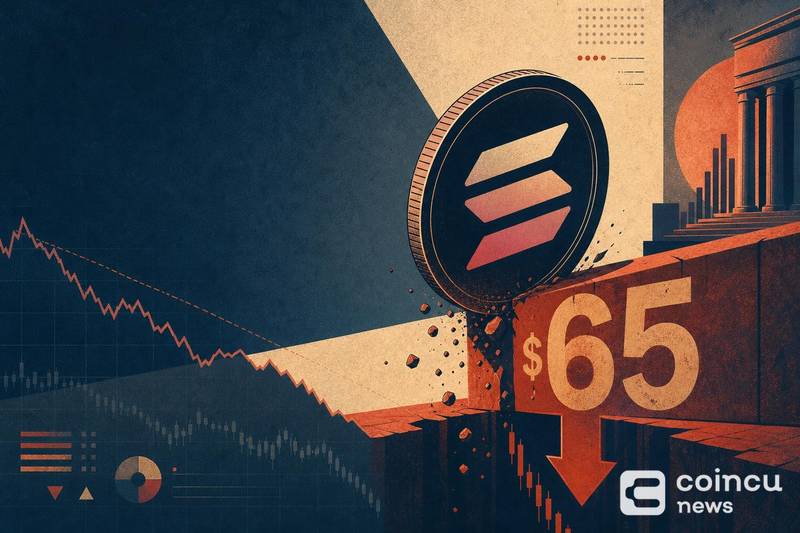
SOL Breaks Below $65 Despite Positive Daily Performance
The sub-$65 move marks a notable psychological threshold for Solana traders watching short-term support levels. According to CoinGecko’s Solana market page, the token’s price action placed it below this round number even as the broader daily return remained positive.
The 4.52% gain referenced in the 24-hour metric reflects a comparison against where SOL traded exactly 24 hours prior, not against the session high. This means the token rallied from a lower base before pulling back through $65.
How a Rolling 24-Hour Window Creates This Pattern
Crypto markets report performance on a continuous rolling basis rather than fixed trading sessions. A token can show a positive 24-hour change while trading below a key level if it started the window at an even lower price.
For example, if SOL traded near $62 twenty-four hours ago, rallied above $66, then pulled back below $65, the 24-hour return remains positive despite the intraday decline from the local high. This is standard market mechanics, not conflicting data.
Traders familiar with how funding rates shift during volatile sessions will recognize that intraday reversals frequently create this type of headline divergence between spot levels and percentage returns.
Key Metrics That Would Confirm the Move’s Significance
For a drop below a round number like $65 to carry weight beyond short-term noise, traders typically look for confirmation from volume and market capitalization shifts. The CoinGecko price API for Solana tracks these metrics in real time.
A meaningful break below support usually coincides with elevated 24-hour trading volume. If volume remained flat or declined during the move below $65, the breach is more likely routine volatility than a directional signal.
Market capitalization changes proportionally with price, but large shifts in circulating supply from staking unlocks or protocol emissions can amplify or dampen the effect. Solana’s staking mechanism means supply dynamics matter more than for tokens with fixed circulation.
What Volume Tells Traders
Rising volume on a move below support suggests sellers are actively pushing the price lower with conviction. Low volume suggests the level was breached on thin liquidity and may not hold as new resistance.
This distinction matters for traders deciding whether the sub-$65 print represents a breakdown or a brief wick. In the context of broader crypto market conditions, where exchanges like Bybit continue expanding product offerings, isolated token-level moves can sometimes reflect platform-specific liquidity rather than broad sentiment shifts.
Solana Ecosystem Context
Solana’s price movements often correlate with network activity metrics such as total value locked across DeFi protocols. DeFiLlama’s Solana chain tracker provides real-time TVL data that can contextualize whether price drops coincide with capital outflows from the ecosystem.
Without confirmed TVL figures at the time of this move, it remains unclear whether the dip below $65 reflects broader Solana ecosystem weakness or is isolated to spot market dynamics. Regulatory developments across crypto markets, including initiatives like Vietnam’s planned crypto trading pilot, continue to shape sentiment for layer-1 tokens including SOL.
FAQ: SOL Price Drop and 24-Hour Performance
Why can SOL be below $65 and still show a 4.52% gain?
The 24-hour percentage change compares the current price to where SOL traded exactly 24 hours earlier. If the token started that window below $62.50, even a current price just under $65 represents a gain of approximately 4.52%. The percentage and the absolute level measure different things.
Which data points matter most when evaluating this move?
Traders should focus on 24-hour trading volume relative to the 7-day average, whether $65 now acts as resistance on subsequent tests, and whether the move correlates with broader market weakness or is SOL-specific. On-chain metrics like active addresses and DEX volume on Solana provide additional context beyond spot price alone.
Does falling below $65 mean SOL is in a downtrend?
A single move below a round number does not establish a trend. Trend determination requires multiple timeframes and confirmation from volume and market structure. The positive 24-hour return suggests the broader short-term direction was upward before this pullback occurred.
Disclaimer: This article is for informational purposes only and does not constitute financial or investment advice. Cryptocurrency and digital asset markets carry significant risk. Always do your own research before making decisions.
No tags available.


Other Posts








- China, US Conclude Trade Talks with Focus on Cooperation
- Crypto Weekly: NYSE Backs OKX, Kraken Gets Fed Access, BTC Sells
- Court Upholds Fed’s Rejection of Custodia Bank’s Request
- Former CFO Convicted for $35M Fraudulent Crypto Investment
- DeriW Launches Edge Hour Trading Competition Platform for Derivatives Traders
- Michael Saylor Denies Bitcoin Sell-Off Amid Large BTC Transfer
- Buy Dogecoin on eToro: Step-by-Step Guide for Beginners (2024)
- Kazakhstan Explores Crypto Reserves Backed by National Funds
- JPMorgan Increases Holdings in BlackRock’s Bitcoin ETF
- Nordea Bank Introduces Bitcoin ETP Trading for Nordic Customers
- XRP Spot ETF Launches on Nasdaq Amid Market Fluctuations
- Peter Schiff Challenges Michael Saylor on MSTR’s Business Model
- Thailand Orders Worldcoin to Delete 1.2 Million Biometric Records
- UK Proposes New DeFi Tax Framework to Ease User Burden
- WLFI Under Fire: Analyst Warns Hyperliquid Could Be Next
- Ancient Ethereum Whale Moves $1.19 Billion After Decade
- BlackRock Receives Large Crypto Transfers from Coinbase
- SEC Scrutiny on ALT5 Sigma’s Leadership Disclosure Timing
- Yala Injects $5.5 Million Amid Recovery Efforts
- Radiant Capital Faces $50M Loss in Major Security Breach
- China, US Conclude Trade Talks with Focus on Cooperation
- Crypto Weekly: NYSE Backs OKX, Kraken Gets Fed Access, BTC Sells
- Court Upholds Fed’s Rejection of Custodia Bank’s Request
- Former CFO Convicted for $35M Fraudulent Crypto Investment
- DeriW Launches Edge Hour Trading Competition Platform for Derivatives Traders
- Michael Saylor Denies Bitcoin Sell-Off Amid Large BTC Transfer
- Buy Dogecoin on eToro: Step-by-Step Guide for Beginners (2024)
- Kazakhstan Explores Crypto Reserves Backed by National Funds
- JPMorgan Increases Holdings in BlackRock’s Bitcoin ETF
- Nordea Bank Introduces Bitcoin ETP Trading for Nordic Customers
- XRP Spot ETF Launches on Nasdaq Amid Market Fluctuations
- Peter Schiff Challenges Michael Saylor on MSTR’s Business Model
- Thailand Orders Worldcoin to Delete 1.2 Million Biometric Records
- UK Proposes New DeFi Tax Framework to Ease User Burden
- WLFI Under Fire: Analyst Warns Hyperliquid Could Be Next
- Ancient Ethereum Whale Moves $1.19 Billion After Decade
- BlackRock Receives Large Crypto Transfers from Coinbase
- SEC Scrutiny on ALT5 Sigma’s Leadership Disclosure Timing
- Yala Injects $5.5 Million Amid Recovery Efforts
- Radiant Capital Faces $50M Loss in Major Security Breach
- China, US Conclude Trade Talks with Focus on Cooperation
- Crypto Weekly: NYSE Backs OKX, Kraken Gets Fed Access, BTC Sells
- Court Upholds Fed’s Rejection of Custodia Bank’s Request
- Former CFO Convicted for $35M Fraudulent Crypto Investment
- DeriW Launches Edge Hour Trading Competition Platform for Derivatives Traders
- Michael Saylor Denies Bitcoin Sell-Off Amid Large BTC Transfer
- Buy Dogecoin on eToro: Step-by-Step Guide for Beginners (2024)
- Kazakhstan Explores Crypto Reserves Backed by National Funds
- JPMorgan Increases Holdings in BlackRock’s Bitcoin ETF
- Nordea Bank Introduces Bitcoin ETP Trading for Nordic Customers
- XRP Spot ETF Launches on Nasdaq Amid Market Fluctuations
- Peter Schiff Challenges Michael Saylor on MSTR’s Business Model
- Thailand Orders Worldcoin to Delete 1.2 Million Biometric Records
- UK Proposes New DeFi Tax Framework to Ease User Burden
- WLFI Under Fire: Analyst Warns Hyperliquid Could Be Next
- Ancient Ethereum Whale Moves $1.19 Billion After Decade
- BlackRock Receives Large Crypto Transfers from Coinbase
- SEC Scrutiny on ALT5 Sigma’s Leadership Disclosure Timing
- Yala Injects $5.5 Million Amid Recovery Efforts
- Radiant Capital Faces $50M Loss in Major Security Breach




Pump.fun Let Staff Go Just Before Their Tokens Were Due to Pay Out