Status: No verified confirmation for Strait of Hormuz yuan rule
Iran is reportedly considering allowing some oil tankers to transit the Strait of Hormuz if the cargo is settled in Chinese yuan. There is no verified confirmation of this condition from authoritative sources.
Available mentions largely echo unverified discussions and hypotheticals rather than on-the-record policy statements. Some posts on Reddit have circulated uncorroborated attributions to television networks, without matching wire-service reports.
Why Chinese yuan payments claim matters for Iran-China oil trade
The claim matters because Iran–China oil flows already operate under U.S. sanctions constraints. according to CNBC, yuan-denominated settlements have been used in parts of this trade to avoid dollar-based channels.
Analysts note structural limits to rapid currency shifts. “Analysts warn that proposals to reduce dependence on the u.S. dollar are aspirational and face many structural obstacles,” said Iran International.
Immediate impact on Iran yuan oil shipments and verification steps
With no verified directive, immediate effects on iran yuan oil shipments appear limited to monitoring and compliance reviews. Existing shipment practices are unlikely to change until an on-record decision emerges.
Verification would require public statements from Iranian authorities or publication by major wire services, and corroborating notices affecting shippers. Evidence from the People’s Bank of China (PBOC) or updated guidance from the U.S. Treasury’s Office of Foreign Assets Control (OFAC) would also be relevant.
How yuan settlements intersect with sanctions and transit rights
Yuan-settled oil sales implicate financial compliance, while transit through Hormuz concerns maritime security and international navigation. Treating them as interchangeable risks misunderstanding both policy domains.
Distinguish oil sale currency from navigation and transit rights
A currency choice is a contract and payments issue between counterparties and banks. Passage through the strait concerns navigation assurances and enforcement at sea, not the invoicing currency itself.
Roles of IRGC, PBOC, and OFAC in policy and compliance
Any operational enforcement in the strait would involve the Islamic Revolutionary Guard Corps (IRGC) in practice. Financial settlement mechanics would fall within the remit of the PBOC for cross-border yuan liquidity.
For non-Iranian actors, OFAC regulations determine U.S. sanctions exposure tied to Iran-related transactions. The Guardian has reported China’s diplomatic emphasis on safeguarding navigation, underscoring Beijing’s interest in stability over disruption.
FAQ about Strait of Hormuz
Which credible sources confirm or refute the yuan-for-passage claim?
No. There is no verified, on-the-record confirmation from Iranian authorities or major international wires. Absent such publication, the claim remains unsubstantiated.
How common are yuan-denominated transactions in the Iran-China oil trade under U.S. sanctions?
Yuan-based settlements exist within the Iran–China oil trade under sanctions pressure, but their prevalence and mechanisms are opaque and vary by counterparty, routing, and banking access.
| DISCLAIMER: The information on this website is provided as general market commentary and does not constitute investment advice. We encourage you to do your own research before investing. |


Other Posts







- Amplify 2024: Ohio’s Premier Blockchain Summit
- Polymarket Announces U.S. Beta Relaunch Amid Market Buzz
- China, US Conclude Trade Talks with Focus on Cooperation
- Crypto Weekly: NYSE Backs OKX, Kraken Gets Fed Access, BTC Sells
- CELO holds as Celo reviews Opera 160M token claim
- DeriW Launches Edge Hour Trading Competition Platform for Derivatives Traders
- Michael Saylor Denies Bitcoin Sell-Off Amid Large BTC Transfer
- Court Upholds Fed’s Rejection of Custodia Bank’s Request
- EU Opens Antitrust Probe Into Deutsche Boerse and Nasdaq Derivatives Dealings
- Kazakhstan Explores Crypto Reserves Backed by National Funds
- JPMorgan Increases Holdings in BlackRock’s Bitcoin ETF
- Nordea Bank Introduces Bitcoin ETP Trading for Nordic Customers
- XRP Spot ETF Launches on Nasdaq Amid Market Fluctuations
- JPMorgan Chase Launches 24/7 Digital Deposit Token for Clients
- Crypto Leaders Address Macro Volatility Amid Market Shifts
- Former CFO Convicted for $35M Fraudulent Crypto Investment
- Peter Schiff Challenges Michael Saylor on MSTR’s Business Model
- Thailand Orders Worldcoin to Delete 1.2 Million Biometric Records
- UK Proposes New DeFi Tax Framework to Ease User Burden
- U.S. Treasury Proposes New Tax Relief Regulations
- Amplify 2024: Ohio’s Premier Blockchain Summit
- Polymarket Announces U.S. Beta Relaunch Amid Market Buzz
- China, US Conclude Trade Talks with Focus on Cooperation
- Crypto Weekly: NYSE Backs OKX, Kraken Gets Fed Access, BTC Sells
- CELO holds as Celo reviews Opera 160M token claim
- DeriW Launches Edge Hour Trading Competition Platform for Derivatives Traders
- Michael Saylor Denies Bitcoin Sell-Off Amid Large BTC Transfer
- Court Upholds Fed’s Rejection of Custodia Bank’s Request
- EU Opens Antitrust Probe Into Deutsche Boerse and Nasdaq Derivatives Dealings
- Kazakhstan Explores Crypto Reserves Backed by National Funds
- JPMorgan Increases Holdings in BlackRock’s Bitcoin ETF
- Nordea Bank Introduces Bitcoin ETP Trading for Nordic Customers
- XRP Spot ETF Launches on Nasdaq Amid Market Fluctuations
- JPMorgan Chase Launches 24/7 Digital Deposit Token for Clients
- Crypto Leaders Address Macro Volatility Amid Market Shifts
- Former CFO Convicted for $35M Fraudulent Crypto Investment
- Peter Schiff Challenges Michael Saylor on MSTR’s Business Model
- Thailand Orders Worldcoin to Delete 1.2 Million Biometric Records
- UK Proposes New DeFi Tax Framework to Ease User Burden
- U.S. Treasury Proposes New Tax Relief Regulations
- Amplify 2024: Ohio’s Premier Blockchain Summit
- Polymarket Announces U.S. Beta Relaunch Amid Market Buzz
- China, US Conclude Trade Talks with Focus on Cooperation
- Crypto Weekly: NYSE Backs OKX, Kraken Gets Fed Access, BTC Sells
- CELO holds as Celo reviews Opera 160M token claim
- DeriW Launches Edge Hour Trading Competition Platform for Derivatives Traders
- Michael Saylor Denies Bitcoin Sell-Off Amid Large BTC Transfer
- Court Upholds Fed’s Rejection of Custodia Bank’s Request
- EU Opens Antitrust Probe Into Deutsche Boerse and Nasdaq Derivatives Dealings
- Kazakhstan Explores Crypto Reserves Backed by National Funds
- JPMorgan Increases Holdings in BlackRock’s Bitcoin ETF
- Nordea Bank Introduces Bitcoin ETP Trading for Nordic Customers
- XRP Spot ETF Launches on Nasdaq Amid Market Fluctuations
- JPMorgan Chase Launches 24/7 Digital Deposit Token for Clients
- Crypto Leaders Address Macro Volatility Amid Market Shifts
- Former CFO Convicted for $35M Fraudulent Crypto Investment
- Peter Schiff Challenges Michael Saylor on MSTR’s Business Model
- Thailand Orders Worldcoin to Delete 1.2 Million Biometric Records
- UK Proposes New DeFi Tax Framework to Ease User Burden
- U.S. Treasury Proposes New Tax Relief Regulations
Latest


Press Release
VerifyVASP acquires Sygna, consolidating the global Travel Rule network
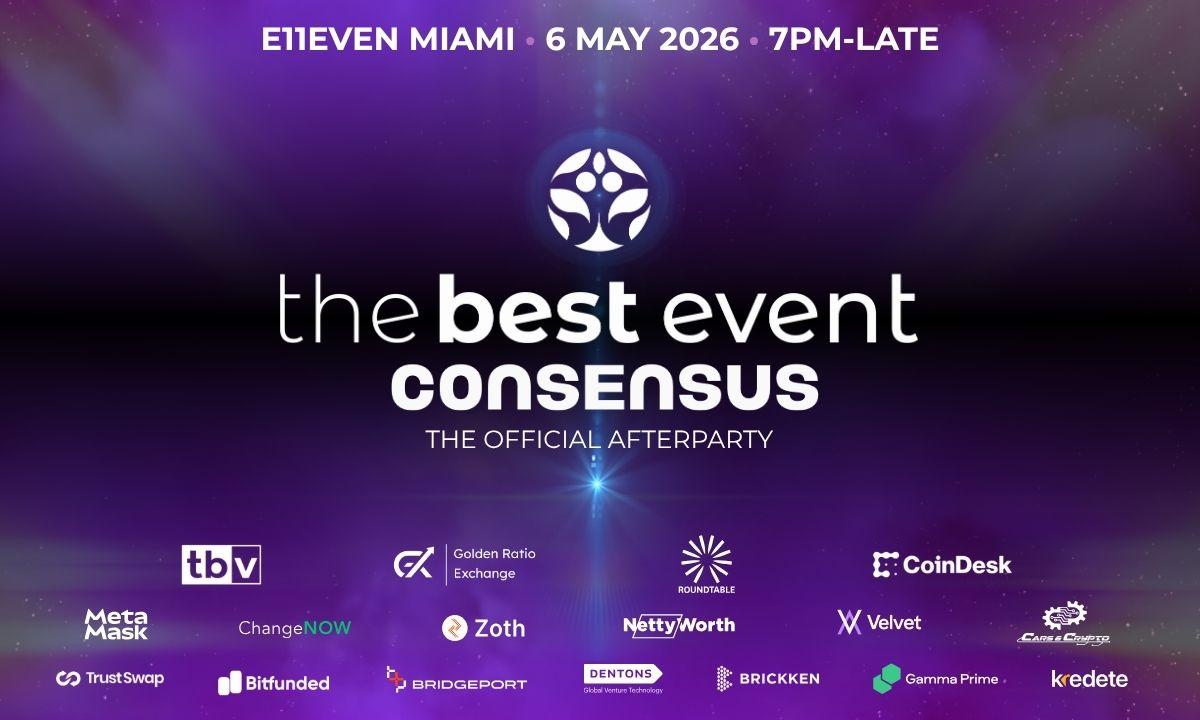
The Best Event hosts Consensus Miami 2026 Afterparty, Transforming Deal Flow Into an Unforgettable Night