BTC 8-Hour Average Funding Rate Falls to -0.0058%: What It Signals
Bitcoin’s 8-hour average funding rate across the network has dropped to -0.0058%, indicating that short sellers currently hold a slight edge in perpetual futures positioning across major exchanges.
The figure, tracked via Coinglass aggregated funding rate data, reflects a network-wide average rather than a single-exchange snapshot. At -0.0058%, the reading is modestly negative, meaning short-position holders are receiving periodic payments from long-position holders across 8-hour settlement intervals.
What BTC’s Negative 8-Hour Funding Rate Means
Funding rates are recurring payments exchanged between traders holding long and short positions in perpetual futures contracts. Unlike traditional futures with expiration dates, perpetual contracts use funding rates to keep the contract price anchored to the spot price.
When the funding rate turns negative, it signals that short-side demand is outpacing long-side demand. Traders holding short positions effectively get paid by those holding longs, creating a small but consistent cost for maintaining bullish bets.
How Negative Funding Changes Payments Between Longs and Shorts
At the current -0.0058% rate, a trader holding a $100,000 long position would pay roughly $5.80 every 8 hours to the short side. While this cost appears small in isolation, it compounds across three daily settlement periods and can erode margins for leveraged positions held over multiple days.
The rate is an 8-hour average, not a spot price movement. It reflects the cumulative positioning bias across settlement windows rather than any single moment of trading activity.
Why a Network-Wide Average Carries More Weight Than a Single-Exchange Reading
The headline specifies that the -0.0058% rate is measured across the network, meaning it aggregates data from multiple exchanges rather than reflecting conditions on any single venue. This distinction matters because individual exchanges can produce outlier readings driven by localized liquidity conditions or isolated large orders.
A cross-venue average smooths out these distortions. When multiple exchanges align on a negative funding rate, the signal becomes more credible as a gauge of broader market sentiment rather than an artifact of one platform’s order book.
Why Traders Track Aggregated Derivatives Data
Professional traders and analysts prefer aggregated metrics because they reduce noise. A negative funding rate on a single low-volume exchange might reflect a single whale’s position, while the same reading across Binance, Bybit, OKX, and other major venues suggests a genuine shift in collective positioning.
Coinglass compiles these cross-exchange derivatives metrics into a single dashboard, making it one of the standard reference points for funding rate analysis.
What Negative BTC Funding Suggests About Current Positioning
A sub-zero funding rate typically appears when short positioning is relatively dominant across perpetual futures markets. This can reflect outright bearish conviction, but it can also indicate hedging activity, where spot holders open short perpetual positions to protect downside exposure.
The -0.0058% reading is mild rather than extreme. Deeply negative funding rates, often seen below -0.05% or lower, tend to signal aggressive short crowding. The current level suggests a cautious bearish tilt rather than panic-driven shorting.
Sentiment Signal vs. Confirmed Trend
A negative funding rate is a positioning clue, not a directional guarantee. While it indicates the market’s short-term lean, it does not confirm that prices will fall. In fact, crowded short positioning can increase the probability of a short squeeze if buying pressure materializes unexpectedly.
Traders who have followed Peter Brandt’s recent observation that Bitcoin still lacks a clear bottom signal may see the negative funding rate as one more data point in a mixed picture. The funding metric adds derivatives context to Brandt’s price-structure analysis.
Similarly, broader market structure developments, such as new infrastructure launches across chains like BNB, can shift capital flows and indirectly affect futures positioning over time.
How to Use This Signal Alongside Other Market Data
Funding rate data is most useful when combined with other indicators. Open interest, which measures the total value of outstanding futures contracts, provides context on whether the negative funding reflects growing short positions or simply declining long interest.
Spot price action adds another layer. A negative funding rate during a price decline reinforces the bearish signal, while negative funding during sideways or rising prices can suggest that shorts are fighting the trend, a condition that historically precedes squeezes.
What to Watch After a Negative Funding Print
Traders monitoring BTC after a negative funding reading typically watch for three developments: a further decline in funding rates that would signal accelerating bearish conviction, a spike in open interest that would indicate new short positions entering, or a price reversal that could trigger forced short-covering.
None of these outcomes is predetermined. The -0.0058% reading is a single input in a complex derivatives landscape. Broader on-chain dynamics, including exchange flows and staking patterns across protocols, can also shift the balance between bulls and bears.
BTC Funding Rate FAQ
Is a negative BTC funding rate bullish or bearish?
A negative funding rate reflects bearish positioning in perpetual futures, meaning more traders are betting on or hedging against a price decline. However, extreme negative readings have historically preceded short squeezes, so context matters more than the direction alone.
Who pays whom when BTC funding is negative?
When the funding rate is negative, traders holding long positions pay traders holding short positions. At -0.0058% per 8-hour interval, this amounts to a small periodic transfer that incentivizes more traders to take long positions and fewer to hold shorts, gradually rebalancing the market.
Can the funding rate alone predict Bitcoin’s price direction?
No. The funding rate reflects current positioning bias but does not account for spot market demand, macroeconomic catalysts, or sudden news events. It is one data point among many and is most useful when combined with open interest, volume, and price trend analysis.
Disclaimer: This article is for informational purposes only and does not constitute financial or investment advice. Cryptocurrency and digital asset markets carry significant risk. Always do your own research before making decisions.
No tags available.


Other Posts








- Amplify 2024: Ohio’s Premier Blockchain Summit
- Polymarket Announces U.S. Beta Relaunch Amid Market Buzz
- China, US Conclude Trade Talks with Focus on Cooperation
- Crypto Weekly: NYSE Backs OKX, Kraken Gets Fed Access, BTC Sells
- CELO holds as Celo reviews Opera 160M token claim
- DeriW Launches Edge Hour Trading Competition Platform for Derivatives Traders
- Michael Saylor Denies Bitcoin Sell-Off Amid Large BTC Transfer
- Court Upholds Fed’s Rejection of Custodia Bank’s Request
- EU Opens Antitrust Probe Into Deutsche Boerse and Nasdaq Derivatives Dealings
- Kazakhstan Explores Crypto Reserves Backed by National Funds
- JPMorgan Increases Holdings in BlackRock’s Bitcoin ETF
- Nordea Bank Introduces Bitcoin ETP Trading for Nordic Customers
- XRP Spot ETF Launches on Nasdaq Amid Market Fluctuations
- JPMorgan Chase Launches 24/7 Digital Deposit Token for Clients
- Crypto Leaders Address Macro Volatility Amid Market Shifts
- Former CFO Convicted for $35M Fraudulent Crypto Investment
- Peter Schiff Challenges Michael Saylor on MSTR’s Business Model
- Thailand Orders Worldcoin to Delete 1.2 Million Biometric Records
- UK Proposes New DeFi Tax Framework to Ease User Burden
- U.S. Treasury Proposes New Tax Relief Regulations
- Amplify 2024: Ohio’s Premier Blockchain Summit
- Polymarket Announces U.S. Beta Relaunch Amid Market Buzz
- China, US Conclude Trade Talks with Focus on Cooperation
- Crypto Weekly: NYSE Backs OKX, Kraken Gets Fed Access, BTC Sells
- CELO holds as Celo reviews Opera 160M token claim
- DeriW Launches Edge Hour Trading Competition Platform for Derivatives Traders
- Michael Saylor Denies Bitcoin Sell-Off Amid Large BTC Transfer
- Court Upholds Fed’s Rejection of Custodia Bank’s Request
- EU Opens Antitrust Probe Into Deutsche Boerse and Nasdaq Derivatives Dealings
- Kazakhstan Explores Crypto Reserves Backed by National Funds
- JPMorgan Increases Holdings in BlackRock’s Bitcoin ETF
- Nordea Bank Introduces Bitcoin ETP Trading for Nordic Customers
- XRP Spot ETF Launches on Nasdaq Amid Market Fluctuations
- JPMorgan Chase Launches 24/7 Digital Deposit Token for Clients
- Crypto Leaders Address Macro Volatility Amid Market Shifts
- Former CFO Convicted for $35M Fraudulent Crypto Investment
- Peter Schiff Challenges Michael Saylor on MSTR’s Business Model
- Thailand Orders Worldcoin to Delete 1.2 Million Biometric Records
- UK Proposes New DeFi Tax Framework to Ease User Burden
- U.S. Treasury Proposes New Tax Relief Regulations
- Amplify 2024: Ohio’s Premier Blockchain Summit
- Polymarket Announces U.S. Beta Relaunch Amid Market Buzz
- China, US Conclude Trade Talks with Focus on Cooperation
- Crypto Weekly: NYSE Backs OKX, Kraken Gets Fed Access, BTC Sells
- CELO holds as Celo reviews Opera 160M token claim
- DeriW Launches Edge Hour Trading Competition Platform for Derivatives Traders
- Michael Saylor Denies Bitcoin Sell-Off Amid Large BTC Transfer
- Court Upholds Fed’s Rejection of Custodia Bank’s Request
- EU Opens Antitrust Probe Into Deutsche Boerse and Nasdaq Derivatives Dealings
- Kazakhstan Explores Crypto Reserves Backed by National Funds
- JPMorgan Increases Holdings in BlackRock’s Bitcoin ETF
- Nordea Bank Introduces Bitcoin ETP Trading for Nordic Customers
- XRP Spot ETF Launches on Nasdaq Amid Market Fluctuations
- JPMorgan Chase Launches 24/7 Digital Deposit Token for Clients
- Crypto Leaders Address Macro Volatility Amid Market Shifts
- Former CFO Convicted for $35M Fraudulent Crypto Investment
- Peter Schiff Challenges Michael Saylor on MSTR’s Business Model
- Thailand Orders Worldcoin to Delete 1.2 Million Biometric Records
- UK Proposes New DeFi Tax Framework to Ease User Burden
- U.S. Treasury Proposes New Tax Relief Regulations
Latest

Tokenized Stock Trading Volume Hits $3.57 Billion Single-Day Record

Binance Records $924 Million in Net USDT Outflows Over 24 Hours

Coinbase, Kraken, Gemini Push Senate to End Token Listing Limits
Press Release
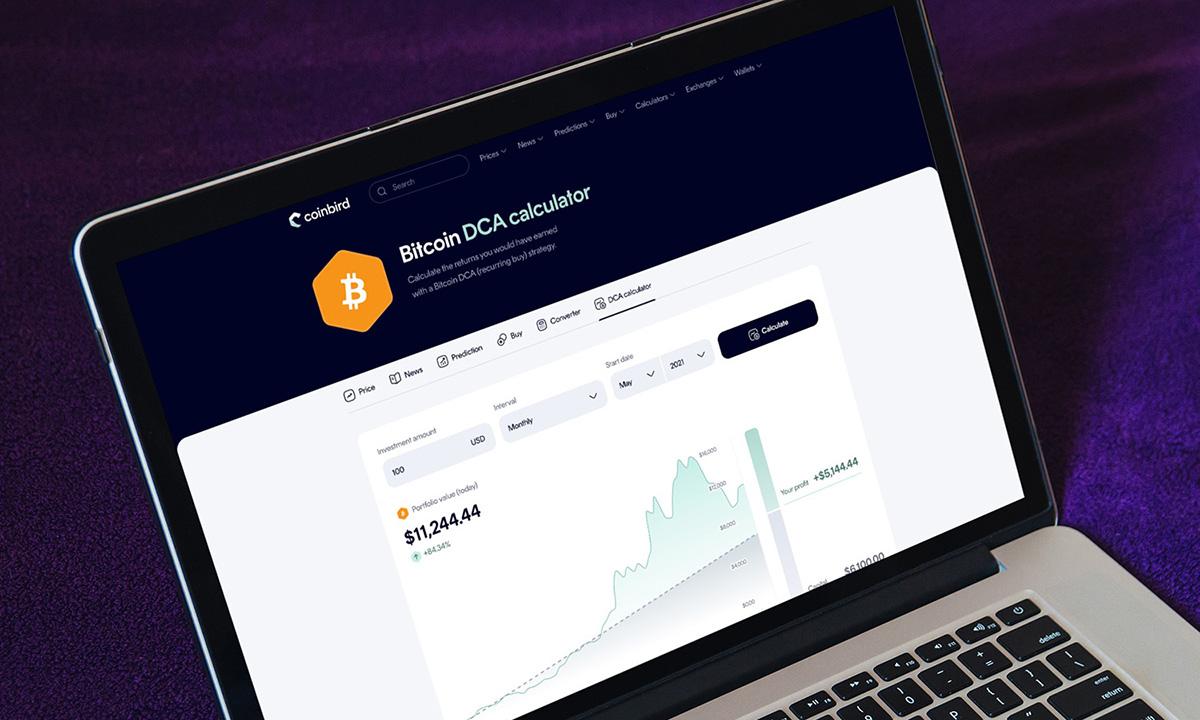
$100/Month in Bitcoin Since 2015 Would Have Turned $13,700 Into $632,000, Coinbird Analysis Shows
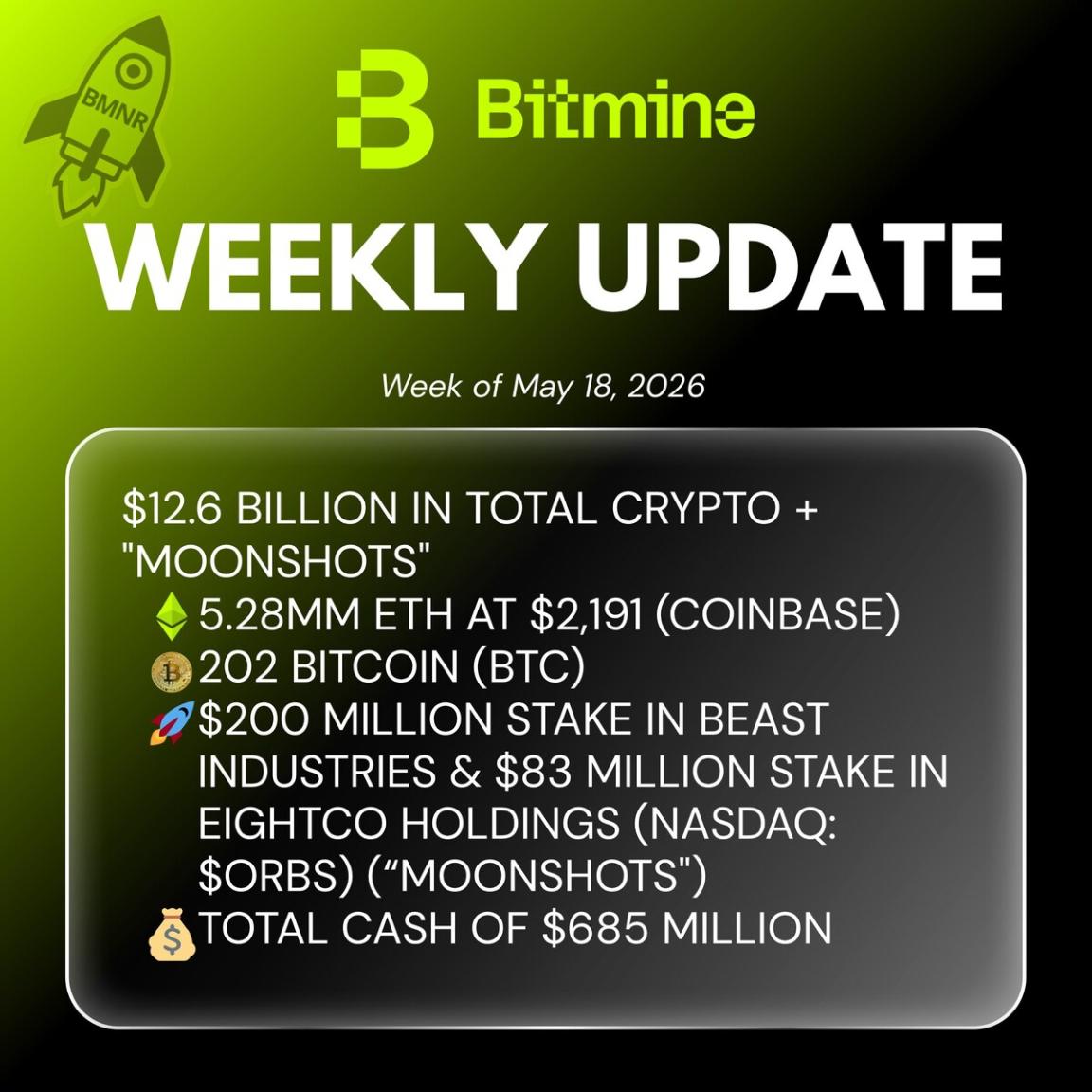
Bitmine Immersion Technologies (BMNR) Announces ETH Holdings Reach 5.28 Million Tokens, and Total Crypto and Total Cash Holdings of $12.6 Billion