Crypto Fear & Greed Index at 42 Signals Fear in Market Sentiment
The Crypto Fear & Greed Index stands at 42, placing market sentiment firmly in fear territory. The daily reading, published by Alternative.me, reflects a crypto market where caution outweighs optimism, even as Bitcoin trades above $80,000 with a positive 24-hour move.
What a Score of 42 Tells Us About Crypto Sentiment
The Crypto Fear & Greed Index currently reads 43, classified as Fear. The index operates on a 0-to-100 scale, where readings below 50 indicate fear and readings above 50 indicate greed.
The index is a composite metric built from six weighted inputs: volatility at 25%, market volume at 25%, social media sentiment at 15%, surveys at 15%, Bitcoin dominance at 10%, and Google Trends at 10%. It updates once per day at midnight UTC.
A score in the low 40s means that none of these inputs are flashing strong optimism. Volatility expectations, trading volume patterns, and social chatter are collectively leaning cautious rather than euphoric.
The reading serves as a sentiment indicator, not a price forecast. It captures how the market feels at a given moment, which can diverge sharply from what prices actually do next.
Why Fear Readings Matter for Crypto Markets
Fear-level readings on the index reflect a market where participants are more likely to sell into rallies than to chase breakouts. Risk appetite contracts, and traders tend to favor stablecoins or reduced position sizes.
This kind of caution often correlates with elevated volatility expectations. When sentiment sits in fear, sudden price swings in either direction become more likely because positioning is defensive and liquidity can thin out.
The fear reading arrives at an interesting moment. Bitcoin is trading at $80,734, up approximately 1.68% over the past 24 hours. A positive price move alongside a fear reading suggests that the market’s mood has not caught up with recent price action.
Bitcoin dominance stands at 58.37%, meaning Bitcoin continues to command well over half of the total crypto market capitalization of $2.77 trillion. High dominance during fear periods typically indicates that capital is rotating from altcoins into Bitcoin as a relative safe haven within crypto.
The broader market context matters here. Recent activity such as Binance recording $1.43 billion in USDT net inflows over 24 hours suggests that capital is still entering the ecosystem, even if sentiment gauges lean cautious.
How Traders May Read a 42-Level Fear Signal
A fear reading at this level sits in a middle zone, not extreme fear below 25 but clearly below the neutral 50 threshold. This positioning creates two divergent interpretations among market participants.
The cautious reading is straightforward: fear reflects genuine uncertainty, and traders should respect the signal by managing risk tightly. When the broader market mood is defensive, momentum strategies tend to underperform, and breakout trades carry higher failure rates.
The contrarian interpretation runs in the opposite direction. Historically, fear readings have sometimes preceded recoveries because they indicate that weak hands have already sold and that sentiment has room to improve. Warren Buffett’s famous “be greedy when others are fearful” logic applies here in principle, though one sentiment reading alone does not constitute a buy signal.
The responsible approach is to pair the sentiment data with price action and volume. Bitcoin’s 24-hour trading volume of $45.09 billion and its positive daily price change suggest that selling pressure is not overwhelming buyers at current levels, which adds nuance to the fear reading.
Developments like U.S. spot SOL ETFs recording daily inflows also suggest that institutional appetite for crypto exposure has not disappeared, even amid a fearful sentiment backdrop.
What to Watch After the Index Turns Fearful
The most immediate question is whether the index deepens further toward extreme fear, stabilizes in the 40s, or rebounds toward neutral. Each trajectory carries different implications for near-term market behavior.
A decline below 30 would signal that fear is intensifying and that broader risk-off behavior is taking hold. A stabilization around current levels would suggest the market is digesting recent moves without conviction in either direction.
A rebound above 50 would mark a shift back to neutral or greed territory, often associated with renewed buying interest and tighter spreads. Monitoring the index over consecutive days provides more signal than any single reading.
Beyond the index itself, traders should watch Bitcoin’s ability to hold above $80,000 as a near-term barometer. The $1.62 trillion Bitcoin market cap and 58.37% dominance ratio indicate that Bitcoin remains the anchor asset, and its trajectory will heavily influence whether sentiment improves or deteriorates.
Regulatory developments can also shift sentiment rapidly. Events such as Hong Kong’s CRS conviction and the expansion of crypto reporting requirements illustrate how policy changes can inject fresh uncertainty into an already cautious market.
FAQ: Crypto Fear & Greed Index at 42
What does the Crypto Fear & Greed Index measure?
The index aggregates six data inputs, including volatility, market volume, social media sentiment, surveys, Bitcoin dominance, and Google Trends, into a single 0-to-100 score. It is designed to capture the prevailing emotional state of the crypto market on any given day.
What does a reading of 42 mean?
A score of 42 falls in the “Fear” classification, indicating that market participants are leaning toward caution rather than confidence. It sits below the neutral midpoint of 50 but above the “Extreme Fear” zone, which typically begins below 25.
Does a fear reading guarantee further price declines?
No. The index measures sentiment, not price direction. Fear readings have preceded both continued sell-offs and sharp recoveries in the past. A single day’s score is a snapshot, not a prediction, and should be evaluated alongside price trends, volume, and broader market conditions before drawing conclusions.
How often is the index updated?
The index is updated once per day at midnight UTC, drawing from the previous day’s data across all six input categories.
Disclaimer: This article is for informational purposes only and does not constitute financial or investment advice. Cryptocurrency and digital asset markets carry significant risk. Always do your own research before making decisions.
No tags available.


Other Posts








- China, US Conclude Trade Talks with Focus on Cooperation
- Court Upholds Fed’s Rejection of Custodia Bank’s Request
- Crypto Weekly: NYSE Backs OKX, Kraken Gets Fed Access, BTC Sells
- Former CFO Convicted for $35M Fraudulent Crypto Investment
- DeriW Launches Edge Hour Trading Competition Platform for Derivatives Traders
- Michael Saylor Denies Bitcoin Sell-Off Amid Large BTC Transfer
- Buy Dogecoin on eToro: Step-by-Step Guide for Beginners (2024)
- Kazakhstan Explores Crypto Reserves Backed by National Funds
- JPMorgan Increases Holdings in BlackRock’s Bitcoin ETF
- Nordea Bank Introduces Bitcoin ETP Trading for Nordic Customers
- XRP Spot ETF Launches on Nasdaq Amid Market Fluctuations
- Peter Schiff Challenges Michael Saylor on MSTR’s Business Model
- Thailand Orders Worldcoin to Delete 1.2 Million Biometric Records
- UK Proposes New DeFi Tax Framework to Ease User Burden
- WLFI Under Fire: Analyst Warns Hyperliquid Could Be Next
- Ancient Ethereum Whale Moves $1.19 Billion After Decade
- BlackRock Receives Large Crypto Transfers from Coinbase
- SEC Scrutiny on ALT5 Sigma’s Leadership Disclosure Timing
- Yala Injects $5.5 Million Amid Recovery Efforts
- Radiant Capital Faces $50M Loss in Major Security Breach
- China, US Conclude Trade Talks with Focus on Cooperation
- Court Upholds Fed’s Rejection of Custodia Bank’s Request
- Crypto Weekly: NYSE Backs OKX, Kraken Gets Fed Access, BTC Sells
- Former CFO Convicted for $35M Fraudulent Crypto Investment
- DeriW Launches Edge Hour Trading Competition Platform for Derivatives Traders
- Michael Saylor Denies Bitcoin Sell-Off Amid Large BTC Transfer
- Buy Dogecoin on eToro: Step-by-Step Guide for Beginners (2024)
- Kazakhstan Explores Crypto Reserves Backed by National Funds
- JPMorgan Increases Holdings in BlackRock’s Bitcoin ETF
- Nordea Bank Introduces Bitcoin ETP Trading for Nordic Customers
- XRP Spot ETF Launches on Nasdaq Amid Market Fluctuations
- Peter Schiff Challenges Michael Saylor on MSTR’s Business Model
- Thailand Orders Worldcoin to Delete 1.2 Million Biometric Records
- UK Proposes New DeFi Tax Framework to Ease User Burden
- WLFI Under Fire: Analyst Warns Hyperliquid Could Be Next
- Ancient Ethereum Whale Moves $1.19 Billion After Decade
- BlackRock Receives Large Crypto Transfers from Coinbase
- SEC Scrutiny on ALT5 Sigma’s Leadership Disclosure Timing
- Yala Injects $5.5 Million Amid Recovery Efforts
- Radiant Capital Faces $50M Loss in Major Security Breach
- China, US Conclude Trade Talks with Focus on Cooperation
- Court Upholds Fed’s Rejection of Custodia Bank’s Request
- Crypto Weekly: NYSE Backs OKX, Kraken Gets Fed Access, BTC Sells
- Former CFO Convicted for $35M Fraudulent Crypto Investment
- DeriW Launches Edge Hour Trading Competition Platform for Derivatives Traders
- Michael Saylor Denies Bitcoin Sell-Off Amid Large BTC Transfer
- Buy Dogecoin on eToro: Step-by-Step Guide for Beginners (2024)
- Kazakhstan Explores Crypto Reserves Backed by National Funds
- JPMorgan Increases Holdings in BlackRock’s Bitcoin ETF
- Nordea Bank Introduces Bitcoin ETP Trading for Nordic Customers
- XRP Spot ETF Launches on Nasdaq Amid Market Fluctuations
- Peter Schiff Challenges Michael Saylor on MSTR’s Business Model
- Thailand Orders Worldcoin to Delete 1.2 Million Biometric Records
- UK Proposes New DeFi Tax Framework to Ease User Burden
- WLFI Under Fire: Analyst Warns Hyperliquid Could Be Next
- Ancient Ethereum Whale Moves $1.19 Billion After Decade
- BlackRock Receives Large Crypto Transfers from Coinbase
- SEC Scrutiny on ALT5 Sigma’s Leadership Disclosure Timing
- Yala Injects $5.5 Million Amid Recovery Efforts
- Radiant Capital Faces $50M Loss in Major Security Breach

SEC Cancels Reg Crypto Proposal and Delays Meeting Without New Date


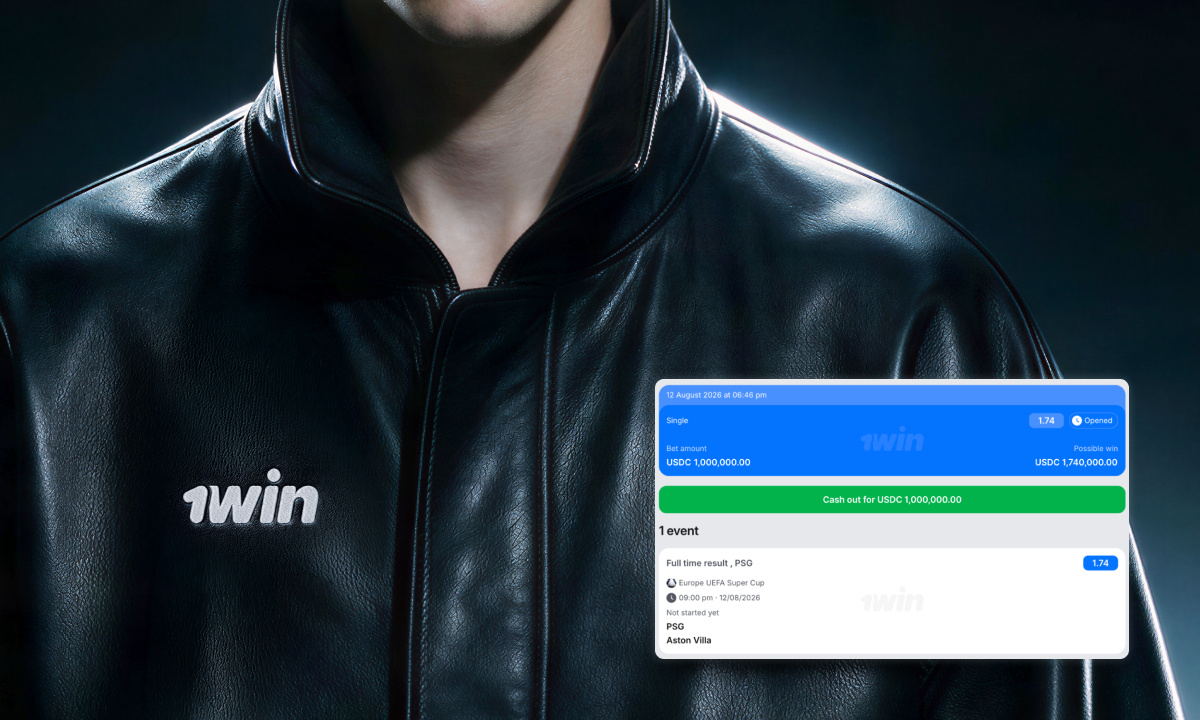
Crypto Player Takes Home $1.749M After a Million PSG Bet on 1win