YZi Labs Head: Majority Investments Are Equity, Projects Should Not Rush Token Issuance
Ella Zhang, the head of YZi Labs, declared on March 25, 2026 that the majority of the firm’s investments are structured as equity rather than token allocations, and urged portfolio projects not to rush into issuing tokens. The statement, posted on X, signals a deliberate shift away from the token-first investment culture that has defined Web3 venture capital for years.
YZi Labs Head’s Statement: Equity First, Tokens Second
Zhang’s statement was direct. YZi Labs invests broadly across Web3, AI, and biotechnology, but the dominant deal structure is equity, not token warrants or commitments tied to token generation events.

For portfolio projects that have not yet found product-market fit, Zhang advised founders to focus on building rather than tokenizing. “Tokens lacking sustainable utility will eventually lose value,” she stated, adding that issuing tokens often becomes a distraction and a burden for teams still searching for traction.
YZi Labs — Portfolio Structure
Majority Equity
The head of YZi Labs stated that the company’s investments are predominantly structured as equity stakes rather than token allocations, a deliberate choice to align incentives with long-term project growth.
The message carries particular weight given the current market environment. The Crypto Fear & Greed Index sits at 14, deep in “Extreme Fear” territory. Zhang’s caution against premature token launches aligns with a cycle that has exposed numerous projects whose tokens lacked real utility or demand.
Zhang has previously articulated a demand-first investment thesis. “Focus on user demand. Is there real demand happen or the demand is imagined?” she said in a February 2026 interview with CoinDesk, underscoring the fund’s emphasis on fundamentals over speculative narratives.
From Binance Labs to YZi Labs: Why This Voice Carries Weight
YZi Labs is the rebranded Binance Labs, now operating as an independent family office for Binance co-founders Changpeng Zhao (CZ) and Yi He. The transformation from a corporate venture arm into a standalone investment entity gave the firm broader latitude in deal structure and sector focus.
The portfolio is substantial. YZi Labs manages over $10 billion in investments across more than 250 projects, including Sky Mavis, LayerZero, Aptos Labs, and Polygon. This is not a small fund offering opinions from the sidelines; it is one of the largest capital allocators in the crypto ecosystem.
Beyond Web3, YZi Labs has expanded into AI and biotechnology, reflecting a thesis that the next wave of transformative companies will span multiple technology verticals. The EASY Residency program, which provides $500,000 per startup along with hands-on mentorship, received over 1,000 applications, with 47% focused on AI and 30% on Web3.
Zhang has also emphasized that YZi Labs is not pressured to deploy capital on any timeline. “We’re not obligated to deploy all the capital we have,” she stated, a luxury afforded by the family office structure that frees the firm from the fund-lifecycle constraints typical of traditional venture capital.
Why Rushing Token Issuance Damages Projects
The warning against premature token launches addresses one of the most persistent structural problems in crypto venture building. Projects that issue tokens before establishing product-market fit face a cascading set of misaligned incentives.
When a token launches, it creates a public, tradable price for something that may not yet have real users or revenue. Early investors and team members holding vesting tokens become focused on price management rather than product development. Community sentiment shifts from “is this product useful?” to “why is the price down?”
This dynamic has played out repeatedly. Projects that raised through token sales in 2024 and 2025 often found themselves managing token treasuries, responding to holder frustration, and navigating exchange listing politics, all while the core product remained unfinished. The token, intended as a fundraising mechanism, became the primary operational burden.
Token unlock schedules compound the problem. As vesting cliffs hit and large allocations become liquid, selling pressure mounts regardless of whether the project has delivered on its roadmap. Retail holders who bought on secondary markets bear the dilution, eroding community trust that is difficult to rebuild. The pattern has become familiar enough that even sophisticated market participants are increasingly wary of token-linked risk.
Zhang’s framing is blunt: tokens without sustainable utility will lose value. The implication is that YZi Labs has seen this pattern firsthand across its 250+ portfolio companies and is now publicly advising against it.
Equity vs. Token Allocations: How Web3 VC Deals Work
To understand what YZi Labs is choosing, it helps to understand how Web3 investment deals are structured. Unlike traditional venture capital, where investors take equity (an ownership stake in the legal entity), crypto-native deals often include token warrants or Simple Agreements for Future Tokens (SAFTs).
A token warrant gives the investor the right to receive a specified allocation of tokens at or after a token generation event, typically at a discounted price. The appeal for investors is liquidity: tokens can be sold on secondary markets far faster than equity in a private company, which requires an IPO or acquisition to realize returns.
Equity, by contrast, ties the investor’s returns to the long-term value of the company itself, not to a speculative token market. An equity holder benefits when the company grows revenue, expands users, or becomes an acquisition target. There is no shortcut to liquidity.
When YZi Labs says the majority of its investments are equity-based, it signals several things. First, the firm is betting on company fundamentals, not token price appreciation. Second, it is aligning its incentives with founders on multi-year timescales. Third, it implicitly accepts that some portfolio companies may never need a token at all.
This approach contrasts with funds that primarily hold token positions, where the incentive structure can push for earlier token launches to create liquidity events. The tension between investor demand for token liquidity and project readiness has been a defining challenge of Web3 fundraising. Similar questions about how institutional capital flows respond to shifting market conditions are playing out across asset classes.
What Founders Should Take From YZi Labs’ Stance
For founders seeking investment from YZi Labs, the message is clear: lead with business fundamentals, not tokenomics. A pitch built around a token launch timeline or token-driven revenue model is less likely to resonate with a fund that structures most of its deals as equity.
The practical implication is that YZi Labs favors projects that can articulate real user demand, a viable business model, and a path to product-market fit independent of token economics. This does not mean the fund opposes tokens entirely; it means it views tokens as a tool to be deployed after the product works, not before.
YZi Labs — Advisory Position
“Do not rush to issue tokens.”
YZi Labs head urged founders to resist pressure for early token generation events, reinforcing the fund’s equity-first approach and patience with project maturation timelines.
The broader signal extends beyond YZi Labs. Institutional investors in crypto have increasingly moved toward equity structures that mirror traditional VC, partly for regulatory clarity and partly because the track record of token-first investments has been mixed. As regulatory scrutiny around token offerings continues globally, equity deals avoid many of the securities classification risks that token launches carry.
YZi Labs’ EASY Residency program reflects this philosophy in practice. By providing $500,000 in capital with hands-on mentorship, the program is designed to help early-stage teams build before they monetize. The application mix, with nearly half of applicants focused on AI rather than pure Web3, suggests that the fund is attracting builders who think beyond token-native business models.
With the Crypto Fear & Greed Index at 14, the market is in a period where projects with weak fundamentals are being exposed. Zhang’s statement reads less as a new policy and more as a public articulation of what bear markets have always taught: substance outlasts speculation. For projects navigating turbulent conditions, including those facing scrutiny over token price integrity, the equity-first approach offers a more durable foundation.
The fund’s long-term capital structure as a family office, unconstrained by traditional VC fund cycles and exit timelines, gives it the patience to wait for that foundation to mature. For founders willing to build on the same timeline, YZi Labs appears to be signaling that the capital, and the conviction, is there.
FAQ
What is YZi Labs and how is it related to Binance?
YZi Labs is the rebranded Binance Labs, now operating as an independent family office for Binance co-founders Changpeng Zhao and Yi He. The firm manages a portfolio of over $10 billion across more than 250 projects and invests in Web3, AI, and biotechnology.
What is the difference between equity investment and token investment in crypto?
Equity investment gives the investor an ownership stake in the legal entity behind a project, with returns tied to company growth. Token investment, through warrants or SAFTs, gives the investor rights to future tokens that can be traded on secondary markets. Equity aligns incentives with long-term fundamentals; token positions can incentivize earlier liquidity events.
Why does YZi Labs advise against rushing token issuance?
According to YZi Labs head Ella Zhang, tokens without sustainable utility will eventually lose value. For projects that have not yet achieved product-market fit, launching a token creates price management obligations, community expectations, and operational distractions that divert resources from building the core product.
What types of projects does YZi Labs invest in?
YZi Labs invests across Web3 infrastructure, DeFi, AI, and biotechnology. Its portfolio includes major projects such as Sky Mavis, LayerZero, Aptos Labs, and Polygon. The firm’s EASY Residency program provides $500,000 per startup and received over 1,000 applications, with 47% focused on AI and 30% on Web3.
Disclaimer: This article is for informational purposes only and does not constitute financial or investment advice. Cryptocurrency and digital asset markets carry significant risk. Always do your own research before making decisions.
No tags available.


Other Posts








- Amplify 2024: Ohio’s Premier Blockchain Summit
- Polymarket Announces U.S. Beta Relaunch Amid Market Buzz
- China, US Conclude Trade Talks with Focus on Cooperation
- Crypto Weekly: NYSE Backs OKX, Kraken Gets Fed Access, BTC Sells
- CELO holds as Celo reviews Opera 160M token claim
- DeriW Launches Edge Hour Trading Competition Platform for Derivatives Traders
- Michael Saylor Denies Bitcoin Sell-Off Amid Large BTC Transfer
- Court Upholds Fed’s Rejection of Custodia Bank’s Request
- EU Opens Antitrust Probe Into Deutsche Boerse and Nasdaq Derivatives Dealings
- Kazakhstan Explores Crypto Reserves Backed by National Funds
- JPMorgan Increases Holdings in BlackRock’s Bitcoin ETF
- Nordea Bank Introduces Bitcoin ETP Trading for Nordic Customers
- XRP Spot ETF Launches on Nasdaq Amid Market Fluctuations
- JPMorgan Chase Launches 24/7 Digital Deposit Token for Clients
- Crypto Leaders Address Macro Volatility Amid Market Shifts
- Former CFO Convicted for $35M Fraudulent Crypto Investment
- Peter Schiff Challenges Michael Saylor on MSTR’s Business Model
- Thailand Orders Worldcoin to Delete 1.2 Million Biometric Records
- UK Proposes New DeFi Tax Framework to Ease User Burden
- U.S. Treasury Proposes New Tax Relief Regulations
- Amplify 2024: Ohio’s Premier Blockchain Summit
- Polymarket Announces U.S. Beta Relaunch Amid Market Buzz
- China, US Conclude Trade Talks with Focus on Cooperation
- Crypto Weekly: NYSE Backs OKX, Kraken Gets Fed Access, BTC Sells
- CELO holds as Celo reviews Opera 160M token claim
- DeriW Launches Edge Hour Trading Competition Platform for Derivatives Traders
- Michael Saylor Denies Bitcoin Sell-Off Amid Large BTC Transfer
- Court Upholds Fed’s Rejection of Custodia Bank’s Request
- EU Opens Antitrust Probe Into Deutsche Boerse and Nasdaq Derivatives Dealings
- Kazakhstan Explores Crypto Reserves Backed by National Funds
- JPMorgan Increases Holdings in BlackRock’s Bitcoin ETF
- Nordea Bank Introduces Bitcoin ETP Trading for Nordic Customers
- XRP Spot ETF Launches on Nasdaq Amid Market Fluctuations
- JPMorgan Chase Launches 24/7 Digital Deposit Token for Clients
- Crypto Leaders Address Macro Volatility Amid Market Shifts
- Former CFO Convicted for $35M Fraudulent Crypto Investment
- Peter Schiff Challenges Michael Saylor on MSTR’s Business Model
- Thailand Orders Worldcoin to Delete 1.2 Million Biometric Records
- UK Proposes New DeFi Tax Framework to Ease User Burden
- U.S. Treasury Proposes New Tax Relief Regulations
- Amplify 2024: Ohio’s Premier Blockchain Summit
- Polymarket Announces U.S. Beta Relaunch Amid Market Buzz
- China, US Conclude Trade Talks with Focus on Cooperation
- Crypto Weekly: NYSE Backs OKX, Kraken Gets Fed Access, BTC Sells
- CELO holds as Celo reviews Opera 160M token claim
- DeriW Launches Edge Hour Trading Competition Platform for Derivatives Traders
- Michael Saylor Denies Bitcoin Sell-Off Amid Large BTC Transfer
- Court Upholds Fed’s Rejection of Custodia Bank’s Request
- EU Opens Antitrust Probe Into Deutsche Boerse and Nasdaq Derivatives Dealings
- Kazakhstan Explores Crypto Reserves Backed by National Funds
- JPMorgan Increases Holdings in BlackRock’s Bitcoin ETF
- Nordea Bank Introduces Bitcoin ETP Trading for Nordic Customers
- XRP Spot ETF Launches on Nasdaq Amid Market Fluctuations
- JPMorgan Chase Launches 24/7 Digital Deposit Token for Clients
- Crypto Leaders Address Macro Volatility Amid Market Shifts
- Former CFO Convicted for $35M Fraudulent Crypto Investment
- Peter Schiff Challenges Michael Saylor on MSTR’s Business Model
- Thailand Orders Worldcoin to Delete 1.2 Million Biometric Records
- UK Proposes New DeFi Tax Framework to Ease User Burden
- U.S. Treasury Proposes New Tax Relief Regulations
Latest


BitGo Holdings’ Bitcoin Holdings Rise by 776 BTC in Q1 to 2,449 BTC

Press Release
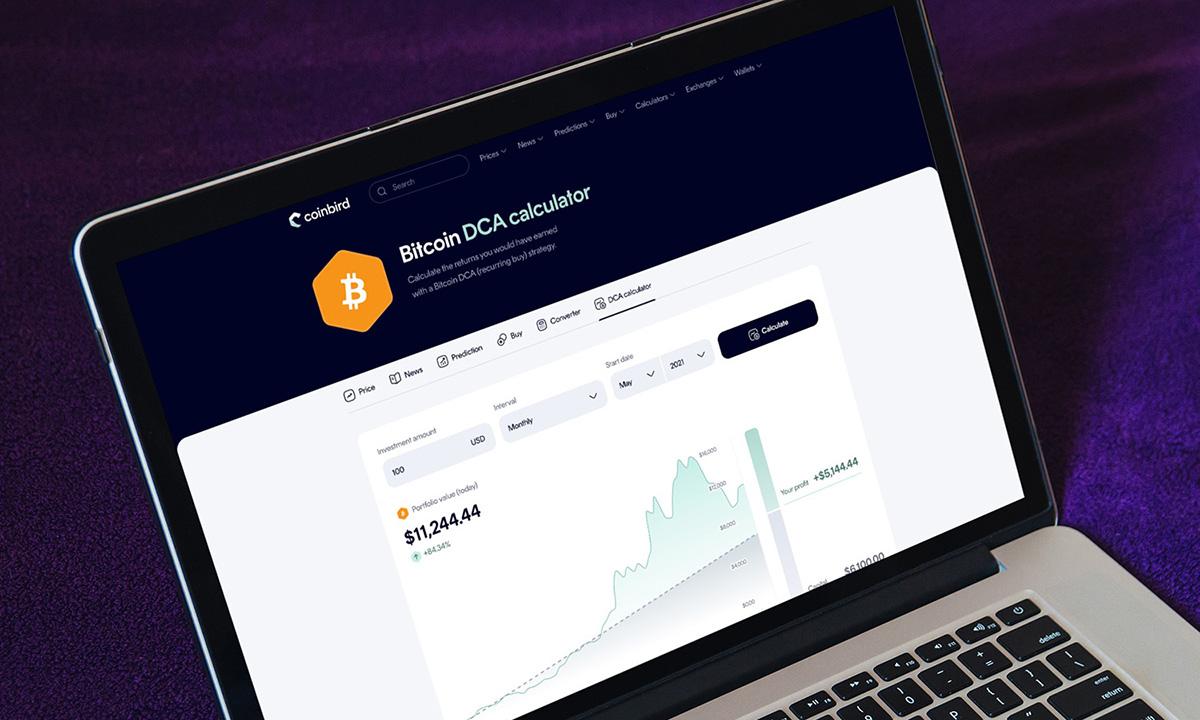
$100/Month in Bitcoin Since 2015 Would Have Turned $13,700 Into $632,000, Coinbird Analysis Shows
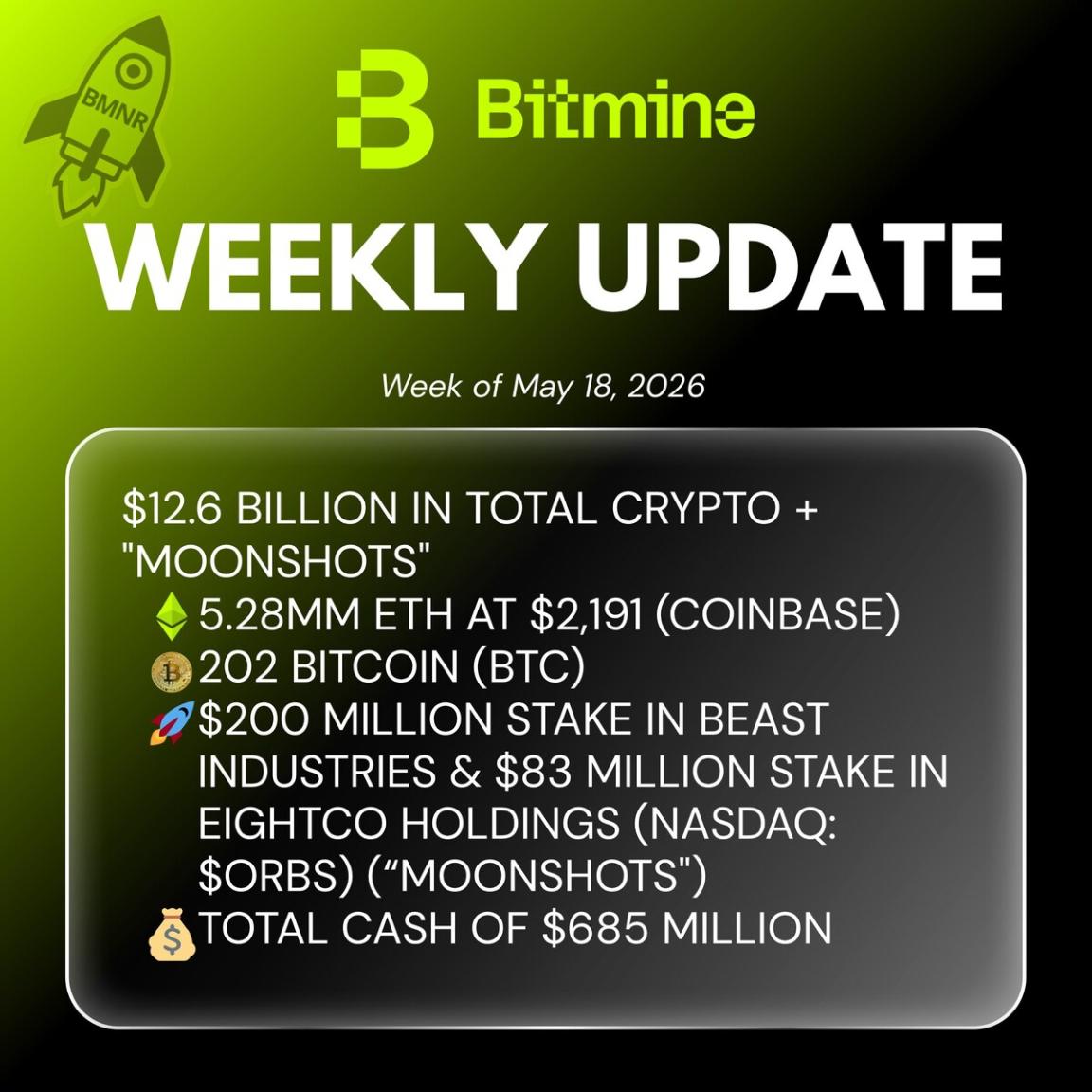
Bitmine Immersion Technologies (BMNR) Announces ETH Holdings Reach 5.28 Million Tokens, and Total Crypto and Total Cash Holdings of $12.6 Billion