Israeli Regulator Approves First Regulated Shekel-Pegged Stablecoin
Israel has approved its first regulated shekel-pegged stablecoin, marking a milestone for digital asset oversight in the country. The approval positions Israel among a growing number of jurisdictions moving to bring local-currency stablecoins under formal regulatory frameworks.
What the Approval Means
The stablecoin, known as BILS, was developed by Bits of Gold, one of Israel’s longest-operating crypto platforms. The company announced the shekel-backed stablecoin as the first of its kind to receive regulatory approval in the country.
Bits of Gold described the token as the first-ever Israeli shekel-backed stablecoin, emphasizing its regulated status as a distinguishing feature from unregulated alternatives.
The “first regulated” label is the central novelty. Unregulated shekel-denominated tokens may have circulated before, but BILS is the first to operate under an explicit compliance framework granted by an Israeli financial authority.
Why a Shekel-Pegged Stablecoin Matters
A shekel-pegged stablecoin is a digital token designed to maintain a 1:1 value ratio with the Israeli new shekel. Unlike dollar-pegged stablecoins such as USDT or USDC, a shekel-denominated token allows Israeli users to transact in their local currency on blockchain rails without exposure to USD exchange rate fluctuations.
For payments, remittances, and local trading pairs, a regulated shekel stablecoin removes the need to convert through dollar-denominated intermediaries. This could reduce friction and cost for Israeli users who currently rely on USD-pegged tokens as their default on-chain settlement layer.
The regulated designation adds a layer of institutional credibility. Regulatory approval typically requires the issuer to demonstrate reserve backing, audit processes, and compliance with anti-money-laundering standards, all of which distinguish BILS from informal alternatives.
Regulatory Signal for Israel’s Crypto Market
The approval signals that at least one Israeli regulator is willing to formally supervise private-sector stablecoin issuance. This is a concrete policy action, not just consultation or discussion.
Israel’s Capital Market Authority has separately been exploring the concept of a digital shekel, publishing scenario analyses for a potential central bank digital currency. The approval of a private-sector shekel stablecoin represents a parallel, market-driven development alongside those government-led explorations.
Whether this approval signals broader openness to supervised crypto products or remains a one-off milestone is not yet clear. Future approvals, if they come, would confirm a trend rather than an isolated decision.
Israeli financial media has reported on the historic nature of the approval, noting its significance within the country’s evolving digital asset landscape.
Potential Impact on Exchanges, DeFi, and Users
A regulated shekel stablecoin could find use cases across several areas of the Israeli crypto ecosystem. Local exchanges could list the token as a base trading pair, reducing reliance on dollar-denominated stablecoins for domestic users.
In decentralized finance, a shekel-pegged token could open doors for Israeli-denominated lending, borrowing, and liquidity pools. However, actual adoption will depend on which blockchains the token launches on, exchange listing decisions, and user demand, none of which have been fully detailed yet.
The broader stablecoin market continues to evolve alongside regulatory developments worldwide. In the United States, crypto-related stocks have faced volatility tied to shifting policy signals around digital assets. Meanwhile, institutional players are deepening their digital asset exposure, with corporate Bitcoin holdings diverging from broader market performance as treasury strategies mature.
The stablecoin sector itself has seen growing activity, including new token reward programs such as Binance’s recent HODLer airdrop initiatives that highlight the competitive landscape for stablecoin-adjacent products.
If successful, the BILS stablecoin could encourage other Israeli fintech companies to pursue regulated digital asset products, potentially expanding the range of compliant crypto offerings available in the market.
FAQ About Israel’s First Regulated Shekel-Pegged Stablecoin
What is a shekel-pegged stablecoin?
A shekel-pegged stablecoin is a digital token on a blockchain designed to maintain a stable value equal to one Israeli new shekel. It functions similarly to dollar-pegged stablecoins like USDC, but denominated in Israel’s local currency.
Why does regulatory approval matter for a stablecoin?
Regulatory approval means the issuer has met requirements set by a financial authority, typically including proof of reserves, compliance with anti-money-laundering rules, and ongoing oversight. This distinguishes it from unregulated tokens where users must trust the issuer without official verification.
What does “first regulated” mean in this context?
While other shekel-denominated digital tokens may have existed informally, the BILS token is the first to receive explicit approval from an Israeli regulator, making it the first to operate under a formal compliance framework.
What could this mean for crypto users in Israel?
Israeli crypto users could gain access to a compliant, locally denominated stablecoin for trading, payments, and transfers without needing to convert to USD-pegged alternatives. Actual availability will depend on exchange listings and platform integrations that have yet to be announced.
Disclaimer: This article is for informational purposes only and does not constitute financial or investment advice. Cryptocurrency and digital asset markets carry significant risk. Always do your own research before making decisions.
No tags available.


Other Posts








- China, US Conclude Trade Talks with Focus on Cooperation
- Crypto Weekly: NYSE Backs OKX, Kraken Gets Fed Access, BTC Sells
- Court Upholds Fed’s Rejection of Custodia Bank’s Request
- Former CFO Convicted for $35M Fraudulent Crypto Investment
- DeriW Launches Edge Hour Trading Competition Platform for Derivatives Traders
- Michael Saylor Denies Bitcoin Sell-Off Amid Large BTC Transfer
- Buy Dogecoin on eToro: Step-by-Step Guide for Beginners (2024)
- Kazakhstan Explores Crypto Reserves Backed by National Funds
- JPMorgan Increases Holdings in BlackRock’s Bitcoin ETF
- Nordea Bank Introduces Bitcoin ETP Trading for Nordic Customers
- XRP Spot ETF Launches on Nasdaq Amid Market Fluctuations
- Peter Schiff Challenges Michael Saylor on MSTR’s Business Model
- Thailand Orders Worldcoin to Delete 1.2 Million Biometric Records
- UK Proposes New DeFi Tax Framework to Ease User Burden
- WLFI Under Fire: Analyst Warns Hyperliquid Could Be Next
- Ancient Ethereum Whale Moves $1.19 Billion After Decade
- BlackRock Receives Large Crypto Transfers from Coinbase
- SEC Scrutiny on ALT5 Sigma’s Leadership Disclosure Timing
- Yala Injects $5.5 Million Amid Recovery Efforts
- Radiant Capital Faces $50M Loss in Major Security Breach
- China, US Conclude Trade Talks with Focus on Cooperation
- Crypto Weekly: NYSE Backs OKX, Kraken Gets Fed Access, BTC Sells
- Court Upholds Fed’s Rejection of Custodia Bank’s Request
- Former CFO Convicted for $35M Fraudulent Crypto Investment
- DeriW Launches Edge Hour Trading Competition Platform for Derivatives Traders
- Michael Saylor Denies Bitcoin Sell-Off Amid Large BTC Transfer
- Buy Dogecoin on eToro: Step-by-Step Guide for Beginners (2024)
- Kazakhstan Explores Crypto Reserves Backed by National Funds
- JPMorgan Increases Holdings in BlackRock’s Bitcoin ETF
- Nordea Bank Introduces Bitcoin ETP Trading for Nordic Customers
- XRP Spot ETF Launches on Nasdaq Amid Market Fluctuations
- Peter Schiff Challenges Michael Saylor on MSTR’s Business Model
- Thailand Orders Worldcoin to Delete 1.2 Million Biometric Records
- UK Proposes New DeFi Tax Framework to Ease User Burden
- WLFI Under Fire: Analyst Warns Hyperliquid Could Be Next
- Ancient Ethereum Whale Moves $1.19 Billion After Decade
- BlackRock Receives Large Crypto Transfers from Coinbase
- SEC Scrutiny on ALT5 Sigma’s Leadership Disclosure Timing
- Yala Injects $5.5 Million Amid Recovery Efforts
- Radiant Capital Faces $50M Loss in Major Security Breach
- China, US Conclude Trade Talks with Focus on Cooperation
- Crypto Weekly: NYSE Backs OKX, Kraken Gets Fed Access, BTC Sells
- Court Upholds Fed’s Rejection of Custodia Bank’s Request
- Former CFO Convicted for $35M Fraudulent Crypto Investment
- DeriW Launches Edge Hour Trading Competition Platform for Derivatives Traders
- Michael Saylor Denies Bitcoin Sell-Off Amid Large BTC Transfer
- Buy Dogecoin on eToro: Step-by-Step Guide for Beginners (2024)
- Kazakhstan Explores Crypto Reserves Backed by National Funds
- JPMorgan Increases Holdings in BlackRock’s Bitcoin ETF
- Nordea Bank Introduces Bitcoin ETP Trading for Nordic Customers
- XRP Spot ETF Launches on Nasdaq Amid Market Fluctuations
- Peter Schiff Challenges Michael Saylor on MSTR’s Business Model
- Thailand Orders Worldcoin to Delete 1.2 Million Biometric Records
- UK Proposes New DeFi Tax Framework to Ease User Burden
- WLFI Under Fire: Analyst Warns Hyperliquid Could Be Next
- Ancient Ethereum Whale Moves $1.19 Billion After Decade
- BlackRock Receives Large Crypto Transfers from Coinbase
- SEC Scrutiny on ALT5 Sigma’s Leadership Disclosure Timing
- Yala Injects $5.5 Million Amid Recovery Efforts
- Radiant Capital Faces $50M Loss in Major Security Breach

BTCPay Server Supporters Offer 3 BTC Recovery Bounty After Critical Exploit

Bitcoin ATMs Pulled in Australia as Regulators Signal Wider Crackdown

Bitwise’s Rasmussen Says Circle Is Mispriced on Stablecoin Growth Outlook
Syntetika Launches Tokenization Hub Bringing Regulated Investment Strategies Onchain
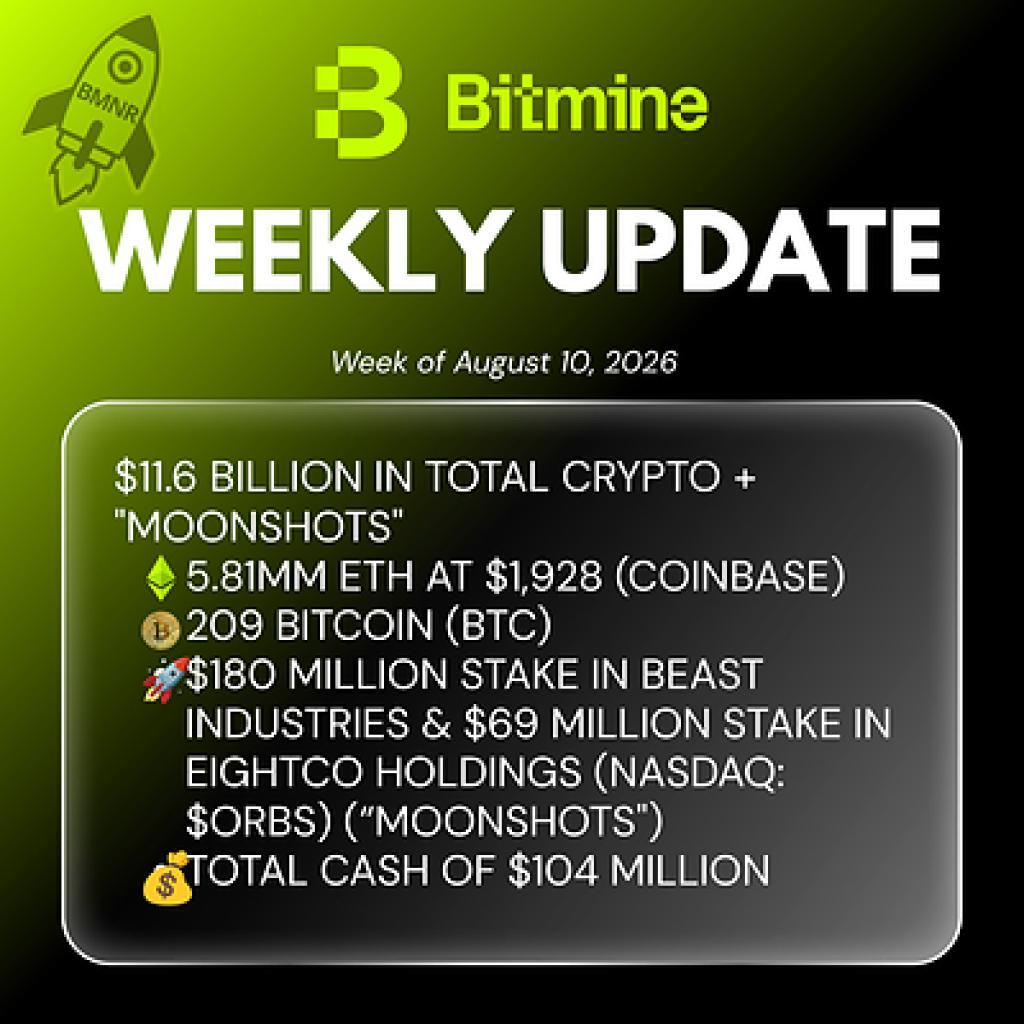
Bitmine Immersion Technologies (BMNR) Announces ETH Holdings Reach 5.81 Million Tokens, and Total Crypto and Total Cash Holdings of $11.6 Billion