Coinbase Strategist Says Institutions Bought the Bitcoin Dip
A Coinbase strategist has said that institutional investors did not panic during Bitcoin’s recent price decline, instead using the drawdown as an opportunity to accumulate at lower levels.
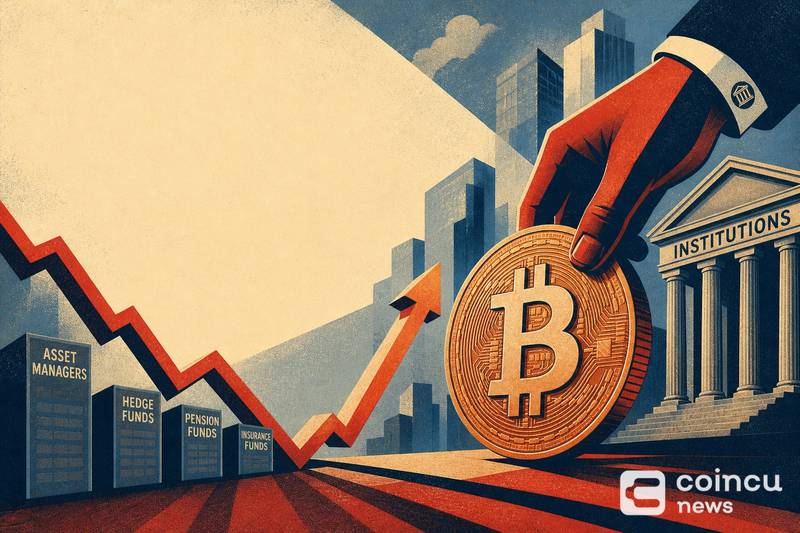
The comments, reported by The Block, suggest that large buyers viewed the pullback as a buying window rather than a reason to exit positions. A separate report from The Crypto Basic noted that a Coinbase executive indicated institutions showed more enthusiasm for Bitcoin at $60,000 than at $125,000.
The framing is notable because it separates institutional behavior from the broader market anxiety that typically accompanies sharp declines. Rather than reducing exposure, these participants reportedly increased it.
What the Coinbase Strategist Argued
The core claim is straightforward: institutions treated Bitcoin’s weakness as a discount, not a warning. In market terms, “not panicking” means these participants held or added to positions while prices fell, rather than liquidating to limit losses.
Institutional accumulation refers to sustained buying by large allocators, including asset managers, funds, and corporate treasuries, during periods of price weakness. This type of behavior typically reflects a longer time horizon and a thesis that the decline is temporary.
The strategist’s comments imply that demand from these buyers emerged precisely when retail sentiment was weakest. This pattern, if accurate, would be consistent with how institutional capital has historically operated in traditional markets during corrections.
Why Institutional Dip Buying Matters for Bitcoin
Institutional buyers are generally viewed as higher-conviction participants. Their willingness to absorb supply during a downturn can signal confidence in Bitcoin’s longer-term trajectory that shorter-term traders may not share.
Buying during a decline is structurally different from buying after a recovery. Accumulation at lower prices removes available supply from the market, which can reduce selling pressure and create a floor. This is particularly relevant for Bitcoin, where liquidation cascades at key price levels can amplify downside moves.
When institutions are seen as net buyers during weakness, it can shift the narrative from fear to resilience. Market participants often watch institutional flows as a proxy for informed positioning.
Institutional Accumulation vs. Panic Selling
Panic selling is characterized by rapid liquidation, often driven by margin calls, stop-losses, or emotional decision-making. It tends to concentrate in retail accounts and leveraged positions, creating sharp, disorderly price drops.
Strategic absorption looks different. It involves measured buying over a defined price range, often executed through over-the-counter desks or algorithmic strategies designed to minimize market impact. The Coinbase strategist’s comments suggest institutions were operating in this mode.
The distinction matters because it implies the decline was driven more by leveraged unwinding and retail fear than by a fundamental reassessment from the market’s largest participants. If institutions were net buyers while prices fell, the selling pressure likely came from a different cohort entirely.
This dynamic has played out before in crypto markets. During periods of elevated volatility, protocols like Aave have faced stress tests as leveraged positions unwind, while larger holders often use the resulting liquidity to build positions. The behavior of large wallets borrowing and moving funds to exchanges during these periods can offer additional signals about institutional intent.
Interpreting the Signal
Institutional accumulation during a drawdown can be read as a confidence signal, but it is not a guarantee of immediate price recovery. Large buyers may be positioning for months or years ahead, not the next trading session.
There is also a limit to what a single strategist’s commentary can tell us about the broader institutional landscape. Coinbase, as a major exchange and custodian for institutional clients, has direct visibility into order flow, but the full picture of institutional positioning spans multiple venues and custody solutions.
The more cautious reading is that some institutions bought the dip, not that all did. Sentiment effects from this type of commentary are interpretive, and readers should distinguish between a supportive data point and a definitive market signal.
FAQ
What does it mean when institutions buy the Bitcoin dip?
It means large investors, such as funds and asset managers, are purchasing Bitcoin during a price decline rather than selling. This suggests they view the lower price as an opportunity rather than a sign of further weakness.
Why would institutions avoid panic selling during a decline?
Institutional investors typically operate with longer time horizons and pre-defined risk frameworks. Their mandates often allow them to withstand short-term volatility, and many treat drawdowns as entry points rather than exit signals.
Does institutional accumulation guarantee Bitcoin will recover?
No. Institutional buying can provide price support and signal confidence, but it does not guarantee a reversal. Market conditions, macroeconomic factors, and regulatory developments all play roles in determining Bitcoin’s price trajectory.
Disclaimer: This article is for informational purposes only and does not constitute financial or investment advice. Cryptocurrency and digital asset markets carry significant risk. Always do your own research before making decisions.
No tags available.


Other Posts








- China, US Conclude Trade Talks with Focus on Cooperation
- Crypto Weekly: NYSE Backs OKX, Kraken Gets Fed Access, BTC Sells
- Court Upholds Fed’s Rejection of Custodia Bank’s Request
- Former CFO Convicted for $35M Fraudulent Crypto Investment
- DeriW Launches Edge Hour Trading Competition Platform for Derivatives Traders
- Michael Saylor Denies Bitcoin Sell-Off Amid Large BTC Transfer
- Buy Dogecoin on eToro: Step-by-Step Guide for Beginners (2024)
- Kazakhstan Explores Crypto Reserves Backed by National Funds
- JPMorgan Increases Holdings in BlackRock’s Bitcoin ETF
- Nordea Bank Introduces Bitcoin ETP Trading for Nordic Customers
- XRP Spot ETF Launches on Nasdaq Amid Market Fluctuations
- Peter Schiff Challenges Michael Saylor on MSTR’s Business Model
- Thailand Orders Worldcoin to Delete 1.2 Million Biometric Records
- UK Proposes New DeFi Tax Framework to Ease User Burden
- WLFI Under Fire: Analyst Warns Hyperliquid Could Be Next
- Ancient Ethereum Whale Moves $1.19 Billion After Decade
- BlackRock Receives Large Crypto Transfers from Coinbase
- SEC Scrutiny on ALT5 Sigma’s Leadership Disclosure Timing
- Yala Injects $5.5 Million Amid Recovery Efforts
- Radiant Capital Faces $50M Loss in Major Security Breach
- China, US Conclude Trade Talks with Focus on Cooperation
- Crypto Weekly: NYSE Backs OKX, Kraken Gets Fed Access, BTC Sells
- Court Upholds Fed’s Rejection of Custodia Bank’s Request
- Former CFO Convicted for $35M Fraudulent Crypto Investment
- DeriW Launches Edge Hour Trading Competition Platform for Derivatives Traders
- Michael Saylor Denies Bitcoin Sell-Off Amid Large BTC Transfer
- Buy Dogecoin on eToro: Step-by-Step Guide for Beginners (2024)
- Kazakhstan Explores Crypto Reserves Backed by National Funds
- JPMorgan Increases Holdings in BlackRock’s Bitcoin ETF
- Nordea Bank Introduces Bitcoin ETP Trading for Nordic Customers
- XRP Spot ETF Launches on Nasdaq Amid Market Fluctuations
- Peter Schiff Challenges Michael Saylor on MSTR’s Business Model
- Thailand Orders Worldcoin to Delete 1.2 Million Biometric Records
- UK Proposes New DeFi Tax Framework to Ease User Burden
- WLFI Under Fire: Analyst Warns Hyperliquid Could Be Next
- Ancient Ethereum Whale Moves $1.19 Billion After Decade
- BlackRock Receives Large Crypto Transfers from Coinbase
- SEC Scrutiny on ALT5 Sigma’s Leadership Disclosure Timing
- Yala Injects $5.5 Million Amid Recovery Efforts
- Radiant Capital Faces $50M Loss in Major Security Breach
- China, US Conclude Trade Talks with Focus on Cooperation
- Crypto Weekly: NYSE Backs OKX, Kraken Gets Fed Access, BTC Sells
- Court Upholds Fed’s Rejection of Custodia Bank’s Request
- Former CFO Convicted for $35M Fraudulent Crypto Investment
- DeriW Launches Edge Hour Trading Competition Platform for Derivatives Traders
- Michael Saylor Denies Bitcoin Sell-Off Amid Large BTC Transfer
- Buy Dogecoin on eToro: Step-by-Step Guide for Beginners (2024)
- Kazakhstan Explores Crypto Reserves Backed by National Funds
- JPMorgan Increases Holdings in BlackRock’s Bitcoin ETF
- Nordea Bank Introduces Bitcoin ETP Trading for Nordic Customers
- XRP Spot ETF Launches on Nasdaq Amid Market Fluctuations
- Peter Schiff Challenges Michael Saylor on MSTR’s Business Model
- Thailand Orders Worldcoin to Delete 1.2 Million Biometric Records
- UK Proposes New DeFi Tax Framework to Ease User Burden
- WLFI Under Fire: Analyst Warns Hyperliquid Could Be Next
- Ancient Ethereum Whale Moves $1.19 Billion After Decade
- BlackRock Receives Large Crypto Transfers from Coinbase
- SEC Scrutiny on ALT5 Sigma’s Leadership Disclosure Timing
- Yala Injects $5.5 Million Amid Recovery Efforts
- Radiant Capital Faces $50M Loss in Major Security Breach

Cash App Removes Bitcoin Transaction Fees for Purchases Over $2,000 and Auto Buys

Tom Lee Says Ethereum Won’t Be Cannibalized by L2s as Finance, AI Settlement Layer
RISEx Launches ‘Ignite’ Season 1 Points Program, Following $3B in Volume During the Early Access Phase

Zoomex X Space Recap With Fernando Llorente and the World Cup Final Panel