KULR Technology Sells 333 Bitcoins to Repay $20M Coinbase Credit Line
KULR Technology sold 333 Bitcoins to fully repay its $20 million Coinbase credit line, closing out the crypto-backed financing facility the thermal-management company had established with the exchange.
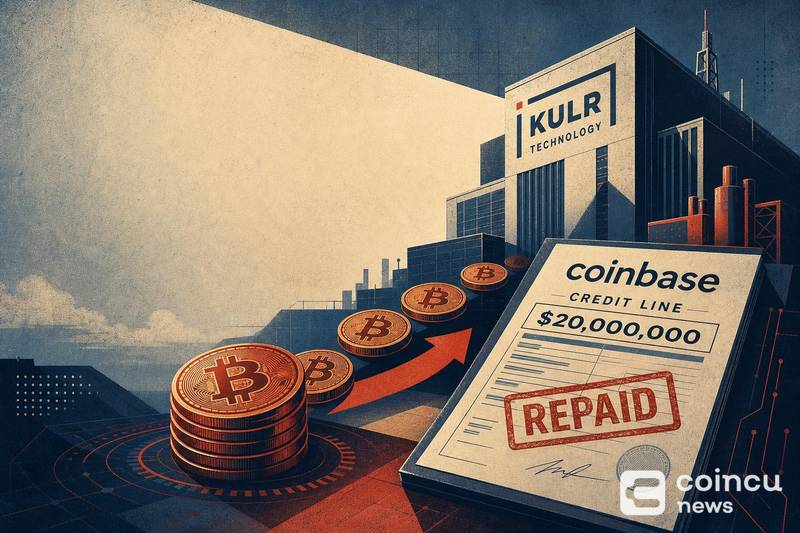
KULR sold 333 Bitcoins to close its Coinbase credit facility
KULR Technology Group used the proceeds from selling 333 BTC to fully repay a $20 million credit facility extended by Coinbase. The repayment retired the line in full rather than reducing it partially. For related coverage, see KULR Secures $20M Bitcoin-Backed Credit Facility with Coinbase.
The facility was the same Bitcoin-backed arrangement KULR had secured with Coinbase, and the company had previously signed the credit line to support its Bitcoin treasury goals. The decision to sell holdings and clear the debt was disclosed through a corporate filing with U.S. regulators.
Where the disclosure came from
The transaction was reported in a Form 8-K material event filing from KULR Technology Group. The 8-K is the vehicle public companies use to notify investors of significant developments between quarterly reports. For related coverage, see Coinbase Launches USDC-BRL Trading Pair for Users in Brazil.
Why KULR may have chosen to sell Bitcoin rather than refinance
Retiring a credit line removes the interest cost and leverage attached to the borrowing. Selling treasury Bitcoin to do so converts a held asset into immediate liquidity that directly extinguishes the liability. For related coverage, see Coinbase Launches Native INJ Support for Trading, Deposits, Withdrawals.
Debt reduction, not a treasury exit
Clearing a single financing facility does not necessarily signal a broader retreat from Bitcoin as a reserve asset. The filing describes repayment of the Coinbase line, not an announced change to KULR’s overall treasury policy.
The tradeoff is straightforward. Selling BTC forfeits any future upside on those coins in exchange for eliminating a fixed obligation, a decision that reads more as balance-sheet management than a directional bet on Bitcoin’s price.
What this signals for corporate Bitcoin treasury strategies
KULR is among the public companies that have folded Bitcoin into treasury management and, in this case, used it as collateral for financing. The repayment shows how crypto-backed credit can create a repayment obligation that a company may choose to settle by selling the underlying asset.
For other public issuers holding BTC, the episode illustrates that Bitcoin on the balance sheet can function as both a reserve and a source of liquidity to unwind debt when management decides to reduce exposure to borrowing.
How the market could read KULR’s Bitcoin sale
A full debt repayment can be viewed as financially prudent, removing leverage from the balance sheet. The same sale can also be read as reduced participation in any further Bitcoin appreciation.
Equity investors focused on KULR’s liabilities and crypto-focused observers tracking BTC conviction may weigh the identical event differently. The research available does not include verified price-impact data, so any market reaction is not quantified here.
FAQ about KULR Technology’s 333 Bitcoin sale
Why did KULR sell its Bitcoin?
The company sold the coins to generate the cash needed to fully repay its Coinbase credit facility, according to its material-event disclosure.
What was the Coinbase credit line?
It was a Bitcoin-backed credit facility Coinbase extended to KULR, which the company had earlier arranged to support its treasury objectives before repaying it in full.
Does this change KULR’s Bitcoin strategy?
The filing addresses only the repayment of this facility and does not state a formal change to KULR’s broader Bitcoin treasury approach. The company has separately moved to reduce its ATM offering by $150 million as part of ongoing capital adjustments.
Disclaimer: This article is for informational purposes only and does not constitute financial or investment advice. Cryptocurrency and digital asset markets carry significant risk. Always do your own research before making decisions.
No tags available.


Other Posts








- China, US Conclude Trade Talks with Focus on Cooperation
- Court Upholds Fed’s Rejection of Custodia Bank’s Request
- Crypto Weekly: NYSE Backs OKX, Kraken Gets Fed Access, BTC Sells
- Former CFO Convicted for $35M Fraudulent Crypto Investment
- DeriW Launches Edge Hour Trading Competition Platform for Derivatives Traders
- Michael Saylor Denies Bitcoin Sell-Off Amid Large BTC Transfer
- Buy Dogecoin on eToro: Step-by-Step Guide for Beginners (2024)
- Kazakhstan Explores Crypto Reserves Backed by National Funds
- JPMorgan Increases Holdings in BlackRock’s Bitcoin ETF
- Nordea Bank Introduces Bitcoin ETP Trading for Nordic Customers
- XRP Spot ETF Launches on Nasdaq Amid Market Fluctuations
- Peter Schiff Challenges Michael Saylor on MSTR’s Business Model
- Thailand Orders Worldcoin to Delete 1.2 Million Biometric Records
- UK Proposes New DeFi Tax Framework to Ease User Burden
- WLFI Under Fire: Analyst Warns Hyperliquid Could Be Next
- Ancient Ethereum Whale Moves $1.19 Billion After Decade
- BlackRock Receives Large Crypto Transfers from Coinbase
- SEC Scrutiny on ALT5 Sigma’s Leadership Disclosure Timing
- Yala Injects $5.5 Million Amid Recovery Efforts
- Radiant Capital Faces $50M Loss in Major Security Breach
- China, US Conclude Trade Talks with Focus on Cooperation
- Court Upholds Fed’s Rejection of Custodia Bank’s Request
- Crypto Weekly: NYSE Backs OKX, Kraken Gets Fed Access, BTC Sells
- Former CFO Convicted for $35M Fraudulent Crypto Investment
- DeriW Launches Edge Hour Trading Competition Platform for Derivatives Traders
- Michael Saylor Denies Bitcoin Sell-Off Amid Large BTC Transfer
- Buy Dogecoin on eToro: Step-by-Step Guide for Beginners (2024)
- Kazakhstan Explores Crypto Reserves Backed by National Funds
- JPMorgan Increases Holdings in BlackRock’s Bitcoin ETF
- Nordea Bank Introduces Bitcoin ETP Trading for Nordic Customers
- XRP Spot ETF Launches on Nasdaq Amid Market Fluctuations
- Peter Schiff Challenges Michael Saylor on MSTR’s Business Model
- Thailand Orders Worldcoin to Delete 1.2 Million Biometric Records
- UK Proposes New DeFi Tax Framework to Ease User Burden
- WLFI Under Fire: Analyst Warns Hyperliquid Could Be Next
- Ancient Ethereum Whale Moves $1.19 Billion After Decade
- BlackRock Receives Large Crypto Transfers from Coinbase
- SEC Scrutiny on ALT5 Sigma’s Leadership Disclosure Timing
- Yala Injects $5.5 Million Amid Recovery Efforts
- Radiant Capital Faces $50M Loss in Major Security Breach
- China, US Conclude Trade Talks with Focus on Cooperation
- Court Upholds Fed’s Rejection of Custodia Bank’s Request
- Crypto Weekly: NYSE Backs OKX, Kraken Gets Fed Access, BTC Sells
- Former CFO Convicted for $35M Fraudulent Crypto Investment
- DeriW Launches Edge Hour Trading Competition Platform for Derivatives Traders
- Michael Saylor Denies Bitcoin Sell-Off Amid Large BTC Transfer
- Buy Dogecoin on eToro: Step-by-Step Guide for Beginners (2024)
- Kazakhstan Explores Crypto Reserves Backed by National Funds
- JPMorgan Increases Holdings in BlackRock’s Bitcoin ETF
- Nordea Bank Introduces Bitcoin ETP Trading for Nordic Customers
- XRP Spot ETF Launches on Nasdaq Amid Market Fluctuations
- Peter Schiff Challenges Michael Saylor on MSTR’s Business Model
- Thailand Orders Worldcoin to Delete 1.2 Million Biometric Records
- UK Proposes New DeFi Tax Framework to Ease User Burden
- WLFI Under Fire: Analyst Warns Hyperliquid Could Be Next
- Ancient Ethereum Whale Moves $1.19 Billion After Decade
- BlackRock Receives Large Crypto Transfers from Coinbase
- SEC Scrutiny on ALT5 Sigma’s Leadership Disclosure Timing
- Yala Injects $5.5 Million Amid Recovery Efforts
- Radiant Capital Faces $50M Loss in Major Security Breach

SEC Cancels Reg Crypto Proposal and Delays Meeting Without New Date


Bitmine Immersion Technologies Announces Record and Payment Dates for Cash Dividends on 9.50% Series A Perpetual Preferred Stock
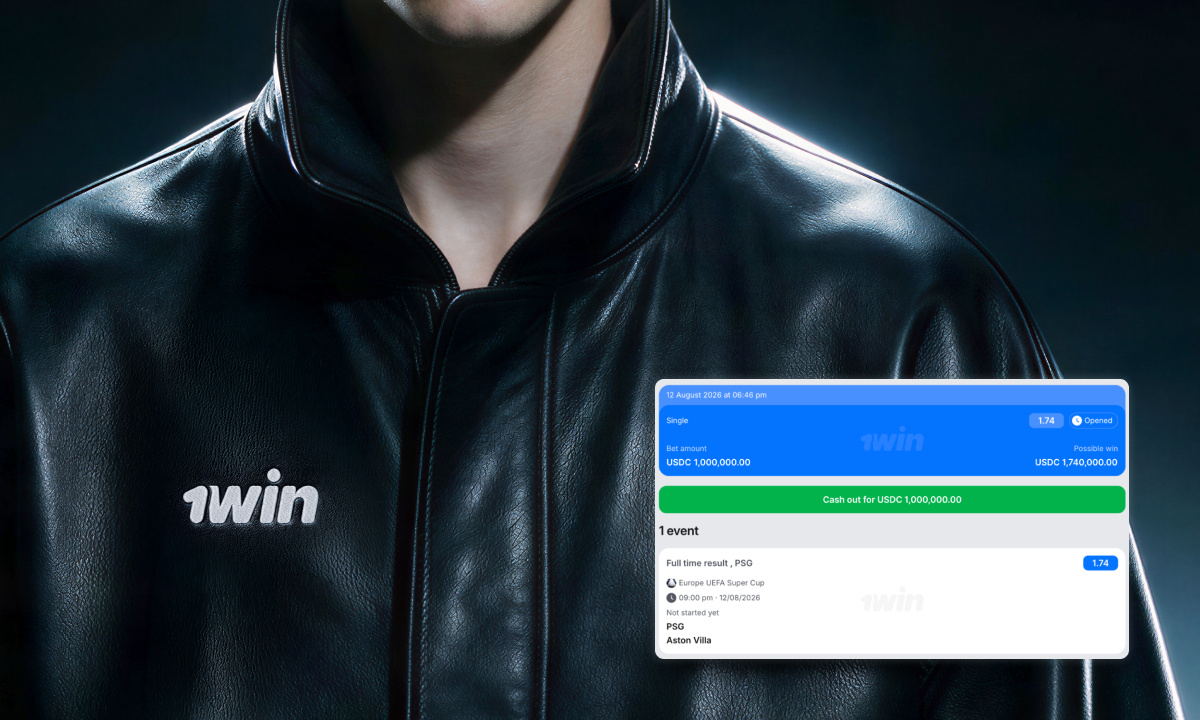
Crypto Player Takes Home $1.749M After a Million PSG Bet on 1win