Zerohash Rebuffed in U.S. Trust Bank Bid as Crypto Charter Scrutiny Deepens
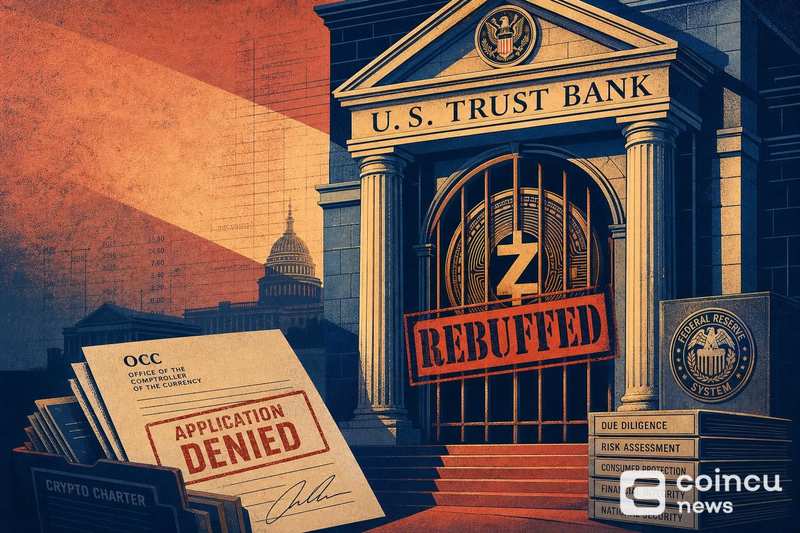
Zerohash, the crypto infrastructure firm that partners with Morgan Stanley, was rebuffed in its bid to become a U.S. trust bank, according to reporting published on August 12, 2026. The setback puts a spotlight on the Office of the Comptroller of the Currency (OCC) and the narrowing path for crypto companies seeking federal trust bank charters.
What Is Confirmed About Zerohash’s Trust Bank Setback
Zerohash’s push to secure a national trust bank charter was rebuffed, CoinDesk reported on August 12, 2026. The firm is described in that coverage as an infrastructure partner to Morgan Stanley. For related coverage, see Mastercard to Acquire Crypto Startup Zerohash for $2 Billion.
What was reported
Zerohash had publicly announced that it applied for a national trust bank charter, per the company’s own press statement. The charter would have been granted through the OCC, the federal regulator that oversees national trust bank applications. For related coverage, see Walmart's OnePay to Launch Crypto Services by 2025.
Additional context on the application and industry reaction was covered by Banking Dive, which tied the filing to Zerohash’s institutional relationships. For related coverage, see Mastercard Launches Crypto Partner Program With 85 Firms.
What is still unconfirmed
The available evidence describes a reported rebuff rather than a fully documented formal denial with published regulatory wording. The distinction between a rejection, a withdrawal, or a setback during processing is not resolved in the current source set.
Why a National Trust Charter Matters for Zerohash and Its Institutional Clients
Why Zerohash wanted the charter
A national trust bank charter is a federal license issued through the OCC that can support activities such as custody and regulated financial infrastructure. Zerohash framed its application as a step tied to serving institutional channels, per its public messaging on X.
Why institutions care
Zerohash already provides rails for large payment and financial firms; it recently expanded work with card networks, including Visa’s stablecoin payouts routed via Zerohash rails. A federal charter would have deepened that institutional positioning, which is why the reported setback is significant for onboarding rather than retail activity.
The firm’s institutional footprint has also drawn strategic interest from Mastercard, which has explored an investment in Zerohash, underscoring why a bank-grade charter carries weight for its partners.
How the OCC’s Crypto Charter Posture Shapes the Story
The OCC processes and grants national trust bank charters, and it maintains a public index of digital-asset licensing applications. That page is the clearest official reference point for tracking the status of crypto charter filings.
Why OCC gatekeeping matters now
A rebuff at the federal level signals that OCC approval remains a real gate for crypto firms, separate from company announcements. The regulatory process and a company’s public messaging are distinct, and the current evidence does not confirm the OCC’s internal reasoning.
What Remains Unclear After the Reported Rebuff
The available evidence base on this story is incomplete, and several core questions are unresolved. It is not confirmed whether Zerohash can appeal, reapply, or pursue a revised charter strategy.
What the OCC has not clarified
The OCC has not published, within the available sources, formal wording explaining the outcome or its status in the licensing pipeline.
What Zerohash has not detailed
Zerohash’s public materials confirm the application but do not, in the available evidence, detail a next-step plan following the reported rebuff.
What to Watch Next
The most concrete future signal is the OCC’s digital-assets licensing applications page, where status changes or new filings would appear. Company statements from Zerohash on any revised charter approach are the other near-term catalyst.
Did the OCC formally deny Zerohash?
The available reporting describes a rebuff as of August 12, 2026, but does not confirm a formally published denial with regulatory wording.
What is a national trust bank charter?
It is a federal license issued through the OCC that can enable trust and custody-related activities under national supervision.
Why does this matter for institutional crypto services?
Zerohash serves institutional and payment-network clients, so a federal charter would have strengthened its regulated infrastructure, making the reported setback relevant to institutional onboarding.
Disclaimer: This article is for informational purposes only and does not constitute financial or investment advice. Cryptocurrency and digital asset markets carry significant risk. Always do your own research before making decisions.
No tags available.


Other Posts








- China, US Conclude Trade Talks with Focus on Cooperation
- Crypto Weekly: NYSE Backs OKX, Kraken Gets Fed Access, BTC Sells
- Court Upholds Fed’s Rejection of Custodia Bank’s Request
- Former CFO Convicted for $35M Fraudulent Crypto Investment
- DeriW Launches Edge Hour Trading Competition Platform for Derivatives Traders
- Michael Saylor Denies Bitcoin Sell-Off Amid Large BTC Transfer
- Buy Dogecoin on eToro: Step-by-Step Guide for Beginners (2024)
- Kazakhstan Explores Crypto Reserves Backed by National Funds
- JPMorgan Increases Holdings in BlackRock’s Bitcoin ETF
- Nordea Bank Introduces Bitcoin ETP Trading for Nordic Customers
- XRP Spot ETF Launches on Nasdaq Amid Market Fluctuations
- Peter Schiff Challenges Michael Saylor on MSTR’s Business Model
- Thailand Orders Worldcoin to Delete 1.2 Million Biometric Records
- UK Proposes New DeFi Tax Framework to Ease User Burden
- WLFI Under Fire: Analyst Warns Hyperliquid Could Be Next
- Ancient Ethereum Whale Moves $1.19 Billion After Decade
- BlackRock Receives Large Crypto Transfers from Coinbase
- SEC Scrutiny on ALT5 Sigma’s Leadership Disclosure Timing
- Yala Injects $5.5 Million Amid Recovery Efforts
- Radiant Capital Faces $50M Loss in Major Security Breach
- China, US Conclude Trade Talks with Focus on Cooperation
- Crypto Weekly: NYSE Backs OKX, Kraken Gets Fed Access, BTC Sells
- Court Upholds Fed’s Rejection of Custodia Bank’s Request
- Former CFO Convicted for $35M Fraudulent Crypto Investment
- DeriW Launches Edge Hour Trading Competition Platform for Derivatives Traders
- Michael Saylor Denies Bitcoin Sell-Off Amid Large BTC Transfer
- Buy Dogecoin on eToro: Step-by-Step Guide for Beginners (2024)
- Kazakhstan Explores Crypto Reserves Backed by National Funds
- JPMorgan Increases Holdings in BlackRock’s Bitcoin ETF
- Nordea Bank Introduces Bitcoin ETP Trading for Nordic Customers
- XRP Spot ETF Launches on Nasdaq Amid Market Fluctuations
- Peter Schiff Challenges Michael Saylor on MSTR’s Business Model
- Thailand Orders Worldcoin to Delete 1.2 Million Biometric Records
- UK Proposes New DeFi Tax Framework to Ease User Burden
- WLFI Under Fire: Analyst Warns Hyperliquid Could Be Next
- Ancient Ethereum Whale Moves $1.19 Billion After Decade
- BlackRock Receives Large Crypto Transfers from Coinbase
- SEC Scrutiny on ALT5 Sigma’s Leadership Disclosure Timing
- Yala Injects $5.5 Million Amid Recovery Efforts
- Radiant Capital Faces $50M Loss in Major Security Breach
- China, US Conclude Trade Talks with Focus on Cooperation
- Crypto Weekly: NYSE Backs OKX, Kraken Gets Fed Access, BTC Sells
- Court Upholds Fed’s Rejection of Custodia Bank’s Request
- Former CFO Convicted for $35M Fraudulent Crypto Investment
- DeriW Launches Edge Hour Trading Competition Platform for Derivatives Traders
- Michael Saylor Denies Bitcoin Sell-Off Amid Large BTC Transfer
- Buy Dogecoin on eToro: Step-by-Step Guide for Beginners (2024)
- Kazakhstan Explores Crypto Reserves Backed by National Funds
- JPMorgan Increases Holdings in BlackRock’s Bitcoin ETF
- Nordea Bank Introduces Bitcoin ETP Trading for Nordic Customers
- XRP Spot ETF Launches on Nasdaq Amid Market Fluctuations
- Peter Schiff Challenges Michael Saylor on MSTR’s Business Model
- Thailand Orders Worldcoin to Delete 1.2 Million Biometric Records
- UK Proposes New DeFi Tax Framework to Ease User Burden
- WLFI Under Fire: Analyst Warns Hyperliquid Could Be Next
- Ancient Ethereum Whale Moves $1.19 Billion After Decade
- BlackRock Receives Large Crypto Transfers from Coinbase
- SEC Scrutiny on ALT5 Sigma’s Leadership Disclosure Timing
- Yala Injects $5.5 Million Amid Recovery Efforts
- Radiant Capital Faces $50M Loss in Major Security Breach

Zerohash Rebuffed in U.S. Trust Bank Bid as Crypto Charter Scrutiny Deepens

ForumPay Expands Payment Infrastructure with New Card and Bank Transfer Acceptance Solution

Newest Assets, Improved User Promotions & Much Greater Crypto Experience_ Xxkk Trade Exchange Reinforces Its Trade Environment