BTCPay Server Supporters Offer 3 BTC Recovery Bounty After Critical Exploit
Supporters of BTCPay Server, the open-source, self-hosted Bitcoin payment processor, have put forward a 3 BTC recovery bounty following a critical exploit affecting the project, in a bid to incentivize the return of impacted funds and support remediation efforts.

What we know about the BTCPay Server exploit
The incident centers on BTCPay Server, a widely used self-hosted tool that lets merchants accept Bitcoin payments without a third-party intermediary. The situation was serious enough to prompt a public, Bitcoin-denominated recovery bounty rather than a routine patch notice, as reported by Bitcoin Magazine. For related coverage, see Bitcoin ATMs Pulled in Australia as Regulators Signal Wider Crackdown.
The project maintains a public record of fixes and changes in its official changelog, where users can track remediation and version updates directly from the source. Beyond the confirmed existence of the exploit and the bounty response, precise technical details, including the exact vulnerability and the scale of any losses, remain unclear from available information. For related coverage, see Bitwise’s Rasmussen Says Circle Is Mispriced on Stablecoin Growth Outlook.
Readers should treat unconfirmed specifics with caution. What is established is narrow: BTCPay Server was affected by a critical issue, and its supporters responded with a recovery incentive. For related coverage, see BlackRock Says Bitcoin Sentiment Turns as Stocks Decouple.
Why supporters offered a 3 BTC recovery bounty
The response takes the form of a 3 BTC bounty aimed at recovering affected funds, according to BTCPay Server’s official account on X. Framing the offer in Bitcoin rather than a fixed dollar figure keeps the incentive native to the ecosystem the project serves.
A recovery bounty is both a crisis-response measure and a signal of community urgency. Rather than issuing only a technical advisory, supporters attached a direct financial incentive, underscoring how seriously the exploit is being treated. The approach mirrors a broader trend in which bug bounty activity has risen alongside crypto losses.
What the incident means for BTCPay Server users and merchants
For merchants and operators who rely on BTCPay Server, a critical exploit carries real operational and trust implications. The presence of a recovery bounty suggests the issue went beyond a theoretical flaw and touched actual funds or infrastructure.
Self-hosted payment infrastructure gives operators control, but it also places security responsibility on them directly. Incidents involving Bitcoin payment tooling are not unprecedented; a separate case saw an exploit drain Bitcoin Lightning payment servers, highlighting the stakes for merchant-facing systems.
Users concerned about exposure should monitor official remediation updates, including the project’s changelog and its GitHub release notes, rather than acting on unverified secondhand claims. This is not financial advice, and affected versions or exact loss figures should not be assumed absent confirmation.
How the response could shape Bitcoin payment infrastructure security
Exploit response can matter as much as exploit discovery. By pairing disclosure with a recovery incentive, BTCPay Server’s supporters emphasized restitution and resilience over damage control alone, a posture that can influence how confidence in merchant-facing Bitcoin tools recovers.
Security incidents inevitably test trust in self-hosted crypto infrastructure. A transparent, incentive-backed response offers a more balanced picture: the ecosystem’s tools are not immune to serious bugs, but the willingness to fund recovery and publish fixes openly is part of what keeps them resilient.
FAQ about the BTCPay Server exploit and 3 BTC recovery bounty
What is BTCPay Server? It is an open-source, self-hosted Bitcoin payment processor that lets merchants accept payments without relying on a third-party intermediary.
What is the 3 BTC bounty for? The bounty was offered by supporters as an incentive tied to recovering funds affected by the critical exploit, per the project’s official statement on X.
Should users take immediate precautions? Users should follow official remediation guidance and version updates on the project’s GitHub rather than acting on unconfirmed reports. This article does not constitute financial advice.
What should readers watch next? Watch the official changelog and release notes for confirmed details on the vulnerability, affected versions, and the outcome of the recovery effort.
Disclaimer: This article is for informational purposes only and does not constitute financial or investment advice. Cryptocurrency and digital asset markets carry significant risk. Always do your own research before making decisions.
No tags available.


Other Posts








- China, US Conclude Trade Talks with Focus on Cooperation
- Crypto Weekly: NYSE Backs OKX, Kraken Gets Fed Access, BTC Sells
- Court Upholds Fed’s Rejection of Custodia Bank’s Request
- Former CFO Convicted for $35M Fraudulent Crypto Investment
- DeriW Launches Edge Hour Trading Competition Platform for Derivatives Traders
- Michael Saylor Denies Bitcoin Sell-Off Amid Large BTC Transfer
- Buy Dogecoin on eToro: Step-by-Step Guide for Beginners (2024)
- Kazakhstan Explores Crypto Reserves Backed by National Funds
- JPMorgan Increases Holdings in BlackRock’s Bitcoin ETF
- Nordea Bank Introduces Bitcoin ETP Trading for Nordic Customers
- XRP Spot ETF Launches on Nasdaq Amid Market Fluctuations
- Peter Schiff Challenges Michael Saylor on MSTR’s Business Model
- Thailand Orders Worldcoin to Delete 1.2 Million Biometric Records
- UK Proposes New DeFi Tax Framework to Ease User Burden
- WLFI Under Fire: Analyst Warns Hyperliquid Could Be Next
- Ancient Ethereum Whale Moves $1.19 Billion After Decade
- BlackRock Receives Large Crypto Transfers from Coinbase
- SEC Scrutiny on ALT5 Sigma’s Leadership Disclosure Timing
- Yala Injects $5.5 Million Amid Recovery Efforts
- Radiant Capital Faces $50M Loss in Major Security Breach
- China, US Conclude Trade Talks with Focus on Cooperation
- Crypto Weekly: NYSE Backs OKX, Kraken Gets Fed Access, BTC Sells
- Court Upholds Fed’s Rejection of Custodia Bank’s Request
- Former CFO Convicted for $35M Fraudulent Crypto Investment
- DeriW Launches Edge Hour Trading Competition Platform for Derivatives Traders
- Michael Saylor Denies Bitcoin Sell-Off Amid Large BTC Transfer
- Buy Dogecoin on eToro: Step-by-Step Guide for Beginners (2024)
- Kazakhstan Explores Crypto Reserves Backed by National Funds
- JPMorgan Increases Holdings in BlackRock’s Bitcoin ETF
- Nordea Bank Introduces Bitcoin ETP Trading for Nordic Customers
- XRP Spot ETF Launches on Nasdaq Amid Market Fluctuations
- Peter Schiff Challenges Michael Saylor on MSTR’s Business Model
- Thailand Orders Worldcoin to Delete 1.2 Million Biometric Records
- UK Proposes New DeFi Tax Framework to Ease User Burden
- WLFI Under Fire: Analyst Warns Hyperliquid Could Be Next
- Ancient Ethereum Whale Moves $1.19 Billion After Decade
- BlackRock Receives Large Crypto Transfers from Coinbase
- SEC Scrutiny on ALT5 Sigma’s Leadership Disclosure Timing
- Yala Injects $5.5 Million Amid Recovery Efforts
- Radiant Capital Faces $50M Loss in Major Security Breach
- China, US Conclude Trade Talks with Focus on Cooperation
- Crypto Weekly: NYSE Backs OKX, Kraken Gets Fed Access, BTC Sells
- Court Upholds Fed’s Rejection of Custodia Bank’s Request
- Former CFO Convicted for $35M Fraudulent Crypto Investment
- DeriW Launches Edge Hour Trading Competition Platform for Derivatives Traders
- Michael Saylor Denies Bitcoin Sell-Off Amid Large BTC Transfer
- Buy Dogecoin on eToro: Step-by-Step Guide for Beginners (2024)
- Kazakhstan Explores Crypto Reserves Backed by National Funds
- JPMorgan Increases Holdings in BlackRock’s Bitcoin ETF
- Nordea Bank Introduces Bitcoin ETP Trading for Nordic Customers
- XRP Spot ETF Launches on Nasdaq Amid Market Fluctuations
- Peter Schiff Challenges Michael Saylor on MSTR’s Business Model
- Thailand Orders Worldcoin to Delete 1.2 Million Biometric Records
- UK Proposes New DeFi Tax Framework to Ease User Burden
- WLFI Under Fire: Analyst Warns Hyperliquid Could Be Next
- Ancient Ethereum Whale Moves $1.19 Billion After Decade
- BlackRock Receives Large Crypto Transfers from Coinbase
- SEC Scrutiny on ALT5 Sigma’s Leadership Disclosure Timing
- Yala Injects $5.5 Million Amid Recovery Efforts
- Radiant Capital Faces $50M Loss in Major Security Breach

BTCPay Server Supporters Offer 3 BTC Recovery Bounty After Critical Exploit

Bitcoin ATMs Pulled in Australia as Regulators Signal Wider Crackdown

Bitwise’s Rasmussen Says Circle Is Mispriced on Stablecoin Growth Outlook

Syntetika Launches Tokenization Hub Bringing Regulated Investment Strategies Onchain
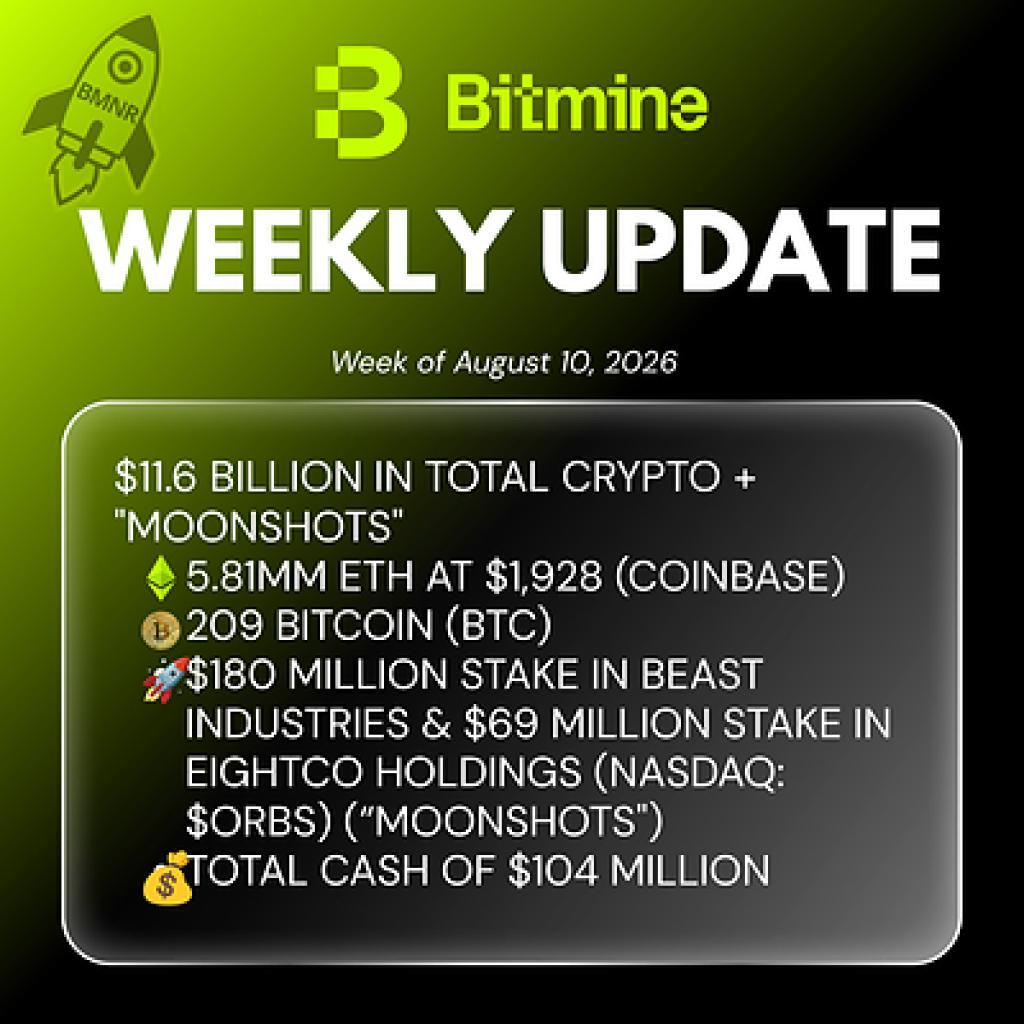
Bitmine Immersion Technologies (BMNR) Announces ETH Holdings Reach 5.81 Million Tokens, and Total Crypto and Total Cash Holdings of $11.6 Billion