Hedge funds have moved to reduce their structural bitcoin short positions on the CME, a rare shift in institutional futures positioning that is tracked through weekly regulatory disclosures rather than headline price action.
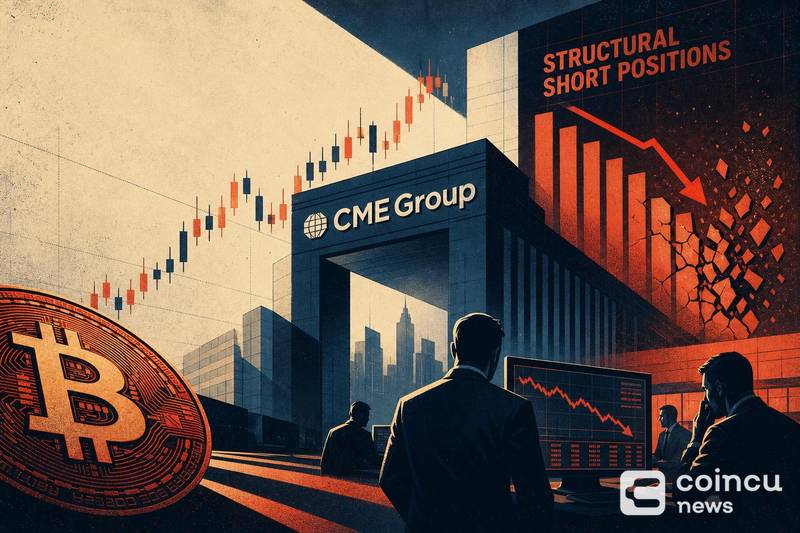
What changed in CME hedge fund bitcoin short positions
The change concerns leveraged-fund positioning in CME bitcoin futures, the category that captures much of the hedge fund activity in regulated crypto derivatives. Long and short exposure by trader type is broken out weekly in the CFTC financial futures report. For related coverage, see Top Bitcoin ETFs by AUM in 2026: Structure, Fee Posture, and Category Role Compared.
What makes the move notable is that hedge funds have historically carried a persistent, structural short in CME bitcoin futures. A reduction in that base level of short exposure is unusual relative to the steady pattern institutions have run, rather than a routine week-to-week fluctuation in open interest. For related coverage, see BMAG Brings a Full Trading Card Expo to Bitcoin Asia 2026.
This is a shift in structural positioning, not necessarily a directional bearish-to-bullish flip. Structural shorts are typically tied to hedged strategies, so trimming them says more about the mechanics of those trades than about a fresh bet on bitcoin’s price. For related coverage, see Bitcoin Nears $70K as US–Iran Military Escalation Drives Macro Volatility.
Why structural bitcoin shorts exist on CME in the first place
Structural short positions are futures shorts that funds hold as part of a hedge rather than as an outright wager that prices will fall. The most common example is the cash-and-carry, or basis, trade: a fund buys spot bitcoin exposure and sells CME futures against it to capture the premium between the two. The methodology behind these trader classifications is documented in the CFTC Commitments of Traders program. For related coverage, see Solo Bitcoin Miner Hits Jackpot, Scoring $200K BTC Reward.
Because the futures leg is short and the spot leg is long, a fund running this trade can be neutral or even bullish on bitcoin overall while still showing up as short in the CME data. The short is a financing and arbitrage tool, not a conviction call.
That distinction matters for interpretation. A fund can hold sizable spot bitcoin, including exposure gained through vehicles such as the largest spot bitcoin ETFs by assets under management, and simultaneously carry an offsetting futures short. Reading the short in isolation overstates how bearish institutional players actually are.
What the reduction could signal for bitcoin sentiment and liquidity
Because these shorts are structural, a reduction most plausibly reflects the basis trade becoming less attractive rather than a directional signal. When the premium between spot and futures compresses, the arbitrage return shrinks, and funds have less reason to keep the hedged position open.
There is a more constructive reading as well, in which trimming shorts eases some mechanical selling pressure on futures and reflects steadier risk appetite. But the neutral interpretation, a shrinking arbitrage opportunity, is equally consistent with the same positioning data, so the shift should not be treated as a guaranteed bullish catalyst for bitcoin.
How basis trades, ETF flows, and macro conditions fit the setup
Several conditions can prompt funds to trim structural shorts at once. Basis compression is the most direct driver, but shifting spot demand and financing costs also change the math on hedged futures trades.
ETF-related flows feed into this, since spot demand routed through regulated funds influences the spot leg that basis traders hold against their CME shorts. The ETF landscape has been uneven, with providers such as Hashdex moving to wind down a struggling bitcoin ETF, underscoring how variable that demand can be.
Macro conditions round out the picture. Periods of elevated volatility, such as when bitcoin traded near $70,000 amid US-Iran military escalation, can change the attractiveness of running hedged futures positions and prompt funds to adjust their structural exposure.
FAQ about CME hedge fund shorts and bitcoin market impact
What are structural bitcoin short positions?
They are futures shorts that hedge funds hold as a standing part of a hedged strategy, most often the cash-and-carry trade, rather than as an outright bet that bitcoin will fall.
Is reducing shorts bullish for BTC?
Not automatically. A reduction can reflect steadier risk appetite, but it can equally reflect a shrinking basis premium that makes the hedged trade less profitable, which is a neutral signal.
Why does CME positioning matter to bitcoin traders?
CME is the main regulated venue for institutional bitcoin futures, so its trader-category data offers one of the clearer windows into how hedge funds are actually positioned.
Disclaimer: This article is for informational purposes only and does not constitute financial or investment advice. Cryptocurrency and digital asset markets carry significant risk. Always do your own research before making decisions.
No tags available.


Other Posts








- China, US Conclude Trade Talks with Focus on Cooperation
- Crypto Weekly: NYSE Backs OKX, Kraken Gets Fed Access, BTC Sells
- Court Upholds Fed’s Rejection of Custodia Bank’s Request
- Former CFO Convicted for $35M Fraudulent Crypto Investment
- DeriW Launches Edge Hour Trading Competition Platform for Derivatives Traders
- Michael Saylor Denies Bitcoin Sell-Off Amid Large BTC Transfer
- Buy Dogecoin on eToro: Step-by-Step Guide for Beginners (2024)
- Kazakhstan Explores Crypto Reserves Backed by National Funds
- JPMorgan Increases Holdings in BlackRock’s Bitcoin ETF
- Nordea Bank Introduces Bitcoin ETP Trading for Nordic Customers
- XRP Spot ETF Launches on Nasdaq Amid Market Fluctuations
- Peter Schiff Challenges Michael Saylor on MSTR’s Business Model
- Thailand Orders Worldcoin to Delete 1.2 Million Biometric Records
- UK Proposes New DeFi Tax Framework to Ease User Burden
- WLFI Under Fire: Analyst Warns Hyperliquid Could Be Next
- Ancient Ethereum Whale Moves $1.19 Billion After Decade
- BlackRock Receives Large Crypto Transfers from Coinbase
- SEC Scrutiny on ALT5 Sigma’s Leadership Disclosure Timing
- Yala Injects $5.5 Million Amid Recovery Efforts
- Radiant Capital Faces $50M Loss in Major Security Breach
- China, US Conclude Trade Talks with Focus on Cooperation
- Crypto Weekly: NYSE Backs OKX, Kraken Gets Fed Access, BTC Sells
- Court Upholds Fed’s Rejection of Custodia Bank’s Request
- Former CFO Convicted for $35M Fraudulent Crypto Investment
- DeriW Launches Edge Hour Trading Competition Platform for Derivatives Traders
- Michael Saylor Denies Bitcoin Sell-Off Amid Large BTC Transfer
- Buy Dogecoin on eToro: Step-by-Step Guide for Beginners (2024)
- Kazakhstan Explores Crypto Reserves Backed by National Funds
- JPMorgan Increases Holdings in BlackRock’s Bitcoin ETF
- Nordea Bank Introduces Bitcoin ETP Trading for Nordic Customers
- XRP Spot ETF Launches on Nasdaq Amid Market Fluctuations
- Peter Schiff Challenges Michael Saylor on MSTR’s Business Model
- Thailand Orders Worldcoin to Delete 1.2 Million Biometric Records
- UK Proposes New DeFi Tax Framework to Ease User Burden
- WLFI Under Fire: Analyst Warns Hyperliquid Could Be Next
- Ancient Ethereum Whale Moves $1.19 Billion After Decade
- BlackRock Receives Large Crypto Transfers from Coinbase
- SEC Scrutiny on ALT5 Sigma’s Leadership Disclosure Timing
- Yala Injects $5.5 Million Amid Recovery Efforts
- Radiant Capital Faces $50M Loss in Major Security Breach
- China, US Conclude Trade Talks with Focus on Cooperation
- Crypto Weekly: NYSE Backs OKX, Kraken Gets Fed Access, BTC Sells
- Court Upholds Fed’s Rejection of Custodia Bank’s Request
- Former CFO Convicted for $35M Fraudulent Crypto Investment
- DeriW Launches Edge Hour Trading Competition Platform for Derivatives Traders
- Michael Saylor Denies Bitcoin Sell-Off Amid Large BTC Transfer
- Buy Dogecoin on eToro: Step-by-Step Guide for Beginners (2024)
- Kazakhstan Explores Crypto Reserves Backed by National Funds
- JPMorgan Increases Holdings in BlackRock’s Bitcoin ETF
- Nordea Bank Introduces Bitcoin ETP Trading for Nordic Customers
- XRP Spot ETF Launches on Nasdaq Amid Market Fluctuations
- Peter Schiff Challenges Michael Saylor on MSTR’s Business Model
- Thailand Orders Worldcoin to Delete 1.2 Million Biometric Records
- UK Proposes New DeFi Tax Framework to Ease User Burden
- WLFI Under Fire: Analyst Warns Hyperliquid Could Be Next
- Ancient Ethereum Whale Moves $1.19 Billion After Decade
- BlackRock Receives Large Crypto Transfers from Coinbase
- SEC Scrutiny on ALT5 Sigma’s Leadership Disclosure Timing
- Yala Injects $5.5 Million Amid Recovery Efforts
- Radiant Capital Faces $50M Loss in Major Security Breach



North Korea’s Kimsuky Uses AI in Crypto and Finance Cyberattacks

Cashelix Launches CASX Token Presale to Fuel the Future of Blockchain P2P Transactions
Bybit Sues North Korea and Lazarus Group, Secures Preliminary Injunction Freezing Stolen Assets in Landmark Crypto Asset Recovery Effort