Bitcoin Rises Above $65,000 After Weaker-Than-Expected U.S. Jobs Data
Bitcoin rose above $65,000 after weaker-than-expected U.S. jobs data undercut the labor market outlook and gave crypto traders a fresh macro catalyst to bid risk assets higher.
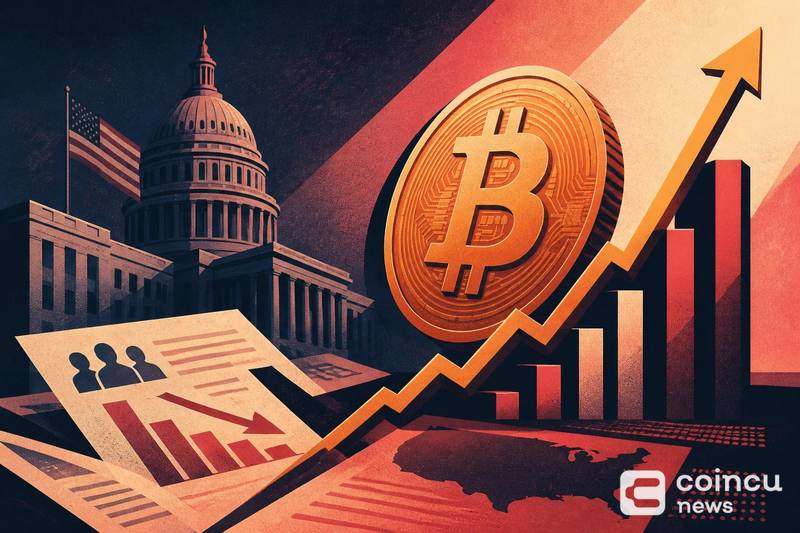
The payroll shock supplied the immediate catalyst
On August 7, 2026, the U.S. Bureau of Labor Statistics said nonfarm payroll employment changed little at -23,000 in July, while the unemployment rate held at 4.1%. That combination mattered because the official report pointed to a weaker hiring backdrop just as bitcoin was testing a key psychological level.
The same Employment Situation report showed the labor force participation rate slipping to 61.4%. That detail reinforced the softer tone of the release because it suggested the labor market lost breadth as well as payroll momentum.
Verified reporting from CoinDesk said the July result landed far below the cited 80,000-job consensus, and that June was revised down to 20,000 from 57,000. The downward revision mattered because it widened the gap between official labor data and the stronger picture many traders had expected before the release.
CoinDesk’s live update said bitcoin turned modestly higher in the immediate aftermath of the report, and $65,200 was later cited by The Block as the market regained footing, up nearly 2% on the day. Together, those reports show the rally was not just a headline print but an immediate repricing in crypto markets.
Why soft labor data can lift bitcoin
The macro logic starts with the official data itself: a -23,000 payroll reading, a steady 4.1% unemployment rate, and a lower 61.4% participation rate can all weaken the case for tighter monetary policy. Bitcoin tends to react when those metrics push traders to rethink rate expectations, the U.S. dollar, and Treasury yields.
A single source, The Block, reported that the jobs miss could lead markets to price out a September Federal Reserve hike, but that interpretation remains unconfirmed rather than official policy guidance. The point is useful as trader context, not as a settled Federal Reserve outcome. For related coverage, see Bitcoin Rises Above $65,000 After June U.S. PPI Misses Forecasts.
“This is a massive surprise and could see the markets completely price out a hike in September.” For related coverage, see Bitcoin Breaks Above $60,000: What’s Driving BTC’s Latest Move?.
Kyle Rodda via The Block
That reading also helps explain why bitcoin can rally on weak economic news. When official labor indicators such as payrolls and participation disappoint, traders often focus less on growth and more on whether liquidity conditions may eventually improve for macro-sensitive assets.
That pattern is consistent with Coincu’s earlier coverage of Bitcoin Breaks Above $60,000: What’s Driving BTC’s Latest Move?, where the emphasis was also on the catalyst behind a round-number move rather than on long-range price forecasts. For related coverage, see USDT Premium in India Rises Above 8.5%: What It Means for Crypto Markets.
What traders are watching after the spike
By research time, CoinGecko showed bitcoin at $64,759, which meant the intraday burst had already cooled back below the headline threshold. That makes the next session important because traders now need evidence that the move can hold rather than fade. For related coverage, see BTC Short Liquidations Could Hit $1.93B if Bitcoin Breaks $66,155.
The same CoinGecko snapshot implied a market cap of roughly $1.30 trillion and 24-hour volume near $20.93 billion. Those figures show there was enough activity to validate a real reaction, but not enough yet to prove that the breakout had fully stuck by research time.
For near-term levels, traders can compare this macro-driven move with Coincu’s report that 50% of Bitcoin Supply Moved Above $59K, Data Shows, which highlighted a lower cost-basis zone, and with the separate trigger outlined in BTC Short Liquidations Could Hit $1.93B if Bitcoin Breaks $66,155. In practice, that means the market now has to decide whether the post-jobs rally can build toward fresh squeeze territory or drop back into its prior range.
The Block also cited market analyst Ryan Lee as warning that any follow-through still depends on positioning rather than headlines alone. That matters because even a bullish macro surprise can stall if the first price response exhausts itself too quickly.
“Any durable move higher is likely only after volatility has flushed weaker positioning.”
Ryan Lee via The Block
The next macro signals matter more than the headline alone
The jobs print was a powerful trigger, but it was still only one data release. Because the official July payroll decline arrived alongside a lower participation rate and a downward June revision, traders will now look to inflation data and Federal Reserve messaging to see whether the softer macro story holds.
CoinDesk’s broader market coverage also framed other cross-asset forces, including oil, as part of the backdrop. That is a reminder that this story is macro rather than regulatory: bitcoin reacted to a labor-market surprise, but its next move still depends on how risk sentiment evolves across financial markets.
The revision story is also part of the signal. When June payrolls were cut to 20,000 from 57,000, the market was not just reacting to one weak month, it was reacting to a softer recent trend in the labor data sequence.
FAQ
Why did bitcoin rise after weak jobs data?
The official trigger was the softer U.S. labor report, which showed -23,000 payrolls, a steady 4.1% unemployment rate, and 61.4% participation. A single source, The Block, said traders interpreted that as reducing the odds of a September hike, but that remains an informed market read rather than an official Federal Reserve signal.
Is the rally a confirmed breakout?
Not yet on the evidence in this brief. CoinGecko’s $64,759 research-time reading showed the market had already pulled back from its intraday high, so confirmation depends on whether bitcoin can hold higher levels in subsequent trading rather than briefly tag them.
What economic data could move bitcoin next?
Inflation releases and Federal Reserve communication are the obvious next checkpoints because they will either reinforce or weaken the message from the latest Employment Situation report. If those signals line up with the softer labor picture, the macro argument behind the rally becomes easier for traders to defend.
Disclaimer: This article is for informational purposes only and does not constitute financial or investment advice. Cryptocurrency and digital asset markets carry significant risk. Always do your own research before making decisions.
No tags available.


Other Posts








- China, US Conclude Trade Talks with Focus on Cooperation
- Crypto Weekly: NYSE Backs OKX, Kraken Gets Fed Access, BTC Sells
- Court Upholds Fed’s Rejection of Custodia Bank’s Request
- Former CFO Convicted for $35M Fraudulent Crypto Investment
- DeriW Launches Edge Hour Trading Competition Platform for Derivatives Traders
- Michael Saylor Denies Bitcoin Sell-Off Amid Large BTC Transfer
- Buy Dogecoin on eToro: Step-by-Step Guide for Beginners (2024)
- Kazakhstan Explores Crypto Reserves Backed by National Funds
- JPMorgan Increases Holdings in BlackRock’s Bitcoin ETF
- Nordea Bank Introduces Bitcoin ETP Trading for Nordic Customers
- XRP Spot ETF Launches on Nasdaq Amid Market Fluctuations
- Peter Schiff Challenges Michael Saylor on MSTR’s Business Model
- Thailand Orders Worldcoin to Delete 1.2 Million Biometric Records
- UK Proposes New DeFi Tax Framework to Ease User Burden
- WLFI Under Fire: Analyst Warns Hyperliquid Could Be Next
- Ancient Ethereum Whale Moves $1.19 Billion After Decade
- BlackRock Receives Large Crypto Transfers from Coinbase
- SEC Scrutiny on ALT5 Sigma’s Leadership Disclosure Timing
- Yala Injects $5.5 Million Amid Recovery Efforts
- Radiant Capital Faces $50M Loss in Major Security Breach
- China, US Conclude Trade Talks with Focus on Cooperation
- Crypto Weekly: NYSE Backs OKX, Kraken Gets Fed Access, BTC Sells
- Court Upholds Fed’s Rejection of Custodia Bank’s Request
- Former CFO Convicted for $35M Fraudulent Crypto Investment
- DeriW Launches Edge Hour Trading Competition Platform for Derivatives Traders
- Michael Saylor Denies Bitcoin Sell-Off Amid Large BTC Transfer
- Buy Dogecoin on eToro: Step-by-Step Guide for Beginners (2024)
- Kazakhstan Explores Crypto Reserves Backed by National Funds
- JPMorgan Increases Holdings in BlackRock’s Bitcoin ETF
- Nordea Bank Introduces Bitcoin ETP Trading for Nordic Customers
- XRP Spot ETF Launches on Nasdaq Amid Market Fluctuations
- Peter Schiff Challenges Michael Saylor on MSTR’s Business Model
- Thailand Orders Worldcoin to Delete 1.2 Million Biometric Records
- UK Proposes New DeFi Tax Framework to Ease User Burden
- WLFI Under Fire: Analyst Warns Hyperliquid Could Be Next
- Ancient Ethereum Whale Moves $1.19 Billion After Decade
- BlackRock Receives Large Crypto Transfers from Coinbase
- SEC Scrutiny on ALT5 Sigma’s Leadership Disclosure Timing
- Yala Injects $5.5 Million Amid Recovery Efforts
- Radiant Capital Faces $50M Loss in Major Security Breach
- China, US Conclude Trade Talks with Focus on Cooperation
- Crypto Weekly: NYSE Backs OKX, Kraken Gets Fed Access, BTC Sells
- Court Upholds Fed’s Rejection of Custodia Bank’s Request
- Former CFO Convicted for $35M Fraudulent Crypto Investment
- DeriW Launches Edge Hour Trading Competition Platform for Derivatives Traders
- Michael Saylor Denies Bitcoin Sell-Off Amid Large BTC Transfer
- Buy Dogecoin on eToro: Step-by-Step Guide for Beginners (2024)
- Kazakhstan Explores Crypto Reserves Backed by National Funds
- JPMorgan Increases Holdings in BlackRock’s Bitcoin ETF
- Nordea Bank Introduces Bitcoin ETP Trading for Nordic Customers
- XRP Spot ETF Launches on Nasdaq Amid Market Fluctuations
- Peter Schiff Challenges Michael Saylor on MSTR’s Business Model
- Thailand Orders Worldcoin to Delete 1.2 Million Biometric Records
- UK Proposes New DeFi Tax Framework to Ease User Burden
- WLFI Under Fire: Analyst Warns Hyperliquid Could Be Next
- Ancient Ethereum Whale Moves $1.19 Billion After Decade
- BlackRock Receives Large Crypto Transfers from Coinbase
- SEC Scrutiny on ALT5 Sigma’s Leadership Disclosure Timing
- Yala Injects $5.5 Million Amid Recovery Efforts
- Radiant Capital Faces $50M Loss in Major Security Breach




Carbon Launches TradFi-Native On-Chain Derivatives Venue With 950+ Markets in One Account
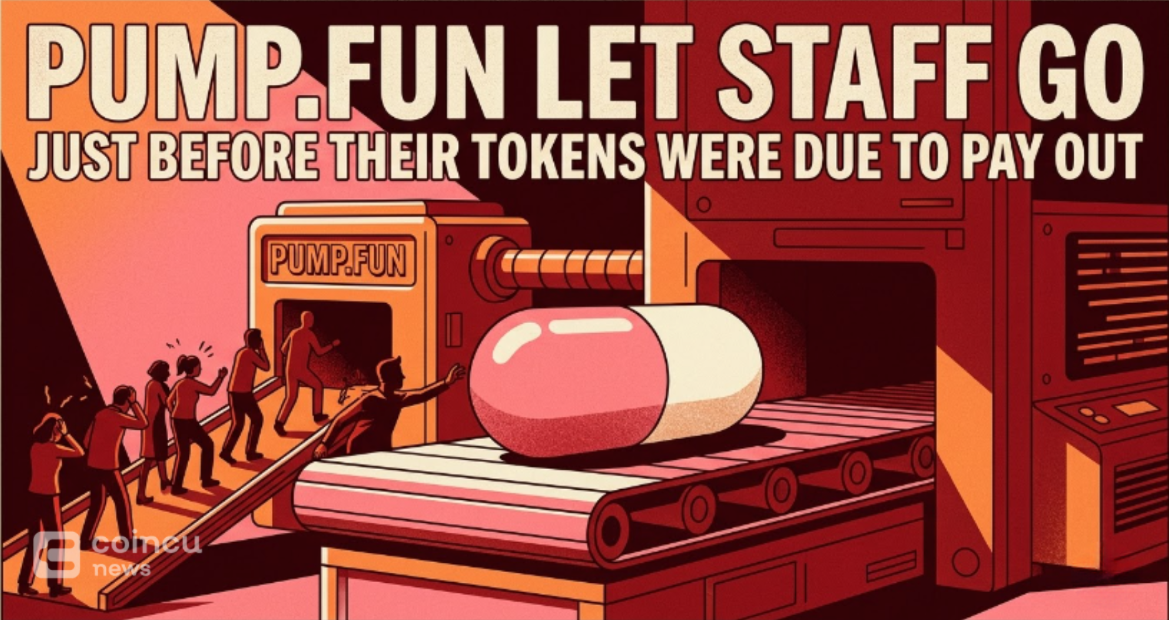
Pump.fun Let Staff Go Just Before Their Tokens Were Due to Pay Out