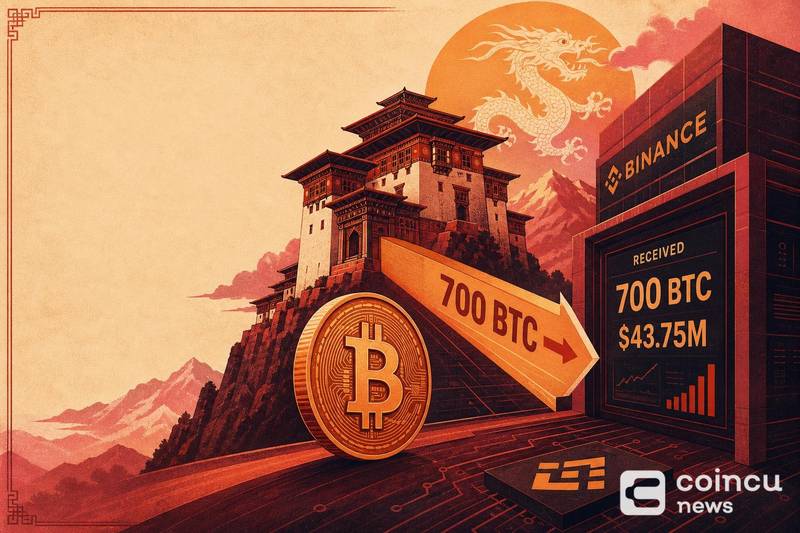
Bhutan transferred 700 BTC, worth approximately $43.75 million, to Binance, according to on-chain tracking data. The deposit marks another large movement from the country’s sovereign Bitcoin holdings to a centralized exchange, continuing a pattern of periodic transfers that have drawn attention from institutional observers and traders monitoring state-linked crypto activity.
What the 700 BTC Transfer Confirms Right Now
On-chain analytics account OnchainLens flagged the transfer showing 700 BTC moving from a Bhutan-linked wallet to a Binance deposit address. At the time of the move, the transfer carried an estimated value of $43.75 million. For related coverage, see Sei Partners with Bhutan to Launch Blockchain Node.
The transfer is attributed to Druk Holding & Investments (DHI), the sovereign wealth arm that manages Bhutan’s state Bitcoin reserves. Arkham Intelligence has previously labeled the associated wallet cluster under the Druk Holding Investments entity, with reporting indicating that Bhutan’s total holdings have fallen below 1,750 BTC.
A transfer to an exchange deposit address is confirmed on-chain data. It is not automatic proof that a sale has been completed. Funds deposited to Binance could be staged for an OTC deal, moved to earn products, or held in exchange custody without immediate liquidation.
Why a Bhutan-to-Binance Deposit Gets the Market’s Attention
Exchange inflows from sovereign or state-linked holders are watched closely because they represent potential sell pressure from entities with large concentrated positions. A $43.75 million deposit is material enough to move thin order books during low-liquidity windows.
Bhutan is one of a small number of nation-states that accumulated Bitcoin through direct mining operations rather than seizure or purchase. This makes its disposal decisions a signal about whether state miners view current price levels as favorable exit points.
This is not the first time Bhutan’s DHI has sent BTC to exchanges. Previous transfers have included a 738 BTC wallet reorganization, a 596 BTC movement tracked by on-chain analysts, and a 184 BTC exchange deposit that coincided with a short-term Bitcoin dip.
The cumulative pattern suggests a deliberate drawdown strategy rather than a single liquidation event. Bhutan’s reserves have dropped roughly 70% from their peak, raising questions about the future of its mining program.
What the On-Chain Trail Can and Cannot Prove
On-chain data confirms the movement of 700 BTC from a wallet labeled as belonging to Bhutan’s DHI into a Binance-associated deposit address. The blockchain records the amount, the timestamp, and the destination.
What it cannot prove is intent. There are three distinct possibilities after an exchange deposit: custody transfer (moving coins for safekeeping or collateral), liquidity preparation (staging for a future sale at a target price), or immediate market liquidation.
Without confirmation of matching sell orders on Binance’s spot or OTC desk, the transfer alone does not establish that Bhutan has reduced its economic exposure to Bitcoin. The difference between a deposit and a sale is the difference between moving cash to a brokerage and hitting the sell button.
What Traders Should Watch After the Transfer
The first signal to monitor is whether additional BTC leaves the same DHI-linked wallet cluster in the days following this deposit. A second transfer in quick succession would strengthen the case for active liquidation rather than routine treasury management.
The second signal is exchange outflows. If the 700 BTC or a comparable amount moves back out of Binance to a cold wallet, the deposit was likely custodial or temporary. Absence of outflow over 7 to 14 days increases the probability that the coins were sold or are being actively traded.
The third signal is Bhutan’s remaining balance. With holdings reportedly below 1,750 BTC, this single transfer represents a significant percentage of remaining reserves. Further drawdowns toward zero would indicate a full exit from the Bitcoin position.
FAQ: Did Bhutan Sell the Bitcoin, and Why Binance?
Has Bhutan confirmed selling the 700 BTC?
No. The on-chain data confirms a transfer to a Binance deposit address, not a completed sale. Bhutan’s DHI has not issued a public statement about the transaction. Until matching sell orders or further wallet depletion are observed, the intent remains unconfirmed.
Why would Bhutan use Binance specifically?
Binance offers the deepest BTC liquidity of any centralized exchange globally. For a sovereign entity looking to move $43.75 million without excessive slippage, deep order books and OTC desk access make it a logical choice. Bhutan’s previous exchange transfers have also been directed to Binance.
What should readers monitor next?
Watch for follow-up transfers from the same wallet cluster, changes in Bhutan’s total tracked balance on Arkham Intelligence, and any Binance outflows of similar size that would suggest the coins were not sold. The next meaningful data point is movement, not commentary.
Additional source references: source document 1.
Disclaimer: This article is for informational purposes only and does not constitute financial or investment advice. Cryptocurrency and digital asset markets carry significant risk. Always do your own research before making decisions.
No tags available.


Other Posts








- China, US Conclude Trade Talks with Focus on Cooperation
- Court Upholds Fed’s Rejection of Custodia Bank’s Request
- Crypto Weekly: NYSE Backs OKX, Kraken Gets Fed Access, BTC Sells
- Former CFO Convicted for $35M Fraudulent Crypto Investment
- DeriW Launches Edge Hour Trading Competition Platform for Derivatives Traders
- Michael Saylor Denies Bitcoin Sell-Off Amid Large BTC Transfer
- Buy Dogecoin on eToro: Step-by-Step Guide for Beginners (2024)
- Kazakhstan Explores Crypto Reserves Backed by National Funds
- JPMorgan Increases Holdings in BlackRock’s Bitcoin ETF
- Nordea Bank Introduces Bitcoin ETP Trading for Nordic Customers
- XRP Spot ETF Launches on Nasdaq Amid Market Fluctuations
- Peter Schiff Challenges Michael Saylor on MSTR’s Business Model
- Thailand Orders Worldcoin to Delete 1.2 Million Biometric Records
- UK Proposes New DeFi Tax Framework to Ease User Burden
- WLFI Under Fire: Analyst Warns Hyperliquid Could Be Next
- Ancient Ethereum Whale Moves $1.19 Billion After Decade
- BlackRock Receives Large Crypto Transfers from Coinbase
- SEC Scrutiny on ALT5 Sigma’s Leadership Disclosure Timing
- Yala Injects $5.5 Million Amid Recovery Efforts
- Radiant Capital Faces $50M Loss in Major Security Breach
- China, US Conclude Trade Talks with Focus on Cooperation
- Court Upholds Fed’s Rejection of Custodia Bank’s Request
- Crypto Weekly: NYSE Backs OKX, Kraken Gets Fed Access, BTC Sells
- Former CFO Convicted for $35M Fraudulent Crypto Investment
- DeriW Launches Edge Hour Trading Competition Platform for Derivatives Traders
- Michael Saylor Denies Bitcoin Sell-Off Amid Large BTC Transfer
- Buy Dogecoin on eToro: Step-by-Step Guide for Beginners (2024)
- Kazakhstan Explores Crypto Reserves Backed by National Funds
- JPMorgan Increases Holdings in BlackRock’s Bitcoin ETF
- Nordea Bank Introduces Bitcoin ETP Trading for Nordic Customers
- XRP Spot ETF Launches on Nasdaq Amid Market Fluctuations
- Peter Schiff Challenges Michael Saylor on MSTR’s Business Model
- Thailand Orders Worldcoin to Delete 1.2 Million Biometric Records
- UK Proposes New DeFi Tax Framework to Ease User Burden
- WLFI Under Fire: Analyst Warns Hyperliquid Could Be Next
- Ancient Ethereum Whale Moves $1.19 Billion After Decade
- BlackRock Receives Large Crypto Transfers from Coinbase
- SEC Scrutiny on ALT5 Sigma’s Leadership Disclosure Timing
- Yala Injects $5.5 Million Amid Recovery Efforts
- Radiant Capital Faces $50M Loss in Major Security Breach
- China, US Conclude Trade Talks with Focus on Cooperation
- Court Upholds Fed’s Rejection of Custodia Bank’s Request
- Crypto Weekly: NYSE Backs OKX, Kraken Gets Fed Access, BTC Sells
- Former CFO Convicted for $35M Fraudulent Crypto Investment
- DeriW Launches Edge Hour Trading Competition Platform for Derivatives Traders
- Michael Saylor Denies Bitcoin Sell-Off Amid Large BTC Transfer
- Buy Dogecoin on eToro: Step-by-Step Guide for Beginners (2024)
- Kazakhstan Explores Crypto Reserves Backed by National Funds
- JPMorgan Increases Holdings in BlackRock’s Bitcoin ETF
- Nordea Bank Introduces Bitcoin ETP Trading for Nordic Customers
- XRP Spot ETF Launches on Nasdaq Amid Market Fluctuations
- Peter Schiff Challenges Michael Saylor on MSTR’s Business Model
- Thailand Orders Worldcoin to Delete 1.2 Million Biometric Records
- UK Proposes New DeFi Tax Framework to Ease User Burden
- WLFI Under Fire: Analyst Warns Hyperliquid Could Be Next
- Ancient Ethereum Whale Moves $1.19 Billion After Decade
- BlackRock Receives Large Crypto Transfers from Coinbase
- SEC Scrutiny on ALT5 Sigma’s Leadership Disclosure Timing
- Yala Injects $5.5 Million Amid Recovery Efforts
- Radiant Capital Faces $50M Loss in Major Security Breach

Israel’s Bank Leumi to Revisit Bitcoin Trading: Key Implications


Norway Wealth Fund’s Indirect Bitcoin Exposure Reaches Record High as Strategy Makes Up 86%
Bitmine Immersion Technologies Announces Record and Payment Dates for Cash Dividends on 9.50% Series A Perpetual Preferred Stock
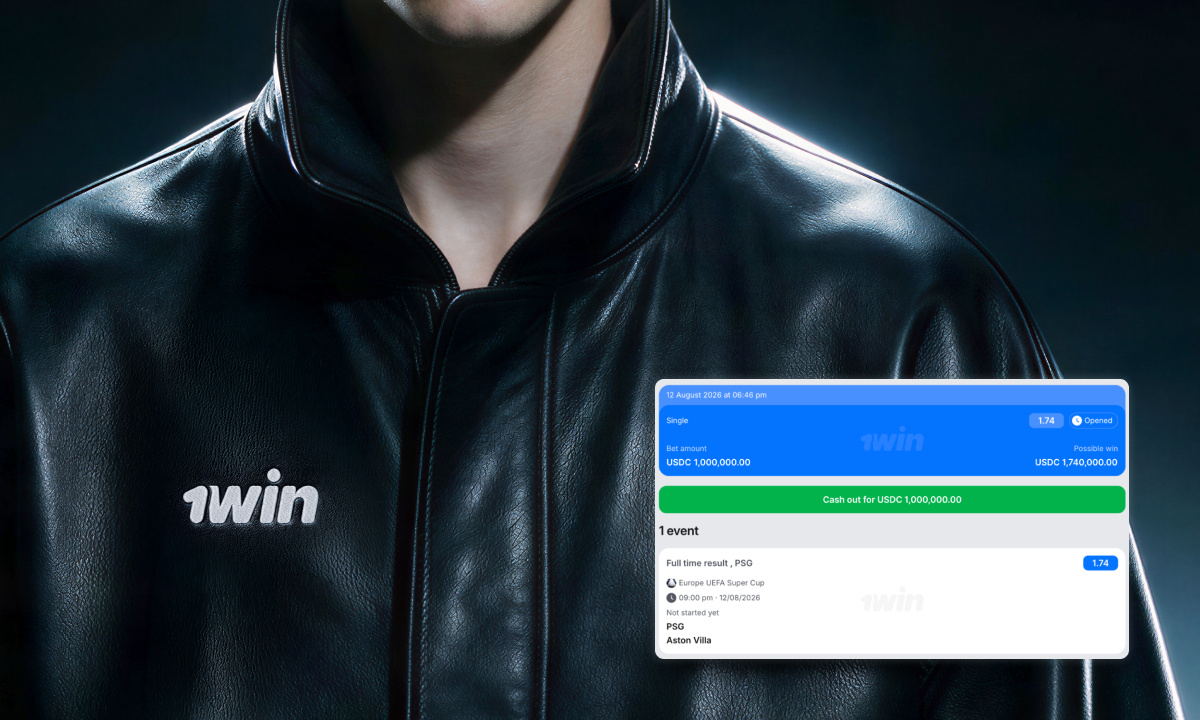
Crypto Player Takes Home $1.749M After a Million PSG Bet on 1win