French Tax Breach Exposes 678K as Crypto Wrench Attacks Rise
A data breach tied to France’s tax administration reportedly exposed the personal information of nearly 678,000 people, intensifying concerns that identifiable crypto holders could face a rising wave of physical “wrench attacks.” The incident links sensitive tax-linked identity data to a threat that plays out offline, where criminals coerce victims into surrendering digital assets.

What the French Tax Breach Exposed
The breach affected close to 678,000 individuals and is connected to French tax-related data, according to reporting on the incident. For related coverage, see Israel's Largest Bank to Offer Crypto Trading With Galaxy.
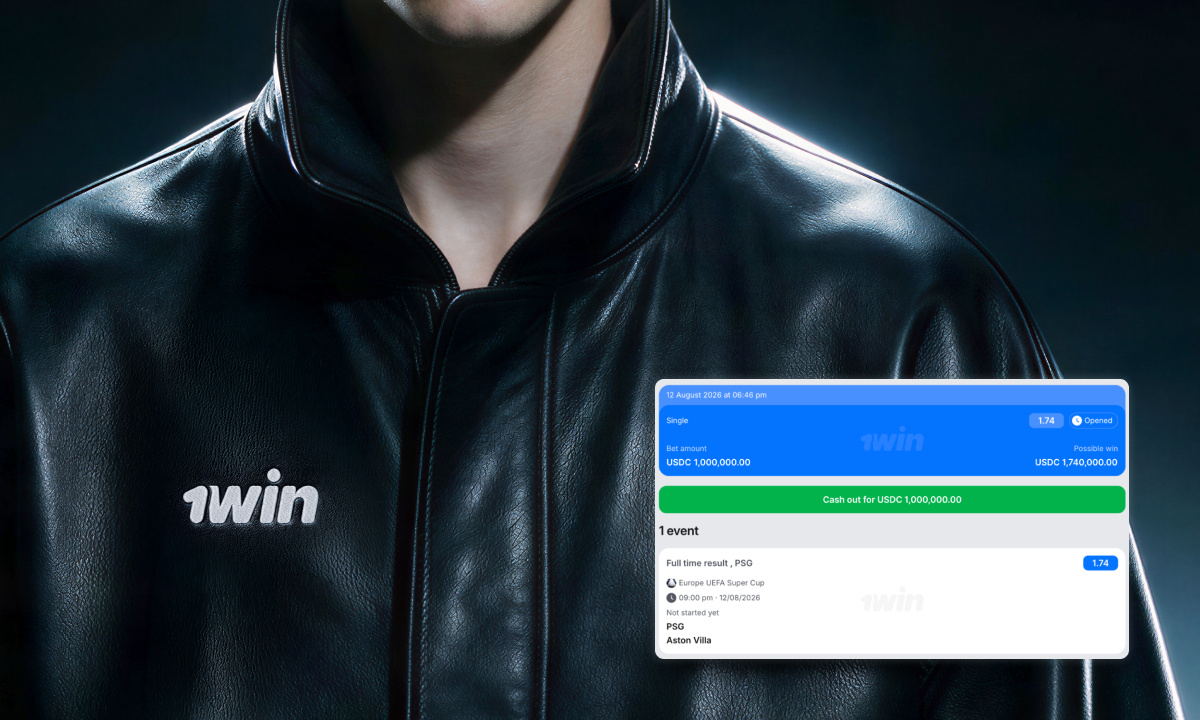
Tax records are unusually sensitive because they can tie a real name to a home address and to signals of wealth. That combination is precisely what makes such a leak more dangerous than a routine password exposure. For related coverage, see Crypto Player Takes Home $1.749M After a Million PSG Bet on 1win.
For crypto holders, the concern is sharper. Unlike a reversible bank transaction, self-custodied digital assets can be moved once and never recovered, so identity data that hints at who controls them carries outsized risk. French authorities have published breach-related communications through the economy and finance ministry’s press service.
Why Crypto Wrench Attacks Become More Plausible After a Data Leak
A “wrench attack” refers to physical coercion, extortion, kidnapping, or threats used to force a victim to hand over private keys or transfer funds directly, bypassing any digital security entirely.
Leaked personal records shorten the path from anonymity to a doorstep. When attackers can pair a name with an address and an inference of crypto wealth, target selection stops being guesswork and becomes a shortlist.
This is the key distinction from cyber theft. A hacker needs to defeat encryption or drain a hot wallet remotely; a wrench attacker only needs to know where a plausible holder lives, which a tax breach can supply.
Why This Breach Matters for User Safety and Market Trust
Large-scale exposure can chill confidence even when no theft immediately follows, because the risk shifts from abstract to personal for anyone in the dataset.
Identifiable wealth signals are more damaging in crypto than in traditional finance, where fraudulent transfers can often be reversed or frozen. On-chain movements are final, so a coerced transfer is effectively permanent.
Privacy failures at institutions that hold identity data also feed a broader trust problem, one that runs parallel to the regulatory push in France, where firms such as Circle have secured AMF approval under MiCA and local players like the Lise exchange are exploring on-chain listings.
How Users Can Reduce Exposure After a High-Risk Data Breach
Physical-security risk calls for different mitigations than standard password hygiene. On the digital side, holders can compartmentalize wallets so that no single device or address reveals total holdings.
On the physical side, reducing a public footprint matters: limiting posts that tie a name to a location, and reviewing whether any wallet addresses are publicly linked to an identity.
A consistent rule across both is discretion. Never share holdings, seed phrases, or recovery details, and treat unsolicited contact referencing your finances as a red flag, a caution that applies broadly as regulators like the SEC continue reworking crypto oversight.
FAQ
What is a crypto wrench attack? It is the use of physical force, threats, or coercion to compel someone to transfer cryptocurrency or hand over private keys, sidestepping digital defenses.
Why would a tax breach put crypto holders at risk? Tax data can link a real identity to an address and signals of wealth, giving attackers the information needed to target suspected holders in person.
What should exposed individuals do first? Reduce public information tying identity to holdings, separate assets across wallets, and avoid disclosing holdings or recovery details to anyone.
Disclaimer: This article is for informational purposes only and does not constitute financial or investment advice. Cryptocurrency and digital asset markets carry significant risk. Always do your own research before making decisions.
No tags available.


Other Posts








- China, US Conclude Trade Talks with Focus on Cooperation
- Court Upholds Fed’s Rejection of Custodia Bank’s Request
- Crypto Weekly: NYSE Backs OKX, Kraken Gets Fed Access, BTC Sells
- Former CFO Convicted for $35M Fraudulent Crypto Investment
- DeriW Launches Edge Hour Trading Competition Platform for Derivatives Traders
- Michael Saylor Denies Bitcoin Sell-Off Amid Large BTC Transfer
- Buy Dogecoin on eToro: Step-by-Step Guide for Beginners (2024)
- Kazakhstan Explores Crypto Reserves Backed by National Funds
- JPMorgan Increases Holdings in BlackRock’s Bitcoin ETF
- Nordea Bank Introduces Bitcoin ETP Trading for Nordic Customers
- XRP Spot ETF Launches on Nasdaq Amid Market Fluctuations
- Peter Schiff Challenges Michael Saylor on MSTR’s Business Model
- Thailand Orders Worldcoin to Delete 1.2 Million Biometric Records
- UK Proposes New DeFi Tax Framework to Ease User Burden
- WLFI Under Fire: Analyst Warns Hyperliquid Could Be Next
- Ancient Ethereum Whale Moves $1.19 Billion After Decade
- BlackRock Receives Large Crypto Transfers from Coinbase
- SEC Scrutiny on ALT5 Sigma’s Leadership Disclosure Timing
- Yala Injects $5.5 Million Amid Recovery Efforts
- Radiant Capital Faces $50M Loss in Major Security Breach
- China, US Conclude Trade Talks with Focus on Cooperation
- Court Upholds Fed’s Rejection of Custodia Bank’s Request
- Crypto Weekly: NYSE Backs OKX, Kraken Gets Fed Access, BTC Sells
- Former CFO Convicted for $35M Fraudulent Crypto Investment
- DeriW Launches Edge Hour Trading Competition Platform for Derivatives Traders
- Michael Saylor Denies Bitcoin Sell-Off Amid Large BTC Transfer
- Buy Dogecoin on eToro: Step-by-Step Guide for Beginners (2024)
- Kazakhstan Explores Crypto Reserves Backed by National Funds
- JPMorgan Increases Holdings in BlackRock’s Bitcoin ETF
- Nordea Bank Introduces Bitcoin ETP Trading for Nordic Customers
- XRP Spot ETF Launches on Nasdaq Amid Market Fluctuations
- Peter Schiff Challenges Michael Saylor on MSTR’s Business Model
- Thailand Orders Worldcoin to Delete 1.2 Million Biometric Records
- UK Proposes New DeFi Tax Framework to Ease User Burden
- WLFI Under Fire: Analyst Warns Hyperliquid Could Be Next
- Ancient Ethereum Whale Moves $1.19 Billion After Decade
- BlackRock Receives Large Crypto Transfers from Coinbase
- SEC Scrutiny on ALT5 Sigma’s Leadership Disclosure Timing
- Yala Injects $5.5 Million Amid Recovery Efforts
- Radiant Capital Faces $50M Loss in Major Security Breach
- China, US Conclude Trade Talks with Focus on Cooperation
- Court Upholds Fed’s Rejection of Custodia Bank’s Request
- Crypto Weekly: NYSE Backs OKX, Kraken Gets Fed Access, BTC Sells
- Former CFO Convicted for $35M Fraudulent Crypto Investment
- DeriW Launches Edge Hour Trading Competition Platform for Derivatives Traders
- Michael Saylor Denies Bitcoin Sell-Off Amid Large BTC Transfer
- Buy Dogecoin on eToro: Step-by-Step Guide for Beginners (2024)
- Kazakhstan Explores Crypto Reserves Backed by National Funds
- JPMorgan Increases Holdings in BlackRock’s Bitcoin ETF
- Nordea Bank Introduces Bitcoin ETP Trading for Nordic Customers
- XRP Spot ETF Launches on Nasdaq Amid Market Fluctuations
- Peter Schiff Challenges Michael Saylor on MSTR’s Business Model
- Thailand Orders Worldcoin to Delete 1.2 Million Biometric Records
- UK Proposes New DeFi Tax Framework to Ease User Burden
- WLFI Under Fire: Analyst Warns Hyperliquid Could Be Next
- Ancient Ethereum Whale Moves $1.19 Billion After Decade
- BlackRock Receives Large Crypto Transfers from Coinbase
- SEC Scrutiny on ALT5 Sigma’s Leadership Disclosure Timing
- Yala Injects $5.5 Million Amid Recovery Efforts
- Radiant Capital Faces $50M Loss in Major Security Breach


Hyperscale Data Sells 685 Bitcoin for $43M to Fund Michigan Data Center

Bitmine Immersion Technologies Announces Record and Payment Dates for Cash Dividends on 9.50% Series A Perpetual Preferred Stock
Crypto Player Takes Home $1.749M After a Million PSG Bet on 1win