Tether’s QVAC has released SDK v0.13.0, a software development kit aimed at enabling local AI development across devices and platforms.
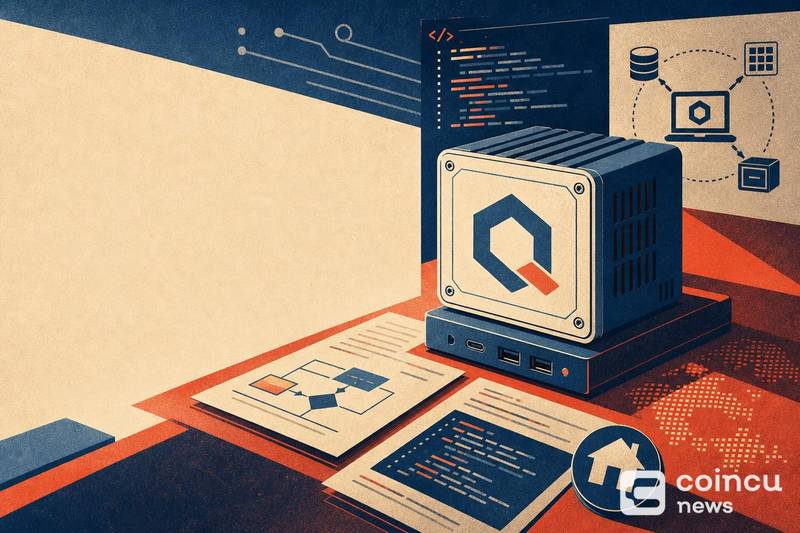
The release, published on Tether’s QVAC GitHub repository, continues the project’s versioned release cycle. The SDK is also available as an npm package under @qvac/sdk version 0.13.0.
Tether described QVAC SDK as an “AI universal building block” designed to run, train, and evolve intelligence across devices and platforms, according to an announcement on Tether’s official website.
What local AI development means in this context
Local AI development refers to running artificial intelligence models and training processes directly on a user’s device rather than relying on cloud-based infrastructure. This approach gives developers more control over data privacy and reduces dependency on remote servers.
An SDK, or software development kit, provides the tools, libraries, and documentation developers need to build applications on top of a platform. The QVAC SDK positions itself as a framework for integrating AI capabilities into software without requiring cloud connectivity.
The framing suggests the product targets developers building AI-powered applications rather than end users consuming AI services directly. This aligns with a broader industry trend where companies increasingly offer on-device AI tooling, a space that intersects with how crypto projects like those building decentralized infrastructure and tokenized ecosystems approach distributed computing.
Why Tether releasing a developer tool matters
Tether is best known as the issuer of USDT, the largest stablecoin by market capitalization. A move into AI developer tooling represents a significant expansion beyond its core financial product.
The QVAC project, hosted under the tetherto GitHub organization, signals that Tether is building a developer ecosystem around AI infrastructure. The v0.13.0 version number suggests the project has gone through multiple iterations, though the repository’s full release history would clarify the pace and scope of prior updates.
For crypto-native readers, the release is notable because it positions a major stablecoin issuer as a participant in the AI tooling space. This sits alongside other developments in the intersection of crypto and AI, similar to how platforms like OpenGradient have gained exchange listings as AI-adjacent crypto projects attract attention.
Tether has not disclosed specific technical benchmarks or adoption metrics for the QVAC SDK in the available materials. The announcement emphasizes cross-device and cross-platform compatibility as core design goals.
What to watch after the v0.13.0 rollout
Versioned SDK releases typically follow a pattern of iterative improvement. Developers evaluating QVAC will likely look for documentation quality, example implementations, and community adoption as indicators of the project’s viability.
Future releases beyond v0.13.0 will clarify whether Tether intends to build a full developer ecosystem around QVAC or maintain it as a narrower tool. The broader Tether ecosystem, which already extends to platforms like TetherBack, suggests the company is comfortable operating multiple product lines simultaneously.
Developer feedback on the npm package and GitHub repository will be the most concrete early signals of traction. Open-source engagement metrics, including stars, forks, and issue activity, tend to reflect real adoption more reliably than press announcements.
FAQ about Tether’s QVAC SDK v0.13.0
What is QVAC?
QVAC is a project under Tether focused on AI development tooling. It provides an SDK that developers can use to build, train, and run AI models locally on their devices.
What is SDK v0.13.0?
Version 0.13.0 is the latest published release of the QVAC SDK, available through both GitHub and npm. The version number indicates the project is in active development with ongoing iteration.
Why is local AI development central to this announcement?
Tether has framed QVAC as a tool that works across any device and platform without requiring cloud infrastructure. Local AI development gives developers privacy and autonomy over their AI workloads.
How does this relate to Tether’s stablecoin business?
The QVAC SDK represents an expansion of Tether’s product portfolio beyond USDT. The company has not publicly detailed how the AI tooling connects to its financial products.
Disclaimer: This article is for informational purposes only and does not constitute financial or investment advice. Cryptocurrency and digital asset markets carry significant risk. Always do your own research before making decisions.
No tags available.


Other Posts








- China, US Conclude Trade Talks with Focus on Cooperation
- Court Upholds Fed’s Rejection of Custodia Bank’s Request
- Crypto Weekly: NYSE Backs OKX, Kraken Gets Fed Access, BTC Sells
- Former CFO Convicted for $35M Fraudulent Crypto Investment
- DeriW Launches Edge Hour Trading Competition Platform for Derivatives Traders
- Michael Saylor Denies Bitcoin Sell-Off Amid Large BTC Transfer
- Buy Dogecoin on eToro: Step-by-Step Guide for Beginners (2024)
- Kazakhstan Explores Crypto Reserves Backed by National Funds
- JPMorgan Increases Holdings in BlackRock’s Bitcoin ETF
- Nordea Bank Introduces Bitcoin ETP Trading for Nordic Customers
- XRP Spot ETF Launches on Nasdaq Amid Market Fluctuations
- Peter Schiff Challenges Michael Saylor on MSTR’s Business Model
- Thailand Orders Worldcoin to Delete 1.2 Million Biometric Records
- UK Proposes New DeFi Tax Framework to Ease User Burden
- WLFI Under Fire: Analyst Warns Hyperliquid Could Be Next
- Ancient Ethereum Whale Moves $1.19 Billion After Decade
- BlackRock Receives Large Crypto Transfers from Coinbase
- SEC Scrutiny on ALT5 Sigma’s Leadership Disclosure Timing
- Yala Injects $5.5 Million Amid Recovery Efforts
- Radiant Capital Faces $50M Loss in Major Security Breach
- China, US Conclude Trade Talks with Focus on Cooperation
- Court Upholds Fed’s Rejection of Custodia Bank’s Request
- Crypto Weekly: NYSE Backs OKX, Kraken Gets Fed Access, BTC Sells
- Former CFO Convicted for $35M Fraudulent Crypto Investment
- DeriW Launches Edge Hour Trading Competition Platform for Derivatives Traders
- Michael Saylor Denies Bitcoin Sell-Off Amid Large BTC Transfer
- Buy Dogecoin on eToro: Step-by-Step Guide for Beginners (2024)
- Kazakhstan Explores Crypto Reserves Backed by National Funds
- JPMorgan Increases Holdings in BlackRock’s Bitcoin ETF
- Nordea Bank Introduces Bitcoin ETP Trading for Nordic Customers
- XRP Spot ETF Launches on Nasdaq Amid Market Fluctuations
- Peter Schiff Challenges Michael Saylor on MSTR’s Business Model
- Thailand Orders Worldcoin to Delete 1.2 Million Biometric Records
- UK Proposes New DeFi Tax Framework to Ease User Burden
- WLFI Under Fire: Analyst Warns Hyperliquid Could Be Next
- Ancient Ethereum Whale Moves $1.19 Billion After Decade
- BlackRock Receives Large Crypto Transfers from Coinbase
- SEC Scrutiny on ALT5 Sigma’s Leadership Disclosure Timing
- Yala Injects $5.5 Million Amid Recovery Efforts
- Radiant Capital Faces $50M Loss in Major Security Breach
- China, US Conclude Trade Talks with Focus on Cooperation
- Court Upholds Fed’s Rejection of Custodia Bank’s Request
- Crypto Weekly: NYSE Backs OKX, Kraken Gets Fed Access, BTC Sells
- Former CFO Convicted for $35M Fraudulent Crypto Investment
- DeriW Launches Edge Hour Trading Competition Platform for Derivatives Traders
- Michael Saylor Denies Bitcoin Sell-Off Amid Large BTC Transfer
- Buy Dogecoin on eToro: Step-by-Step Guide for Beginners (2024)
- Kazakhstan Explores Crypto Reserves Backed by National Funds
- JPMorgan Increases Holdings in BlackRock’s Bitcoin ETF
- Nordea Bank Introduces Bitcoin ETP Trading for Nordic Customers
- XRP Spot ETF Launches on Nasdaq Amid Market Fluctuations
- Peter Schiff Challenges Michael Saylor on MSTR’s Business Model
- Thailand Orders Worldcoin to Delete 1.2 Million Biometric Records
- UK Proposes New DeFi Tax Framework to Ease User Burden
- WLFI Under Fire: Analyst Warns Hyperliquid Could Be Next
- Ancient Ethereum Whale Moves $1.19 Billion After Decade
- BlackRock Receives Large Crypto Transfers from Coinbase
- SEC Scrutiny on ALT5 Sigma’s Leadership Disclosure Timing
- Yala Injects $5.5 Million Amid Recovery Efforts
- Radiant Capital Faces $50M Loss in Major Security Breach

Israel’s Bank Leumi to Revisit Bitcoin Trading: Key Implications


Norway Wealth Fund’s Indirect Bitcoin Exposure Reaches Record High as Strategy Makes Up 86%
Bitmine Immersion Technologies Announces Record and Payment Dates for Cash Dividends on 9.50% Series A Perpetual Preferred Stock
Crypto Player Takes Home $1.749M After a Million PSG Bet on 1win